
Yes, you can fly a drone in Japan, but there are specific regulations and restrictions you need to follow. Understanding these rules is essential for both safety and compliance while enjoying the breathtaking scenery Japan has to offer. The Japanese government has established a comprehensive framework to ensure the responsible use of drones, balancing the interests of drone enthusiasts with safety and privacy concerns. This guide will explore the key regulations, no-fly zones, required permits, safety guidelines, best practices, and tips for capturing stunning footage while flying a drone in Japan.
Understanding Japanese Drone Regulations
In Japan, the regulations governing drone usage are primarily enforced by the Ministry of Land, Infrastructure, Transport and Tourism (MLIT). One of the most important aspects of these regulations is the weight classification of drones. Drones weighing less than 200 grams are subject to less stringent regulations, allowing for a more straightforward flying experience. These lightweight drones can be flown without registration, making them an attractive option for casual users.
For drones exceeding 200 grams, registration is mandatory. The registration process involves providing personal information and details about the drone to the MLIT. Once registered, drone pilots must display their registration number on their aircraft. Additionally, any drone weighing over 2 kilograms requires a special flight permit, emphasizing the importance of compliance for heavier devices. Understanding these weight categories and their respective regulations is crucial for anyone looking to fly a drone in Japan.
No-Fly Zones in Japan
Safety is a top priority when it comes to drone operations, and certain areas in Japan are designated as no-fly zones to protect both people and property. Pilots must avoid flying near airports and military bases, where the risk of interference with manned aircraft is significant. Moreover, urban areas, particularly densely populated cities like Tokyo and Osaka, have strict limitations on drone flights to prevent accidents and disturbances.
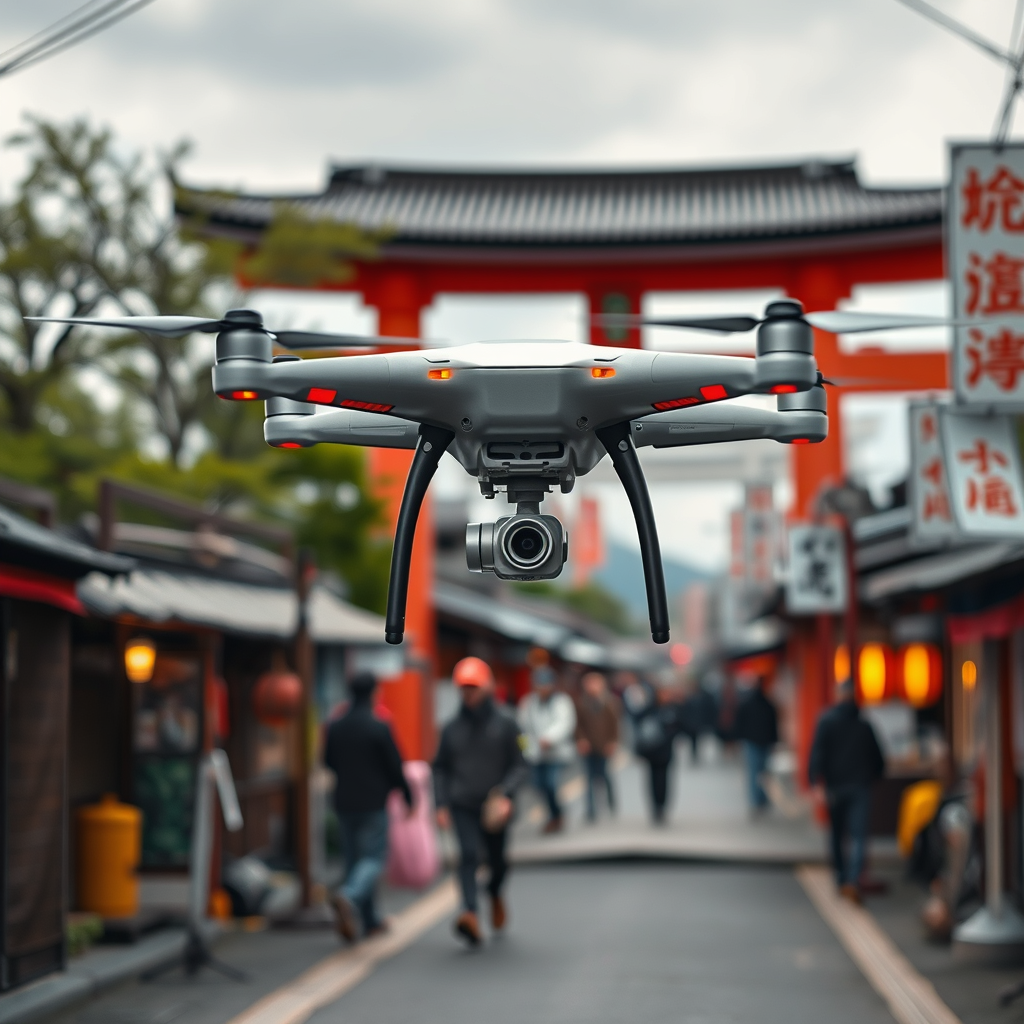
In addition to these general no-fly zones, specific locations such as temples, shrines, and historical sites often have restrictions to preserve their sanctity and protect visitors’ privacy. For example, flying a drone near the iconic Fushimi Inari Taisha Shrine in Kyoto may be prohibited due to its cultural significance. It is vital for drone pilots to research their intended flight locations and respect local regulations to ensure a safe and respectful flying experience.
Required Permits and Licenses
For those looking to engage in commercial drone operations in Japan, obtaining the appropriate permits and licenses is essential. A license is required for any commercial use, which includes activities such as aerial photography for businesses, surveying land, or delivering goods. To acquire this license, applicants must demonstrate knowledge of the relevant regulations, safety protocols, and operational procedures.
The application process for commercial permits is conducted through the MLIT. It typically involves submitting documentation that outlines the intended use of the drone, safety measures, and operational plans. Pilots must also pass an examination to ensure they are well-versed in drone flying regulations. As regulations can change, staying updated on the latest requirements is crucial for commercial operators.
Safety Guidelines for Drone Pilots
Safety guidelines are fundamental for any drone pilot, regardless of their experience level. One of the primary rules is to maintain visual line of sight with the drone at all times. This ensures that pilots can monitor their drone’s flight path and respond quickly to any potential hazards or changes in the environment.
Additionally, drone pilots should avoid flying in adverse weather conditions, such as heavy rain, strong winds, or fog, which can significantly impair visibility and control. It is also advisable to fly during daylight hours to ensure optimal visibility and safety. Pilots should familiarize themselves with the drone’s capabilities and limitations, conducting pre-flight checks to ensure the equipment is functioning correctly. By adhering to these safety guidelines, drone enthusiasts can minimize risks and enjoy a seamless flying experience.
Best Practices for Flying Drones in Japan
Respecting local customs and privacy laws is paramount when flying a drone in Japan. Japanese culture places a high value on personal privacy, and drone pilots should be considerate of this when planning their flights. Avoid flying over private properties without permission and be cautious when capturing images or videos of individuals without their consent.
Moreover, checking for any temporary restrictions or events in the area is essential. Local festivals, construction activities, or emergency situations may impose temporary no-fly zones. Utilizing resources such as local government websites or drone-related apps can help pilots stay informed about current regulations and restrictions in their chosen flying area.
Tips for Capturing Stunning Footage
To capture breathtaking footage while flying a drone in Japan, careful planning is essential. Before heading out, pilots should meticulously plan their flight route, taking into account both the scenery and the regulations governing the area. Identifying specific landmarks, natural wonders, or historical sites can enhance the quality of the footage captured.
Using apps that provide real-time weather updates and information on no-fly zones can greatly assist in ensuring a successful flight. Conditions such as wind speed and visibility can significantly impact the quality of aerial photography or videography. Moreover, pre-programming flight paths and utilizing features like follow-me mode can help enhance the shooting experience, allowing pilots to focus on composition and creativity.
In conclusion, while flying a drone in Japan is possible and can be an incredible experience, it’s crucial to adhere to the regulations and respect local guidelines. Understanding the weight classifications, no-fly zones, and necessary permits ensures compliance and safety. By following safety guidelines, best practices, and planning for stunning captures, drone pilots can enjoy the picturesque landscapes of Japan while contributing to a culture of responsible drone usage. Always stay informed and prepared before taking to the skies!
Frequently Asked Questions
What are the regulations for flying a drone in Japan?
In Japan, drone operators must comply with regulations set by the Ministry of Land, Infrastructure, Transport and Tourism (MLIT). Key rules include flying below 150 meters, keeping the drone within visual line of sight, and not flying over populated areas or large gatherings without special permission. Additionally, operators must register their drones if they weigh more than 200 grams and may need to obtain a license for commercial use.
How can I obtain permission to fly a drone in Japan?
To obtain permission to fly a drone in Japan, you need to apply through the MLIT for a “drone flight permit,” especially if you plan to fly in restricted areas or for commercial purposes. The application process typically involves submitting your flight plan, proof of insurance, and sometimes passing a safety examination. It’s advisable to start this process well in advance of your flight to ensure compliance with local laws.
Why do I need to register my drone in Japan?
Registering your drone in Japan is mandatory for any drone weighing over 200 grams to promote safety and accountability among drone operators. This registration helps authorities track drone usage and manage airspace more effectively. Failing to register can result in penalties, including fines or confiscation of your drone, making it crucial for operators to comply with this requirement.
What are the best places to fly a drone in Japan?
Some of the best places to fly a drone in Japan include open parks and rural areas like Hokkaido’s fields or the beaches of Okinawa, where there are fewer restrictions. However, locations like Mount Fuji and the Japanese countryside can provide stunning landscapes for aerial photography. Always check local regulations and obtain any necessary permits before flying in these areas to avoid legal issues.
Which drones are best suited for flying in Japan?
The best drones for flying in Japan are those that comply with local regulations, are lightweight, and have features like GPS stabilization for stable flight. Popular models include the DJI Mini series, which are compact and user-friendly, making them ideal for beginners. Additionally, ensure that your drone has a good battery life and camera quality to capture Japan’s beautiful scenery effectively.
References
- https://www.wikiwand.com/en/Drone_regulation_in_Japan
- https://www.japan.travel/en/uk/inspiration/drone-flying-in-japan/
- https://www.caa.go.jp/en/
- https://www.japan-guide.com/e/e9901.html
- https://www.faa.gov/uas/international/
- https://www.theverge.com/2020/3/3/21159990/japan-drone-regulations-laws-flying-where-to-apply
- https://www.japantimes.co.jp/news/2021/06/01/national/drone-regulations-japan/
- https://www.airmap.com/blog/japan-drone-regulations/
