

Yes, you can fly a drone in Jasper National Park, but there are strict regulations in place. Understanding these rules is crucial not only for compliance but also for ensuring the safety of wildlife and fellow visitors while enjoying the breathtaking beauty of one of Canada’s largest national parks. By following the established guidelines, drone enthusiasts can responsibly capture stunning aerial footage without negatively impacting the park’s natural environment.
Regulations Governing Drone Use
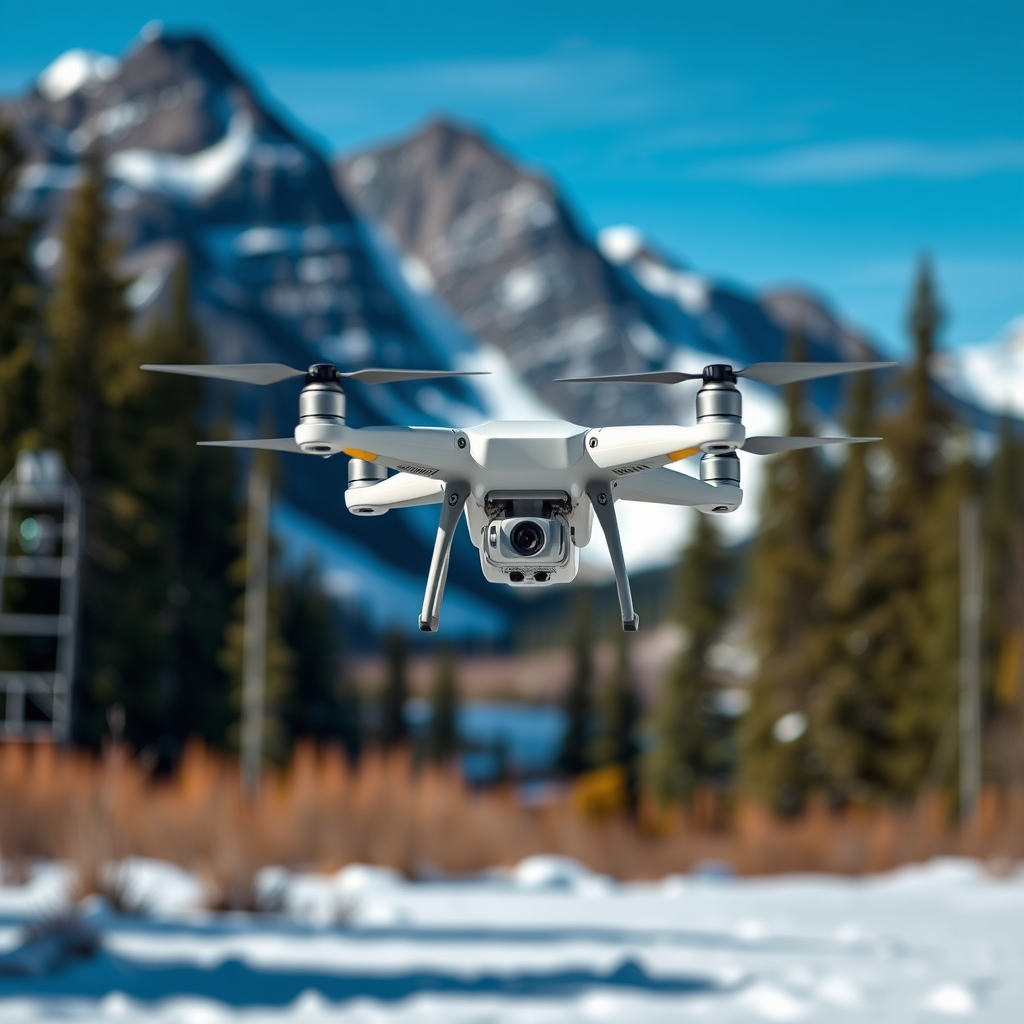
Drones are subject to national park regulations, which may vary by location. In Jasper National Park, these regulations are enforced by Parks Canada to safeguard both the natural ecosystem and the recreational experiences of all visitors. It’s essential for drone operators to be aware of the Canadian Aviation Regulations (CARs), which govern the use of drones in airspace, and the specific provisions applicable to national parks.
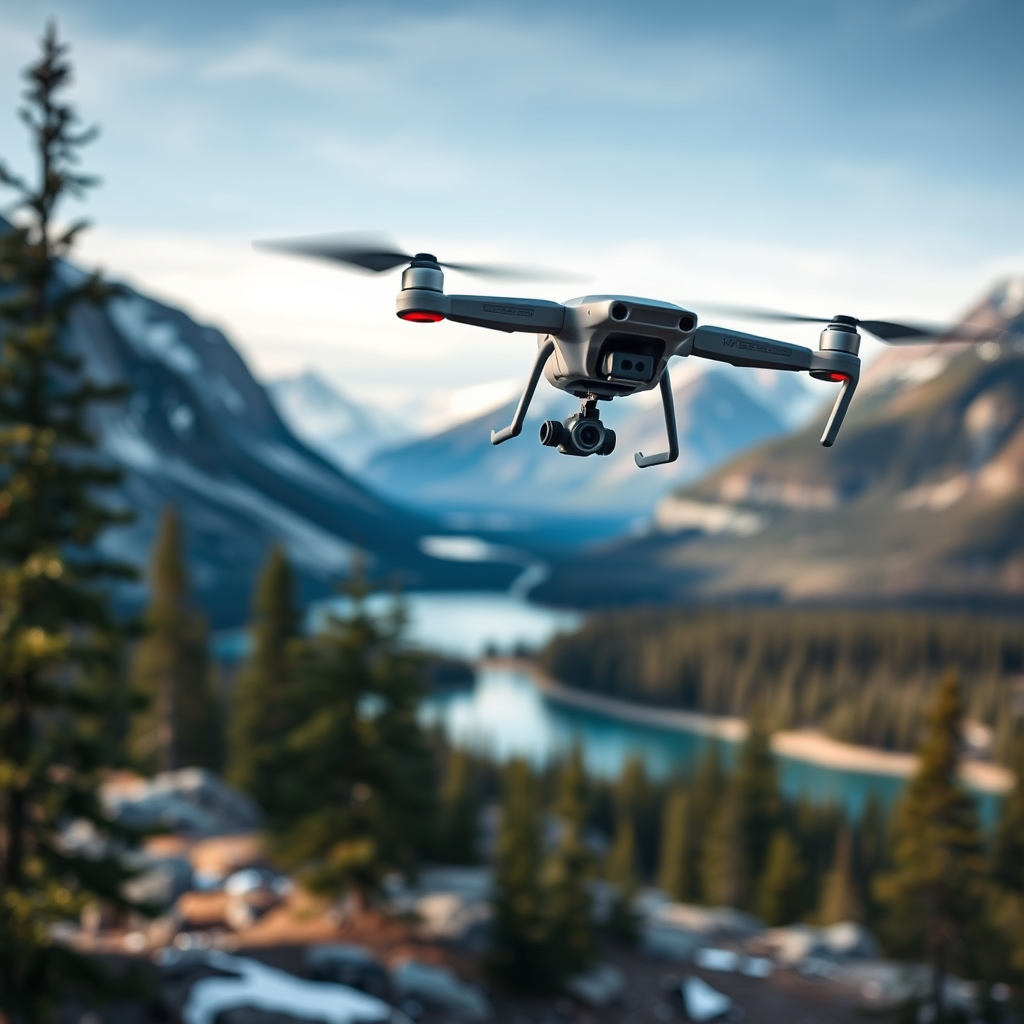
For instance, flying a drone near wildlife habitats, such as nesting sites or areas where animals are known to congregate, is strictly prohibited. This is designed to minimize stress on wildlife and protect their natural behaviors. Additionally, drone operators must maintain visual line-of-sight at all times during flight and cannot fly above 90 meters (295 feet) without special permissions. Always check with the official Parks Canada website or contact park authorities for the most current and specific rules regarding drone operations in Jasper.
Permit Requirements
A Special Use Permit is generally required for commercial drone operations in Jasper National Park. This means that if you plan to use your drone for any business-related purposes—such as photography for a client, promotional content, or surveying—you must apply for this permit well in advance. The application process includes submitting details about the intended use, flight plan, and safety measures, and it is subject to thorough review by park officials.
Recreational users should also familiarize themselves with park guidelines to avoid fines. While a permit may not be necessary for casual drone use, understanding the limitations and responsibilities associated with flying in a national park is crucial. For example, recreational operators should be aware of the designated flying areas and ensure they are compliant with any temporary flight restrictions that may be in place due to wildlife activity or other factors.
Designated Flying Areas
Within Jasper National Park, some areas may be restricted for drone flying to protect sensitive habitats and wildlife. Parks Canada designates specific zones where drone use is permitted, typically away from heavily trafficked visitor areas and wildlife hotspots. For instance, while many of the park’s stunning vistas may seem ideal for drone photography, operators should conduct thorough research to identify locations where flying is allowed.
Drone enthusiasts can find this information on the Parks Canada website or by consulting with park staff. Additionally, using apps or online maps that highlight no-fly zones can assist in planning flights that adhere to regulations. By being informed about designated flying areas, drone operators can enjoy their hobby while minimizing disturbances to the natural environment.
Safety Considerations
Safety is a paramount concern when flying drones in national parks. Operators must maintain a safe distance from wildlife and other park visitors to prevent accidents or stress to animals. For example, flying a drone too close to a herd of elk could lead to unintended consequences, such as panic or disruption of their natural behavior.
Furthermore, ensuring that your drone is equipped with safety features, such as geofencing and return-to-home functions, can greatly enhance safety during operations. Geofencing technology prevents drones from inadvertently entering restricted airspace, while return-to-home features help ensure the drone returns safely if the signal is lost or the battery runs low. Operators should also conduct pre-flight checks to confirm that all equipment is functioning correctly before takeoff.
Environmental Impact
Understanding the potential impact of drone use on wildlife and the natural landscape is essential for responsible flying. Drones can disturb animals, particularly during sensitive times such as mating season or nesting periods. The noise generated by drones can disrupt the natural sounds of the park, which are vital for animal communication and behavior.
To minimize disturbances, drone operators should adhere to guidelines that promote environmental stewardship. This includes flying at higher altitudes when possible, avoiding nesting areas, and being mindful of wildlife sightings. By observing wildlife from a distance and opting for alternative methods of capturing images, such as hiking or using ground cameras, drone users can significantly reduce their ecological footprint.
Community and Visitor Guidelines
Engaging with the local community and other visitors is an integral part of responsible drone flying in Jasper National Park. Sharing best practices and experiences can foster a culture of respect and cooperation among all park users. Operators should be considerate of others who may be enjoying the park without the presence of drones, as not everyone may appreciate their sound or visibility.
Respecting the privacy and enjoyment of others while flying your drone in shared spaces is essential. This involves communicating with nearby individuals before taking off, especially in crowded areas, and being prepared to adjust your plans if necessary. By practicing good etiquette, drone enthusiasts can enhance their own experiences while contributing positively to the park community.
In conclusion, while flying a drone in Jasper National Park is possible, it is crucial to adhere to the established regulations and guidelines. Operators must prioritize safety, respect the environment, and consider the experiences of fellow park visitors. By planning accordingly and staying informed about the rules governing drone use, enthusiasts can enjoy their flying experience while protecting the integrity of this beautiful natural landscape. Responsible drone flying not only enhances personal enjoyment but also ensures that Jasper National Park remains a treasured destination for generations to come.
Frequently Asked Questions
Can you fly a drone in Jasper National Park?
No, flying a drone in Jasper National Park is generally prohibited. The park’s regulations are designed to protect wildlife and ensure the safety and enjoyment of all visitors. If you’re considering using a drone for photography or recreation, it’s essential to check the latest National Park Service guidelines, as regulations can change.
What are the consequences of flying a drone in Jasper National Park?
If you are caught flying a drone in Jasper National Park, you may face several consequences, including fines and potential confiscation of your drone. The penalties can vary based on the severity of the violation and whether it disrupts wildlife or other visitors. It’s crucial to respect park regulations to avoid these issues and to help preserve the natural beauty of the area.
Why are drones banned in national parks like Jasper?
Drones are banned in national parks like Jasper to protect wildlife, minimize noise pollution, and maintain the natural experience for visitors. The presence of drones can disturb animals, particularly during sensitive breeding seasons, and can detract from the serene environment that many visitors seek. These regulations are in place to ensure both the safety of wildlife and the enjoyment of the park for everyone.
What are the best alternatives to drones for capturing aerial views in Jasper National Park?
Instead of using a drone, consider hiring a local aerial photography service that uses manned aircraft for stunning views of Jasper National Park. Additionally, investing in a good-quality camera with a wide-angle lens can help you capture breathtaking landscapes without violating park regulations. Hiking to scenic viewpoints or exploring designated lookout points can also provide excellent vantage points for photography.
How can I stay updated on drone regulations in Jasper National Park?
To stay updated on drone regulations in Jasper National Park, regularly check the official Parks Canada website, which provides current guidelines and updates. Following the park’s social media channels can also be helpful, as they often post important news regarding regulations and events. Additionally, consider subscribing to newsletters or visiting local visitor centers for the latest information when planning your trip.
References
- https://www.pc.gc.ca/en/pn-np/ab/jasper/visit/experience/drone
- https://www.canada.ca/en/parks-canada/services/parks-canada-drone-policy.html
- https://www.jasper.travel/things-to-do/outdoor-adventures/drone-flying-in-jasper-national-park/
- https://en.wikipedia.org/wiki/Jasper_National_Park
- https://www.parkscanada.gc.ca/pn-np/ab/jasper/visit/experience/drone
