

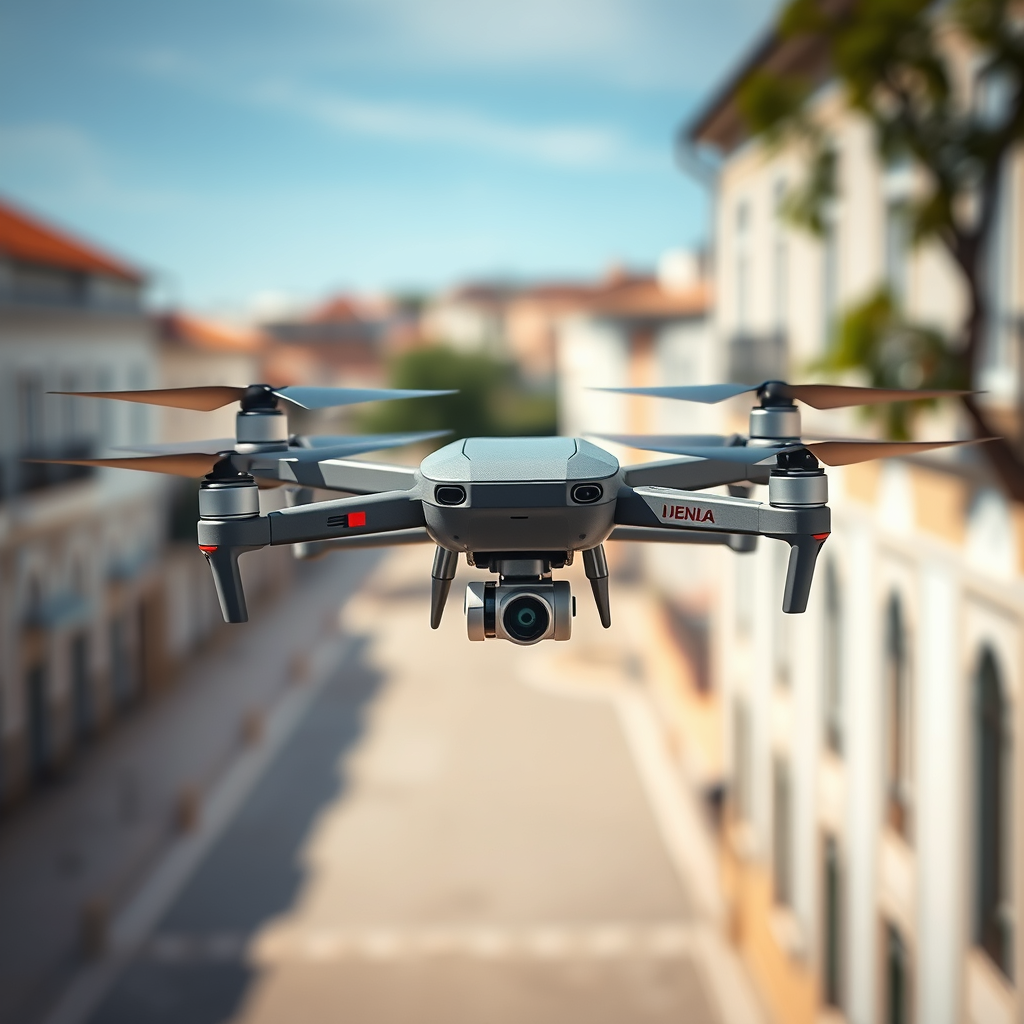
Yes, you can fly a drone in Lisbon, but there are specific regulations and guidelines you must follow to ensure safe and legal operation. Understanding these rules is essential not only to enjoy the experience of flying your drone but also to respect the local laws and the privacy of residents. This article will provide you with comprehensive insights into drone regulations in Portugal, no-fly zones, required permits, safety guidelines, best practices, and local resources for drone enthusiasts.
Understanding Drone Regulations in Portugal
In Portugal, as in the rest of the European Union, drone operation is subject to the regulations set forth by the European Union Aviation Safety Agency (EASA). These rules are designed to ensure safety in the airspace while accommodating the burgeoning interest in drone technology. One of the primary regulations is that drones weighing over 250 grams (0.55 pounds) must be registered with the appropriate authorities. This includes drones equipped with cameras, which are often used for recreational, commercial, or artistic purposes.

To register your drone, you will need to provide specific information, including the drone’s make and model, your personal identification, and proof of any required training or certification. EASA also categorizes drone operations into three distinct categories: Open, Specific, and Certified, depending on the risk associated with the flight. Most recreational drone users will fall under the Open category, which has fewer restrictions but still mandates adherence to basic safety rules.
No-Fly Zones in Lisbon
Lisbon has several designated no-fly zones that drone operators must be aware of to avoid legal repercussions and ensure the safety of the public. Key prohibited areas include regions near airports, military installations, and urban centers with high population density. For instance, Lisbon Portela Airport is an area where drone flights are strictly forbidden due to the potential hazards they pose to aircraft.
Moreover, iconic landmarks like the Belem Tower and Jerónimos Monastery may have additional restrictions. These historical sites attract numerous tourists, and flying a drone nearby could violate privacy or safety regulations. It is advisable to consult the latest maps and local resources to identify no-fly zones before planning your drone flight.
Required Permits for Drone Use
Certain drone activities in Lisbon, especially those for commercial purposes, may necessitate special permits. For instance, if you plan to conduct aerial photography or videography for commercial gain, you must obtain a specific authorization from the Portuguese Civil Aviation Authority (ANAC). This process typically involves submitting a detailed flight plan, risk assessment, and proof of insurance.
Even for recreational users, it is prudent to check with local authorities before planning your flight. Regulations can change, and local councils may have specific rules regarding drone usage in public parks or residential areas. Always ensure you have the necessary documentation to avoid fines or confiscation of your equipment.
Safety Guidelines for Flying Drones
Safety should always be a top priority when operating a drone. One of the fundamental safety guidelines is to maintain a line of sight with your drone at all times. This practice not only helps you control the aircraft effectively but also enables you to avoid obstacles and other air traffic.
Additionally, it is crucial to refrain from flying over people and private properties without permission. Respecting the privacy of residents and visitors not only fosters goodwill but also aligns with legal requirements. Other safety guidelines include adhering to altitude restrictions (generally not exceeding 120 meters) and avoiding flying in adverse weather conditions, which can impair your ability to control the drone.
Best Practices for Drone Operation
Before you take to the skies, familiarizing yourself with local weather conditions is vital. Wind, rain, and other environmental factors can significantly affect drone performance. Always check the forecast and be prepared to postpone your flight if conditions are not favorable.
Ensuring that your drone is in good working condition is equally important. Regular maintenance checks, including battery health, propeller integrity, and software updates, can prevent accidents and ensure a smooth flying experience. Always ensure your drone is fully charged before heading out.
Moreover, consider scouting your intended flight area beforehand. This can help you identify any potential hazards, such as power lines or crowded areas, and familiarize yourself with the landscape. Planning your flight path can enhance your operational efficiency and ensure compliance with local laws.
Local Drone Communities and Resources
Engaging with local drone enthusiasts can provide valuable insights and enhance your flying experience. Joining drone clubs or online forums can offer a platform for sharing tips, advice, and information about local regulations and events. Many cities have active drone communities that organize meet-ups, workshops, and even drone races, allowing you to connect with like-minded individuals and improve your skills.
Additionally, utilizing online resources, such as official government websites and drone forums, can keep you informed about any changes in regulations or upcoming events in Lisbon. Websites like the ANAC provide updated information on drone laws, registration processes, and safety guidelines, ensuring you remain compliant while pursuing your passion for flying.
In summary, flying a drone in Lisbon is not only possible but can also be a rewarding experience if approached responsibly. By adhering to the regulations and guidelines, respecting the privacy of residents, and engaging with the local community, you can enjoy the stunning views and vibrant culture of this beautiful city from a unique perspective. Happy flying!
Frequently Asked Questions
What are the regulations for flying a drone in Lisbon?
In Lisbon, as in the rest of Portugal, drone flying is regulated by the National Civil Aviation Authority (ANAC). Operators must adhere to guidelines including maintaining a maximum altitude of 120 meters, keeping the drone within visual line of sight, and avoiding no-fly zones such as near airports, military areas, and densely populated places. It’s essential to register your drone if it weighs over 250 grams and ensure you have liability insurance.
How can I get permission to fly a drone in Lisbon?
To obtain permission to fly a drone in Lisbon, you must follow the application process set by ANAC. This includes submitting a request through their online portal, providing details about your flight plan, and showing compliance with safety regulations. Additionally, specific areas may require prior authorization from local authorities, so it’s advisable to check with them before planning your flight.
Why is it important to check local drone laws before flying in Lisbon?
Checking local drone laws before flying in Lisbon is crucial to ensure compliance and avoid legal repercussions. The city has specific restrictions and no-fly zones due to safety and privacy concerns. Understanding these regulations can help prevent fines, confiscation of your equipment, and ensure a safe experience for both the operator and the public.
What are the best locations to fly a drone in Lisbon?
Some of the best locations to fly a drone in Lisbon include the scenic viewpoints such as Miradouro da Senhora do Monte and Miradouro de Santa Catarina, where you can capture stunning aerial views of the city. Additionally, areas like the Tagus River waterfront and the Parque das Nações offer beautiful landscapes, but always be mindful of local regulations and restrictions in these popular spots.
Which drone models are suitable for flying in Lisbon?
When choosing a drone for flying in Lisbon, it’s best to opt for models that are lightweight, easy to maneuver, and equipped with GPS for stable flight. Popular options include the DJI Mini series, which is under 250 grams and doesn’t require registration, making it convenient for beginners. Ensure that the drone you select has good battery life and camera quality for optimal aerial photography, while also adhering to local regulations.
References
- https://www.faa.gov/uas/getting_started/where_to_fly
- https://www.portugal.gov.pt/en/gc21/communication/news-item?b=250
- https://www.dronelife.com/2021/07/06/drone-regulations-in-portugal-an-overview/
- https://www.eurocontrol.int/sites/default/files/2020-05/drones-in-europe-2020.pdf
- https://www.civilaviation.gov.pt/en/aircraft/drone-operations
- https://www.thelocal.pt/20210804/where-you-can-fly-drones-in-portugal/
- https://www.reuters.com/technology/what-you-need-know-about-flying-drones-portugal-2021-09-06/
- https://www.wired.com/story/drone-regulations-europe/
