

Yes, you can fly a drone in Malaysia, but there are specific regulations and guidelines you must follow to ensure safe and legal operation. Understanding these rules is crucial for both recreational and commercial drone pilots to avoid legal repercussions and ensure the safety of the airspace. This post will delve into the regulations established by Malaysia’s Civil Aviation Authority (CAAM), registration requirements, no-fly zones, safety guidelines, insurance considerations, and the implications of non-compliance.
Understanding Malaysia’s Drone Regulations
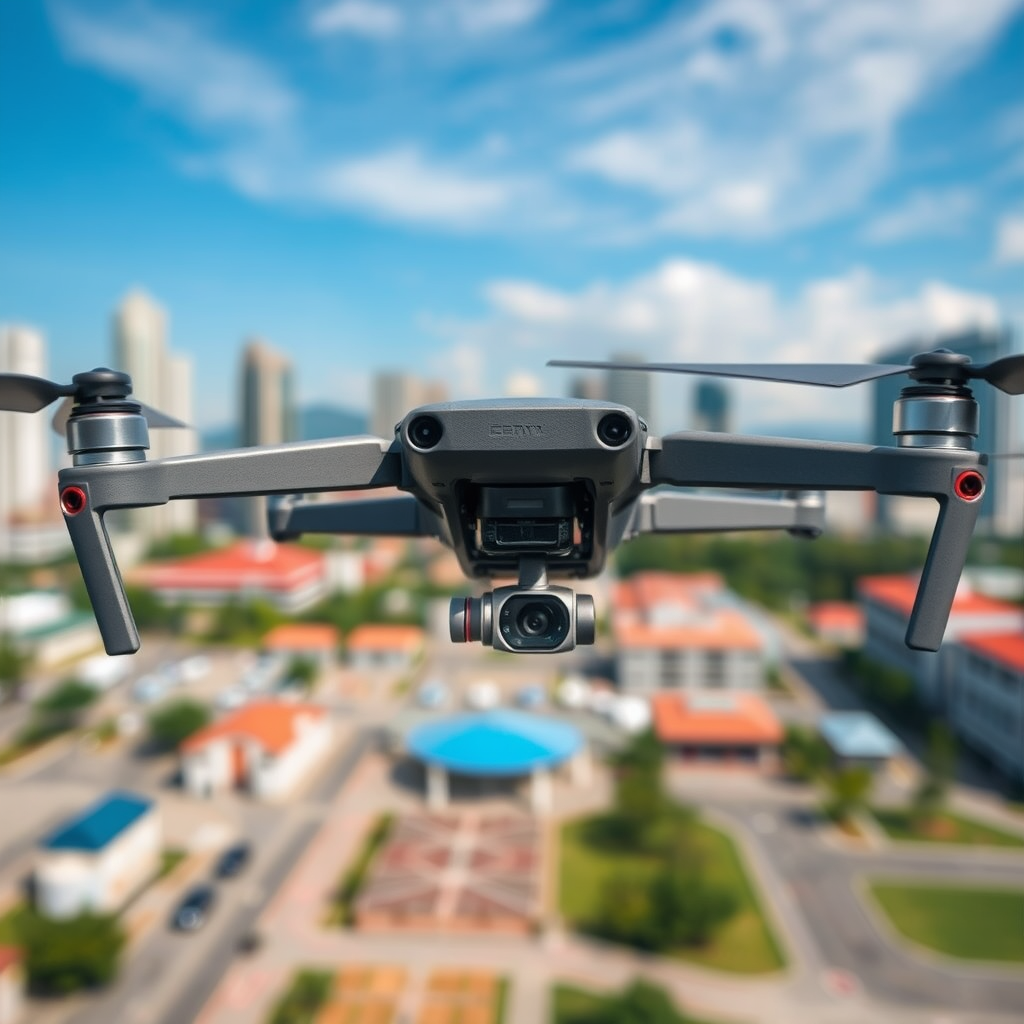
Malaysia’s Civil Aviation Authority (CAAM) is the governing body responsible for overseeing all matters related to civil aviation, including drone operations. The rapid rise in drone usage has prompted the CAAM to implement regulations designed to promote safety and accountability in the skies. It is essential for drone operators to familiarize themselves with these regulations, which differ based on whether the drone is being used recreationally or commercially.
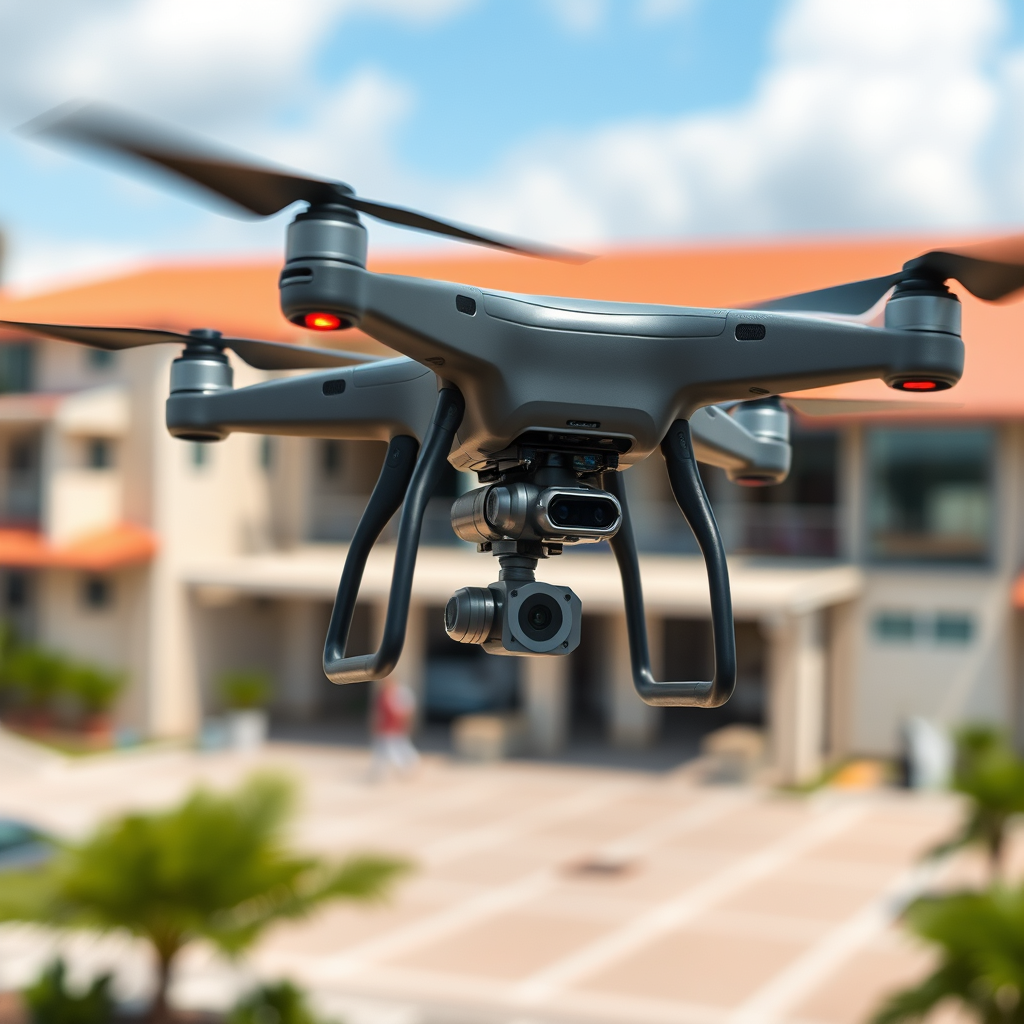
For recreational users, the CAAM has set more lenient guidelines, primarily focused on safety and community respect. Conversely, commercial operators face stricter regulations, given the potential for increased risk and liability. This distinction emphasizes the importance of understanding your intended use of the drone when navigating the legal landscape in Malaysia.
Registration Requirements
All drones weighing over 250 grams must be registered with the CAAM. This requirement is crucial not only for tracking and accountability but also for ensuring that drone pilots are aware of the regulations that apply to their operations. The registration process involves providing detailed information about the drone, including its make, model, and serial number.
For those using drones for commercial purposes, obtaining a permit is mandatory. This permit process often includes a comprehensive evaluation of the operator’s qualifications, intended use, and adherence to safety protocols. In essence, registration and permit acquisition serve to create a framework that enhances safety and accountability in drone operations.
No-Fly Zones
In Malaysia, certain areas are designated as no-fly zones due to safety concerns. These include locations near airports, military bases, and urban centers where drone activity may pose risks to people and property. Flying a drone in these restricted areas can lead to significant legal consequences, including fines and the confiscation of the drone.
To ensure compliance, drone operators should always check local maps and resources for updated no-fly zone information before embarking on a flight. CAAM provides online resources that help pilots stay informed about these restrictions, which can change based on various factors such as local events or security assessments.
Safety Guidelines for Drone Operation
Safety is paramount in drone operation, and adherence to established safety guidelines is crucial for all pilots. A key rule is to maintain a visual line of sight with your drone at all times. This aspect not only enhances safety but also allows the pilot to react quickly to any unforeseen circumstances.
Moreover, flying below 400 feet is essential to avoid conflicts with manned aircraft. This altitude restriction is designed to keep drones clear of air traffic, reducing the risk of mid-air collisions. Pilots should also be aware of weather conditions and avoid flying in adverse weather, such as high winds or poor visibility, which can compromise control over the drone.
Insurance and Liability
As drone usage continues to grow in popularity, the issue of liability becomes increasingly important. It is advisable for drone operators to consider obtaining insurance to cover potential damages or accidents. This insurance can protect against financial loss resulting from property damage or personal injury caused by drone operations.
For commercial operators, liability insurance is often a requirement. This insurance not only safeguards the operator but also provides peace of mind to clients and stakeholders who may be concerned about the risks associated with drone usage. Understanding the various types of insurance available can help drone pilots choose the best coverage for their specific needs.
Drone Usage for Photography and Filming
Drones have transformed the field of photography and filming, allowing for stunning aerial shots that were once only accessible through costly helicopter rentals or specialized equipment. However, special permissions may be required for aerial photography, particularly in populated areas or near sensitive sites.
Pilots must also respect privacy laws when capturing footage. In Malaysia, this means being aware that filming individuals without their consent, especially in private settings, can lead to legal consequences. It is essential to familiarize oneself with local privacy regulations and ensure that all necessary permissions are obtained before proceeding with any aerial photography projects.
Consequences of Non-Compliance
Failing to adhere to Malaysia’s drone regulations can result in serious consequences. Violations can lead to fines and penalties imposed by the CAAM, which can vary based on the severity of the infraction. In cases of serious violations, such as flying in restricted areas or causing harm to others, offenders may face criminal charges, which can have long-lasting implications for their personal and professional lives.
Additionally, non-compliance can result in the confiscation of the drone, which represents not just a financial loss but also a setback for those who rely on drones for their work or hobbies. Understanding the potential ramifications of non-compliance underscores the importance of following established regulations.
In conclusion, while flying a drone in Malaysia is permissible, it is essential to adhere to the established regulations and guidelines to ensure a safe and enjoyable experience. From understanding registration requirements and no-fly zones to adhering to safety protocols and respecting privacy laws, compliance is key to responsible drone operation. By staying informed about the latest rules and respecting the airspace and privacy of others, drone pilots can contribute to a safer environment for all.
Frequently Asked Questions
What are the regulations for flying drones in Malaysia?
In Malaysia, drone operations are regulated by the Civil Aviation Authority of Malaysia (CAAM). Operators must register their drones if they weigh more than 20 kg, and all drone flights must comply with specific guidelines, including maintaining a visual line of sight, flying below 120 meters (394 feet), and avoiding no-fly zones such as airports, military installations, and populated areas. It’s essential to familiarize yourself with the latest regulations before flying to ensure compliance and safety.
How do I apply for a drone license in Malaysia?
To operate a drone commercially in Malaysia, you must apply for a Remote Pilot License (RPL) through CAAM. The application process includes completing a training program, passing a written examination, and demonstrating practical flying skills. Additionally, you’ll need to submit necessary documents such as proof of identity and medical fitness. For recreational flying, a license is typically not required, but it’s advisable to follow basic safety guidelines and regulations.
Why are there restrictions on flying drones in certain areas of Malaysia?
Restrictions on flying drones in specific areas of Malaysia are primarily due to safety and security concerns. Areas like airports, military zones, and crowded urban locations are off-limits to prevent accidents and ensure the safety of manned aircraft and the public. These regulations help maintain order and protect sensitive locations, making it crucial for drone operators to check local regulations and no-fly zones before planning their flights.
What are the penalties for flying a drone illegally in Malaysia?
Flying a drone illegally in Malaysia can result in significant penalties, including fines and imprisonment. Depending on the severity of the violation, offenders may face fines ranging from RM 50,000 to RM 100,000, or even a jail term of up to three years. It’s vital for drone operators to understand and adhere to the laws to avoid legal repercussions and ensure safe drone operations.
Which drones are best for beginners in Malaysia?
For beginners in Malaysia, it’s advisable to start with user-friendly drones that offer stability and ease of control. Popular models include the DJI Mini SE and the Holy Stone HS720E, both known for their reliable performance, camera quality, and safety features. These drones typically come with GPS assistance and automated flight modes, making them ideal for new pilots to practice flying while enjoying the scenic beauty of Malaysia. Always ensure that your chosen drone complies with local regulations.
References
- https://www.mavcom.gov.my/en/faq/drone-flying-in-malaysia.html
- https://www.thebalancecareers.com/drone-laws-in-malaysia-5071997
- https://www.airspacemag.com/flight-today/drone-policies-around-world-180977564/
- https://www.faa.gov/uas/resources/policy_library/
- https://www.bbc.com/news/world-asia-45487800
