

Yes, you can fly a drone in Manhattan, but there are strict regulations and guidelines that you must follow. Understanding these rules is crucial to ensure a safe and legal flying experience in one of the busiest urban areas in the world. With the increasing popularity of drone technology, it is essential for pilots to be informed about the legal landscape that governs drone operations in New York City. This blog post will delve into the key regulations surrounding drone flight in Manhattan, including no-fly zones, necessary permits, safety guidelines, liability considerations, and tips for responsible flying.
Understanding Drone Regulations in New York City
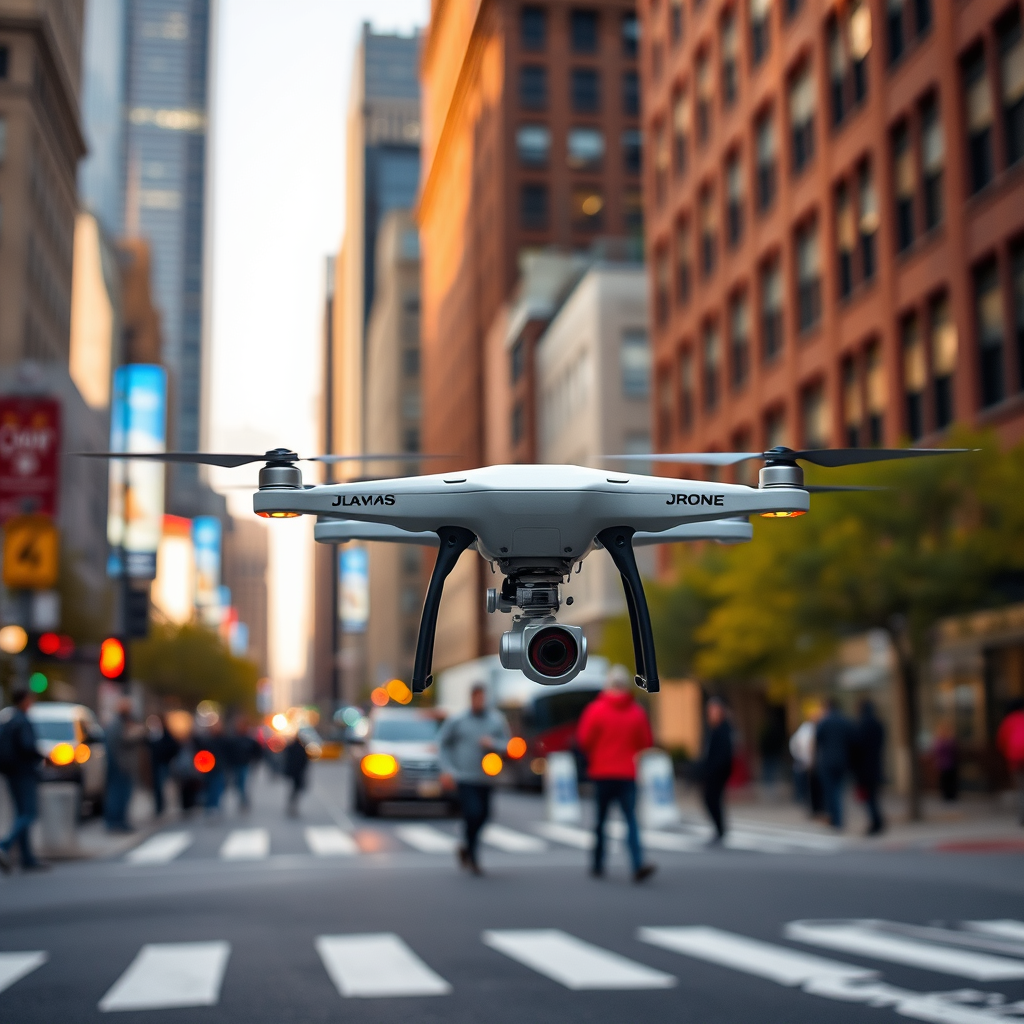
The Federal Aviation Administration (FAA) governs drone operations nationwide, including in New York City. As the primary regulatory body, the FAA has established rules that all drone pilots must adhere to, regardless of whether they are flying for recreational or commercial purposes. In addition to federal regulations, pilots must also comply with local laws and regulations specific to New York City, which can vary significantly from state to state and city to city.
In New York City, the NYC Department of Transportation has set forth additional regulations that must be followed. These rules are designed to protect public safety and maintain order in one of the most densely populated cities in the world. It is crucial for drone pilots to familiarize themselves with both FAA guidelines and local laws to avoid potential fines or penalties.
No-Fly Zones in Manhattan
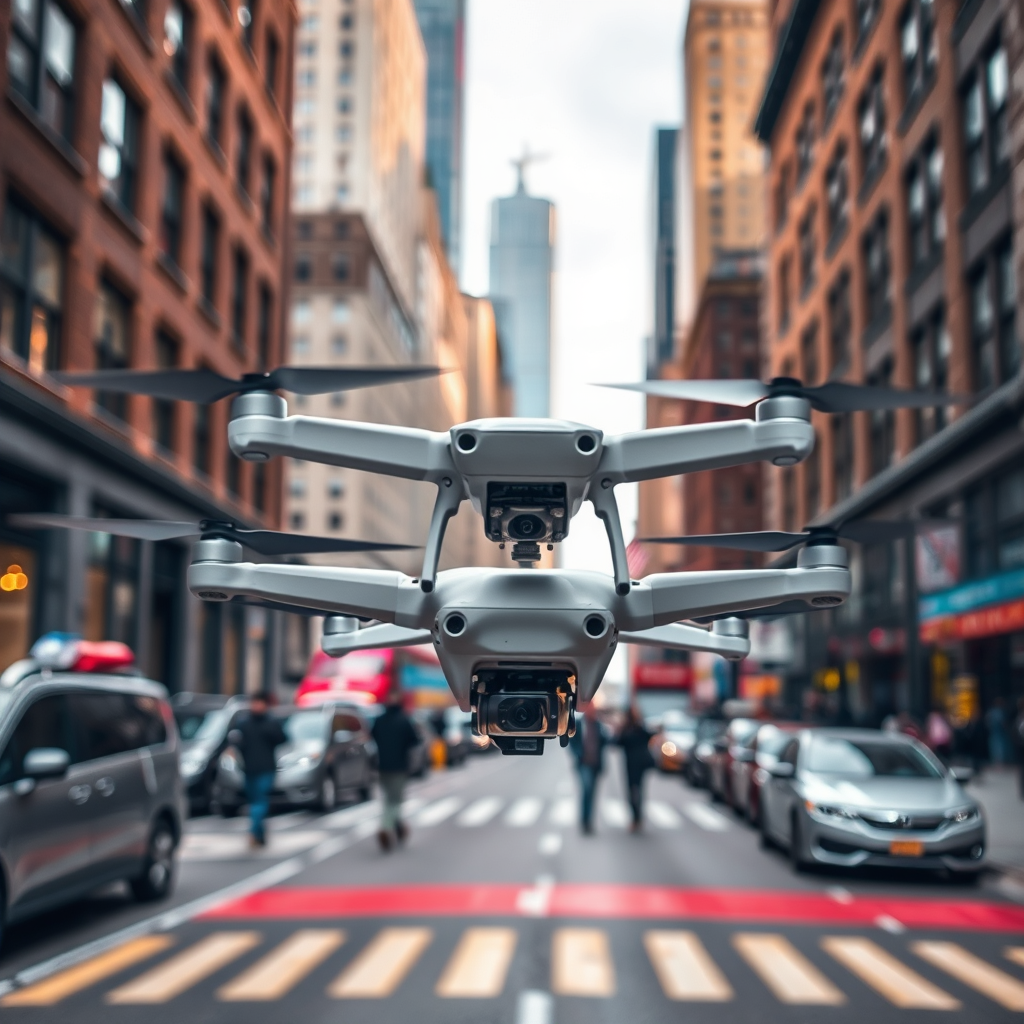
Certain areas in Manhattan are designated as no-fly zones, where drone flights are strictly prohibited. These areas include locations near airports, such as LaGuardia and John F. Kennedy International Airport, as well as sensitive government buildings, such as the United Nations Headquarters and other federal facilities. The FAA maintains a list of restricted zones, and it is the pilot’s responsibility to ensure that they are not operating their drone within these areas.
Moreover, parks and open spaces within Manhattan, such as Central Park and Battery Park, may have specific restrictions that affect drone usage. Local signage within these areas can provide updated information on any temporary flight restrictions, especially during events or emergencies. Pilots should always check for these signs before launching their drones.
Required Permits and Licenses
For those looking to fly drones in Manhattan, understanding the necessary permits and licenses is critical. Recreational flyers must register their drones with the FAA if the aircraft weighs more than 0.55 lbs. This registration process is straightforward and can be completed online. Once registered, pilots will receive a unique identification number that must be displayed on the drone.
For commercial operators, the requirements are more stringent. A Part 107 license is mandatory for anyone looking to use drones for business purposes, such as aerial photography, surveying, or inspections. Obtaining this license involves passing a knowledge test that covers various aspects of drone operations, including airspace regulations, weather, and safety procedures. Commercial pilots must also adhere to additional operational restrictions, such as maintaining a maximum altitude of 400 feet and avoiding flying at night unless specifically authorized.
Safety Guidelines for Flying Drones
Safety should always be the top priority when flying drones in Manhattan. Pilots are required to maintain a visual line of sight with their drones at all times, which means that flying beyond visual range is not permitted. This guideline helps in avoiding collisions with buildings, trees, and other obstacles that are prevalent in an urban environment.
Furthermore, it is advisable to avoid flying over people, vehicles, or private property without obtaining explicit permission. This not only protects the safety of individuals below but also reduces the risk of liability in case of an accident. Pilots should also be aware of their surroundings and avoid flying in adverse weather conditions, which can impair visibility and control of the drone.
Insurance and Liability Considerations
While drone insurance is not legally required, it is highly recommended for anyone flying in Manhattan. Given the potential risks associated with flying in densely populated areas, having insurance can protect pilots from liability in the event of accidents or damage caused by their drones. Insurance policies can cover various liabilities, including property damage and bodily injury, offering peace of mind to the pilot.
Additionally, understanding the potential risks is crucial for responsible drone operation. In urban settings, the likelihood of an incident occurring increases, and having the right coverage can mitigate the financial impact of such events. Pilots should research and compare various insurance options to find a policy that best suits their needs.
Tips for Responsible Drone Flying in Manhattan
To ensure a responsible and enjoyable drone flying experience in Manhattan, consider the following tips:
1. Choose Off-Peak Hours: Flying during off-peak hours can help minimize disruptions to pedestrians and traffic. Early mornings or late evenings are often less crowded, making it safer to operate your drone.
2. Stay Aware of Your Surroundings: Always be mindful of pedestrians, cyclists, and wildlife when flying. Maintaining situational awareness will help you avoid potential accidents and ensure a smooth flying experience.
3. Plan Your Flight Path: Before launching your drone, plan your flight path to avoid no-fly zones and areas with high pedestrian traffic. Using drone apps that provide real-time airspace information can aid in planning.
4. Respect Privacy: Be conscious of the privacy of others while flying. Avoid capturing images or videos of individuals without their consent, as this can lead to legal issues and potential conflict.
5. Engage with the Community: Joining local drone clubs or online forums can provide valuable insights and support from fellow drone enthusiasts. These communities can offer advice on navigating local regulations and share experiences that can enhance your flying skills.
In conclusion, flying a drone in Manhattan is feasible, but it necessitates adherence to various regulations and guidelines. By understanding the rules, obtaining the necessary permits, and following safety practices, you can enjoy a rewarding drone flying experience in this iconic city. Always stay informed and respect local laws to ensure responsible and lawful drone operation. With the right knowledge and preparation, you can safely navigate the skies above Manhattan and capture breathtaking aerial views of one of the world’s most vibrant urban landscapes.
Frequently Asked Questions
Can I legally fly a drone in Manhattan?
Flying a drone in Manhattan is subject to strict regulations. The Federal Aviation Administration (FAA) prohibits drone flights over populated areas, which includes most of Manhattan’s densely populated neighborhoods. Additionally, New York City has its own regulations that further restrict drone usage in public parks and certain areas, so it’s crucial to familiarize yourself with both FAA rules and local laws before attempting to fly a drone in the city.
What are the restrictions for flying a drone in New York City?
In New York City, drone pilots must adhere to several restrictions, including a ban on flying over people, moving vehicles, and crowded areas. Furthermore, the NYC Department of Transportation prohibits drone use in most parks without specific permission. It’s essential to check the NYC Parks Department website and the FAA’s drone zone map for up-to-date information on no-fly zones and other regulations specific to the area.
How can I get permission to fly a drone in Manhattan?
To obtain permission to fly a drone in Manhattan, you must apply for a waiver from the FAA for any operations that do not comply with standard regulations. Additionally, if you plan to fly in a specific park or public space, you may need to get a permit from the NYC Parks Department. Always ensure you have the necessary approvals before flying to avoid fines or penalties.
Why is it so difficult to fly a drone in urban areas like Manhattan?
Flying a drone in urban areas like Manhattan is challenging due to the high population density and the potential risks associated with flying a UAV (unmanned aerial vehicle) in crowded spaces. The FAA and local authorities prioritize public safety, which leads to stringent regulations designed to prevent accidents, protect privacy, and minimize noise disturbances. These challenges make it essential for drone operators to be well-informed about the legal landscape before attempting to fly.
What are the best places to fly a drone near Manhattan?
While flying a drone directly in Manhattan is heavily restricted, nearby locations such as Governors Island, Liberty State Park in New Jersey, or certain areas in Brooklyn may offer more favorable conditions for drone flights. These locations are often less populated and have designated areas that may allow drone usage, provided you adhere to local regulations. Always double-check for any specific rules or permits required for these areas before flying your drone.
