

Yes, you can fly a drone in Morocco, but there are specific regulations and guidelines that must be followed to ensure compliance with local laws. Understanding these rules is essential for both recreational and commercial drone operators. As the popularity of drone technology continues to rise, Morocco has implemented a structured framework to manage their use, ensuring safety and security while allowing enthusiasts and professionals to capture the stunning landscapes and vibrant culture.
Understanding Morocco’s Drone Regulations
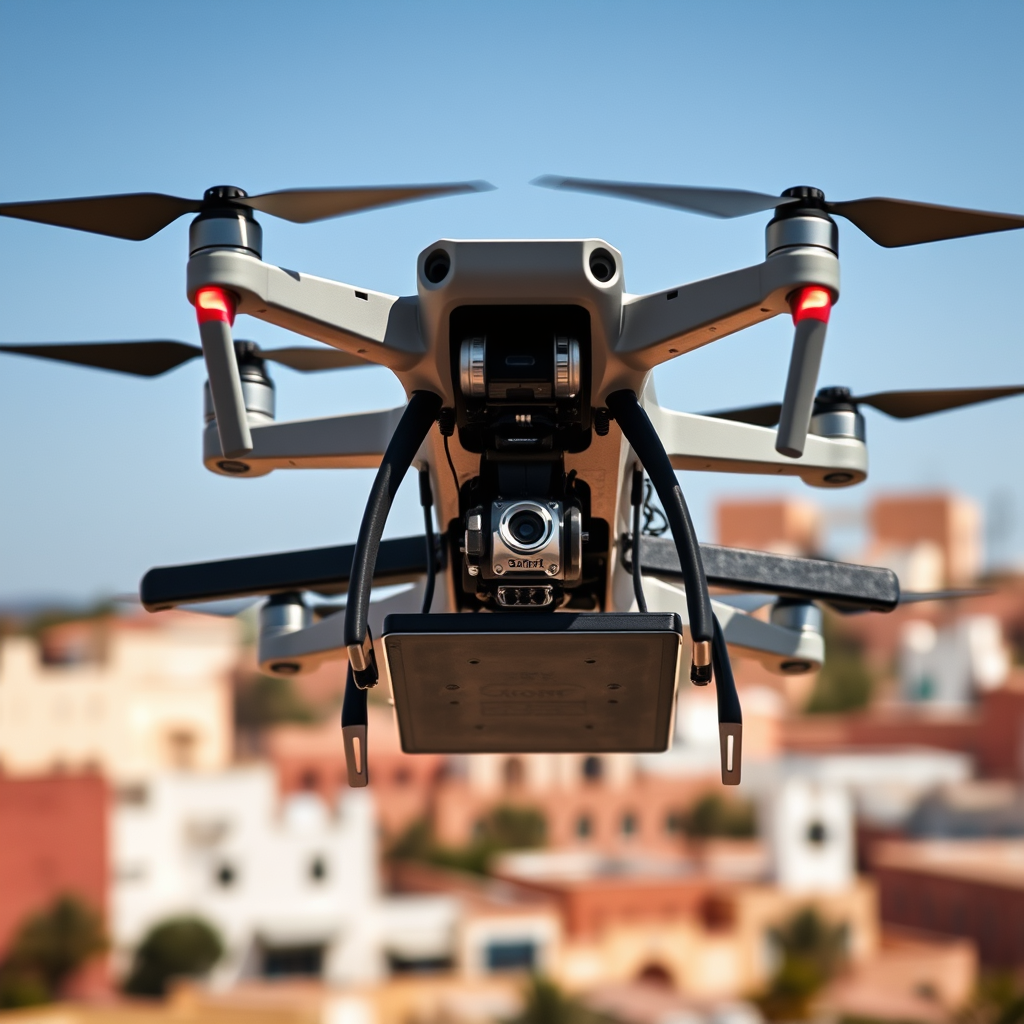
In Morocco, drones are classified as aircraft, placing them under the jurisdiction of aviation laws. This means that all drone pilots must adhere to regulations set forth by the Moroccan Civil Aviation Authority, known as ONDA (Office National des Aéroports). Before taking flight, it is mandatory for drone operators to obtain permission from ONDA, which includes submitting a formal request with details about the intended flight, purpose, and drone specifications.
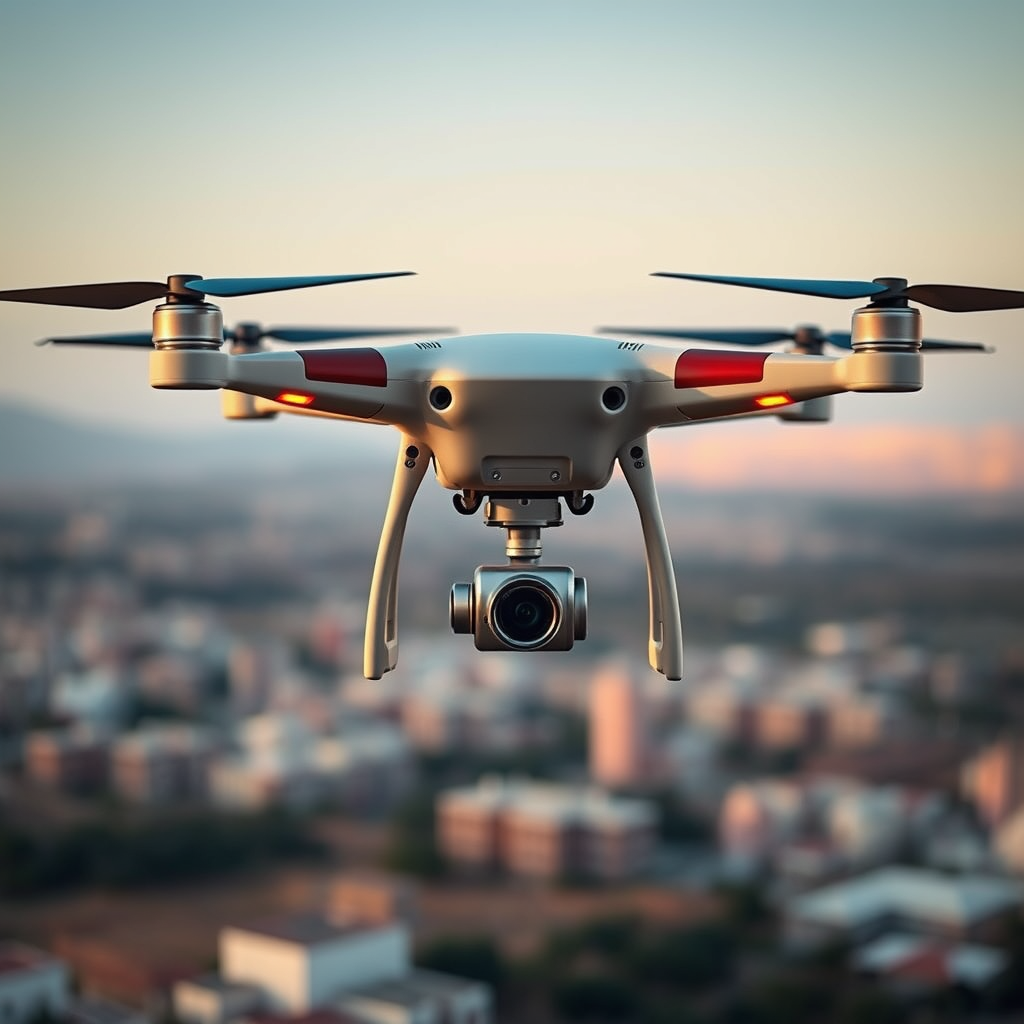
The regulations also stipulate that drones should not exceed a certain weight limit, typically 25 kilograms for commercial use. For recreational users, it is advisable to keep the drone under 2 kilograms to simplify the regulatory process. It is crucial to stay updated as these regulations can evolve, especially with the rapid advancements in drone technology.
Required Documentation for Drone Operation
When planning to fly a drone in Morocco, operators must be aware of the necessary documentation required for lawful operation. Depending on the drone’s weight and intended use, registration may be necessary. For drones weighing over 500 grams, registration with ONDA is often required. This includes providing technical specifications of the drone, proof of ownership, and a description of its intended use.
For commercial drone pilots, additional documentation may be needed, such as a copy of a pilot’s license or evidence of drone operation training. This not only establishes the pilot’s competency but also ensures compliance with safety standards. Given the rigorous requirements, aspiring commercial operators should consider undergoing formal training programs, which can enhance their skills and facilitate the permit application process.
No-Fly Zones and Restrictions
In Morocco, as in many countries, there are specific no-fly zones and restrictions that drone pilots must respect. Certain areas, such as military bases, government buildings, and populated urban centers, are strictly off-limits for drone flights. This is to ensure national security and the privacy of residents.
Pilots should always check for updated no-fly zones through official government resources or local flight maps. Additionally, many Moroccan cities, such as Marrakech and Casablanca, may have specific regulations regarding drone use in tourist hotspots. It is advisable to contact local authorities or use drone apps that provide real-time data on airspace restrictions.
Best Practices for Drone Pilots in Morocco
To ensure a safe and enjoyable flying experience in Morocco, drone pilots should adhere to best practices that promote responsible flying. One key guideline is to maintain a visual line of sight with the drone at all times. This not only enhances safety but also helps in avoiding unintended intrusions into restricted areas or private properties.
Respecting the privacy of individuals is another critical aspect of drone operation. Pilots should avoid flying over private property without explicit consent from the owner. This is particularly important in densely populated areas or near tourist attractions, where privacy concerns may arise. Additionally, being conscious of local customs and cultural sensitivities can enhance the overall flying experience and foster goodwill among the local population.
Tips for Traveling with Drones in Morocco
Traveling with a drone can be a rewarding experience, especially in a country as picturesque as Morocco. However, ensuring that your drone is packed securely and complies with airline regulations is paramount. Before traveling, check with your airline regarding their policies on transporting drones, including battery regulations which can differ widely among carriers.
It is also beneficial to familiarize yourself with local customs and etiquette regarding drone usage in various regions of Morocco. In rural or remote areas, locals may be more unfamiliar with drones, leading to curiosity or concerns. Engaging with the community, explaining your purpose, and seeking permission where appropriate can help mitigate any apprehensions.
Moreover, consider the weather conditions when planning your flights. Morocco’s diverse climate varies significantly by region, so understanding local weather patterns will assist in scheduling drone flights for optimal conditions.
Resources for Drone Operators in Morocco
For those looking to operate drones in Morocco, several resources can provide valuable insights and updates. The official website of the Moroccan Civil Aviation Authority (ONDA) is a primary source for current regulations, application processes, and safety guidelines.
Additionally, local drone communities and online forums can serve as excellent platforms for networking, sharing experiences, and learning from fellow drone enthusiasts. Joining a local drone club can offer support, resources, and opportunities to connect with other pilots who can share firsthand knowledge about the best flying locations and practices specific to Morocco.
Conclusion
In conclusion, while flying a drone in Morocco is indeed possible, it is crucial for operators to adhere to local laws and regulations to avoid legal complications. From understanding the necessary documentation to being aware of no-fly zones and best practices, thorough preparation is essential. By staying informed, respecting local customs, and engaging with the community, drone pilots can enjoy a rewarding experience capturing the breathtaking beauty of Morocco. Always prioritize safety and compliance to ensure that this innovative technology can be appreciated by all.
Frequently Asked Questions
Can you fly a drone in Morocco without permission?
No, flying a drone in Morocco without permission is illegal. The Moroccan government requires drone operators to obtain authorization from the Direction Générale de l’Aviation Civile (DGAC) before flying. This applies to both recreational and commercial users. It’s crucial to follow these regulations to avoid fines or confiscation of your drone.
What are the specific regulations for flying drones in Morocco?
In Morocco, drone regulations include restrictions on flying in urban areas, near airports, and over crowds. Operators must keep their drones within visual line of sight and under 120 meters (400 feet) in altitude. Additionally, drones must be registered, and users may need to provide a copy of their operator’s license and insurance when applying for permission.
How do I obtain a drone flying permit in Morocco?
To obtain a drone flying permit in Morocco, you need to apply to the Direction Générale de l’Aviation Civile (DGAC). The application typically requires details about your drone, its intended use, and a risk assessment of your flight plan. It’s advised to submit your application at least several weeks in advance to ensure you have ample time for approval.
Why is it important to follow drone regulations in Morocco?
Following drone regulations in Morocco is essential for several reasons. Firstly, it ensures safety by preventing accidents and conflicts with manned aircraft. Secondly, adhering to the laws protects the privacy of individuals and cultural sites, which is particularly important in a country rich in history. Violating these regulations can lead to heavy fines, legal action, and damage to Morocco’s reputation as a tourist destination.
Which areas in Morocco are restricted for drone flying?
In Morocco, restricted areas for drone flying include major cities like Marrakech and Casablanca, military zones, and regions near airports. Additionally, flying over specific cultural landmarks, such as the Hassan II Mosque in Casablanca or the Medina of Marrakech, may also be prohibited. Always check for local restrictions and obtain the necessary permissions to ensure a lawful and enjoyable flying experience.
References
- https://www.gov.ma/en/official-drone-regulations-morocco
- https://www.wired.com/story/drone-regulations-around-the-world/
- https://www.bbc.com/news/world-africa-50765782
- https://www.faa.gov/uas/resources/publications/
- https://www.dronepilotgroundschool.com/drone-laws-by-country/
- https://www.aviation.gov.ma/en/faq/drone-usage-in-morocco
- https://www.theguardian.com/world/2021/nov/12/morocco-drone-regulations
- https://www.unoosa.org/oosa/en/ourwork/spacelaw/nationalspacelaw/morocco.html
