
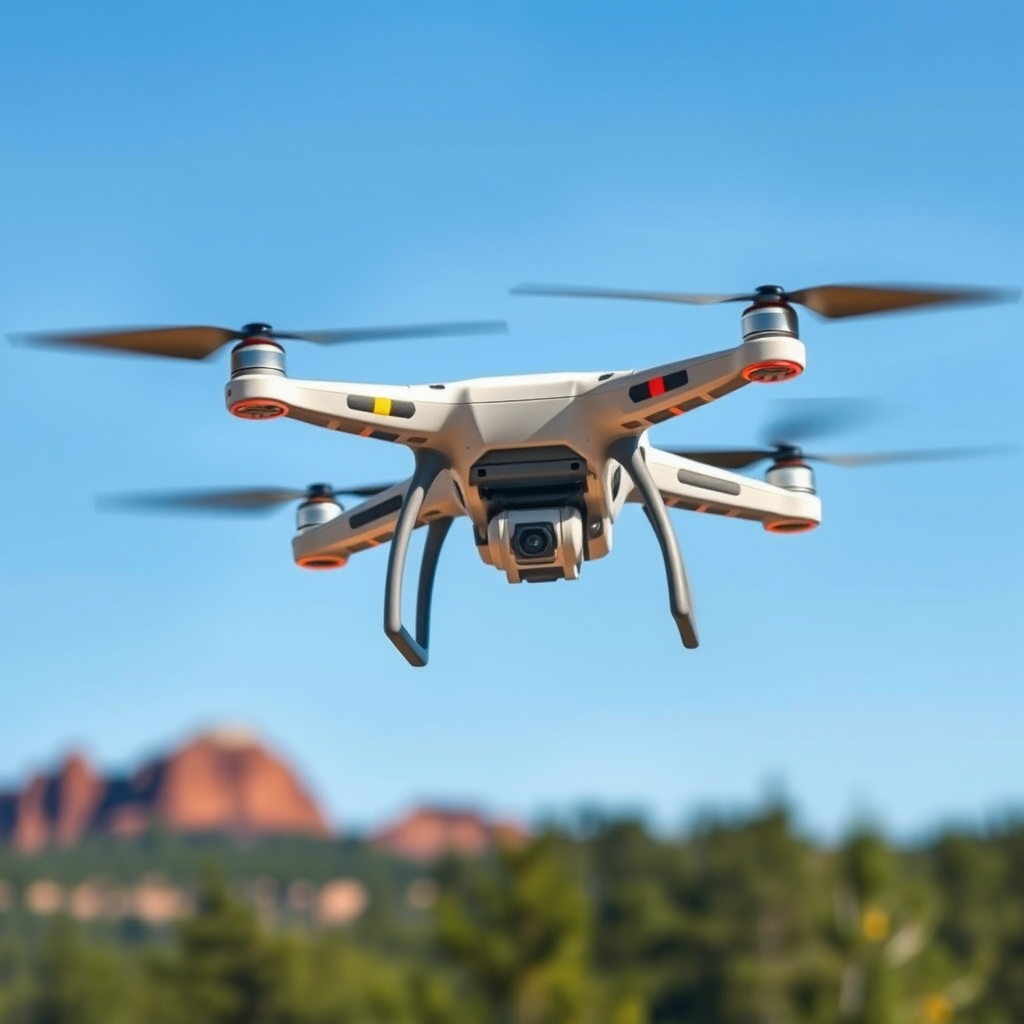
You cannot fly a drone in national parks, as it is strictly prohibited under federal regulations. This ban is in place to protect wildlife, preserve natural landscapes, and ensure visitors can enjoy nature without disturbances. Understanding the rules surrounding drone use in these areas is crucial for any drone enthusiast who wishes to capture stunning landscapes while respecting the environment.
Understanding the Regulations
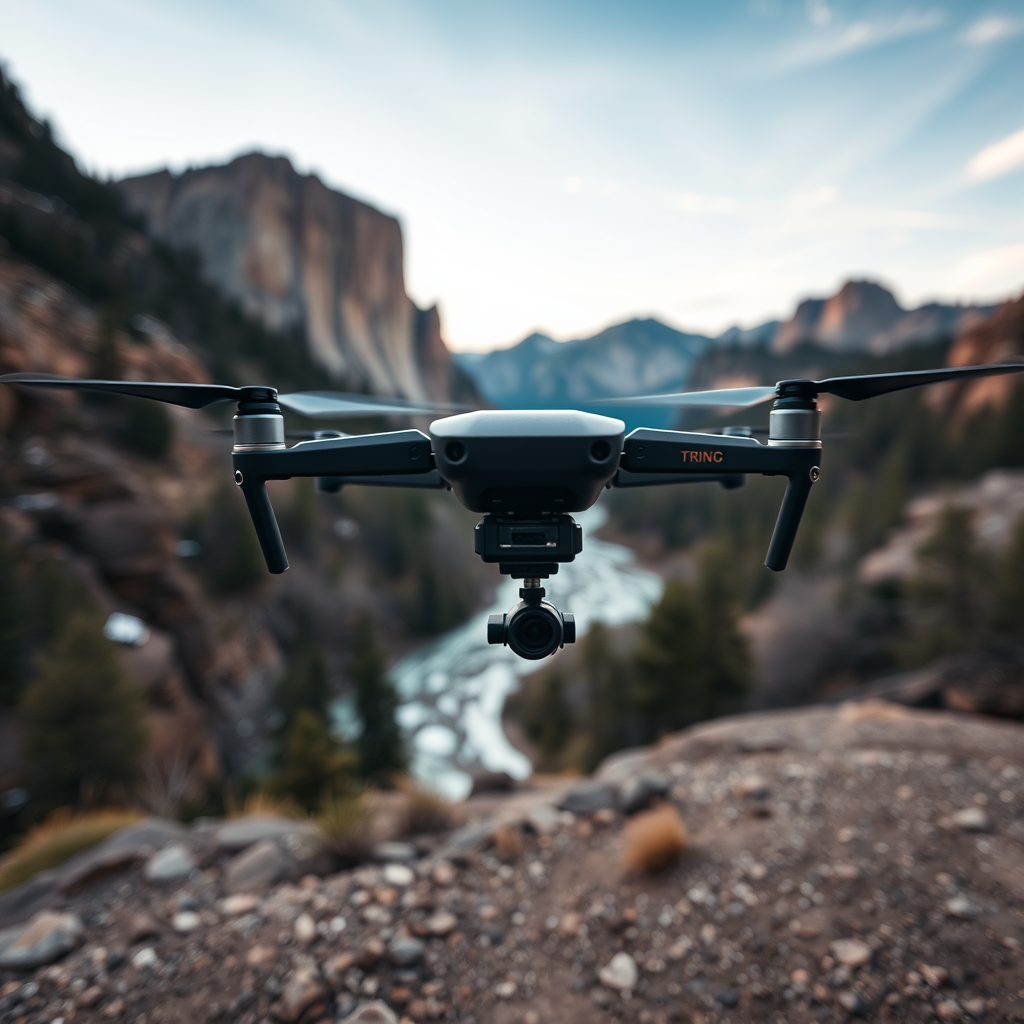
Drones are classified as aircraft under federal law, thereby subjecting them to strict aviation regulations that govern their operation. The Federal Aviation Administration (FAA) has established guidelines that apply nationwide, but when it comes to national parks, the regulations become even more stringent. The National Park Service (NPS) has implemented a blanket ban on drone use across all national parks to maintain the integrity of these protected areas. This means that regardless of the purpose—be it recreational, commercial, or educational—flying a drone within park boundaries is not permitted.
For those interested in operating drones, it is essential to familiarize yourself with the NPS regulations. This includes understanding the specific laws that apply to federal lands, which often differ from state or local drone regulations. The NPS is committed to preserving the natural and cultural resources of the parks, and as such, any unauthorized usage of drones can lead to penalties.
Reasons for the Ban
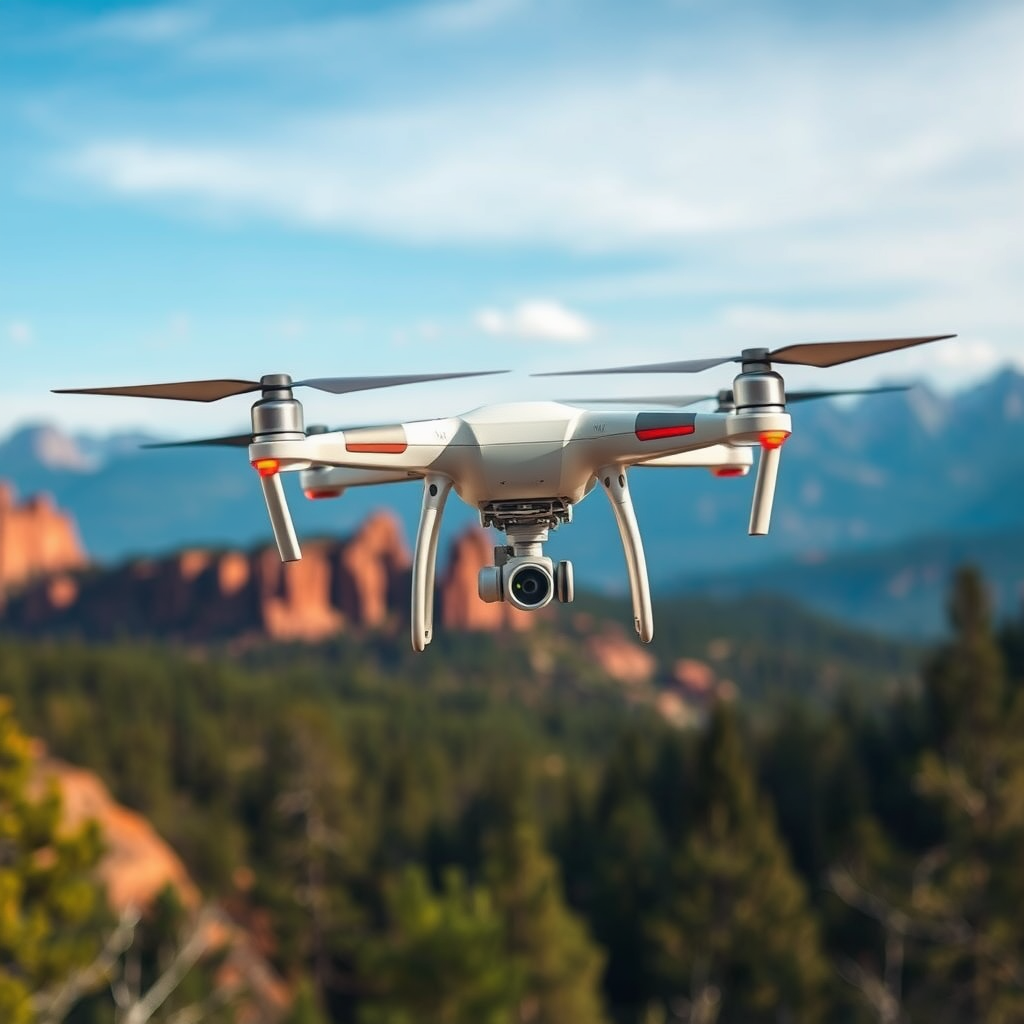
One of the primary reasons for the ban on drone usage in national parks is wildlife protection. Drones can disturb animals, disrupt their natural behaviors, and lead to potential harm. For instance, the noise generated by drones can cause stress for various wildlife species, particularly during breeding seasons or when animals are nurturing their young. The presence of drones can also interfere with migration patterns, feeding habits, and nesting activities, ultimately harming fragile ecosystems.
Another significant factor contributing to the prohibition of drones is the impact on visitor experience. National parks are designed to provide a tranquil and immersive experience in nature, allowing visitors to connect with the environment. The noise and visual intrusion of drones can detract from the peaceful experience expected in these natural settings. Many visitors seek to escape the busyness of urban life, and the presence of drones can create an atmosphere that is contrary to this desire. The NPS aims to ensure that all visitors can enjoy the serenity and beauty of the parks without the disruptions that drone activity may cause.
Exceptions to the Rules
While the general rule prohibits drone use in national parks, there are limited exceptions to this policy. Certain special permits may be available for specific purposes, such as research or film production. However, obtaining these permits is a rigorous process that requires a clear justification for the use of a drone in a national park setting.
For instance, researchers studying wildlife behavior may apply for a permit to use drones as a non-invasive method for observation. Similarly, filmmakers seeking to capture aerial footage may be granted a permit if their project aligns with the educational or conservation goals of the park. It is vital for anyone considering this route to check with the local park management to see if there are any unique regulations or exemptions that apply to their situation. Contacting the NPS well in advance of any planned activity can provide clarity and ensure compliance with all necessary regulations.
Alternatives to Drones in National Parks
For photography enthusiasts and nature lovers eager to capture the stunning landscapes of national parks, there are several alternatives to using drones that comply with park regulations. One effective method is to utilize handheld cameras or smartphones, which can still produce high-quality images without infringing on park rules. Many modern smartphones have advanced camera capabilities, allowing for impressive photography that captures the beauty of the natural environment.
Additionally, consider exploring designated areas outside national parks where drone flying is permitted. Many local parks, nature reserves, and open spaces allow drone usage, providing ample opportunities for aerial photography while adhering to legal guidelines. Before flying, it is crucial to familiarize yourself with specific regulations in these areas to ensure compliance. Engaging with drone flying communities online can also provide valuable insights and recommendations for suitable locations.
Consequences of Illegal Drone Use
Violating drone regulations in national parks can lead to significant consequences. Fines for unauthorized drone activity can be steep, ranging from hundreds to thousands of dollars, depending on the nature of the violation. For example, individuals caught flying drones without permission may face fines that vary by state and specific park policies.
Furthermore, continued disregard for these laws can lead to more serious legal repercussions, including potential criminal charges. In some cases, offenders may be banned from accessing national parks altogether. These consequences highlight the importance of respecting the rules and regulations put in place to protect these precious environments and the experiences of all visitors.
How to Stay Informed
To stay updated on drone regulations in national parks, regularly check the National Park Service website for updates. The NPS provides comprehensive information regarding current policies, changes in regulations, and any upcoming events that may affect drone usage. Additionally, following local news sources or park bulletins can provide timely updates and insights into specific park policies.
Engaging with online forums or social media groups dedicated to drone enthusiasts can also be beneficial. Many experienced drone pilots share their knowledge and experiences regarding regulations, best practices, and alternative locations for drone flying. Staying informed is key to ensuring a respectful and enjoyable outdoor experience while adhering to the laws of the land.
In summary, flying a drone in national parks is not allowed, primarily for conservation and visitor experience reasons. Understanding the regulations, recognizing the rationale behind the ban, and exploring alternative methods for capturing nature’s beauty are essential for any drone enthusiast. If you’re passionate about aerial photography, consider alternative methods or locations where drone use is permitted, and always stay informed about regulations to ensure a respectful and enjoyable outdoor experience.
Frequently Asked Questions
Can you fly a drone in national parks?
No, flying a drone in national parks is generally prohibited. The National Park Service (NPS) has regulations in place that ban the use of unmanned aircraft systems (UAS) to protect wildlife, preserve the natural landscape, and ensure visitor safety. If you’re planning to fly a drone, consider checking local regulations or nearby areas outside of park boundaries where drone usage may be permitted.
What are the penalties for flying a drone in a national park?
Penalties for flying a drone in a national park can be severe, including fines ranging from $500 up to $5,000, depending on the violation. In some cases, offenders may also face criminal charges, which can lead to a permanent ban from national parks. It’s essential to be aware of these consequences and respect the regulations to avoid legal trouble.
Why are drones banned in national parks?
Drones are banned in national parks primarily to protect wildlife and their habitats, minimize noise pollution, and maintain the natural beauty of these protected areas. The presence of drones can disturb animals, disrupt their breeding patterns, and detract from the authentic experience that visitors seek when exploring nature. Additionally, the regulations help ensure the safety of park visitors and preserve the integrity of the park environment.
How can I enjoy photography in national parks without a drone?
You can enjoy photography in national parks using traditional camera equipment such as DSLR or mirrorless cameras, tripods, and telephoto lenses. Many parks feature stunning viewpoints and hiking trails that provide excellent opportunities for capturing breathtaking landscapes and wildlife shots. Additionally, consider using techniques such as long exposure photography or panoramic shots to enhance your images without the need for a drone.
Which national parks allow drone usage, and what are the rules?
While most national parks prohibit drone usage, some areas may permit drone flying under specific conditions. National Forests and some state parks often have more lenient regulations compared to national parks. Always check the local regulations before flying, as rules can vary widely; for example, some parks may allow drones in designated areas or with special permits. It’s crucial to always follow FAA regulations and park-specific guidelines to ensure a safe and legal flying experience.
References
- https://www.nps.gov/subjects/drones/index.htm
- https://www.faa.gov/uas/getting_started/fly_in_national_parks
- https://www.nationalparks.org/explore-parks/what-you-need-know-flying-drone-national-parks
- https://www.usgs.gov/mission-areas/science-communication/science-briefs/drones-and-national-parks
- https://www.wildlife.org/drones-and-wildlife-management-in-national-parks/
- https://www.nytimes.com/2021/06/30/us/drone-national-parks.html
- https://www.theguardian.com/environment/2022/jul/21/us-national-parks-drones-regulation
