

Yes, you can fly a drone in Pigeon Forge, TN, but there are specific regulations and guidelines you must follow. As a popular tourist destination, Pigeon Forge has a mix of natural beauty and urban development, making it essential for drone operators to understand local laws as well as federal regulations set forth by the Federal Aviation Administration (FAA). By complying with these rules, you can enjoy a safe and responsible flying experience while capturing breathtaking aerial views of this stunning area.
Understanding the Legal Framework
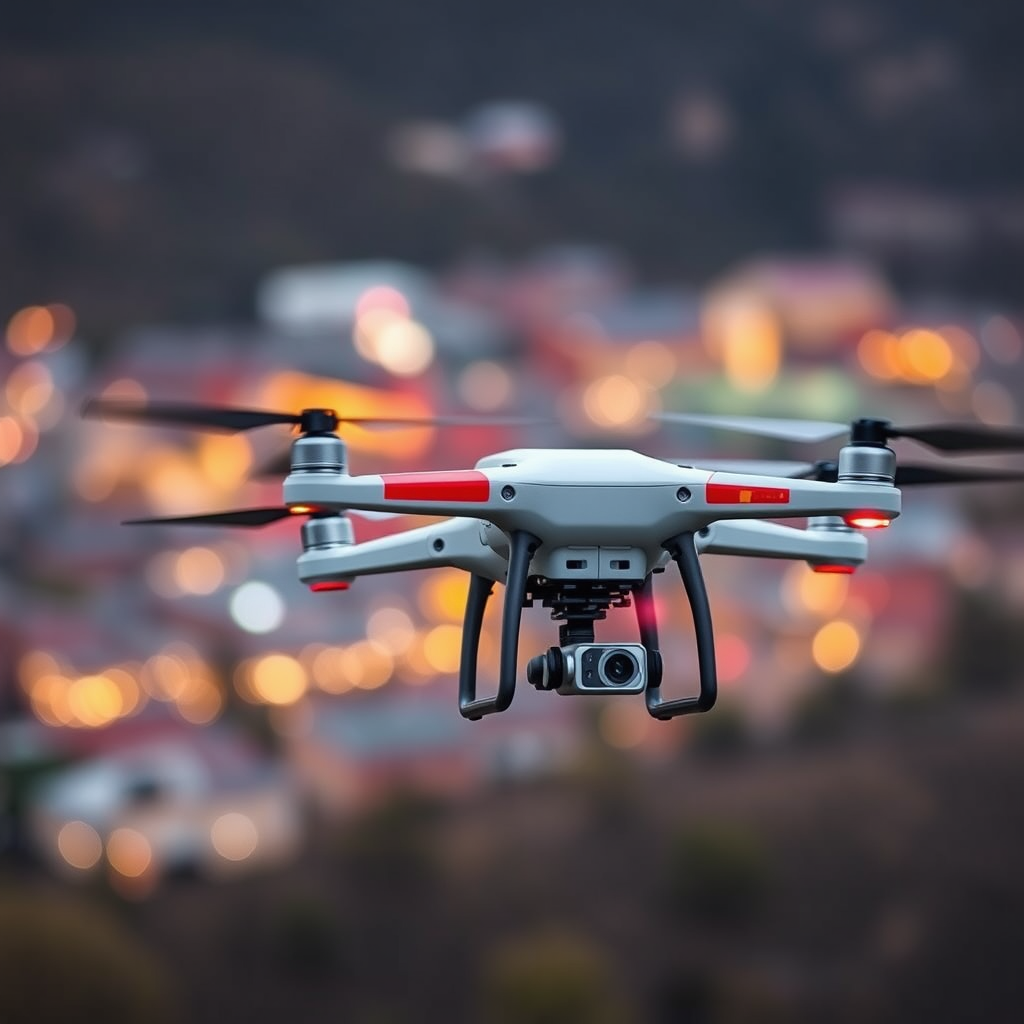
To fly a drone legally in Pigeon Forge, it’s crucial to familiarize yourself with the FAA regulations. The FAA requires all drone operators to adhere to Part 107 regulations if the drone weighs more than 0.55 pounds (250 grams). This includes registering your drone, ensuring it is marked with the registration number, and following operational guidelines such as maintaining a maximum altitude of 400 feet and avoiding restricted airspace. Additionally, drone pilots must keep their drones within visual line of sight and avoid flying over people without appropriate waivers.
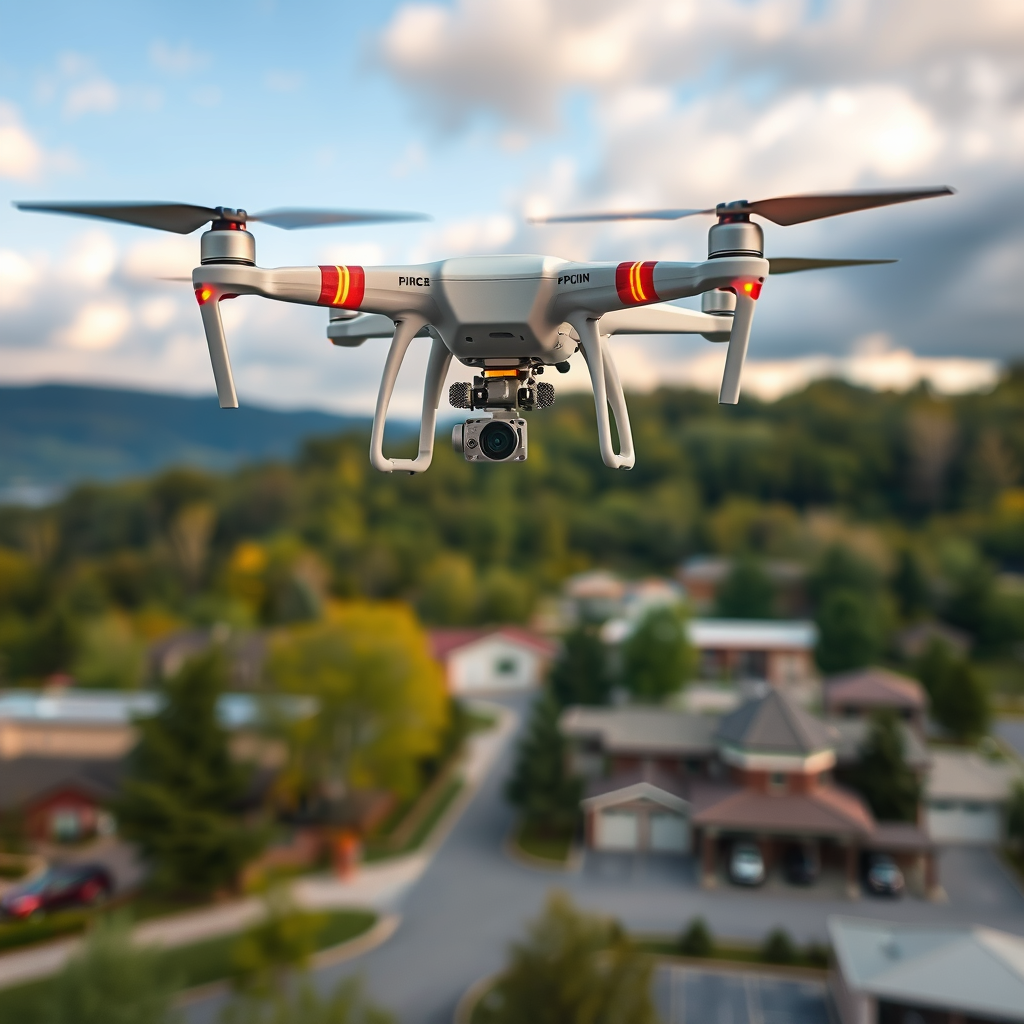
In Pigeon Forge, local laws may further regulate drone use. Some city ordinances may prohibit flying drones in certain areas, especially near residential neighborhoods, schools, and parks. Always check the Pigeon Forge city government website or local news sources for the most up-to-date information on drone laws specific to the area.
Where to Fly Drones in Pigeon Forge
Finding the right location to fly your drone in Pigeon Forge can enhance your experience significantly. Designated parks and open areas are often the best options. For instance, the Pigeon Forge Community Center and the nearby Patriot Park allow drone flying under certain conditions. These locations offer ample space and scenic backdrops for capturing stunning aerial footage.
However, it’s important to be aware of popular tourist spots where flying might be restricted. For example, areas around the Great Smoky Mountains National Park have specific limitations due to wildlife conservation efforts and the preservation of natural habitats. Always conduct thorough research before heading out to fly, and consider reaching out to local drone enthusiasts who may have insights into the best locations.
Safety Guidelines for Flying Drones
Safety should always be a top priority when flying drones. One of the most important guidelines is to maintain a visual line of sight with your drone at all times. This means keeping your drone within your line of sight without the use of binoculars or other visual aids. This practice not only helps you control the drone more effectively but also reduces the risk of collisions with other aircraft or obstacles.
Additionally, avoid flying near crowds, gatherings, or sensitive areas such as schools and hospitals. Respecting the privacy and safety of others is paramount. It is advisable to refrain from flying during events where large crowds gather, such as festivals or concerts, to minimize any potential disturbances or risks.
No-Fly Zones and Restricted Areas
Identifying no-fly zones and restricted areas is essential for responsible drone operation. In Pigeon Forge, certain areas are completely off-limits, particularly near airports where air traffic is dense. The nearest airport, McGhee Tyson Airport, has a 5-mile radius that is restricted for drone flying.
Moreover, wildlife reserves and certain federal lands, such as portions of the Great Smoky Mountains National Park, often prohibit drone use to protect the environment and wildlife. To stay informed about temporary flight restrictions due to events or emergencies, consider utilizing drone apps like AirMap or B4UFLY, which provide real-time information on no-fly zones and airspace conditions.
Best Practices for Responsible Drone Use
Adhering to best practices for responsible drone use not only promotes safety but also fosters a positive relationship with local communities. One key practice is to respect people’s privacy—this means not filming or photographing individuals without their consent. In addition, when flying in public spaces, be courteous to other airspace users, including manned aircraft, and follow the “fly friendly” code.
Furthermore, it’s essential to be aware of noise regulations. Drones can be noisy, and excessive noise can disturb wildlife and local residents. Opt for quieter drones when possible and be mindful of your surroundings, especially in residential areas. This consideration can help maintain goodwill and ensure that drone flying remains a welcomed activity in the community.
Registration and Certification Requirements
Before taking to the skies, it’s critical to understand the registration and certification requirements for your drone. If your drone weighs over 0.55 pounds, you are required to register it with the FAA, which involves paying a small fee and providing information about the drone. Once registered, your drone must display the registration number.
If you plan to fly your drone for commercial purposes—such as photography or surveying—you will need to obtain a Part 107 certification. This certification involves passing a knowledge test that covers topics such as airspace classification, weather effects, and drone operation regulations. Completing this certification not only ensures compliance with federal laws but also enhances your skills and knowledge as a drone operator.
In conclusion, while you can fly a drone in Pigeon Forge, TN, it’s crucial to remain informed about the relevant laws and guidelines. Familiarize yourself with FAA regulations and local ordinances, choose appropriate flying locations, and prioritize safety and respect for others. By following these practices, you can ensure a positive flying experience while enjoying the breathtaking scenery that Pigeon Forge has to offer. Happy flying!
Frequently Asked Questions
Can you legally fly a drone in Pigeon Forge, TN?
Yes, you can legally fly a drone in Pigeon Forge, TN, but you must adhere to local, state, and federal regulations. Ensure you follow the FAA guidelines, which include flying below 400 feet, keeping your drone within visual line-of-sight, and avoiding restricted airspace, particularly around airports and national parks. Additionally, local ordinances may impose specific restrictions, so it’s wise to check with the city or county regulations before flying.
What are the restrictions for flying drones in Pigeon Forge?
In Pigeon Forge, drone pilots must abide by FAA regulations, which involve maintaining a distance from people and property, not flying over crowds, and avoiding emergency response efforts. Furthermore, certain areas, like the Great Smoky Mountains National Park, have strict no-fly zones. To ensure compliance, always check for any local ordinances or park regulations that may impact your ability to fly your drone safely.
How can I find designated drone flying areas in Pigeon Forge?
To locate designated drone flying areas in Pigeon Forge, you can use online resources such as the FAA’s B4UFLY app, which provides information on airspace restrictions and safe flying zones. Additionally, local drone clubs and online forums may highlight popular spots for recreational flying. Engaging with local drone enthusiasts is a great way to learn about specific areas that are drone-friendly and to connect with the community.
Why is it important to follow drone regulations in Pigeon Forge?
Following drone regulations in Pigeon Forge is crucial for ensuring safety and respect for privacy. Non-compliance can lead to serious legal consequences, including fines or confiscation of your equipment. Moreover, adhering to regulations helps prevent accidents and protects the rights of others, allowing everyone to enjoy the beauty of Pigeon Forge without disruption.
What is the best time to fly a drone in Pigeon Forge, TN?
The best time to fly a drone in Pigeon Forge, TN, is during early morning or late afternoon when the winds are typically calmer, and the lighting conditions are ideal for photography and videography. Additionally, flying during these times can help you avoid crowds, which is essential for complying with FAA regulations. Always check weather conditions before your flight to ensure a safe and enjoyable drone-flying experience.
References
- https://www.faa.gov/uas/getting_started/registration
- https://www.faa.gov/uas/where_to_fly/
- https://www.tn.gov/tntrafficsafety/what-we-do/traffic-safety-initiatives/drone-safety.html
- https://www.wbir.com/article/news/local/pigeon-forge-drone-law/51-6e0e1273-9d1b-4d04-b73b-e5e91c03d3f2
- https://www.pigeonforge.com/about-pigeon-forge/faq/
- https://www.nps.gov/grsm/planyourvisit/drone-use.htm
- https://www.townofpigeonforge.com/government/departments/planning-and-development/drone-regulations/
