

Yes, you can fly a drone in Seattle, but there are specific regulations and guidelines you must follow to ensure safety and compliance. Seattle, renowned for its scenic landscapes and urban beauty, offers ample opportunities for drone enthusiasts. However, to responsibly enjoy flying in this vibrant city, it’s essential to understand both federal and local drone laws, safety practices, and suitable flying locations. This article will explore the rules, best practices, and locations suitable for drone flying in Seattle.
Understanding Local Regulations
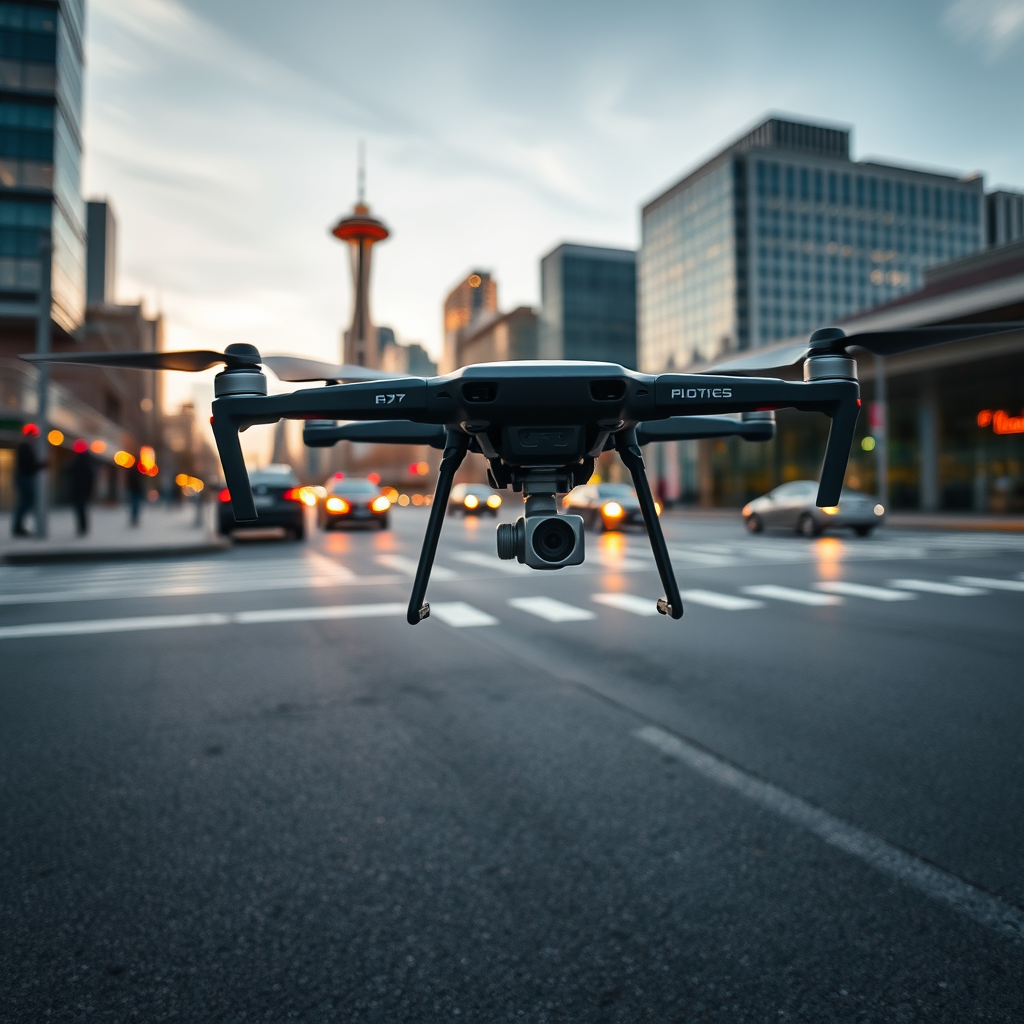
Seattle has specific laws regarding drone usage governed by both the Federal Aviation Administration (FAA) and local authorities. The city adheres to regulations aimed at ensuring public safety and privacy. One of the primary requirements is that pilots must register their drones if they weigh over 0.55 pounds. Registration is a straightforward process that can be completed online through the FAA’s website, where pilots provide details about their drone and pay a nominal fee.
Additionally, Seattle has adopted its own set of regulations that may impose further restrictions beyond federal laws. For instance, flying drones in city parks might require special permissions or adherence to specific operational guidelines. It is advisable for drone operators to familiarize themselves with both the FAA regulations and any local laws specific to Seattle to avoid fines or penalties.
FAA Rules and Requirements
To operate a drone legally, it’s crucial to familiarize yourself with the FAA’s Part 107 regulations, especially if you are engaged in commercial drone operations. Part 107 outlines a comprehensive framework for drone pilots, including certification requirements, operational limitations, and safety protocols. For instance, commercial pilots must obtain a Remote Pilot Certificate through a written test that assesses their understanding of airspace classifications, weather, and drone safety.
For recreational users, the FAA has set forth guidelines that include maintaining a maximum altitude of 400 feet, ensuring the drone remains within the pilot’s visual line of sight, and avoiding flying over people. Additionally, recreational flyers must pass an online safety test and adhere to the “community-based guidelines” to ensure safe practices. Understanding these regulations is vital for anyone wishing to fly drones in Seattle, as non-compliance can lead to serious legal consequences.
No-Fly Zones in Seattle
In Seattle, there are specific areas where drone flying is prohibited, primarily for safety and security reasons. Key no-fly zones include locations near airports, such as Seattle-Tacoma International Airport (SEA) and Boeing Field, as well as military bases like Joint Base Lewis-McChord. Moreover, certain parks, especially those that host large gatherings or events, may also restrict drone operations.
It’s essential for drone pilots to stay informed about temporary flight restrictions (TFRs) that may arise due to events or emergencies, such as air shows or natural disasters. Utilizing tools like the FAA’s UAS Data Delivery System or mobile apps designed for drone pilots can help you check real-time airspace conditions and avoid restricted areas.
Best Practices for Safe Flying
To ensure a safe and enjoyable flying experience, drone pilots should adopt best practices before taking to the skies. Conducting a thorough pre-flight check is crucial; this includes inspecting battery levels, checking for firmware updates, and verifying that all components are functioning correctly. Ensuring that your drone is in good working condition reduces the risk of accidents and enhances flight performance.
Another essential practice is maintaining a visual line of sight with your drone at all times while flying. This rule not only complies with FAA regulations but also allows you to maintain control and awareness of your surroundings. Additionally, being mindful of weather conditions, such as wind speed and visibility, can significantly impact flight safety. By adhering to these best practices, you can enhance the safety of your operations and minimize risks associated with flying drones.
Recommended Flying Locations
Seattle boasts several picturesque locations perfect for drone flying, especially for those seeking to capture stunning aerial views. Popular spots include open parks like Gas Works Park and Magnuson Park, which offer ample space and scenic backdrops. Gas Works Park, with its panoramic views of Lake Union and the Seattle skyline, provides a unique opportunity for breathtaking photography and videography.
Magnuson Park, on the other hand, features expansive fields and waterfront areas, allowing for diverse flight environments. However, drone pilots should always be mindful of crowds and wildlife to avoid disturbances. Additionally, it’s courteous to maintain a respectful distance from people and animals while flying. Researching and selecting appropriate locations not only enhances your flying experience but also promotes responsible drone use within the community.
Insurance and Liability Considerations
Considering the potential risks associated with drone flying, it’s wise to explore insurance options to cover potential damages or accidents. Drone insurance can protect you against liability claims, property damage, or personal injury that may arise during flight operations. Various insurance providers offer policies tailored specifically for drone operators, enabling you to choose coverage that aligns with your flying activities, whether recreational or commercial.
Understanding your liability as a drone operator is also essential. Liability can vary significantly based on your usage; for instance, commercial operators may face different legal implications than recreational users. Consulting with legal experts or insurance professionals can provide clarity on your responsibilities and help ensure that you are adequately covered in case of an incident.
Community Resources and Support
Engaging with local drone enthusiast groups can be an invaluable resource for both novice and experienced pilots. These communities often share tips, organize meet-ups, and provide a platform for discussing shared experiences and challenges associated with flying drones in Seattle. Joining organizations such as the Academy of Model Aeronautics (AMA) can also grant access to resources and insurance benefits, further enhancing your flying experience.
Additionally, online forums and social media groups dedicated to drone flying can help you stay updated on regulations, best practices, and local events. Leveraging these resources fosters a sense of community and encourages responsible drone use, promoting a positive image of drone pilots in the Seattle area.
In summary, while flying a drone in Seattle is permissible, it is crucial to adhere to both federal and local regulations to ensure safe and responsible flying. Familiarizing yourself with the guidelines, selecting suitable locations, and connecting with fellow enthusiasts can enhance your drone-flying experience while promoting safety and compliance. By following the outlined recommendations, you can enjoy the beauty of Seattle from above while respecting the rules and the community.
Frequently Asked Questions
What are the rules for flying a drone in Seattle?
Flying a drone in Seattle is subject to both federal and local regulations. According to the Federal Aviation Administration (FAA), drone operators must register their drones if they weigh more than 0.55 pounds and follow guidelines such as flying below 400 feet, keeping the drone within visual line of sight, and avoiding flying over people. Additionally, Seattle has specific restrictions, such as no flying in city parks, near schools, or over public events without a special permit.
How can I get permission to fly a drone in Seattle?
To fly a drone in Seattle, you may need to obtain permission depending on your intended use. If you’re flying for commercial purposes, you must have a Part 107 certificate from the FAA, which requires passing an aeronautical knowledge test. For recreational use, as long as you adhere to the FAA guidelines, you typically don’t need special permission, but check local laws for any additional requirements or no-fly zones.
Why are there restrictions on drone flying in Seattle?
Restrictions on drone flying in Seattle exist primarily to ensure public safety and privacy. With densely populated areas and numerous public events, the risk of accidents and disturbances is significant. Local regulations also aim to protect wildlife in natural areas and preserve the tranquility of parks. These rules help maintain a balance between the enjoyment of drone flying and the safety and rights of residents.
What are the best locations to fly a drone in Seattle?
The best locations to fly a drone in Seattle include areas that are away from dense populations and restricted zones, such as certain open spaces and parks that permit drone use. Popular spots include Lake Washington, the open fields at Magnuson Park, and parts of the Snoqualmie National Forest. Always check local regulations and ensure you are not flying in restricted airspace or near sensitive areas.
Which drone flying apps can help me navigate the regulations in Seattle?
Several drone flying apps can assist you in navigating the regulations in Seattle, including AirMap, UAV Forecast, and B4UFLY. These apps provide real-time information about airspace restrictions, weather conditions, and no-fly zones, making it easier to plan your flights legally and safely. Utilizing these tools can enhance your flying experience and help you remain compliant with both FAA and local laws.
References
- https://www.faa.gov/uas/getting_started/registration
- https://www.seattle.gov/transportation/projects-and-programs/programs/drone-program
- https://www.seattle.gov/CityArchives/Your-Community/Drone-Policy
- https://www.wsdot.wa.gov/Travel/Drone-Use-in-Washington
- https://www.nolo.com/legal-encyclopedia/drone-laws-washington-29852.html
- https://www.abcnews.go.com/US/faa-issues-drone-flying-guidelines/story?id=62429506
