

Yes, you can fly a drone in Sedona, Arizona, but there are specific regulations and guidelines to follow. This stunning region, renowned for its breathtaking red rock formations and vibrant landscapes, both invites drone enthusiasts and mandates responsible flying practices. To ensure a safe and enjoyable experience while capturing the beauty of Sedona, it is essential to understand the local laws and adhere to established flight protocols.
Understanding Local Regulations
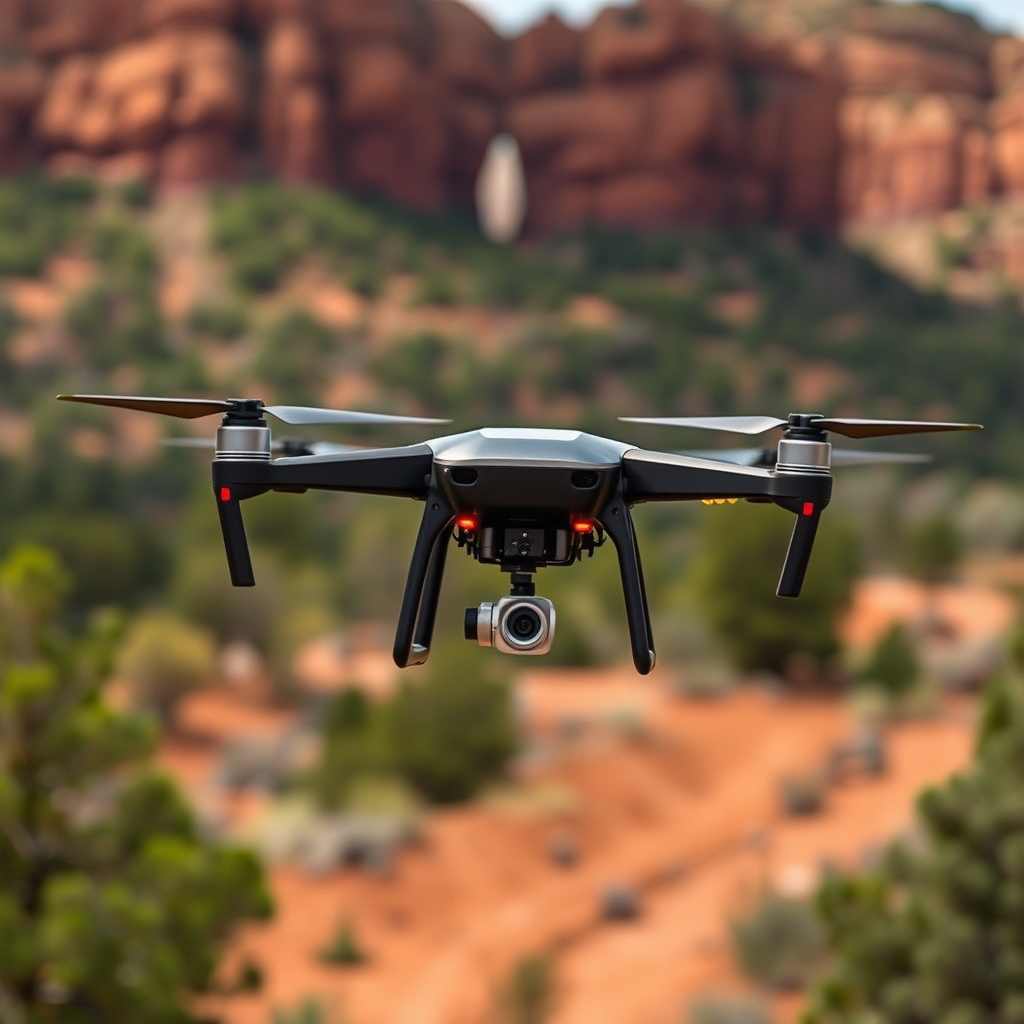
In Sedona, drone pilots must navigate a complex landscape of local and federal regulations. The Federal Aviation Administration (FAA) governs all airspace in the United States, which includes Sedona. This means that drone operators must comply with FAA regulations, such as registering their drones if they weigh more than 0.55 pounds and adhering to altitude limits of 400 feet above ground level.
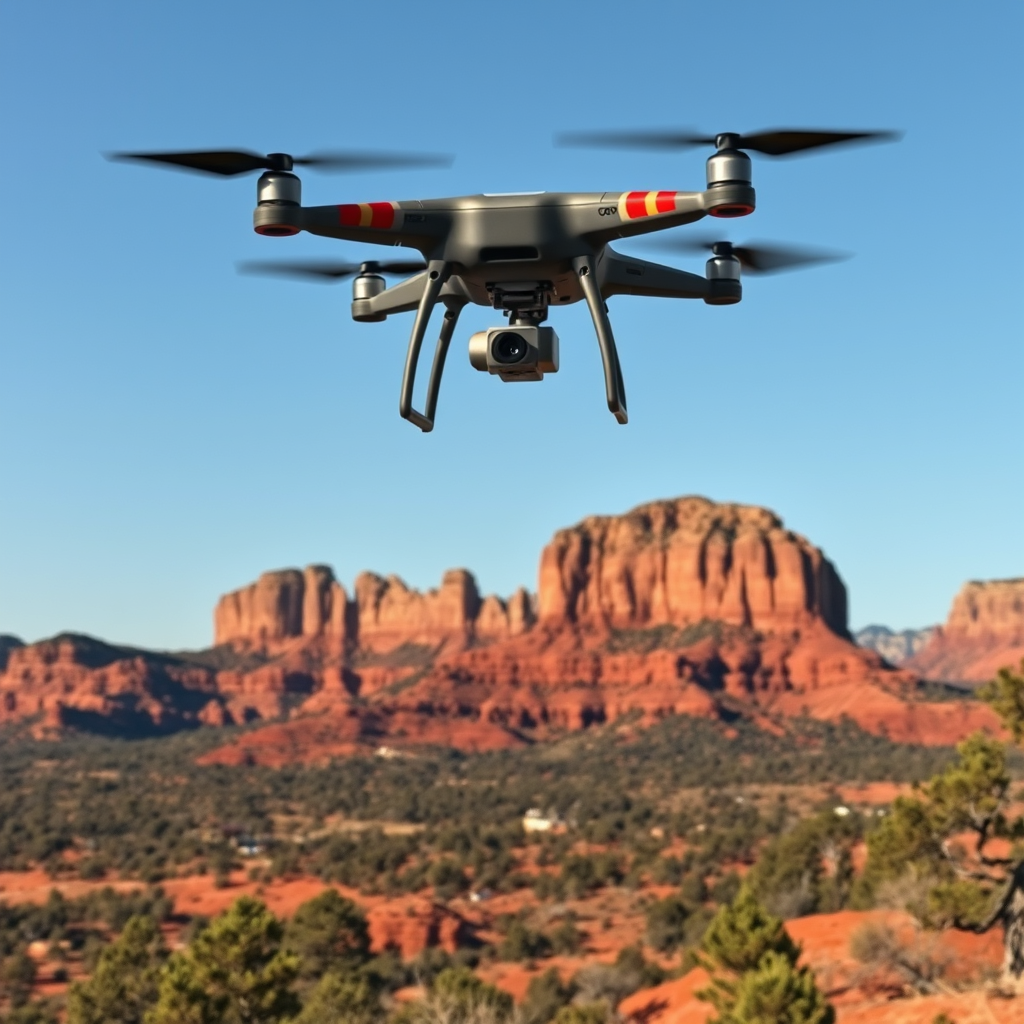
Local municipalities also impose their own set of rules. In Sedona, certain areas are specifically designated for drone flying, while others are off-limits. For instance, flying drones in city parks, residential neighborhoods, or near the airport can lead to significant penalties. To get the most accurate and up-to-date information, it is advisable to consult the Sedona city website or contact local authorities before planning a drone flight.
Best Places to Fly Drones
Sedona offers several breathtaking locations for drone enthusiasts to explore. The Coconino National Forest is one of the most popular spots, featuring expansive landscapes and stunning vistas that provide a perfect backdrop for aerial photography. The forest comprises over 1.8 million acres, so there is ample space to fly responsibly while enjoying the natural beauty.
Another excellent location is Red Rock State Park, where the iconic red rock formations create striking contrasts against the greenery. When flying in these areas, always remain aware of any temporary flight restrictions or no-fly zones, especially during specific seasons or events, such as fire bans or wildlife mating seasons.
Before heading out, check online resources like the FAA’s UAS Facility Maps to understand the airspace classification of your intended site. This will help ensure you are flying in legally permissible areas, avoiding potential fines or conflicts with other airspace users.
Drone Safety Guidelines
Safety should be a top priority for all drone operators, especially in places like Sedona, where wildlife and people are abundant. To fly safely, maintain visual line-of-sight with your drone at all times, which means keeping the aircraft within your direct line of sight without the aid of binoculars or other visual enhancement devices.
Furthermore, avoid flying near large crowds, wildlife, and private property without prior permission. Sedona is home to diverse wildlife, and operators should be mindful not to disturb animals, particularly during nesting or mating seasons. Adhering to these guidelines not only promotes safety but also respects the local environment and community.
Lastly, be aware of the weather conditions before flying. Wind, rain, and other elements can significantly affect your drone’s performance and stability. Always conduct a pre-flight check to ensure your equipment is in good working order and suitable for the expected conditions.
Photography and Filming Restrictions
While Sedona’s landscapes are ideal for photography and video, commercial drone use comes with additional legal considerations. If you plan to use your drone for commercial purposes, such as real estate photography or promotional videos, you may need to obtain specific permits from the FAA and local authorities.
Additionally, certain protected areas, such as those managed by the U.S. Forest Service or other environmental agencies, may have restrictions that limit drone usage for photography and filming. Always research these areas beforehand and familiarize yourself with any regulations that may apply. Being respectful of these restrictions not only ensures compliance but also supports conservation efforts in the region.
Common Mistakes to Avoid
One of the most common mistakes made by drone operators is failing to check local regulations before flying. This oversight can result in significant fines or even the confiscation of equipment. Always take the time to research local laws and airspace classifications before attempting to fly.
Another frequent error is disregarding weather conditions. Windy or rainy days can severely impact your drone’s operation, leading to accidents or loss of control. Always check the weather forecast and choose optimal flying conditions to ensure a safe and successful experience.
Additionally, neglecting to perform pre-flight checks of your drone can lead to malfunctions during flight. Always inspect your drone’s battery life, propellers, and camera settings to optimize performance and avoid in-flight issues.
Resources for Drone Pilots
For those looking to enhance their drone flying experience in Sedona, utilizing local resources can be incredibly beneficial. Joining a local drone club can provide valuable insights, opportunities for collaboration, and a platform for sharing experiences with other drone enthusiasts. These clubs often host meetups and events, fostering a sense of community and camaraderie among pilots.
Online forums and websites dedicated to drone flying can also be excellent resources. Websites like the FAA’s official page provide comprehensive information regarding regulations, airspace maps, and safety guidelines. Additionally, local government pages often have specific information regarding drone laws in Sedona, helping you stay informed about any changes that may arise.
In conclusion, flying a drone in Sedona, Arizona is a thrilling opportunity to capture the stunning landscapes of this unique region. However, it is imperative to adhere to local and federal regulations, prioritize safety, and respect the environment while doing so. By staying informed about the best places to fly and following established guidelines, drone enthusiasts can enjoy an enriching experience that highlights the beauty of Sedona. Always conduct thorough research and prepare adequately before taking to the skies, ensuring a memorable and responsible flying adventure.
Frequently Asked Questions
Can you fly a drone in Sedona, Arizona?
Yes, you can fly a drone in Sedona, Arizona, but there are specific regulations that you must follow. Sedona is known for its stunning landscapes and red rock formations, but it’s important to respect local laws and guidelines. Make sure to check for any restricted areas, such as those near national parks, and always follow FAA regulations for drone operation.
What are the drone regulations in Sedona, Arizona?
The drone regulations in Sedona are governed by both federal FAA rules and local city ordinances. Drones must be flown below 400 feet, and operators should avoid flying over people or moving vehicles. Additionally, specific areas, like the Red Rock Ranger District, may have restrictions, so it’s essential to check local regulations before your flight.
How can I find the best locations to fly my drone in Sedona?
To find the best locations to fly your drone in Sedona, consider researching popular drone-friendly spots through online forums, social media groups, and drone mapping applications. Popular areas include the stunning landscapes of Bell Rock and Cathedral Rock, but always ensure you have permission and are compliant with local rules. Watching for other drone enthusiasts’ recommendations can also provide valuable insights into the best locations.
Why is it important to follow drone laws in Sedona?
Following drone laws in Sedona is crucial for several reasons. Firstly, non-compliance can result in hefty fines or even confiscation of your drone. Secondly, adhering to regulations protects wildlife, preserves the natural beauty of the area, and ensures the safety of other visitors. Lastly, respecting local laws helps maintain a positive relationship between drone users and the local community.
Which permits do I need to fly a drone commercially in Sedona?
If you plan to fly a drone commercially in Sedona, you need to obtain a Remote Pilot Certificate from the FAA, which involves passing an aeronautical knowledge test. Additionally, you may need to secure specific permits or permissions from local authorities, especially if you plan to operate in sensitive areas such as parks or nature reserves. Always check the local regulations and ensure compliance to avoid any legal issues.
References
- https://www.faa.gov/uas/getting_started/where_to_fly
- https://www.nps.gov/redw/planyourvisit/drone-use.htm
- https://www.sedonaaz.gov/government/departments/planning/drone-regulations
- https://www.azgfd.com/hunting/faq/drone-use/
- https://www.sedonagov.com/Community/News/Drone-Information-and-Regulations
- https://www.sedonaaz.gov/home/showdocument?id=43344
- https://www.wildlife.state.nm.us/education/drone-use-in-wildlife-management/
