
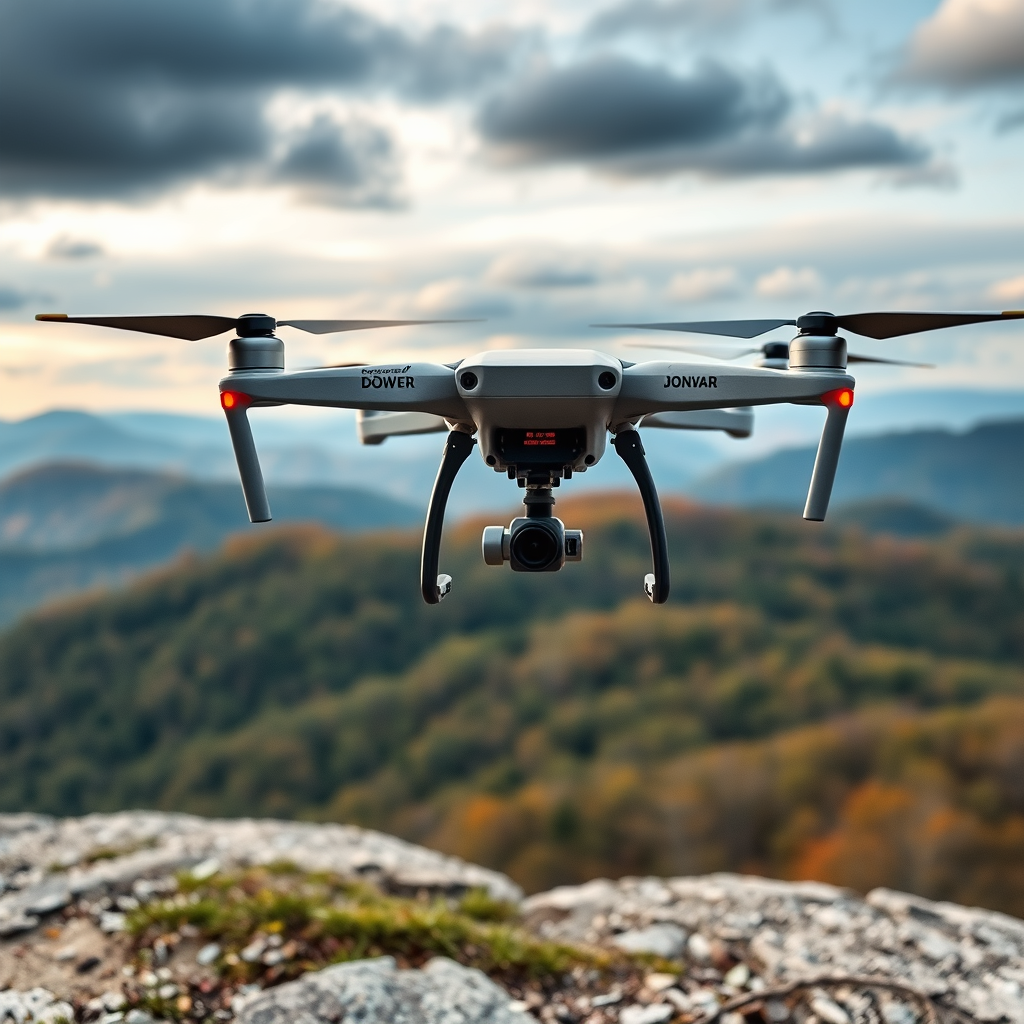
Yes, you can fly a drone in Shenandoah National Park, but there are strict regulations and guidelines you must follow to ensure the safety of wildlife and visitors. The National Park Service (NPS) generally prohibits drone usage within national parks to protect the natural environment and provide an unobstructed experience for all visitors. However, with the right permits and adherence to specific regulations, drone enthusiasts can still capture breathtaking aerial views of this stunning park.
Overview of Drone Regulations
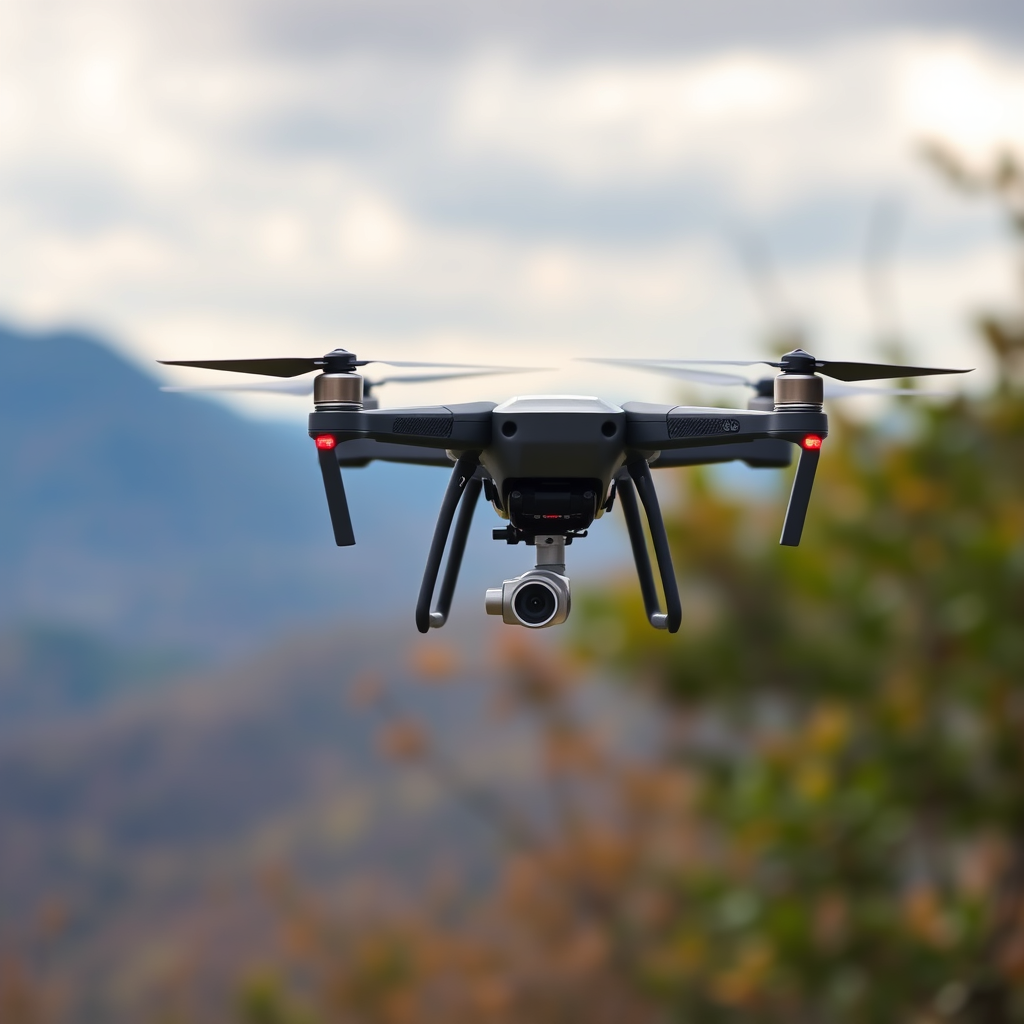
In national parks across the United States, including Shenandoah National Park, drone regulations are primarily designed to maintain the integrity of the natural landscape and the safety of both wildlife and visitors. The NPS has established a clear policy that prohibits the use of unmanned aircraft systems (UAS) in most areas of all national parks. This regulation is in place to minimize disturbances to wildlife, prevent conflicts between visitors, and preserve the serene environment that parks are known for.
For certain activities, such as scientific research, search and rescue operations, or commercial filming, special permits may be required. These permits ensure that drone use is carried out responsibly, with a focus on minimizing any potential negative impacts on the park’s ecosystem. Therefore, it is essential for anyone considering flying a drone in Shenandoah National Park to fully understand and comply with these regulations.
Areas Where Drones Are Allowed
While the overarching rule is that drones are generally prohibited, there may be designated areas or specific situations in Shenandoah National Park where drone flying could be permitted. For instance, certain remote sections of the park may allow drone activities, particularly if they are not disrupting wildlife or other visitors. It’s crucial to conduct thorough research before planning your drone flight, as regulations can change frequently due to environmental considerations or park management policies.
Visitors are encouraged to check the official National Park Service website or contact the park’s visitor center for the most current information on where drone flying might be permitted. Understanding these nuances is vital for responsible drone usage in sensitive environments such as national parks.
Necessary Permits and Approvals
If you plan to operate a drone for commercial purposes in Shenandoah National Park, obtaining a special use permit is mandatory. This permit process includes submitting an application that outlines the intended use of the drone, the specific locations where it will be flown, and how you plan to mitigate any potential impacts on the park’s resources. The review process can take time, so it’s advisable to apply well in advance of your planned activity.
For private recreational users, a permit is not typically required unless the drone usage falls outside standard recreational guidelines or if it interferes with park operations or wildlife. However, even recreational users must adhere to the park’s rules and respect the natural environment. It is always advisable to familiarize yourself with both the NPS regulations and any additional local laws regarding drone usage prior to your visit.
Safety Guidelines for Flying Drones
Safety is paramount when flying drones in any environment, especially in a national park like Shenandoah, which is home to diverse wildlife and has many visitors. Here are essential safety guidelines to follow:
1. Maintain a Safe Distance from Wildlife: Drones can disturb animals, potentially leading to stress or abandonment. It is crucial to maintain a safe distance from wildlife, especially during sensitive times such as breeding or nesting seasons. Keeping at least 1,500 feet away from wildlife is a general best practice.
2. Keep Your Drone in Visual Line-of-Sight: Operators must always maintain visual contact with their drone, ensuring it is not flown beyond what can be seen without the aid of binoculars or other visual enhancements. This practice helps in avoiding collisions and maintaining control over the drone.
3. Respect Other Visitors: Flying a drone in crowded areas can be disruptive. Always be considerate of other park visitors, ensuring that drone operations do not interfere with their enjoyment of the park.
4. Adhere to Altitude Limits: The Federal Aviation Administration (FAA) has established altitude limits for drone flights, generally at 400 feet above ground level. Staying within these limits helps to prevent conflicts with manned aircraft and enhances safety.
By following these guidelines, drone operators can help protect the park’s wildlife, enhance visitor experiences, and minimize the risk of accidents.
Consequences of Violating Drone Regulations
Violating drone regulations in Shenandoah National Park can lead to serious consequences. The NPS is empowered to impose fines for unauthorized drone use, which can vary in amount depending on the severity of the infraction. For example, flying a drone in restricted areas or without the necessary permits can result in fines ranging from hundreds to thousands of dollars.
Furthermore, serious infractions that result in damage to wildlife or natural resources may lead to more severe legal actions, including criminal charges. It is crucial for potential drone operators to take these rules seriously to avoid legal repercussions that could tarnish their experience and have broader implications for the park’s ecological health.
Best Practices for Responsible Drone Use
To ensure a positive impact while flying drones in Shenandoah National Park, operators should adhere to best practices that promote responsible use:
1. Fly During Designated Hours: To minimize disturbances to wildlife and other park visitors, consider flying your drone early in the morning or later in the evening when foot traffic is lower.
2. Respect No-Fly Zones: Certain areas within the park may be designated as no-fly zones due to their ecological sensitivity or high visitor traffic. Always pay attention to park signage and maps outlining these zones.
3. Educate Yourself on Local Wildlife: Understanding the local wildlife and their behaviors can help you make informed decisions about when and where to fly your drone. Avoid flying near nesting sites or during mating seasons to protect vulnerable species.
4. Stay Informed on Regulations: Regulations regarding drone usage can change, so it is essential to stay updated by regularly checking the NPS website or inquiring at the visitor center.
By following these best practices, drone users can contribute to the preservation of Shenandoah National Park while enjoying the unique perspectives that drone photography offers.
In conclusion, while flying a drone in Shenandoah National Park is subject to various regulations, responsible users can enjoy the stunning aerial views the park has to offer. By understanding the rules, obtaining necessary permits, and following safety guidelines, drone operators can appreciate the park’s natural beauty without harming its ecological integrity or disrupting the experiences of fellow visitors. Always stay updated on park regulations and practice safe flying to protect the natural environment and enhance your overall experience in this remarkable national park.
Frequently Asked Questions
Can you fly a drone in Shenandoah National Park?
No, you cannot fly a drone in Shenandoah National Park. The National Park Service prohibits the operation of unmanned aircraft systems (UAS), including drones, to protect wildlife, preserve natural resources, and ensure visitor safety. Violating this rule can result in fines and other penalties, so it’s important to always check park regulations before planning your visit.
What are the consequences of flying a drone in Shenandoah National Park?
Flying a drone in Shenandoah National Park can lead to significant consequences, including hefty fines up to $5,000 for individuals and $10,000 for organizations. Additionally, park rangers may confiscate the drone, and violators can face criminal charges for disrupting wildlife and endangering visitors. Always respect park rules to avoid legal issues and contribute to the preservation of this natural area.
Why are drones prohibited in national parks like Shenandoah?
Drones are prohibited in national parks, including Shenandoah, primarily to protect wildlife habitats and reduce disturbances to animals. The noise and presence of drones can disrupt mating habits, nesting sites, and the overall tranquility of the park. Furthermore, safeguarding visitor safety and preserving the natural experience for all park-goers are also key reasons for this regulation.
How can I capture aerial photography without flying a drone in Shenandoah National Park?
If you’re looking to capture aerial photography in Shenandoah National Park without using a drone, consider using a high-quality camera with a zoom lens or a tripod for stability. Scenic overlooks and higher elevations provide excellent vantage points for landscape photography. Additionally, using smartphone apps that allow for panoramic shots can also help you achieve stunning aerial-like views while adhering to park regulations.
Which nearby locations allow drone flying close to Shenandoah National Park?
While Shenandoah National Park prohibits drone usage, nearby areas like George Washington National Forest and private lands may allow drone flying, provided you adhere to local regulations and secure necessary permissions. Always check with local authorities or landowners before flying your drone to ensure compliance with any specific rules or restrictions in those areas.
References
- https://www.nps.gov/shen/planyourvisit/drone-use.htm
- https://www.faa.gov/uas/getting_started/remote_id
- https://www.nps.gov/shen/planyourvisit/park-regulations.htm
- https://www.wildlife.org/wildlife-issues/drone-use-in-wildlife-management/
- https://www.trailspace.com/blog/2020/08/drone-use-in-national-parks.html
