
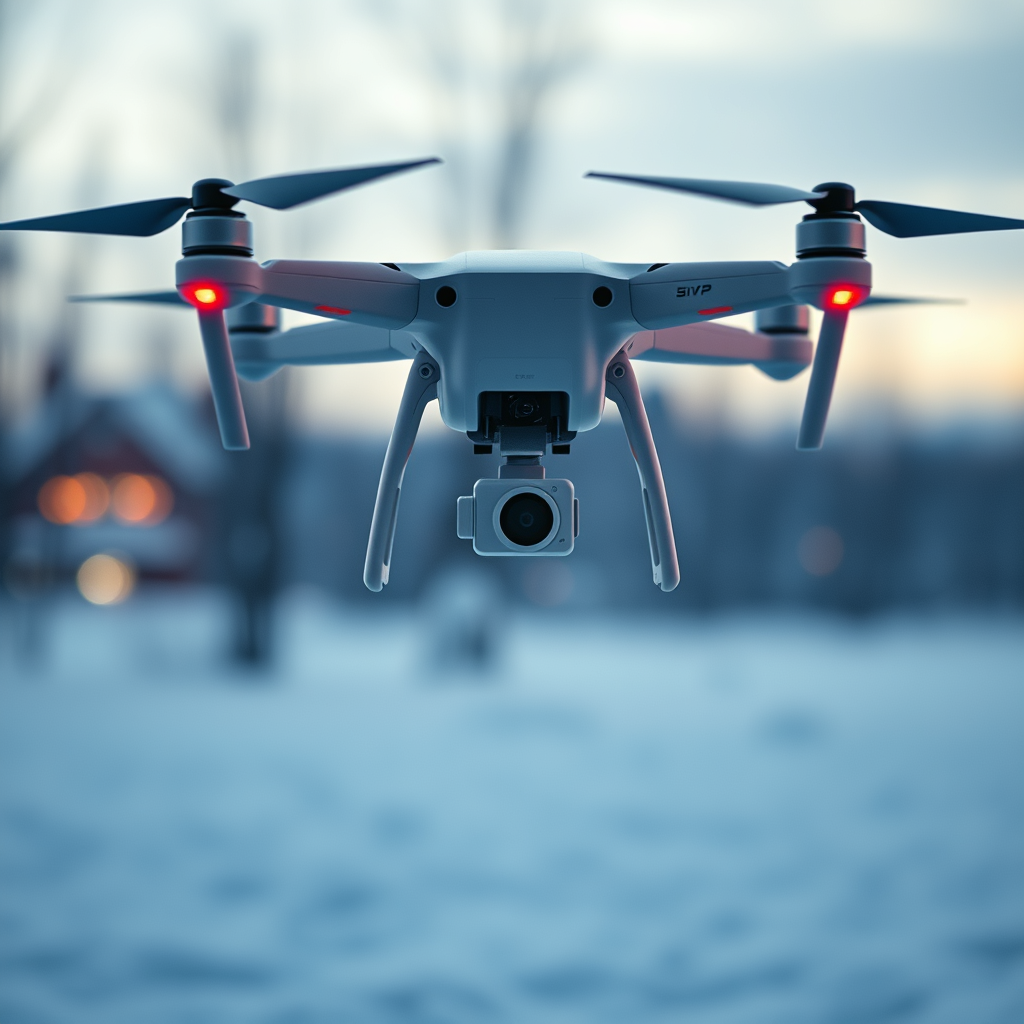
Yes, you can fly a drone in snow, but there are important factors to consider for safety and performance. Snow can significantly impact battery life, visibility, and the overall functionality of your drone. Understanding these challenges and preparing accordingly can enhance your flying experience while ensuring the safety of both your equipment and yourself. This article will guide you through the key considerations and tips for flying your drone in snowy conditions.
Understanding Drone Performance in Cold Weather
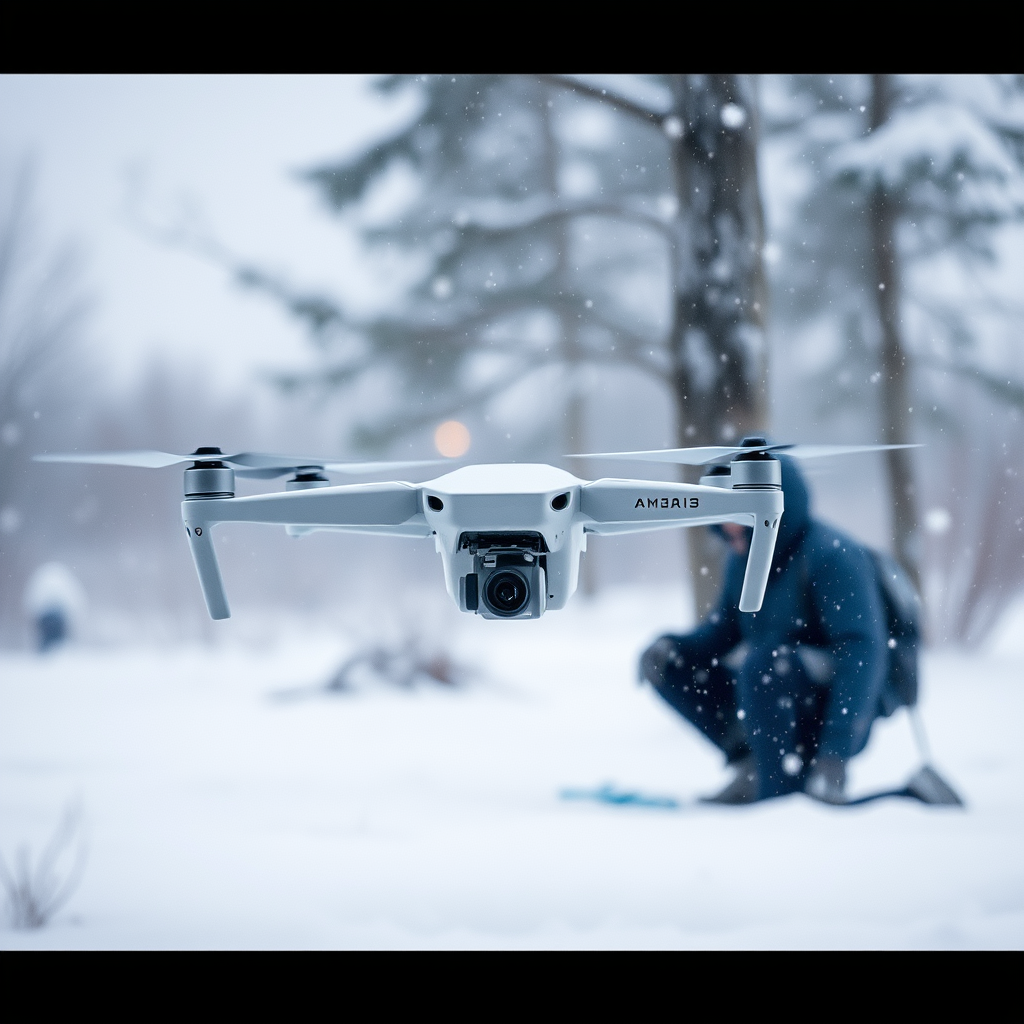
Cold weather poses unique challenges for drone operation, primarily affecting battery efficiency and the drone’s susceptibility to moisture. Lithium-polymer (LiPo) batteries, commonly used in drones, can lose their charge capacity in lower temperatures. According to studies, a drop in temperature can reduce battery performance by up to 30%, resulting in notably shorter flight times. This means that while you may typically enjoy a 20-minute flight, you could find yourself landing after only 14 minutes when the temperature drops significantly.
Moreover, moisture from snow can infiltrate electronic components, potentially leading to malfunctions. Drones are typically designed to withstand a certain amount of environmental stress, but heavy snow can overwhelm even the most robust models. It’s crucial to remain vigilant about these performance issues when planning to fly in snowy conditions.
Preparing Your Drone for Snowy Conditions
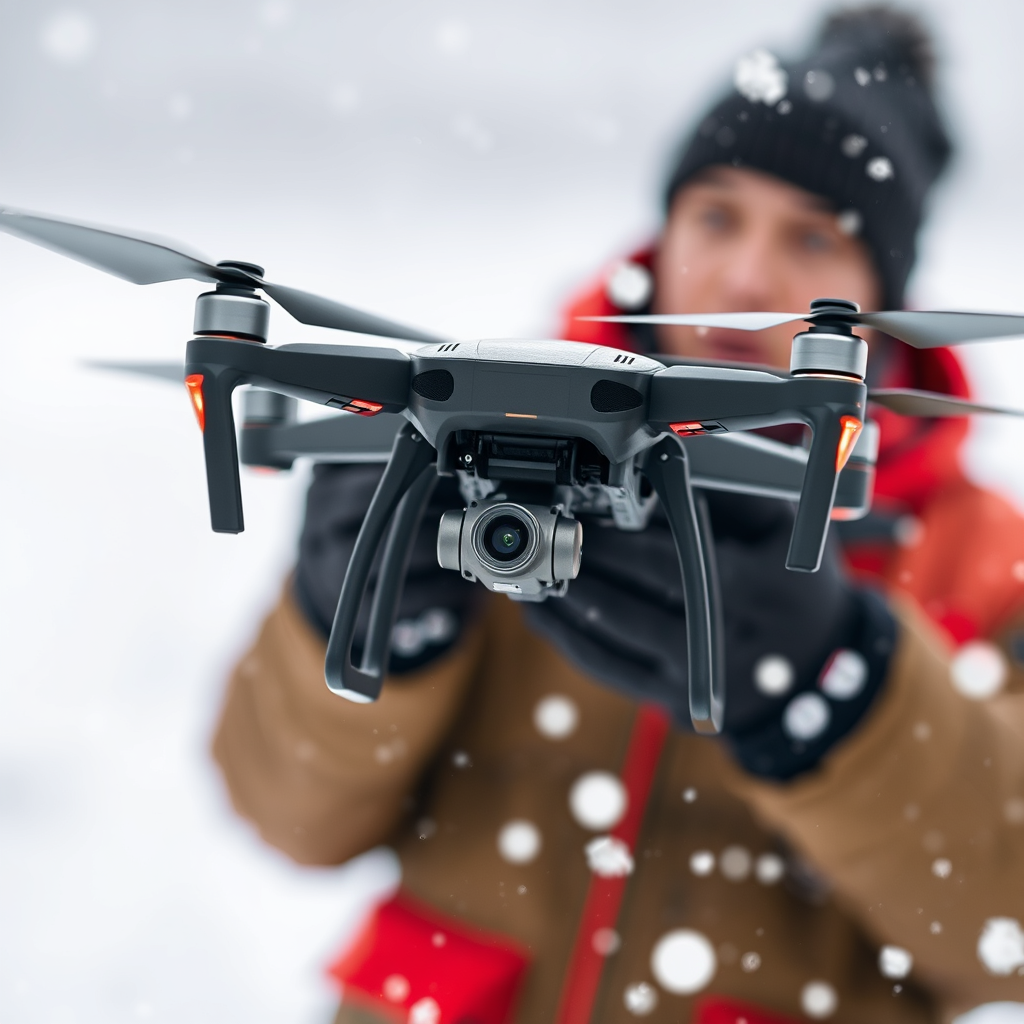
Preparation is key when flying drones in snow. One of the most effective ways to ensure your drone operates smoothly in snow is to equip it with propeller guards. These guards can help prevent snow buildup on the propellers, which can hinder flight performance and potentially cause crashes.
Additionally, choosing a drone that is waterproof or weather-resistant can significantly reduce the risk of damage from snow and moisture. Many drones come with IP ratings indicating their resistance to water and dust; opting for a model with a higher rating can afford you greater peace of mind during winter flights. For instance, drones like the DJI Mavic Air 2 offer excellent protection against the elements and are built to perform reliably in various weather conditions.
Tips for Safe Flying in Snow
Safety should be your top priority when flying in snowy conditions. Before taking off, always check the weather forecast. Avoid flying during heavy snowfall or strong winds, as these conditions can drastically reduce visibility and control. It’s also advisable to keep your flights short and close to your takeoff point, as navigating through snow can be disorienting.
Maintaining a visual line of sight is crucial in snowy environments. Snow can create whiteout conditions, making it easy to lose track of your drone. To mitigate this risk, consider using brightly colored drones or attaching bright markers to your equipment. This will help you maintain awareness of your drone’s position against the white background of snow.
Battery Management and Maintenance
Effective battery management is vital when operating drones in cold weather. Before your flight, consider warming your batteries to enhance their performance. You can do this by keeping them in an insulated pouch close to your body or using a battery warmer designed for drones. This simple step can help maintain a more stable voltage during your flight and prolong battery life.
It’s also wise to carry extra batteries, as cold temperatures can lead to reduced flight times. Having additional batteries on hand allows you to extend your flying session while accounting for the diminished capacity of batteries in the cold. Remember to keep these spare batteries warm as well, ensuring they are ready for action when needed.
Post-Flight Care for Your Drone
After flying in snowy conditions, post-flight care is essential to ensure your drone’s longevity and functionality. Clean your drone thoroughly to remove any snow or moisture that may have accumulated during your flight. Pay particular attention to the motors, propellers, and landing gear, as these areas are more likely to collect snow and moisture.
Additionally, inspect your drone for signs of damage, such as cracks or corrosion, before your next flight. Conducting a thorough inspection can help identify potential issues early, allowing for timely repairs that can prevent more significant problems down the line.
Legal and Regulatory Considerations
Before embarking on your winter drone adventures, familiarize yourself with local regulations regarding drone flights in winter conditions. Some areas may have specific restrictions due to weather or wildlife considerations. Always ensure that you comply with national and local laws, including no-fly zones and altitude limits.
Additionally, keep yourself updated on any temporary restrictions that may be in place due to adverse weather conditions. Websites such as the FAA’s B4UFLY app can provide real-time information about airspace regulations and conditions, making it easier for you to plan your flights accordingly.
In conclusion, while flying a drone in snow is indeed possible, it requires thorough preparation and careful consideration of various factors to ensure safety and optimal performance. By understanding the impact of cold weather on drone functionality, preparing adequately for snow, adhering to safety guidelines, managing battery life effectively, and maintaining post-flight care, you can enjoy a successful flying experience. Always prioritize drone maintenance and comply with local regulations to maximize your enjoyment of snowy aerial adventures.
Frequently Asked Questions
Can you fly a drone in snowy conditions?
Yes, you can fly a drone in snowy conditions, but it requires careful consideration. Snow can affect visibility and create slippery surfaces for your drone’s landing gear. Additionally, moisture from snow can damage electronic components if the drone is not properly weatherproofed. Always check your drone’s specifications and ensure it is rated for low temperatures and wet conditions before flying.
What precautions should I take when flying a drone in the snow?
When flying a drone in the snow, it’s crucial to take several precautions. First, ensure your drone’s battery is fully charged, as cold weather can reduce battery performance. Second, avoid flying in heavy snowfall or strong winds, as these can impair control and visibility. Lastly, be prepared for potential ice build-up on the drone, which can affect stability and flight performance.
How does cold weather affect drone battery life?
Cold weather significantly impacts drone battery life, as lithium polymer (LiPo) batteries lose their efficiency in lower temperatures. Typically, a drone’s flight time can be reduced by up to 50% in cold weather, leading to unexpected power loss mid-flight. To mitigate this, keep your batteries warm before flying and monitor battery levels closely during your flight in snowy conditions.
What is the best type of drone for flying in snow?
The best type of drone for flying in snow is one that is specifically designed for all-weather conditions or has robust weatherproofing features. Drones with a high IP rating (Ingress Protection) are ideal, as they offer better resistance against water and snow. Additionally, models with a strong build, good battery performance, and stable flying capabilities in adverse weather will enhance your flying experience in snowy environments.
Why is it important to check local regulations before flying a drone in the snow?
Checking local regulations before flying a drone in the snow is essential because laws can vary significantly by region, especially in areas with wildlife or sensitive environments. Some regions may have restrictions on drone flights during winter months to protect wildlife or prevent disturbances. Understanding these regulations helps you avoid fines and ensures responsible drone use while enjoying winter landscapes.
References
- https://www.wired.com/story/flying-drones-in-snow/
- https://www.faa.gov/uas/
- https://www.nytimes.com/2020/01/17/technology/drones-winter.html
- https://www.dronepilotgroundschool.com/drone-flying-in-cold-weather/
- https://www.sciencedirect.com/science/article/pii/S2213138818301949
- https://www.nasa.gov/centers/langley/news/factsheets/Drone.html
- https://www.suasnews.com/2021/02/flying-drones-in-cold-weather/
