
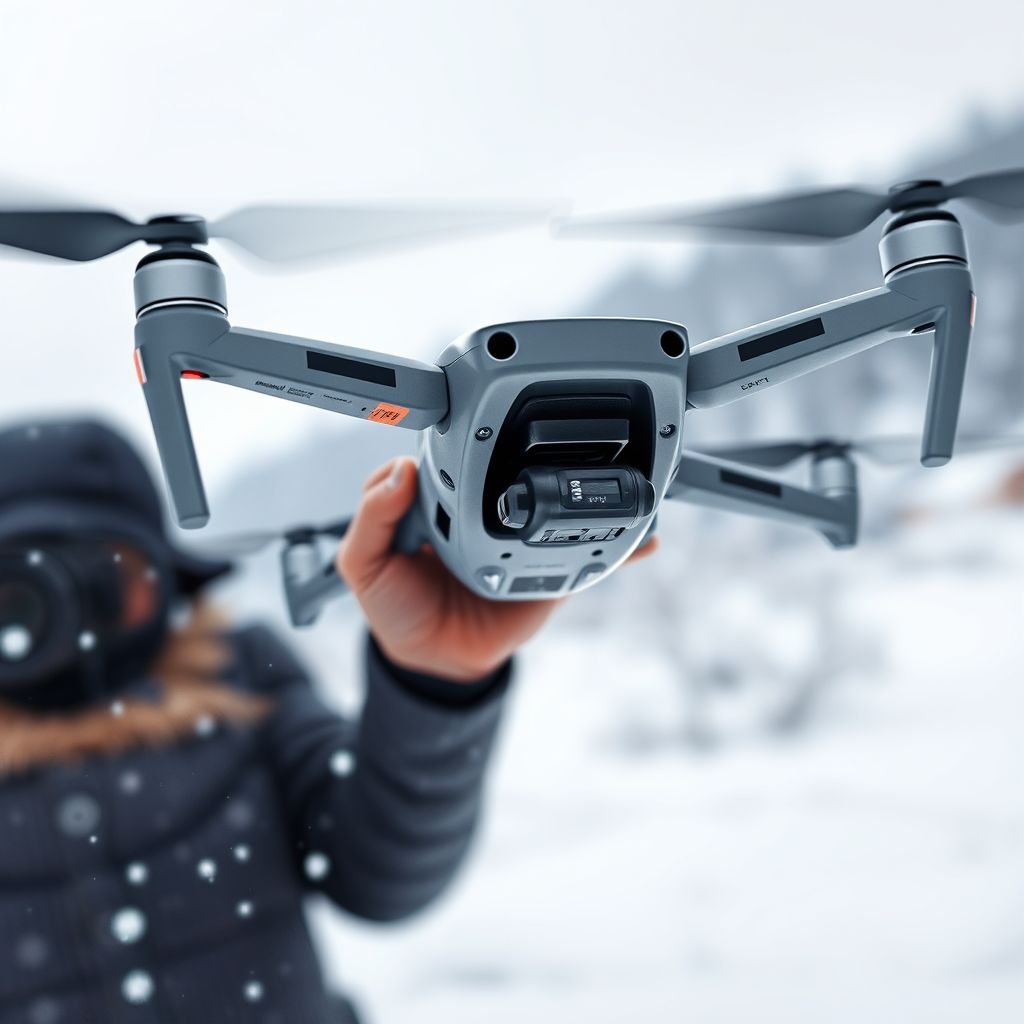
Yes, you can fly a drone in snow, but there are important factors to consider to ensure safety and optimal performance. Cold temperatures and moisture can significantly impact both the drone’s battery life and overall functionality. As winter approaches, many drone enthusiasts may be tempted to capture stunning snowy landscapes or exhilarating winter sports activities from the sky. However, it’s essential to understand how snow and cold weather can affect your drone’s performance. This article will explore the key aspects to keep in mind when flying your drone in snowy conditions.
Understanding the Impact of Cold Weather
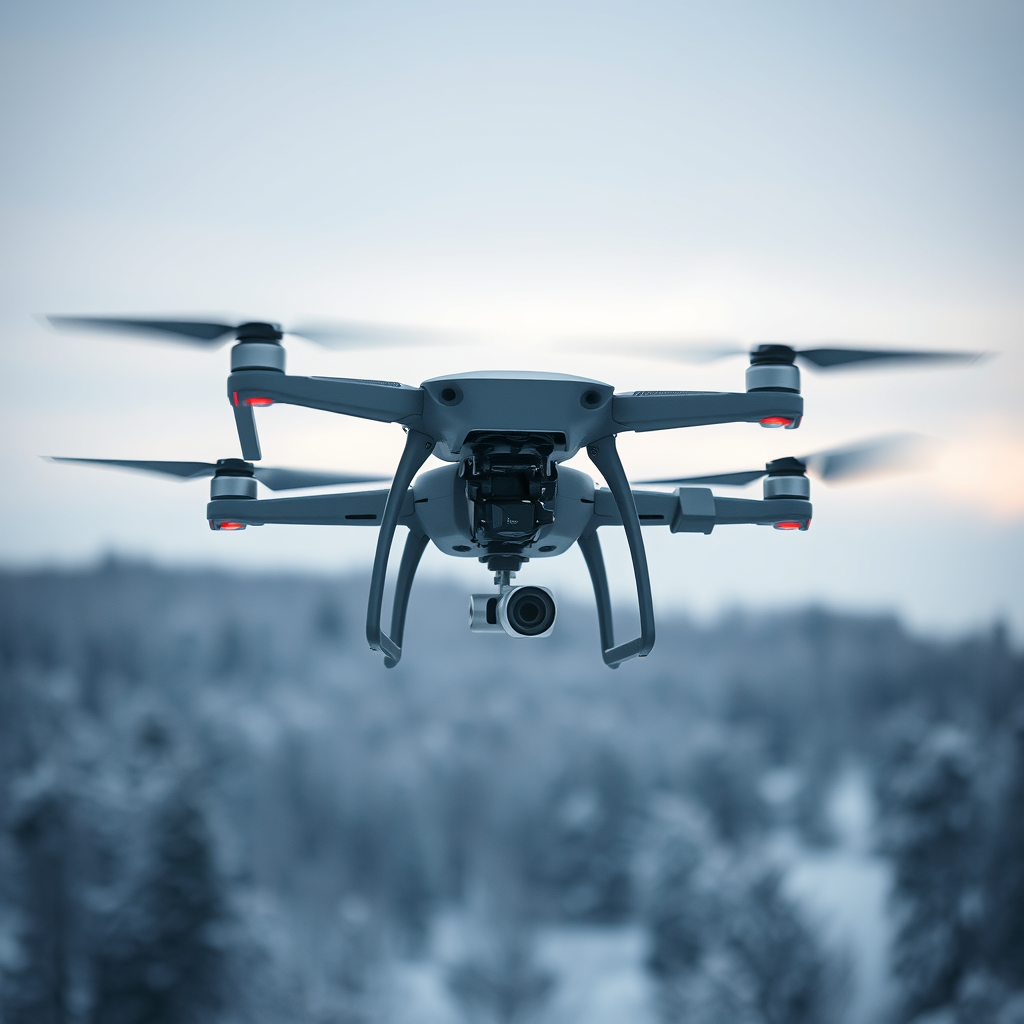
Cold temperatures can significantly reduce battery life, leading to shorter flight times. Lithium polymer (LiPo) batteries, which are commonly used in drones, are particularly sensitive to cold. When exposed to low temperatures, these batteries can lose their ability to hold a charge efficiently, often resulting in a decrease in voltage that could lead to an abrupt loss of power during flight. It is not uncommon for a drone that typically boasts a 20-minute flight time in moderate temperatures to only achieve 10 minutes or less in freezing conditions.
Moreover, drones may become less responsive in cold weather, affecting control and stability. The cold can cause the internal components to become sluggish, leading to delayed responses to pilot inputs. This lack of responsiveness can complicate maneuvers, particularly in complex flying environments or when capturing fast-moving subjects. Understanding these effects is crucial for ensuring a safe and enjoyable flying experience.
Preparing Your Drone for Snowy Conditions
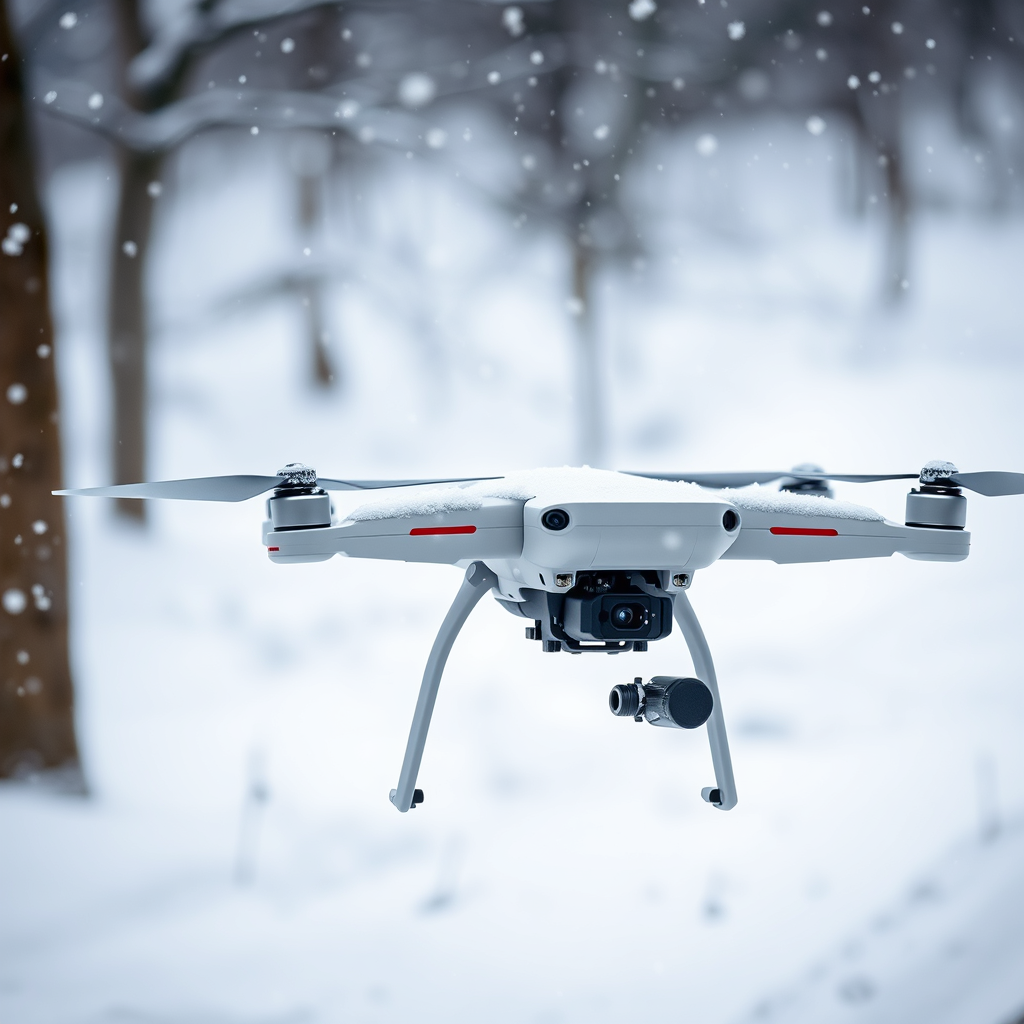
When considering a flight in snowy conditions, it is advisable to use a drone with winter-resistant features or materials. Some drones are specifically designed to withstand low temperatures and moisture, boasting weatherproof casings and sealed components that help protect internal electronics from snow and ice. If you own such a drone, it could be an excellent choice for winter flying.
Additionally, ensuring that all components, including batteries and motors, are adequately insulated is vital. Using insulating materials like foam or specialized cases can help maintain optimal operating temperatures for batteries before and during flight. Moreover, regular maintenance checks are essential in these conditions; remove any moisture or snow buildup after each flight to prevent corrosion or damage to sensitive components.
Managing Battery Life in Cold Weather
To maximize battery life in cold weather, it is critical to keep batteries warm before flight and monitor their performance during use. Storing batteries in a warm place before heading out, such as inside your jacket or a heated bag, can help mitigate the effects of the cold. Once at the flying location, consider using a thermal battery wrap to retain heat during the flight.
It is also advisable to carry extra batteries to swap out if the current one loses power quickly. Being prepared with charged backup batteries can allow you to extend your session without the need to return to your launch point prematurely. Remember that flying a drone with a depleted battery can lead to forced landings in unsafe areas, so always be cautious and plan accordingly.
Navigating Moisture and Snow Accumulation
Flying in heavy snowfall is best avoided, as visibility and drone performance can be compromised. Snow can obscure the pilot’s line of sight, making it challenging to maintain control and orientation of the drone. Moreover, flying in heavy snow can lead to moisture accumulation in the drone’s sensitive areas, such as the sensors and motors. This moisture can affect flight stability and functionality, leading to potential crashes or malfunctions.
Regularly checking for snow accumulation on the drone’s sensors and propellers is crucial. Snow can weigh down the drone and hinder propeller movement, which can lead to performance issues during flight. If you notice any snow or ice accumulation, take the time to carefully remove it before taking off. This simple step can significantly enhance your drone’s performance and reliability in snowy conditions.
Safety Tips for Flying in Snow
Performing a pre-flight check is essential to ensure all systems are functioning properly before taking to the skies. This includes checking battery levels, ensuring that all propellers are free of snow or ice, and confirming that the drone’s sensors are clean and operational.
In addition to a thorough pre-flight check, be cautious of windy conditions, which can be more pronounced in snowy environments. Wind can exacerbate the challenges posed by cold and snow, leading to unstable flights. If the wind speeds are significant, it might be prudent to postpone your flight until conditions improve. Always prioritize safety and be prepared to adjust your plans based on the current weather conditions.
Legal Considerations and Local Regulations
It is crucial to always check local laws regarding drone operation in winter weather conditions. Some areas may have specific regulations concerning flying during snowstorms or in certain parks, particularly where wildlife is concerned. Flying a drone in restricted areas can lead to fines or other legal repercussions, so it is essential to stay informed about local regulations.
Additionally, consider looking into temporary restrictions that might be in place during severe weather events. Engaging with local drone flying communities or checking with official regulatory bodies can provide insight into any changes in the laws or restrictions.
In conclusion, while flying a drone in snow is possible, it requires careful preparation and awareness of the challenges posed by cold and moisture. Understanding the effects of cold weather on battery life and drone functionality, preparing your equipment adequately, and being mindful of safety and legal considerations can significantly enhance your winter flying experience. By following the tips outlined above, you can enjoy safe and successful winter drone flying. Consider planning your next snowy adventure with these guidelines in mind!
Frequently Asked Questions
Can you fly a drone in snow without damaging it?
Yes, you can fly a drone in snow, but there are several precautions you should take to avoid potential damage. Snow can cause moisture build-up, which may lead to electrical issues or corrosion. It’s important to ensure your drone is rated for cold weather and to check for any signs of water intrusion after flying in snowy conditions. Using a drone with a weather-resistant design can also help mitigate these risks.
How does cold weather affect drone battery life?
Cold weather can significantly impact drone battery life, as lithium polymer (LiPo) batteries tend to lose their efficiency in lower temperatures. In cold conditions, the chemical reactions within the battery slow down, leading to reduced flight times and possibly unexpected power loss during flight. To combat this, consider keeping your batteries warm before use, such as storing them in an insulated bag, and keep an eye on battery levels during flight.
What should I consider before flying a drone in snowy conditions?
Before flying a drone in snowy conditions, consider the temperature, visibility, and the drone’s specifications. Cold temperatures can affect battery performance, while snow can obscure camera sensors and GPS signals. Additionally, ensure that you are aware of local regulations and any potential hazards, such as power lines or obstacles hidden beneath the snow, to ensure a safe flying experience.
Why is it important to avoid flying a drone in heavy snow?
Flying a drone in heavy snow can be risky due to reduced visibility and the potential for snow accumulation on the drone, which can affect its aerodynamics and weight. Heavy snowfall can also interfere with your drone’s sensors and GPS, making it difficult to control. Moreover, the added moisture can lead to electronic failures, so it’s best to avoid flying during heavy snow to ensure the safety of your equipment.
Which drones are best suited for flying in snowy conditions?
Drones designed for all-weather performance are best suited for flying in snowy conditions. Look for models that feature weather resistance or waterproofing, such as the DJI Mavic series or the DJI Phantom 4 Pro. Additionally, drones with a robust design that can handle cold temperatures and have good battery life are preferable, as they can maintain performance and reliability even in challenging weather conditions.
References
- https://www.faa.gov/uas/getting_started/remote_id
- https://www.dronepilotgroundschool.com/drone-flying-in-snow/
- https://www.suasnews.com/2020/01/flying-drones-in-winter-weather/
- https://www.flyuav.com/flying-drones-in-the-snow/
- https://www.cnet.com/news/can-you-fly-a-drone-in-the-snow-what-you-need-to-know/
