
Yes, you can fly a drone in some state parks, but regulations vary by location. Many state parks have specific rules and restrictions regarding drone usage to protect wildlife and ensure visitor safety. Familiarizing yourself with these guidelines is essential for any drone pilot considering flying in these natural spaces. This blog post will provide a comprehensive overview of the regulations, safety measures, and best practices for flying drones in state parks.
Understanding State Park Regulations
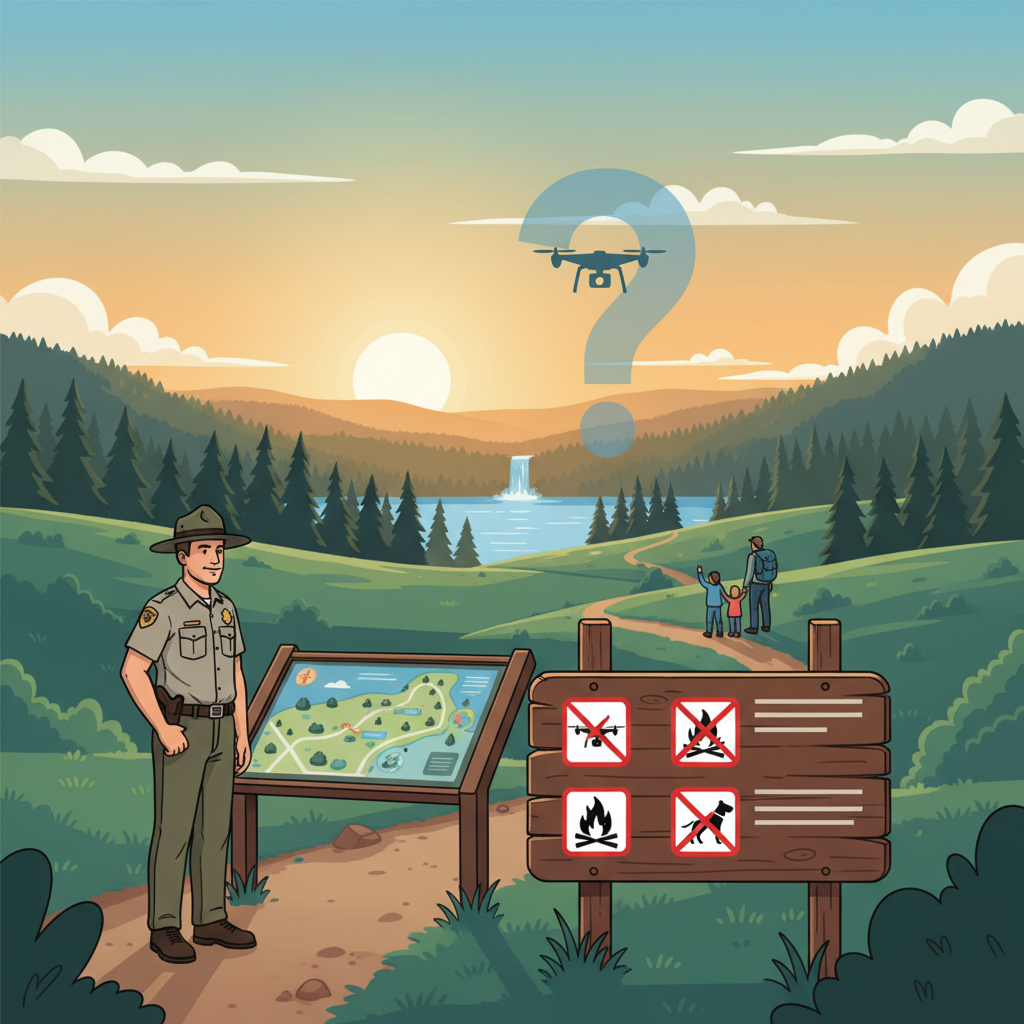
Each state park may have its own set of rules regarding drone usage. These rules are often influenced by the park’s unique ecosystem, the presence of wildlife, and the general safety of park visitors. For instance, some parks may allow drone flying in designated areas while others may have an outright ban. It’s essential to check the specific park’s regulations before planning your flight. Most state parks have their regulations published on their official websites, which can provide details about where and when drones are permitted, as well as any restrictions that may apply.
Moreover, certain states have laws that supersede park regulations, adding another layer of complexity for drone operators. For example, in California, while many state parks have designated drone flying areas, others are completely off-limits due to environmental concerns. Therefore, it’s crucial to conduct thorough research on the specific state and local regulations applicable to your intended flying location.
Federal Aviation Administration (FAA) Guidelines
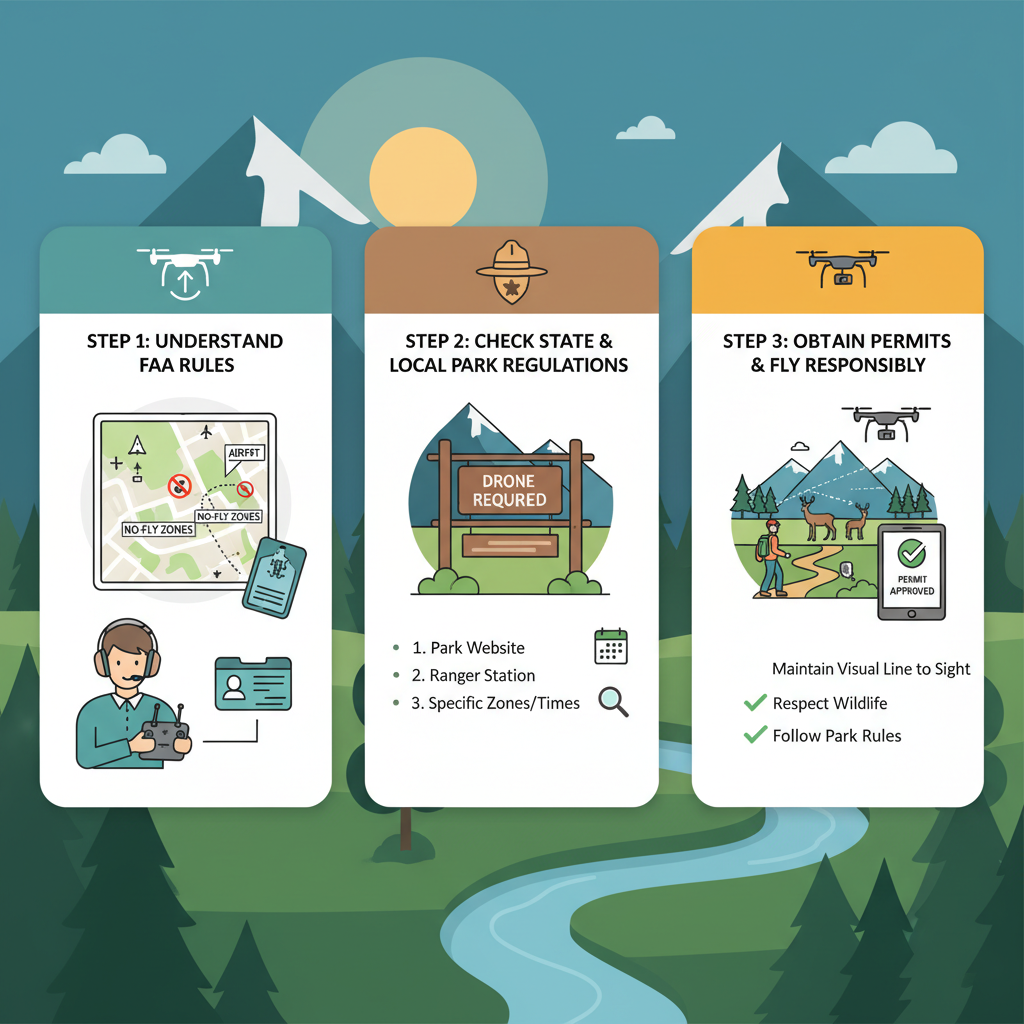
In addition to state park regulations, drone pilots must comply with the Federal Aviation Administration (FAA) guidelines. Drones must be registered if they weigh over 0.55 pounds, which is a critical requirement for all recreational flyers. Registration is straightforward and can be done online, costing just $5 for a three-year period.
Furthermore, pilots are required to keep their drones within visual line-of-sight and fly below 400 feet. This is not just a rule but a safety measure aimed at preventing collisions with manned aircraft. Maintaining an awareness of airspace restrictions, such as those near airports or military bases, is also a crucial part of responsible drone flying. The FAA’s website offers resources such as the B4UFLY app, which helps pilots determine whether it’s safe to fly in their chosen area.
Wildlife Protection Considerations
One of the most significant reasons for drone restrictions in state parks is wildlife protection. Many parks prohibit drone use to safeguard local fauna, especially during critical periods such as nesting seasons or migration times. For example, in parks where bald eagles nest, drone flying may be restricted during the breeding season to prevent disturbances that could lead to abandonment of nests.
Disturbing wildlife not only has ethical implications but can also lead to fines and negative impacts on local ecosystems. The U.S. Fish and Wildlife Service has established guidelines that recommend keeping a distance of at least 1,500 feet from wildlife to minimize stress and disruption. Therefore, it’s imperative for drone pilots to be aware of the wildlife in the parks they are visiting and to respect established guidelines to protect these natural habitats.
Safety and Privacy Concerns
Drones can pose safety risks to other visitors and wildlife if not operated responsibly. Incidents involving drones colliding with people, animals, or park infrastructure have been reported, highlighting the importance of adhering to safety protocols. Before flying, it’s essential to conduct a pre-flight check, ensuring that the drone is in proper working condition and that the area is clear of obstacles.
Additionally, privacy concerns are paramount when flying drones in public spaces. Pilots should always respect the privacy of others and avoid flying over crowded areas, such as picnic spots, campgrounds, or events. Maintaining a respectful distance from other visitors can help ensure a positive experience for everyone involved. Some parks may even have specific rules regarding flying over people or property, so checking these regulations beforehand is advisable.
Obtaining Necessary Permits
Some state parks may require special permits for drone operations, especially in areas where regulations are stricter. Permits might be necessary for commercial drone use or for flying in designated wildlife protection zones. To ensure compliance with all regulations, contact the park management for information on obtaining permits and any associated fees.
In some cases, permits can be applied for online, while others may require a more formal process involving documentation of intended drone use. Understanding the permit requirements ahead of time can help avoid potential fines or the embarrassment of being asked to leave the park due to unauthorized drone activity.
Popular State Parks for Drone Flying
While many state parks have restrictions, there are several that are known for being drone-friendly, offering stunning landscapes ideal for aerial photography. Parks such as the Great Smoky Mountains National Park in Tennessee and North Carolina, while generally prohibitive, have designated areas where drone flying is permitted.
Another excellent example is the Joshua Tree National Park in California, which allows drones in certain areas, providing breathtaking desert vistas. When choosing a park for drone flying, consider factors such as terrain, scenic value, and the presence of wildlife. Doing so will enhance your experience while ensuring compliance with park regulations.
Drone Etiquette in State Parks
Drone etiquette is crucial for maintaining harmony in state parks. Pilots should follow common courtesy guidelines, such as keeping noise levels down and avoiding crowded areas, to minimize disturbance to other visitors. Additionally, being considerate of park staff and other visitors when flying your drone contributes to a positive atmosphere for everyone.
If approached by park staff or fellow visitors while flying, be polite and willing to answer questions about your drone activities. This not only promotes goodwill but also enhances the overall understanding of drone usage in natural areas.
In conclusion, while flying a drone in state parks can be an exciting way to capture unique views, it’s crucial to understand and adhere to the specific regulations and guidelines in place. Always check park rules, prioritize safety, and respect the environment to ensure a positive experience for everyone. By following these essential guidelines, drone pilots can enjoy their hobby while contributing to the preservation of our cherished natural spaces.
Frequently Asked Questions
Can you fly a drone in state parks in the United States?
Flying a drone in state parks is generally prohibited in many states due to safety concerns and wildlife protection regulations. Each state park has its own set of rules, so it’s essential to check with the specific park’s management or website for local regulations. Some parks may allow drone flights with a permit, while others may have designated areas or specific times when flying is permitted.
What are the common regulations for flying drones in state parks?
Regulations for flying drones in state parks typically include restrictions on altitude, areas where flying is allowed, and the requirement to maintain visual line of sight. Additionally, many state parks prohibit drone use to protect wildlife habitats and ensure visitor safety. It’s crucial to familiarize yourself with the Federal Aviation Administration (FAA) guidelines as well as state-specific laws before planning your drone flight.
How can I find out if a specific state park allows drone flying?
To determine if a specific state park allows drone flying, visit the official website of the park or the state’s natural resources department. These sites usually provide detailed information about drone regulations, including any necessary permits or areas designated for drone use. You can also contact the park’s visitor center directly for the most up-to-date information regarding drone policies.
Why are drones restricted in many state parks?
Drones are often restricted in state parks primarily to protect wildlife and natural resources. The noise and presence of drones can disturb animals, particularly during nesting seasons. Additionally, concerns about safety for other park visitors and the potential for accidents or injuries also contribute to these regulations, making it essential for drone operators to adhere to park rules.
What should I do if I want to fly a drone in a state park that prohibits it?
If you want to fly a drone in a state park that prohibits it, consider looking for nearby locations that allow drone use, such as designated recreational areas or private land with permission from the owner. Alternatively, you can apply for a special use permit if available, which may allow for limited drone operations under specific conditions. Always prioritize compliance with local laws and respect the natural environment to ensure a responsible flying experience.
References
- https://www.nps.gov/subjects/drones/index.htm
- https://www.fs.usda.gov/managing-land/recreation/aircraft-use-drones
- https://www.parks.ca.gov/?page_id=28875
- https://www.nps.gov/articles/drone-use-in-national-parks.htm
- https://www.sciencedirect.com/science/article/pii/S2351978917300167
- https://www.washingtonpost.com/transportation/2021/07/05/drones-national-parks/
- https://www.nytimes.com/2021/06/30/us/drones-national-parks.html
- https://www.ijee.ie/articles/2020/Drone%20Regulations%20in%20State%20Parks.pdf
