
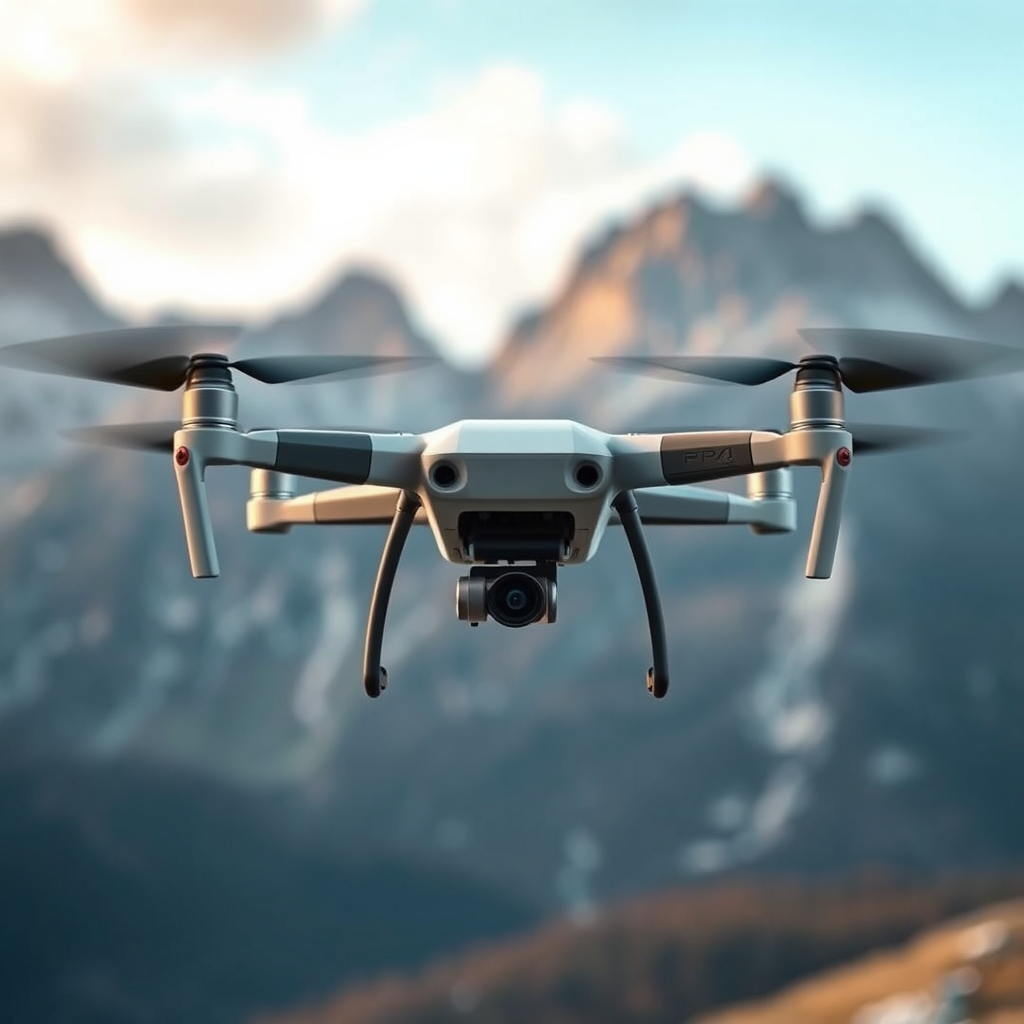
Yes, you can fly a drone in the Dolomites, but there are specific regulations and guidelines you must follow to ensure safety and compliance with local laws. Understanding these rules will help you enjoy the breathtaking landscapes while respecting the environment and other visitors. The Dolomites, a UNESCO World Heritage Site, offer stunning vistas that attract drone enthusiasts from around the globe. However, to capture these magnificent views responsibly, it is essential to familiarize yourself with the regulations and best practices for drone flying in this remarkable region.
Regulations for Drone Flying in the Dolomites
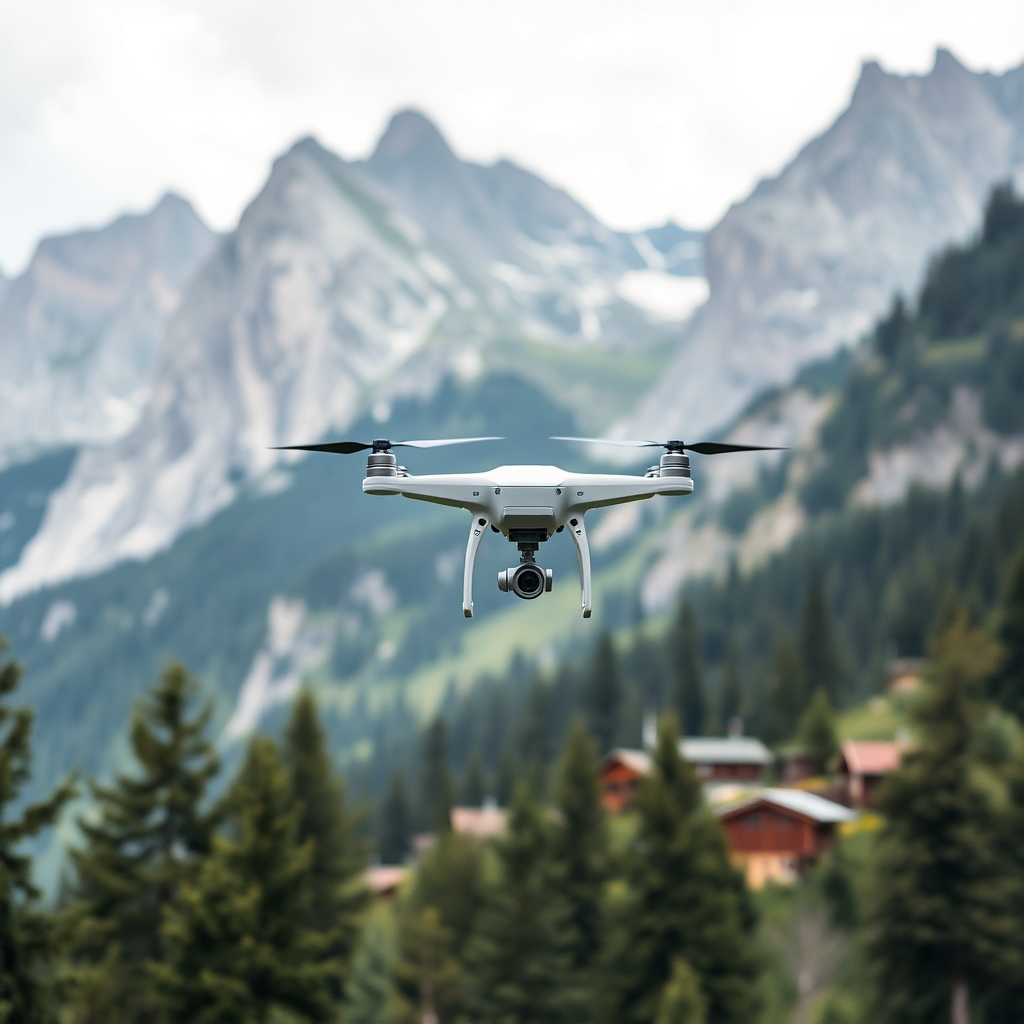
Before embarking on your drone-flying adventure in the Dolomites, it is crucial to check local laws and regulations regarding drone use in Italy. The Italian Civil Aviation Authority (ENAC) sets forth specific rules that apply to drone operations across the country. These regulations include requirements for registration, operator certification, and insurance for drones over a certain weight.
In addition to national regulations, you must maintain awareness of no-fly zones within the Dolomites. Many areas, particularly those located near national parks such as the Dolomiti di Sesto or the Fanes-Senes-Braies Natural Park, have restrictions on drone flying to protect wildlife and preserve the natural environment. Always consult the most recent maps and local authorities to identify areas where drone flying is prohibited or restricted.
Best Practices for Safe Drone Operation
Safety should always be a priority when flying a drone. One of the best practices is to fly within your line of sight. This means you should always be able to see your drone without the aid of binoculars or other visual enhancement devices. This practice not only helps you maintain control but also ensures that you can avoid obstacles and other aircraft.
Additionally, avoid crowded areas when operating your drone. The Dolomites attract many tourists, especially during peak seasons. Flying over populated areas can pose risks to both people and property. Instead, seek out less frequented locations for a more enjoyable experience. Respecting wildlife and natural habitats is also essential; refrain from flying close to nesting sites or during sensitive periods for wildlife to minimize disturbances.
Ideal Locations for Drone Flying in the Dolomites
The Dolomites are renowned for their stunning landscapes, making them an ideal backdrop for drone photography. Some of the best locations to consider include:
– Lake Braies (Lago di Braies): This picturesque lake is surrounded by towering mountains and lush forests, offering a breathtaking setting for aerial shots. The reflections on the water create unique photographic opportunities, especially during sunrise or sunset.
– Seceda: With its iconic flat-topped mountains and sweeping views of the surrounding valleys, Seceda is another prime spot for drone enthusiasts. The blend of rolling hills and dramatic peaks allows for dynamic aerial compositions.
When selecting a location, it’s wise to research areas with fewer visitors. Not only will this provide a more peaceful flying experience, but it also reduces the risk of infringing on the privacy of others. Look for lesser-known trails or viewpoints that still offer stunning vistas without the crowds.
Understanding Drone Weight and Equipment Restrictions
Familiarizing yourself with the regulations based on drone weight classifications is essential for compliance and safety. In Italy, drones are categorized into three classes:
1. Drones under 250 grams: Generally do not require registration but must still be flown responsibly.
2. Drones between 250 grams and 2 kilograms: Must be registered, and operators may need to pass an online test to ensure they understand the regulations.
3. Drones over 2 kilograms: Require a specific license and must adhere to stricter regulations.
Regardless of classification, ensure your drone is equipped with necessary safety features, such as GPS for accurate positioning and fail-safes that can help prevent accidents in case of a malfunction. Familiarize yourself with your drone’s capabilities and limitations to ensure a smooth flying experience.
Tips for Capturing Stunning Aerial Footage
Capturing breathtaking aerial footage requires careful planning and execution. Here are some tips to enhance your drone photography skills:
– Timing is Everything: Plan your flights during the golden hour—shortly after sunrise or just before sunset—when the lighting is soft and warm. This time of day can transform ordinary landscapes into extraordinary images.
– Vary Your Angles: Experiment with different angles and heights to add diversity to your shots. Low altitudes can reveal details in the landscape, while higher altitudes can provide context and showcase the grandeur of the Dolomites.
– Utilize Dynamic Movements: Instead of static shots, try incorporating dynamic movements such as panning or pulling up from the ground to create more engaging footage. This approach can add a cinematic quality to your work.
– Stay Within Regulations: While creative freedom is essential, always adhere to local regulations regarding flight paths and altitude limits. This ensures both safety and compliance while you focus on capturing stunning visuals.
Local Communities and Resources
Joining local drone flying groups can be an invaluable resource for both novice and experienced pilots. These communities often share tips, experiences, and advice regarding the best locations and practices for flying in the Dolomites. Participating in forums or social media groups focused on drone flying in Italy can also keep you updated on the latest regulations and best practices.
Additionally, various online resources offer detailed information about drone flying in the Dolomites. Websites dedicated to drone enthusiasts often feature articles, maps, and user-generated content that provide valuable insights into the best places to fly and capture stunning footage.
In conclusion, flying a drone in the Dolomites can be an incredible experience if done responsibly. By adhering to regulations, respecting nature, and being considerate of other visitors, you can make the most of your drone adventures in this stunning region. With proper preparation and knowledge, you can capture the breathtaking landscapes of the Dolomites while contributing to the preservation of its natural beauty.
Frequently Asked Questions
Can you legally fly a drone in the Dolomites?
Yes, you can legally fly a drone in the Dolomites, but there are specific regulations to follow. The Italian Civil Aviation Authority (ENAC) establishes rules for drone use, which include maintaining a maximum altitude of 120 meters and avoiding no-fly zones. Additionally, many areas within the Dolomites are part of national parks or protected regions, so it’s essential to check local regulations and obtain any necessary permits before flying your drone.
What are the restrictions for flying drones in the Dolomites?
In the Dolomites, drone regulations are influenced by both national laws and local restrictions. You must avoid flying over populated areas, large gatherings, and specific protected zones, such as national parks. Additionally, drones must not be flown within 5 kilometers of airports without prior permission, and operators are required to maintain visual line-of-sight with their drone at all times. Always consult the latest ENAC guidelines and local authorities for updated restrictions.
How can I find the best locations to fly my drone in the Dolomites?
To find the best locations for flying your drone in the Dolomites, research scenic viewpoints and areas with minimal restrictions. Popular spots include places like Lago di Braies and Tre Cime di Lavaredo, which offer stunning landscapes. It’s also helpful to join local drone enthusiast groups online, where you can get recommendations and tips from experienced pilots familiar with the area.
Why is it important to check local regulations before flying a drone in the Dolomites?
Checking local regulations before flying a drone in the Dolomites is crucial to ensure compliance with both safety standards and legal requirements. Violating these regulations can lead to hefty fines and the confiscation of your drone. Moreover, respecting local wildlife and the natural environment helps preserve the beauty of the Dolomites for future visitors and prevents disturbances to sensitive ecosystems.
What should I know about flying a drone in national parks within the Dolomites?
When flying a drone in national parks within the Dolomites, you must be particularly mindful of strict regulations that protect wildlife and natural habitats. Most national parks prohibit drone usage entirely or require special permits for aerial photography. It’s important to research each park’s specific rules and requirements before planning your flight, as violations can result in significant penalties and impact conservation efforts.
References
- https://en.wikipedia.org/wiki/Drone_regulations_in_Italy
- https://www.dolomiti.org/en/mountains-and-nature/
- https://www.trentino.com/en/experience/drones-in-the-dolomites/
- https://www.visitdolomites.com/en/dolomites-activities/drone-flying/
- https://www.campingsuedtirol.com/en/faq/drone-use-in-south-tyrol/
