

Yes, you can fly a drone in the Everglades, but there are specific regulations and guidelines you must follow to ensure safety and compliance with local laws. The Everglades, a unique and ecologically sensitive environment, requires that drone enthusiasts act responsibly and adhere to established rules to preserve its natural beauty and wildlife. This article will explore the rules, best practices, and tips for flying drones in this remarkable national park, allowing you to experience the stunning landscapes while respecting the environment.
Understanding the Regulations
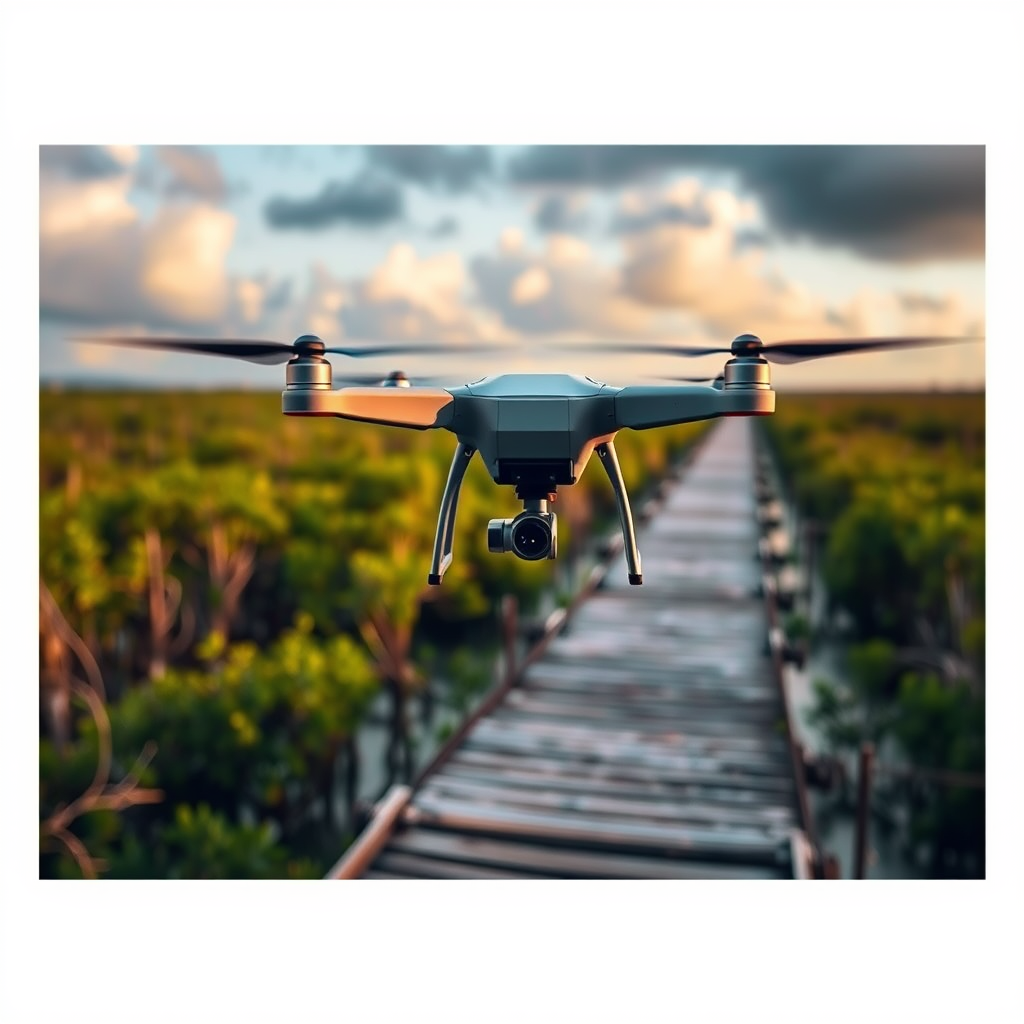
Flying a drone in the Everglades is governed by a complex framework of federal, state, and local regulations. At the federal level, the Federal Aviation Administration (FAA) oversees the use of drones across the United States. All drone operators must register their drones if they weigh more than 0.55 pounds and adhere to the FAA’s Part 107 regulations if they are using the drone for commercial purposes.
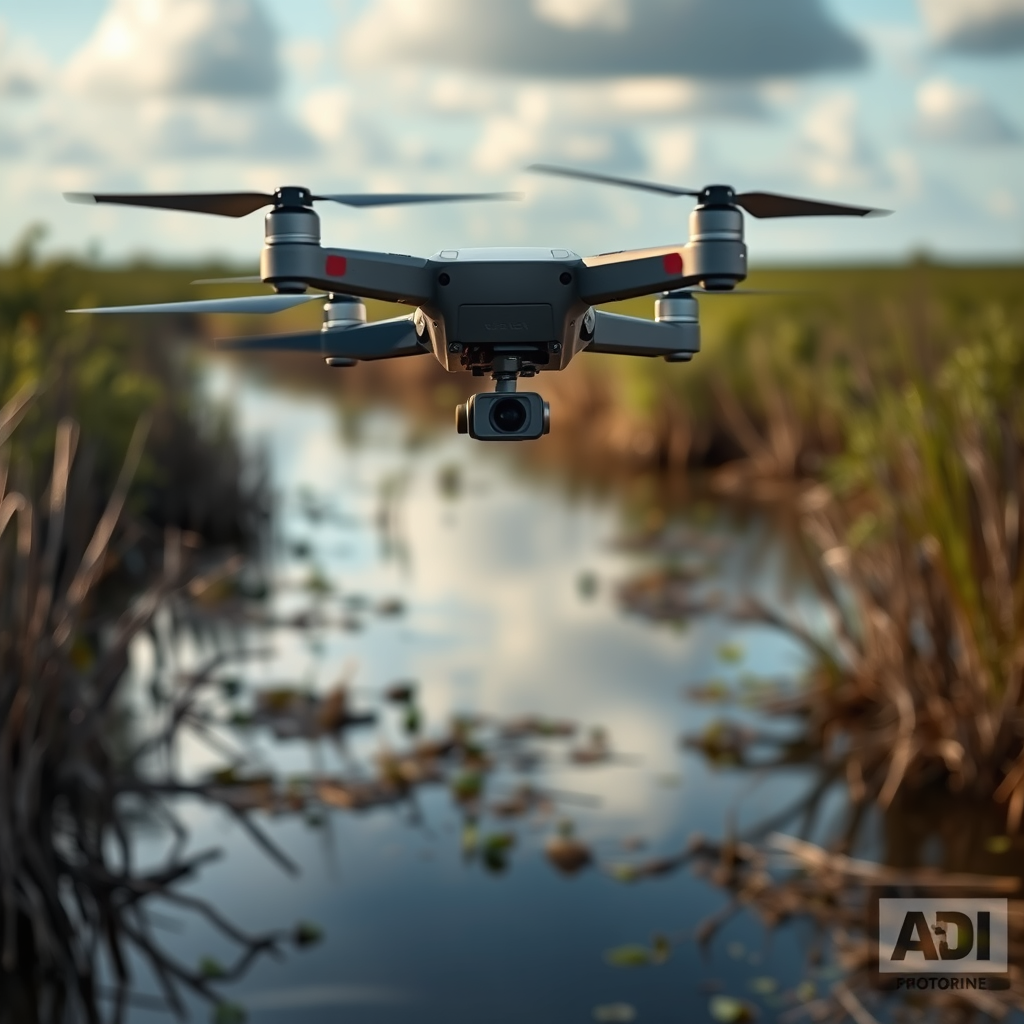
In addition to these federal regulations, the National Park Service (NPS) has specific guidelines for operating drones in national parks, including the Everglades. According to NPS regulations, the use of drones is generally prohibited to protect wildlife and natural resources, unless a special permit has been obtained. This means that, while you can fly a drone in the Everglades, you should first check for any applicable permits and regulations specific to your intended flight area.
Operators should also familiarize themselves with state laws regarding drone usage, as these can vary significantly from one state to another. For example, Florida has laws concerning the privacy of individuals and property that drone operators must abide by, ensuring that their flights do not infringe upon others’ rights.
Designated Areas for Drone Flight
When planning to fly a drone in the Everglades, it is crucial to identify areas where such activity is permitted. While the majority of the national park prohibits drone usage, there are designated zones that may allow for drone flights under specific conditions. These areas will typically be outlined in a park’s management plan or through official communication from the National Park Service.
For instance, the surrounding areas of the Everglades, such as private lands or certain state-managed parks, may have less restrictive regulations regarding drone use. However, operators must always confirm the legality of flying in these areas and be aware of any wildlife conservation efforts that might impose further restrictions. Additionally, it is wise to stay updated on any changes in regulations or designated areas, as these can evolve based on environmental assessments or park management policies.
Safety Considerations
Safety is a paramount concern when flying a drone, especially in an environment as delicate as the Everglades. Drone operators must always maintain a visual line of sight with their aircraft, which not only ensures compliance with FAA regulations but also enhances safety by allowing for better awareness of the surroundings.
Operators should also be acutely aware of local wildlife and the potential impact of their drone flights on animal habitats. The Everglades is home to a diverse range of species, some of which are threatened or endangered. For example, the American crocodile and the Florida panther are just two of the animals that could be disturbed by drone activity. It is advisable to avoid flying close to nesting sites or areas where wildlife is particularly active, thereby minimizing disturbances to their natural behaviors.
In addition, operators should familiarize themselves with the local weather conditions. Sudden changes in weather can pose risks to drone flights, and flying in adverse conditions can lead to crashes or loss of control. Always check the forecast and be prepared to adjust your plans accordingly.
Best Practices for Flying Drones
Adhering to best practices is essential for responsible drone usage in the Everglades. Planning your flight route in advance can help avoid restricted areas and ensure a more enjoyable experience. Use mapping tools and apps designed for drone pilots to visualize your route and identify potential obstacles or hazards.
Before takeoff, it is important to perform a thorough pre-flight check, which includes ensuring that your drone’s batteries are fully charged, the firmware is up to date, and all components are functioning properly. This diligence can prevent technical failures during flight, which could lead to accidents or loss of your drone.
Moreover, being aware of the time of day can enhance your flying experience. Early mornings or late afternoons often provide optimal lighting conditions for aerial photography while also avoiding peak wildlife activity, giving both operators and animals a more peaceful experience.
Environmental Impact Awareness
Understanding the ecological significance of the Everglades is essential for responsible drone operation. This unique ecosystem, a UNESCO World Heritage Site, is vital for biodiversity and serves as a critical habitat for numerous species of plants and animals. Operators must recognize that their drones can create noise pollution and visual disturbances that may disrupt wildlife.
For example, the sound of a drone can interfere with bird communication or cause stress to animals that rely on their surroundings for survival. As such, drone enthusiasts should aim to minimize their presence and the effects of their activities on the environment. Consider flying at higher altitudes and maintaining a respectful distance from wildlife to lessen the impact.
Additionally, educating oneself about the flora and fauna in the Everglades can foster a deeper connection to the environment and highlight the importance of conservation efforts. Operators are encouraged to engage with local conservation groups or educational resources to better understand the role they play in preserving this natural wonder.
Tips for Responsible Drone Use
To ensure responsible drone usage in the Everglades, operators should obtain any necessary permits before their flight. If you plan to fly for commercial purposes, securing a Part 107 license is mandatory. Even for recreational flights, checking in with park authorities can provide clarity on current regulations and prevent potential fines or penalties.
Respecting other visitors and the natural environment is vital for maintaining public enjoyment of the park. If your drone activities are disruptive to other visitors—whether through noise or visual distraction—consider adjusting your flight patterns or timing.
Lastly, always be prepared to adapt to changing circumstances. If wildlife encounters occur or if other visitors express concern about your drone, be willing to change your plans for the sake of safety and respect for the environment.
In conclusion, flying a drone in the Everglades is possible with the right knowledge and respect for regulations. By adhering to federal, state, and local guidelines, remaining aware of safety and environmental impacts, and practicing responsible usage, drone operators can enjoy the breathtaking landscapes of the Everglades while contributing to the preservation of this vital ecosystem. Always prioritize safety and environmental conservation in your drone adventures. Happy flying!
Frequently Asked Questions
Can you fly a drone in the Everglades National Park?
No, flying a drone in Everglades National Park is generally prohibited. The National Park Service has regulations in place to protect wildlife and preserve the natural environment. If you are looking to capture aerial photography or videography, consider alternative locations outside the park boundaries that allow drone use.
What are the laws and regulations for drone flying in Florida?
In Florida, drone pilots must comply with both federal laws set by the FAA and state-specific regulations. This includes registering your drone if it weighs more than 0.55 pounds, adhering to altitude limits of 400 feet, and maintaining visual line-of-sight with your drone. Additionally, many areas may have local restrictions, so it’s crucial to check for any no-fly zones, especially near parks or wildlife refuges.
How can I find alternative locations to fly my drone near the Everglades?
To find alternative locations for flying your drone near the Everglades, consider using drone-specific apps or websites like AirMap or UAV Forecast. These platforms can help you identify suitable flying areas, assess local regulations, and check for any temporary flight restrictions. Additionally, state parks, beaches, and private properties with permission can be excellent options for drone enthusiasts.
Why are drones restricted in national parks like the Everglades?
Drones are restricted in national parks like the Everglades primarily to protect wildlife and preserve natural landscapes. The noise and presence of drones can disrupt animal behavior, particularly during nesting seasons. Furthermore, the visual impact of drones can detract from the natural beauty that visitors come to experience, leading to regulations that promote conservation.
What are the best practices for flying drones in wildlife areas?
When flying drones in wildlife areas, it’s essential to follow best practices to minimize disturbances. Always maintain a safe distance from animals, avoid nesting sites, and refrain from flying during sensitive times, such as breeding seasons. Additionally, familiarize yourself with local laws and obtain any necessary permits, ensuring you’re promoting responsible drone use while enjoying the beauty of nature.
