

Yes, you can fly a drone in the Grand Canyon, but there are strict regulations and guidelines to follow. The Grand Canyon is largely protected land, and knowing the rules is essential for anyone wanting to capture its breathtaking views from the sky. As one of the most iconic national parks in the United States, the Grand Canyon not only showcases stunning geological formations but also serves as a critical habitat for diverse wildlife. It’s crucial to understand the legal landscape around drone usage to ensure that your aerial adventure is both enjoyable and compliant with national park regulations.
Understanding the Regulations
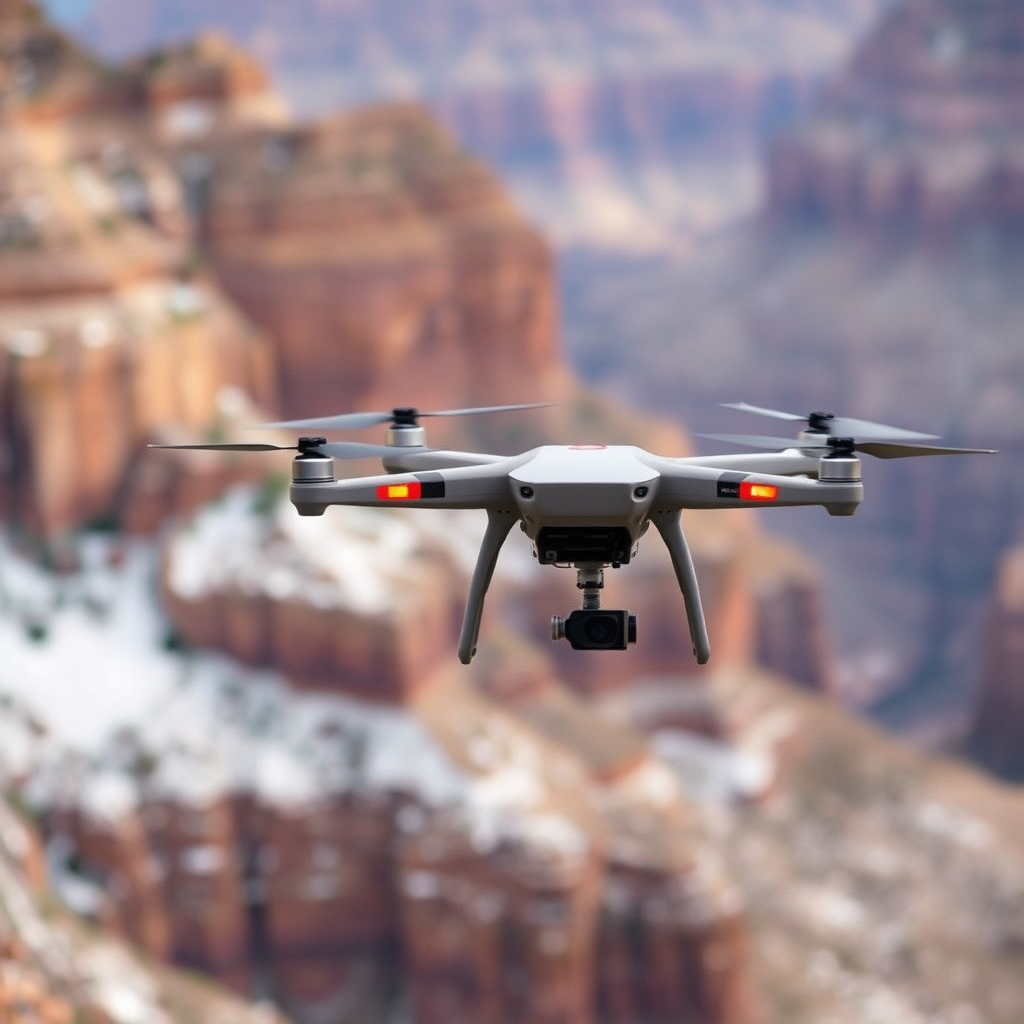
The Grand Canyon National Park has specific regulations for drone use that are designed to protect both the environment and the visitor experience. As a general rule, drones are prohibited in most areas of the park; this includes all developed areas and sensitive wildlife habitats. The National Park Service (NPS) enforces these rules vigorously, as the noise and visual disturbances from drones can significantly impact wildlife behavior and disrupt the tranquility that many visitors seek when exploring this natural wonder.
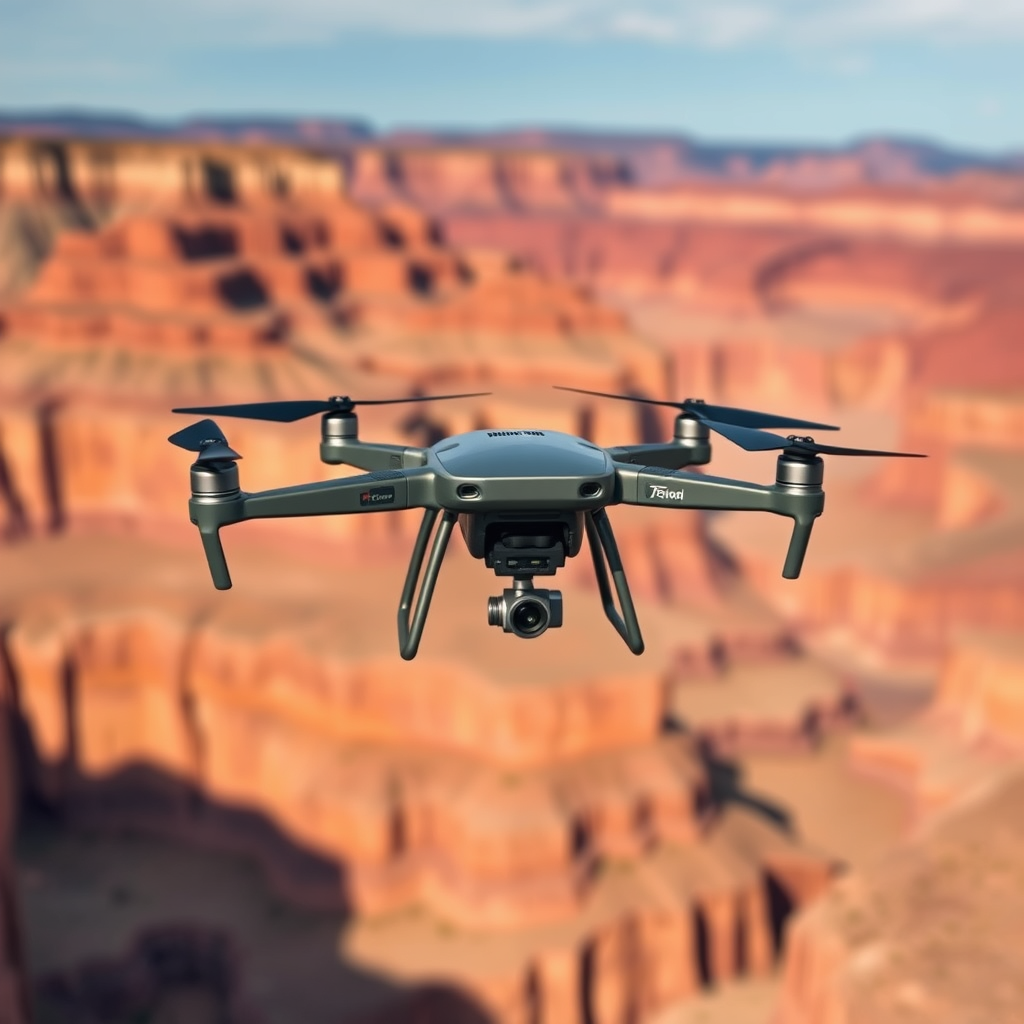
Additionally, the regulations are rooted in the overarching mandate to preserve the park’s natural and cultural resources. For example, the NPS has cited concerns over safety, privacy, and the potential for drones to interfere with search and rescue operations or other park activities. Therefore, it is crucial for anyone considering flying a drone in the Grand Canyon to familiarize themselves with these regulations and ensure compliance to avoid penalties.
Where You Can Fly Drones
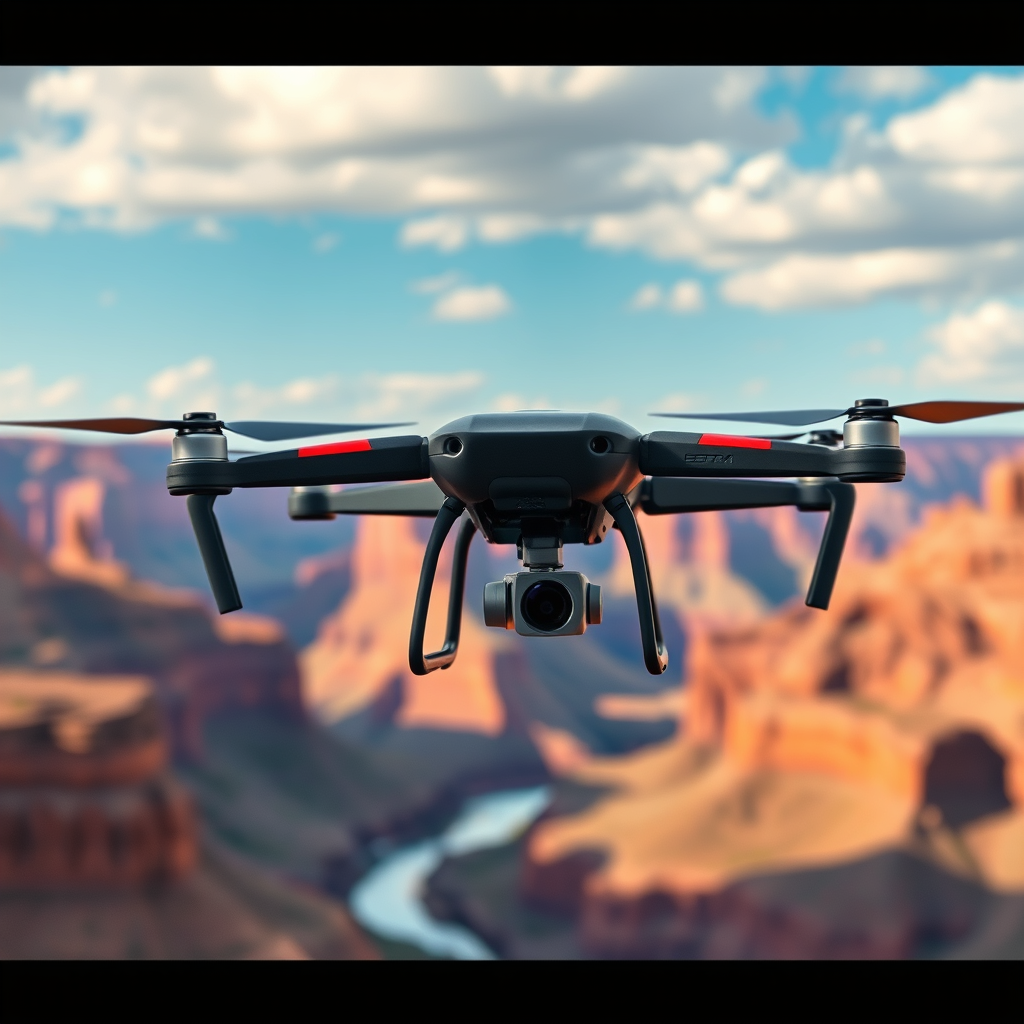
While much of the Grand Canyon National Park is off-limits to drone pilots, there are certain designated areas outside the park boundaries where drone flying may be permitted. For instance, locations in the adjacent Kaibab National Forest may allow drone use, provided pilots adhere to local regulations. It is essential to check the specific guidelines for these areas, as they can vary significantly from one locale to another.
Additionally, drone enthusiasts might explore the opportunities available in other nearby locations, such as the city of Williams or the surrounding Coconino National Forest, where designated areas for recreational drone flying exist. Always verify local laws and guidelines, as they often change and can include stipulations about airspace restrictions, altitude limits, and no-fly zones that are critical to your planning.
Obtaining Necessary Permits
If you plan to operate a drone for commercial purposes within the Grand Canyon or in nearby areas, obtaining a special use permit is essential. This permit is a requirement for any commercial operation, including photography, videography, and promotional activities. The application process can be extensive, often requiring detailed project descriptions and timelines, so it is advisable to apply well in advance of your intended flight date.
To initiate the permitting process, contact the Grand Canyon National Park’s Special Park Uses office or the local U.S. Forest Service office, depending on your location. Be prepared for potential delays in processing, as these permits can take time to review and approve. Ensuring you have all the necessary documentation and a clear understanding of your intended use can help streamline the process.
Safety Considerations
Safety is paramount when flying drones, particularly in environments as dynamic as the Grand Canyon. Always maintain a clear line of sight with your drone, which is not only a best practice but often a regulatory requirement. This ensures that you can control your drone effectively and respond to any unforeseen circumstances, such as changes in weather or unexpected obstacles.
Moreover, be acutely aware of the weather conditions that could affect flight safety. Wind patterns in canyon areas can be unpredictable, and sudden gusts can pose a significant risk to drone stability. Before your flight, check local weather forecasts and consider waiting for optimal conditions to ensure a safe flying experience.
Respecting Wildlife and Visitors
When flying a drone in or around the Grand Canyon, it is imperative to respect both the wildlife and other visitors. Drones can cause disturbances to local wildlife, especially nesting birds, which may have sensitive breeding seasons. Avoid flying over animal habitats or areas where wildlife is known to congregate, as this can lead to stress and dislocation.
Furthermore, consider the experience of other visitors to the park. Many come to enjoy the natural beauty and tranquility of the Grand Canyon, and the sound and presence of a drone can detract from that experience. Engage with fellow park-goers respectfully and be mindful of how your drone activity might impact their enjoyment of this national treasure.
Consequences of Non-Compliance
Flying a drone without permission in the Grand Canyon can result in severe consequences, including hefty fines and the confiscation of your equipment. The National Park Service takes unauthorized drone use seriously, and violators may be subject to citations that can include monetary penalties and, in some cases, criminal charges. Understanding the risks associated with non-compliance is essential for anyone contemplating drone operations in the park.
Additionally, the legal implications extend beyond fines; unauthorized drone use can lead to broader restrictions on drone operations in nationally treasured spaces. By adhering to the regulations and ensuring you have the proper permits, you not only safeguard your own interests but help protect the park for future generations of visitors.
In conclusion, while flying a drone in the Grand Canyon is possible under specific conditions, strict regulations must be adhered to for a safe and responsible experience. By understanding the rules, obtaining necessary permits, and respecting wildlife and other visitors, you can enjoy capturing the breathtaking views of this iconic landscape from the sky. Always conduct thorough research and ensure compliance to make the most of your aerial adventure while preserving the integrity of this remarkable natural resource.
Frequently Asked Questions
Can you fly a drone in the Grand Canyon National Park?
No, you cannot fly a drone in Grand Canyon National Park. The National Park Service prohibits the use of drones within park boundaries to protect wildlife, preserve the natural landscape, and ensure visitor safety. Violating this regulation can result in hefty fines and confiscation of equipment, so it’s crucial to respect these guidelines when planning your visit.
What are the regulations for flying a drone near the Grand Canyon?
While you cannot fly within the Grand Canyon National Park itself, you may be able to operate your drone in surrounding areas, provided you adhere to FAA regulations and any local laws. This includes flying below 400 feet, maintaining a visual line of sight, and avoiding restricted airspace. Always check for specific restrictions before flying, as regulations can change.
Why are drones prohibited in national parks like the Grand Canyon?
Drones are prohibited in national parks, including the Grand Canyon, primarily to protect wildlife and natural resources. The noise and presence of drones can disturb animals and disrupt their natural behaviors. Additionally, the visual impact of drones can detract from the park’s scenic beauty, which is a key reason visitors come to enjoy these natural landscapes.
What are the best alternatives to flying a drone in the Grand Canyon?
If you’re looking for aerial views of the Grand Canyon without using a drone, consider taking a helicopter or airplane tour, which provides stunning perspectives of the canyon’s vastness. Additionally, scenic viewpoints like Mather Point and Yavapai Observation Station offer excellent photography opportunities without the need for aerial equipment.
How can I capture stunning photos of the Grand Canyon without using a drone?
To capture breathtaking photos of the Grand Canyon, bring a high-quality camera and consider using a tripod for stability. Visit during the golden hours—early morning or late afternoon—for the best lighting. Additionally, explore various viewpoints and hiking trails to discover unique angles and compositions that showcase the canyon’s grandeur without needing a drone.
References
- https://www.nps.gov/grca/learn/management/drone.htm
- https://www.faa.gov/uas/getting_started/remote_id
- https://www.grandcanyontrust.org/blog/can-you-fly-drone-grand-canyon
- https://www.usa.gov/elected-officials
- https://www.faa.gov/uas/where_to_fly/national_parks/
- https://www.grandcanyonnews.com/news/2021/aug/10/flying-drones-grand-canyon/
- https://www.nps.gov/grca/planyourvisit/drone-use.htm
