

Yes, you can fly a drone in the Outer Banks, but there are specific regulations and guidelines you need to follow to ensure safe and legal operation. The Outer Banks, known for its stunning coastal landscapes and diverse ecosystems, offers a fantastic backdrop for drone enthusiasts. However, it’s imperative to navigate the legal landscape and respect local communities and wildlife to enjoy a hassle-free flying experience. This article will provide you with essential information on where and how to fly your drone in this beautiful coastal region.
Understanding the Regulations
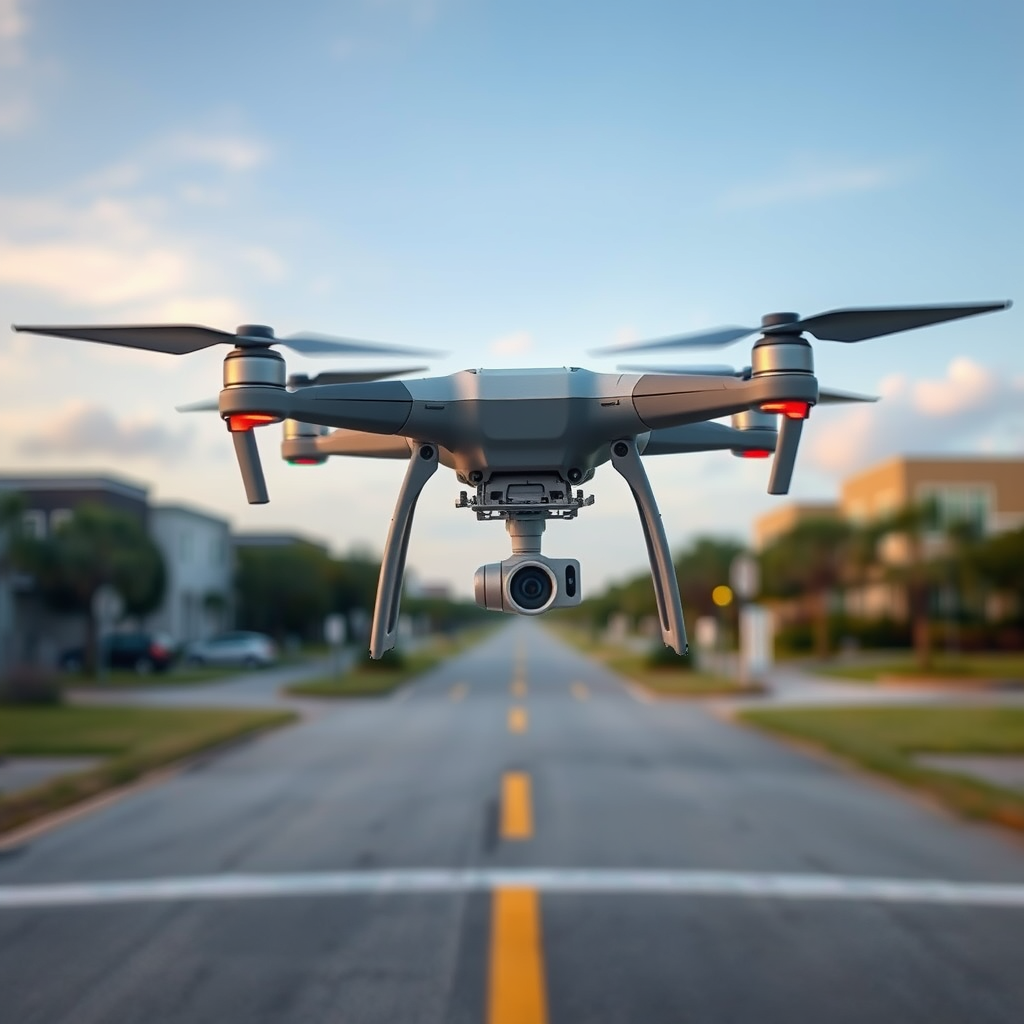
The Outer Banks operates under the jurisdiction of the Federal Aviation Administration (FAA), which sets forth regulations that all drone operators must adhere to. These regulations include guidelines on altitude limits, no-fly zones, and registration requirements. Specifically, the FAA mandates that drones should not be flown above 400 feet and must remain within the operator’s visual line of sight. Additionally, drone operators are required to obtain a Remote Pilot Certificate if they intend to use their drones for commercial purposes.
Local regulations may vary significantly by town, meaning it’s crucial to check specific rules for each area within the Outer Banks. For instance, while some towns may have designated drone zones, others may prohibit drone flights altogether, especially in residential areas or during certain times of the year, such as peak tourist season. Always consult local government websites or contact town offices to ensure compliance with all applicable laws before flying your drone.
Designated Flying Areas
When flying a drone in the Outer Banks, it’s important to identify designated flying areas to ensure a legal and enjoyable experience. Certain public spaces, such as parks and specific beaches, are open for drone use. For example, the Cape Hatteras National Seashore allows drone flying in designated areas, provided operators follow the established guidelines. These locations often provide ample space for capturing stunning aerial views of the coastline without infringing on the privacy of residents or disrupting wildlife habitats.
However, drone enthusiasts should avoid flying near wildlife refuges and national parks to protect the environment and adhere to conservation efforts. Areas like the Pea Island National Wildlife Refuge are crucial habitats for various bird species and other wildlife, and drone usage in these locations can disturb their natural behaviors. Always check for local advisories or maps that indicate where drone flying is permitted and where it is prohibited.
Safety Considerations
Safety is paramount when operating a drone, particularly in areas that are frequented by tourists and local residents. One of the primary safety considerations is to always keep your drone within visual line of sight. This practice not only ensures that you maintain control over the drone but also helps prevent accidents that could occur if the drone strays too far from the operator.
Moreover, be mindful of local weather conditions that can significantly affect flying. The coastal winds in the Outer Banks can be unpredictable and may change rapidly, leading to challenging flight conditions. Always check weather forecasts and be prepared to postpone your flight if conditions are not ideal. Additionally, familiarize yourself with emergency procedures in case of a malfunction or unexpected weather changes to ensure a safe flying experience.
Privacy and Respect for Others
Respecting the privacy of residents and tourists is another critical aspect of responsible drone operation. Avoid flying over private property without permission, as this can lead to disputes and potential legal issues. It is also advisable to maintain a respectful distance from crowded areas, such as popular beaches or events, to minimize disturbances.
If you find yourself in a crowded location where drone flying is permitted, communicate with people nearby about your intentions. This openness fosters goodwill and can help mitigate any concerns that others may have about your drone operation. Being considerate of the community not only enhances your flying experience but also contributes to a more positive perception of drone usage among the public.
Drone Registration and Licensing
For those looking to fly drones in the Outer Banks, understanding registration and licensing requirements is essential. If your drone weighs more than 0.55 pounds (approximately 250 grams), you must register it with the FAA. The registration process is straightforward and can be completed online, requiring a nominal fee. Once registered, you will receive a registration number that must be displayed on your drone.
Additionally, if you plan to use your drone for commercial purposes, such as aerial photography or surveying, obtaining a Remote Pilot Certificate is necessary. This certification involves passing an FAA exam that covers various aspects of drone operation, including airspace regulations, weather effects, and emergency procedures. Acquiring this certification not only enhances your credibility as a drone operator but also ensures that you are well-versed in the legal and safety aspects of drone flying.
Tips for Enjoying Your Flight
To make the most of your drone flying experience in the Outer Banks, consider these practical tips. First, take advantage of the stunning coastal scenery by planning your flight around the golden hours of sunrise or sunset, which provide exceptional lighting for photography and videography. Capture breathtaking views of the dunes, lighthouses, and the expansive ocean while ensuring you comply with all regulations.
Monitor your drone’s battery life and flight time closely to avoid unexpected landings. Carry extra batteries if you plan to fly for an extended period, as well as a mobile charger for quick recharges. Additionally, familiarize yourself with the best practices for drone operation, such as performing pre-flight inspections, maintaining a safe distance from people and property, and being aware of your surroundings at all times.
By following these tips, you can enjoy a smooth and memorable drone flying experience while exploring the beauty of the Outer Banks.
In conclusion, flying a drone in the Outer Banks is not only possible but can also be an incredibly rewarding experience when approached with the right knowledge and respect for local laws. Understanding the regulations, identifying designated flying areas, prioritizing safety, respecting privacy, and ensuring proper registration are all critical components of responsible drone operation in this picturesque region. By staying informed and adhering to best practices, drone enthusiasts can fully appreciate the breathtaking landscapes while contributing to a positive community atmosphere.
Frequently Asked Questions
Can you fly a drone in the Outer Banks?
Yes, you can fly a drone in the Outer Banks, but there are specific regulations to follow. The Outer Banks is a popular destination for drone enthusiasts, but it’s essential to adhere to FAA regulations, especially near populated areas, beaches, and national parks. Always check local laws and guidelines, as some areas may require permits or have restrictions in place.
What are the drone flying regulations in the Outer Banks?
Drone flying regulations in the Outer Banks are governed by both federal and local laws. The FAA requires that drone pilots maintain a visual line of sight with their drones and avoid flying over people or moving vehicles. Additionally, certain areas, such as the Cape Hatteras National Seashore, have specific restrictions on drone use to protect wildlife and preserve natural landscapes, so checking the National Park Service website for up-to-date information is advisable.
How can I obtain permission to fly my drone in restricted areas of the Outer Banks?
To obtain permission to fly your drone in restricted areas of the Outer Banks, you may need to apply for a Special Use Permit through the National Park Service or the local authorities managing those areas. This process typically involves providing details about your intended flight, such as the purpose, duration, and specific locations. It’s best to start this process well in advance of your visit, as approvals can take time.
Why are there restrictions on drone flying in certain parts of the Outer Banks?
Restrictions on drone flying in certain parts of the Outer Banks are primarily in place to protect wildlife, particularly nesting birds, and to preserve the natural environment. The Outer Banks are home to several sensitive ecosystems and species that can be disturbed by drone activity. Additionally, safety concerns regarding crowded beaches and possible interference with aircraft operations contribute to these regulations.
What are the best practices for flying a drone safely in the Outer Banks?
To fly a drone safely in the Outer Banks, it’s essential to follow best practices such as flying below 400 feet, maintaining a visual line of sight, and avoiding crowded areas and private property. Always check the weather conditions before flying, and be mindful of wildlife, particularly during nesting seasons. Additionally, familiarize yourself with any local restrictions and ensure you have the necessary permits if required, to ensure a safe and enjoyable flying experience.
References
- https://www.faa.gov/uas/getting_started/part_107
- https://www.outerbanks.org/things-to-do/activities/drone-flying-in-the-outer-banks
- https://www.ncdot.gov/divisions/aviation/Pages/drone-information.aspx
- https://www.nps.gov/caha/learn/management/drone-policy.htm
- https://www.outerbanks.com/drone-flying-in-the-outer-banks.html
