
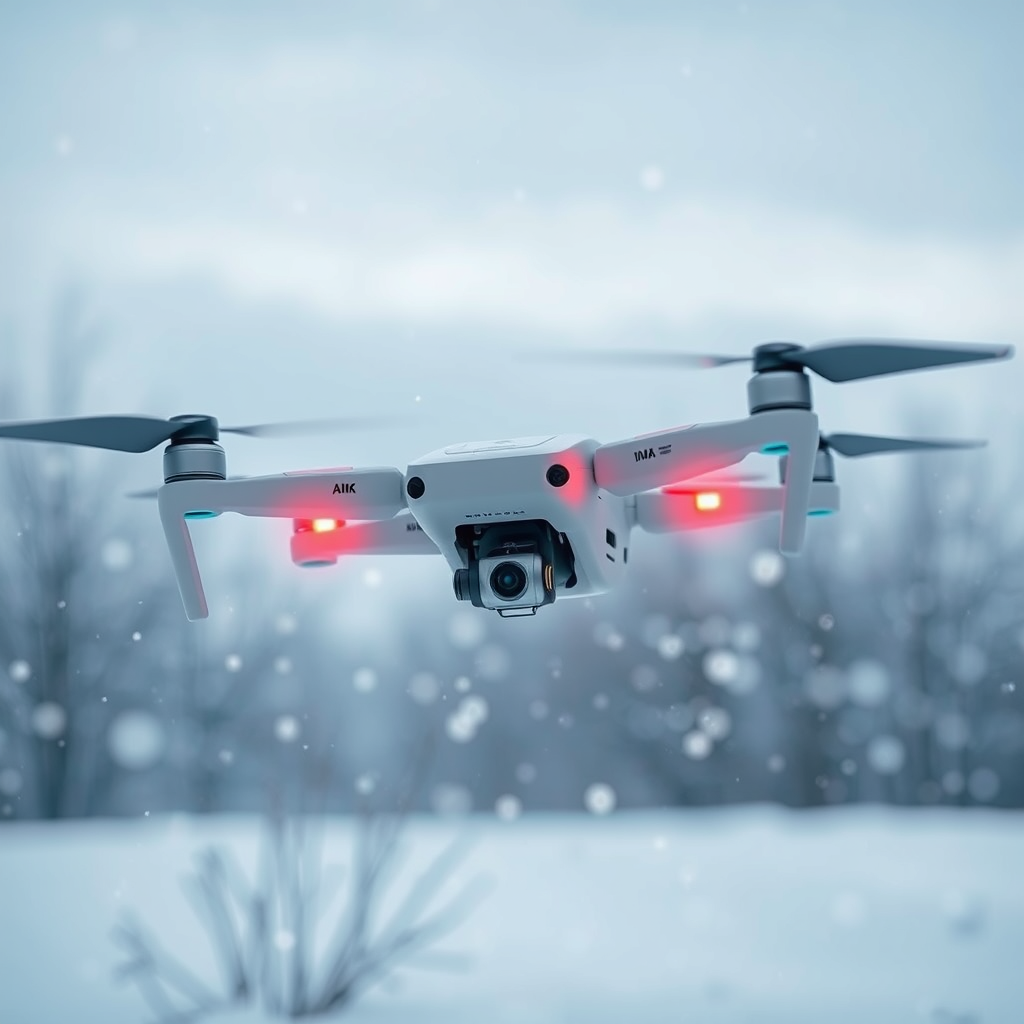
Yes, you can fly a drone in the snow, but there are important considerations to keep in mind for safety and performance. Snow can affect drone functionality, battery life, and visibility, so being prepared is essential for a successful flight. Understanding the limitations of your drone, making necessary preparations, and following best practices will ensure that you can capture stunning winter landscapes while keeping your equipment safe and functional.
Understanding Drone Limitations in Cold Weather
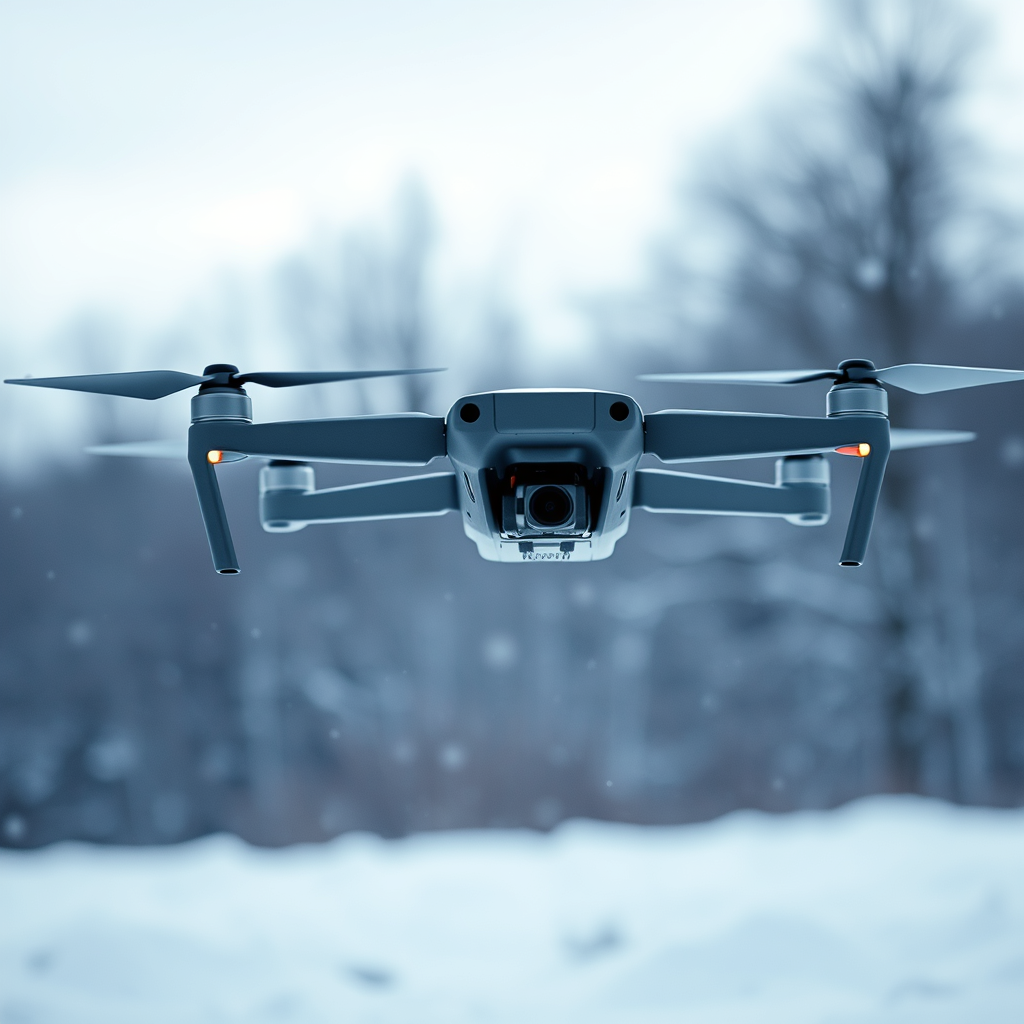
When flying a drone in cold weather, it’s crucial to recognize that low temperatures can significantly reduce battery life. Lithium polymer batteries, commonly used in drones, operate optimally at temperatures between 20°C to 30°C (68°F to 86°F). As temperatures drop, battery efficiency wanes, which can lead to shorter flight times and sudden power loss. For instance, you might notice that a drone that typically flies for 25 minutes in mild weather may only last 15 minutes in freezing conditions.
Additionally, cold weather can impact the drone’s sensors and overall performance. Many drones are equipped with GPS, barometers, and other sensors that may become less accurate in extreme temperatures. Snow can also obstruct these sensors, leading to erratic behavior or loss of control during flight. Pilots should be aware of these limitations and plan flights accordingly, potentially shortening the expected duration and taking a more cautious approach to piloting.
Preparing Your Drone for Snowy Conditions
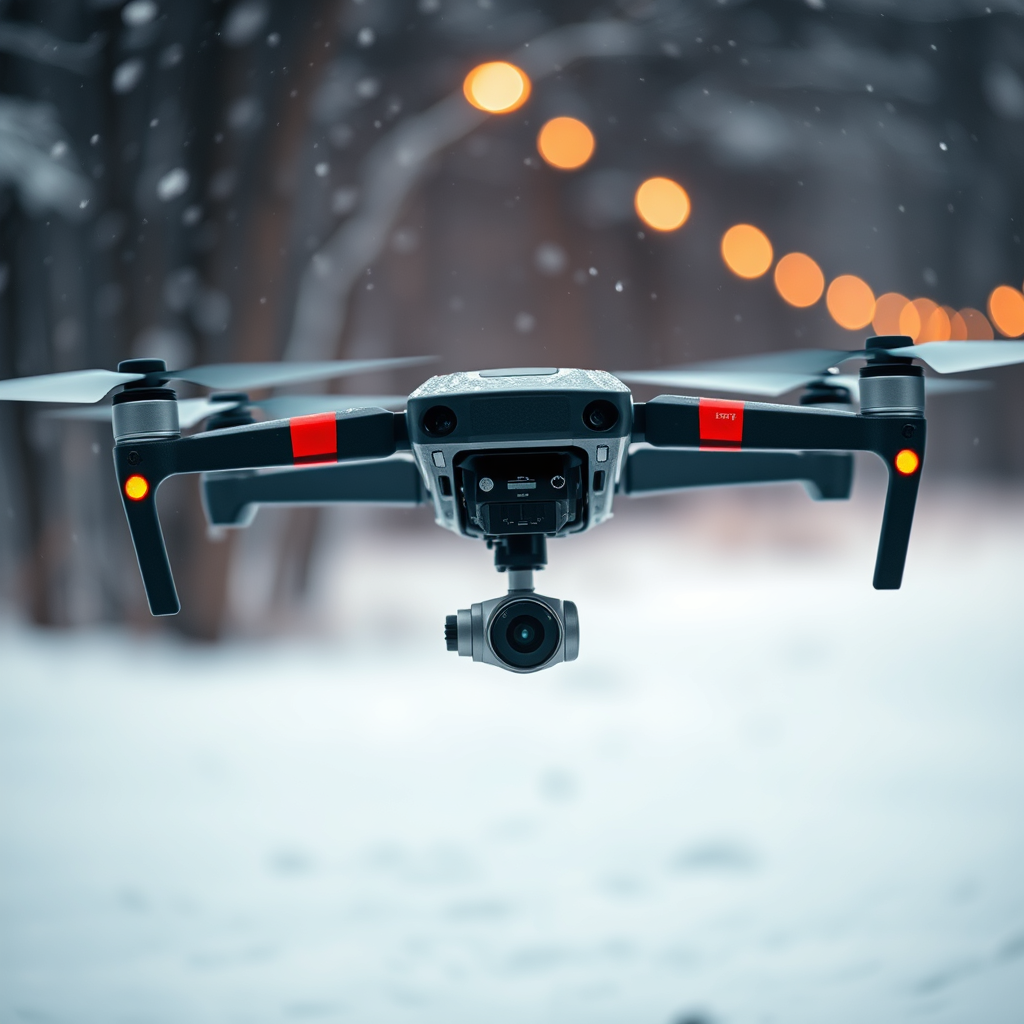
Before embarking on a snowy flight, thorough preparation is key to ensuring your drone operates smoothly. Start by inspecting the propellers, as snow can easily accumulate on them, leading to imbalances or even crashes. It’s advisable to bring a soft cloth or a small brush to clean off any snow that may settle during your flight.
Moreover, consider using protective covers or modifications to shield sensitive components from moisture and snow. Many manufacturers offer weather-resistant cases or skins specifically designed for colder conditions. These covers can protect critical electronics and keep the internal components dry. Furthermore, preheating the batteries indoors before your flight can help mitigate some of the cold weather effects, ensuring better performance and longer flight times.
Best Practices for Flying Drones in the Snow
To maximize the potential of your drone in snowy conditions, follow best practices that enhance visibility and control. Choose a clear day with minimal wind, as overcast skies and strong winds can hinder your ability to see the drone and manage its flight path effectively. Flying during a light snowfall can create beautiful visuals but may also obscure visibility, so plan your flights strategically.
Additionally, flying at lower altitudes will help avoid significant snow accumulation on the drone. This tactic not only allows you to maintain better control but also enhances the visibility of your drone’s surroundings. Keeping your flight path clear of snow-laden trees and structures will also reduce the risk of accidents.
Safety Considerations While Flying in Snow
Safety should always be a priority when flying a drone, especially in winter conditions. Avoid flying over icy surfaces, as a crash could be dangerous or make retrieval challenging. Icy conditions can lead to unpredictable drone behavior, and any accidents can result in costly damage or loss of the drone.
Moreover, keeping the drone within line of sight is crucial, particularly when snow begins to fall, as visibility can quickly change. Always maintain visual contact with your drone and be prepared to land if conditions worsen. Using a visual observer can also help, providing an extra set of eyes to monitor the drone’s flight path while you focus on piloting.
Tips for Capturing Great Snowy Footage
Capturing breathtaking footage in snowy conditions requires some adjustments to your camera settings. Use camera settings that enhance contrast, such as increasing the exposure compensation to prevent the white snow from washing out your images. Utilizing a flat color profile can also help retain details in both the highlights and shadows, allowing for greater flexibility during post-processing.
Experimenting with different angles and heights can yield stunning winter shots. Low-angle shots can emphasize the snow-covered landscape, while aerial views can capture the vastness and beauty of winter scenes. Additionally, consider using the golden hours of sunrise or sunset for the best lighting, as the warm tones can beautifully contrast the cool whites of the snow.
Legal Regulations for Flying Drones in Winter
Before taking to the skies, it is essential to familiarize yourself with local regulations regarding drone flights, especially during winter weather conditions. Some areas may have specific guidelines or restrictions in place due to increased risks associated with snow and ice. Always check for any temporary airspace restrictions or no-fly zones in your intended flight area.
If you plan to fly in protected or restricted areas, ensure that you have the necessary permits and permissions. Being compliant with local laws not only helps you avoid fines but also contributes to the overall safety of drone operations in winter conditions.
In conclusion, flying a drone in the snow is entirely feasible, provided you take the necessary precautions and remain aware of the unique challenges presented by winter weather. By understanding your drone’s limitations, preparing adequately, and adhering to best practices and safety tips, you can enjoy capturing the stunning beauty of snowy landscapes while ensuring the longevity and functionality of your equipment. Whether you are a hobbyist or a professional, embracing these guidelines will enhance your winter flying experience.
Frequently Asked Questions
Can you fly a drone in snowy weather?
Yes, you can fly a drone in snowy weather, but there are important precautions to consider. Snow can affect the performance of your drone, particularly in terms of battery life, visibility, and the potential for moisture damage. It’s advisable to use drones that are designed for cold weather and to monitor battery levels closely, as cold temperatures can significantly reduce flight time. Additionally, ensure that your drone’s camera lens is clean and clear for optimal visibility.
What are the risks of flying a drone in the snow?
Flying a drone in the snow comes with various risks, including reduced battery efficiency, loss of control due to slippery conditions, and the potential for moisture entering sensitive electronic components. Snow can also obstruct your drone’s sensors, affecting its ability to navigate safely. To mitigate these risks, avoid flying in heavy snowfall, monitor weather conditions, and ensure your drone is properly maintained before takeoff.
How does cold weather affect drone battery life?
Cold weather can significantly impact drone battery life, reducing its performance and leading to shorter flight times. Lithium polymer batteries, commonly used in drones, are especially sensitive to cold temperatures, which can cause them to discharge more rapidly. To combat this, keep your batteries warm before use and consider using insulated battery cases. Additionally, plan for shorter flight durations in cold conditions to ensure a safe return.
What should I do to prepare my drone for flying in the snow?
To prepare your drone for flying in the snow, first ensure it is equipped for cold weather with features like water resistance or a winter mode if available. Check the battery condition and keep it warm before flying, as this can help maintain optimal performance. Also, inspect the drone for snow build-up, which can affect propeller function and sensor accuracy, and consider using a lens hood to keep the camera clear of snowflakes.
Which drones are best suited for flying in snowy conditions?
Drones that are specifically designed for rugged conditions, such as the DJI Mavic series or the DJI Phantom 4, are well-suited for flying in snowy weather due to their robust construction and advanced stability features. Look for drones with good weather resistance ratings and reliable battery performance in low temperatures. Additionally, drones with GPS capabilities can help maintain stability and control in snowy environments, enhancing safety during your flights.
References
- https://www.faa.gov/uas/getting_started/fly_for_fun
- https://www.nasa.gov/feature/nasa-drone-research-in-the-snow
- https://www.wired.com/story/flying-drones-in-snow-cold-weather/
- https://www.dronepilotgroundschool.com/cold-weather-drone-flying-tips/
- https://www.sciencedirect.com/science/article/pii/S2352864819300395
- https://www.theguardian.com/technology/2021/jan/29/drone-snow-weather-challenges
- https://www.dronelife.com/2020/12/14/winter-drone-flying-tips-for-snow-and-cold-weather/
- https://www.nist.gov/news-events/news/2021/01/using-drones-snowy-conditions
