

Yes, you can fly a drone in the snow, but there are several important factors to consider to ensure safe operation and optimal performance. Snowy conditions can present unique challenges, such as reduced battery life and potential damage to the drone’s components. Proper preparation and awareness of the environment are essential for a successful flight experience in winter conditions. This article will guide you through the challenges and precautions necessary when flying your drone in snowy conditions.
Understanding Drone Limitations in Cold Weather
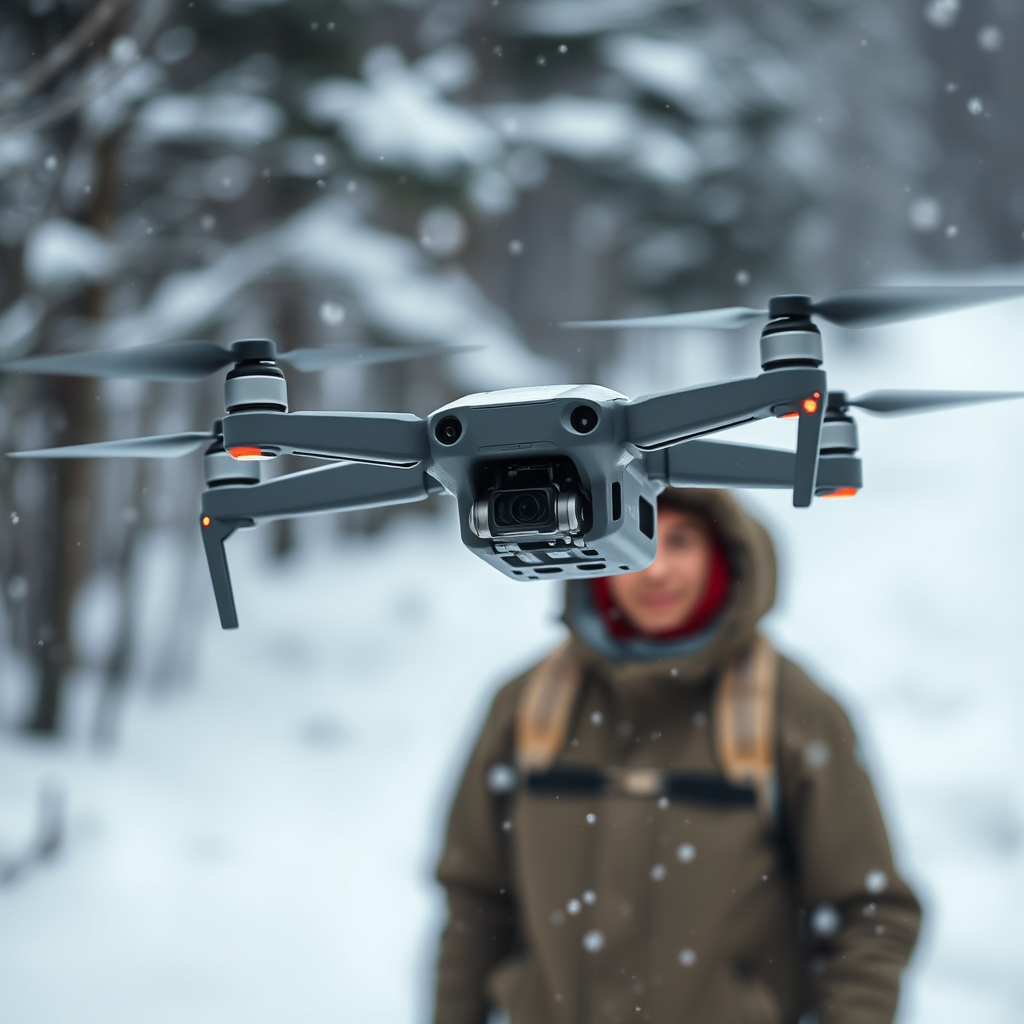
Cold weather can significantly impact the performance of your drone. One of the most critical aspects to consider is battery life. Lithium polymer (LiPo) batteries, commonly used in drones, are particularly sensitive to temperature changes. In cold weather, the chemical reactions within the battery slow down, leading to a decrease in voltage and, consequently, a shorter flight time. For instance, a drone that typically offers a flight time of 20 minutes in optimal conditions may only last 10-15 minutes in frigid temperatures. Therefore, it’s advisable to monitor battery levels closely and keep a spare battery warm in an insulated pouch to ensure reliable performance.
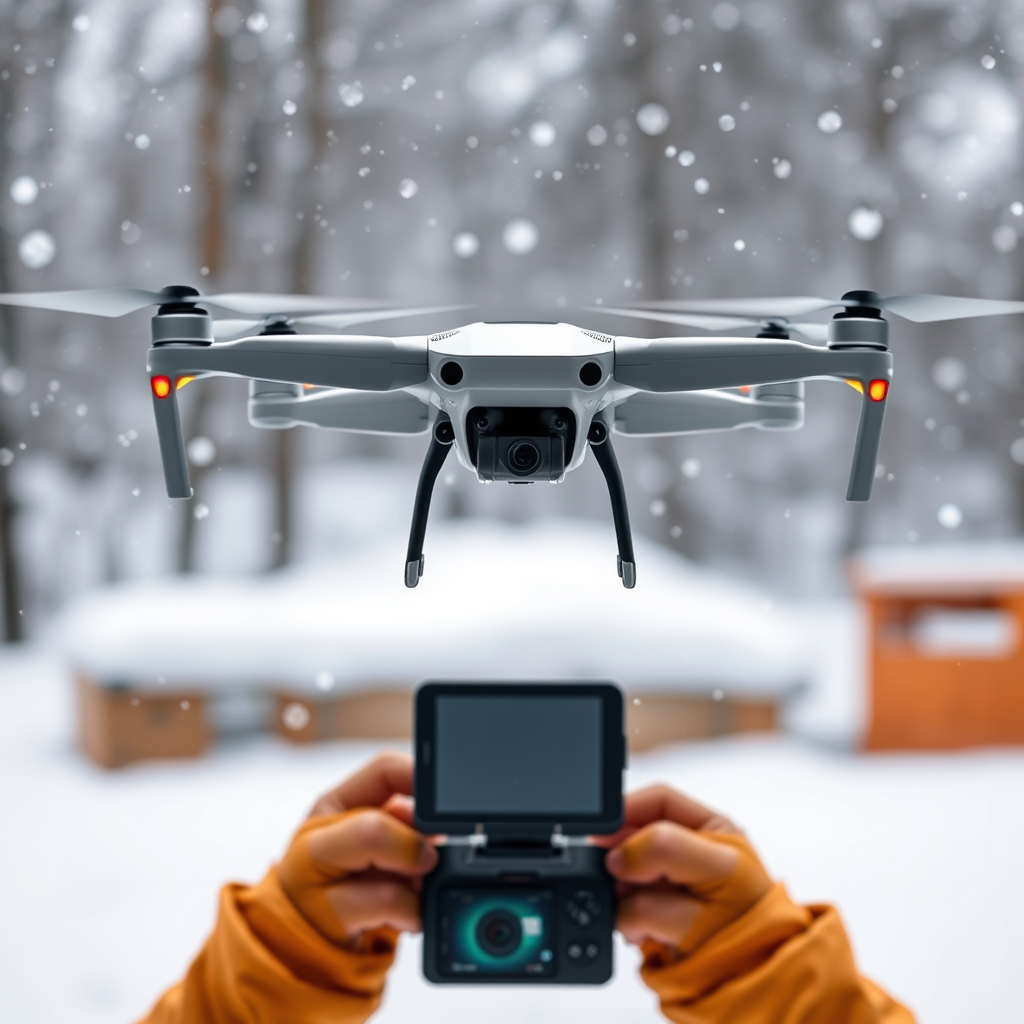
Additionally, snow and moisture pose risks to the drone’s electronic components. If snow gets into sensitive areas, such as the motors and cameras, it can cause malfunctions or permanent damage. To mitigate these risks, it is crucial to know the specific limitations of your drone model regarding temperature and weather conditions. Always consult the manufacturer’s guidelines before attempting to fly in snowy weather.
Preparing Your Drone for Snowy Conditions
Preparation is key when flying a drone in the snow. One effective measure is to use propeller guards. These guards not only protect the propellers from potential damage but also minimize the risk of snow accumulation on the blades, which can affect performance and stability. By preventing snow from weighing down the drone, you enhance its maneuverability and safety.
Moreover, consider investing in a weather-resistant drone. Some models are designed to withstand harsh environments, including rain and snow. These drones often feature sealed electronic compartments to prevent moisture ingress. If you opt for a standard drone, consider using a protective casing or waterproofing spray to protect sensitive components. Additionally, perform a pre-flight checklist that includes checking all connections and ensuring that the drone is free of ice and snow before taking off.
Best Practices for Flying Drones in the Snow
When flying in snowy conditions, following best practices can enhance your experience and safety. First, choose open areas with minimal obstacles. Snow-covered landscapes can obscure visual markers and make it difficult to judge distances, increasing the risk of collisions. Flying in wide, unobstructed spaces will allow for easier navigation and help you maintain line of sight with your drone.
Always monitor weather conditions closely. Sudden changes in weather, such as the onset of snowstorms, can drastically reduce visibility and make flying dangerous. Use reliable weather apps or websites to stay informed about current conditions and forecasts. If you notice deteriorating weather, it is best to abort the flight and land your drone safely.
Maintaining Your Drone After Snow Flight
Post-flight maintenance is crucial to ensure the longevity and reliability of your drone after flying in snow. First, thoroughly clean the drone to remove any snow, moisture, or ice that may have accumulated. Use a soft cloth to wipe down the exterior, and make sure to clean the propellers and landing gear as well. Any residual moisture can lead to corrosion or electrical issues if not properly addressed.
Additionally, inspect the drone for any potential damage or wear. Examine the propellers for cracks or chips, check the motors for ice buildup, and ensure all electronic components are functioning correctly. It may also be wise to allow the drone to dry completely before storing it away, as lingering moisture can lead to malfunctions in future flights.
Legal Considerations for Flying in Snow
Before flying your drone in snowy conditions, it is essential to familiarize yourself with local regulations regarding drone usage. Some areas may have specific rules about flying during inclement weather or in certain locations that may be affected by snow. For instance, restrictions might apply to flying near airports, public spaces, or private property.
Additionally, be aware of any temporary flight restrictions that may be enacted due to adverse weather conditions. Always check for updates from local aviation authorities or drone governing bodies to avoid legal complications. Ignoring these regulations can lead to fines or other penalties, so being informed is crucial for responsible drone operation.
Tips for Capturing Great Footage in the Snow
Snowy landscapes can provide breathtaking visuals, but capturing great footage requires some adjustments to your camera settings. One of the key challenges when shooting in snow is dealing with the bright reflections that can wash out images. To counteract this, consider adjusting the exposure settings on your drone’s camera. Reducing the exposure compensation can help preserve details in the highlights, resulting in more balanced imagery.
Using filters can also enhance image quality in snowy conditions. Polarizing filters can help reduce glare and improve color saturation, making the snow appear whiter and the sky bluer. Additionally, consider shooting in RAW format, which allows for greater flexibility in post-processing, enabling you to adjust exposure and color balance more effectively.
Common Mistakes to Avoid When Flying Drones in Snow
When flying drones in snowy conditions, several common mistakes can lead to trouble. One significant error is ignoring battery performance issues in the cold. Pilots often underestimate how quickly battery life can deplete in low temperatures, leading to unexpected landings or crashes. Always plan for shorter flight times and keep an eye on battery levels throughout the flight.
Another mistake is failing to account for reduced visibility during snowstorms or heavy snowfall. It can be challenging to maintain line of sight with your drone when visibility is poor, increasing the risk of losing control. If conditions worsen during your flight, it is crucial to land the drone as soon as it is safe to do so.
In summary, flying a drone in the snow can be a rewarding experience if done with caution and preparation. By understanding drone limitations in cold weather, preparing your drone appropriately, following best practices, and maintaining the equipment post-flight, you can enjoy successful and safe winter flights. Always keep legal considerations in mind and employ techniques to capture stunning footage. Avoid common mistakes by being vigilant about battery life and visibility, and you’ll find that snowy environments can offer some of the most beautiful aerial photography opportunities.
Frequently Asked Questions
Can you fly a drone in the snow safely?
Yes, you can fly a drone in the snow, but you need to take certain precautions to ensure safety and optimal performance. Snow can affect battery life due to colder temperatures, so it’s essential to monitor your drone’s battery levels closely. Additionally, avoid flying in heavy snowfall or windy conditions, as these can impact visibility and control. Always check your drone’s specifications regarding temperature limits and ensure that it is equipped for winter conditions.
What should I consider before flying my drone in snowy conditions?
Before flying your drone in snowy conditions, consider factors such as battery performance, visibility, and potential moisture exposure. Cold temperatures can reduce battery efficiency, so it’s advisable to keep spare batteries warm and to use them promptly. Additionally, ensure that your drone’s camera and sensors are clear of snow and ice to maintain functionality. Lastly, check local regulations regarding drone flights in winter weather before taking off.
How does cold weather affect drone battery life when flying in snow?
Cold weather can significantly impact drone battery life, as lithium-polymer (LiPo) batteries perform poorly in low temperatures. When flying in snowy conditions, you may experience a reduced flight time, as the battery discharges faster. To mitigate this, try to keep your batteries warm before and during flight, and consider using insulated battery bags or pouches to maintain their temperature. Always plan for shorter flight times in winter conditions.
Why do some drones struggle in snowy weather?
Some drones struggle in snowy weather primarily due to their sensitivity to cold temperatures and moisture. Snow can accumulate on the drone, affecting its weight and aerodynamics, while moisture can damage electronic components or interfere with sensors. Additionally, the combination of cold and moisture can lead to ice forming on propellers, which can impair flight stability. Choosing a drone designed for cold weather and properly maintaining it can help alleviate these issues.
What are the best practices for flying a drone in snowy conditions?
The best practices for flying a drone in snowy conditions include checking weather forecasts, keeping your drone warm, and avoiding flying during heavy snowfall or strong winds. Always inspect your drone for snow accumulation or ice buildup before takeoff and ensure that all sensors are functioning properly. It’s also wise to fly at lower altitudes to maintain control and visibility. Finally, familiarize yourself with local drone regulations specific to winter weather to ensure compliance and safety.
References
- https://en.wikipedia.org/wiki/Drone
- https://www.faa.gov/uas/getting_started/part_107/
- https://www.nasa.gov/centers/dryden/pdf/87348.pdf
- https://www.theguardian.com/technology/2020/jan/20/drones-snow-challenges
- https://www.abc.net.au/news/2021-01-05/drones-in-the-snow-safety-and-legal-issues/13035866
- https://www.dronepilotgroundschool.com/can-you-fly-a-drone-in-the-snow/
- https://www.suavcoach.com/can-you-fly-a-drone-in-the-snow/
