

Yes, you can fly a drone in the White Mountains, but there are specific regulations and guidelines you need to follow. The breathtaking scenery and diverse landscapes of this region make it an attractive location for drone enthusiasts. However, to ensure a safe and enjoyable experience, it is crucial to familiarize yourself with the applicable laws and best practices related to drone operation in this area.
Regulations and Restrictions
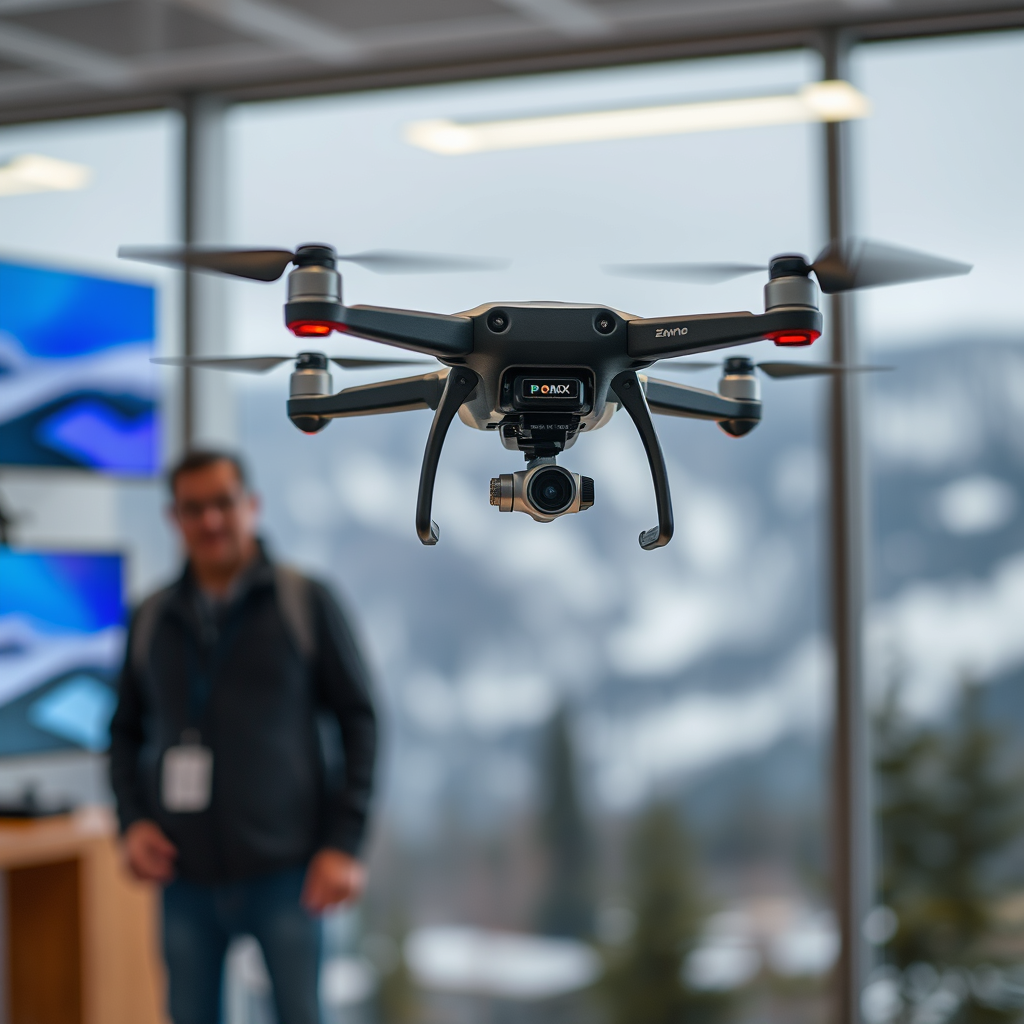
Flying a drone in the White Mountains requires adherence to both federal and state regulations. The Federal Aviation Administration (FAA) governs drone usage across the United States, mandating that users follow specific rules to operate drones safely. For recreational flyers, registering your drone is required if it weighs over 0.55 pounds. Additionally, you must fly below 400 feet, maintain visual line of sight, and avoid flying near airports or other restricted airspace.
In addition to federal regulations, it is essential to be aware of New Hampshire’s state-specific laws regarding drone operation. New Hampshire has enacted its own rules that may affect where and how you can fly. For instance, drone operators must not use their devices to invade the privacy of individuals or to conduct surveillance without proper authorization. Furthermore, state parks and certain state-managed lands may have additional restrictions, so checking local regulations before your visit is vital.
Designated Flying Areas
To maximize your flying experience, it is important to identify designated drone zones within the White Mountains. The U.S. Forest Service manages many areas in the region and has established specific locations where drone flying is permitted. Popular spots include certain sections of the National Forest that do not overlap with critical wildlife habitats or recreation areas.
Conversely, it is crucial to avoid restricted zones such as national parks, which prohibit drone use entirely. For example, areas like the Franconia Notch State Park and the White Mountain National Forest have strict policies against drone flying to protect wildlife and preserve the natural environment. Additionally, always respect private properties; flying over someone’s land without permission could lead to legal repercussions. Being well-informed about these designated areas will help ensure a responsible and enjoyable flying experience.
Safety Guidelines
Safety should be a top priority for every drone operator. To fly responsibly in the White Mountains, always maintain a visual line of sight with your drone, which not only helps you navigate but also promotes safety by reducing the risk of collisions with other aircraft or obstacles. Avoid flying over crowds, wildlife, or sensitive areas, as this can lead to accidents or disturb local fauna.
Another critical aspect of safety is monitoring weather conditions. The mountainous terrain can lead to rapidly changing weather, which may include strong winds, rain, or low visibility. Checking forecasts and being prepared for sudden changes will help you make informed decisions about when and where to fly your drone. Carrying a lightweight, portable weather monitor can also be beneficial for assessing conditions in real-time.
Environmental Considerations
The White Mountains are home to diverse wildlife and unique ecosystems, making it essential for drone operators to consider their environmental impact. Be aware of nesting seasons for birds and other wildlife, as flying too close to their habitats can disturb them and disrupt their natural behaviors. For instance, many bird species in the region are sensitive to noise, and drones can inadvertently cause stress to nesting pairs.
Practicing “Leave No Trace” principles while flying is another effective way to protect the environment. This includes minimizing your impact on the landscape, avoiding litter, and respecting wildlife habitats. Educating yourself on the local flora and fauna will further enhance your understanding of how to interact responsibly with the environment while enjoying your drone flying experience.
Equipment Recommendations
Selecting the right drone for mountainous terrain is crucial for a successful flying experience. Drones that feature robust stabilization systems, high-quality cameras, and long battery life are ideal for capturing the stunning vistas of the White Mountains. Consider models such as the DJI Mavic Air 2 or the Autel Robotics EVO Lite+, which are well-suited for handling varying weather conditions and rugged landscapes.
In addition to choosing the right drone, investing in essential accessories can enhance your flying experience. Extra batteries are crucial, as they allow for longer flight times, particularly in remote areas where charging options are limited. A durable drone case will protect your equipment during transport and storage, while propeller guards can help prevent damage during takeoff and landing in tight spaces.
Local Resources and Communities
Connecting with local drone clubs can significantly enhance your flying experience in the White Mountains. These groups often provide valuable information about the best flying spots, local regulations, and tips for navigating the unique challenges of the region. They can also foster a sense of community, allowing you to share experiences and learn from fellow drone enthusiasts.
Additionally, online forums and social media groups offer a wealth of resources for drone operators. Websites such as the DJI Forum or Reddit’s r/drones subreddit can provide insights into the best practices for flying in the White Mountains, as well as updates on any changes to regulations or designated flying areas. Engaging with these platforms can help you stay informed and connected to the larger drone community.
In conclusion, flying a drone in the White Mountains can be an exciting adventure if you adhere to the necessary regulations and guidelines. By understanding federal and state laws, identifying designated flying areas, prioritizing safety, and respecting the environment, you can ensure a rewarding experience. Remember to connect with local resources for additional support and insights. Happy flying!
Frequently Asked Questions
Can you fly a drone in the White Mountains National Forest?
Yes, you can fly a drone in the White Mountains National Forest, but there are specific regulations that you must follow. The Federal Aviation Administration (FAA) governs drone usage nationwide, so all pilots must adhere to FAA guidelines, which include flying below 400 feet and keeping the drone within visual line of sight. Additionally, you should check with the U.S. Forest Service for any local restrictions or seasonal closures that may affect drone flying in particular areas of the forest.
What are the drone regulations in New Hampshire for flying in the White Mountains?
In New Hampshire, drone pilots must comply with both state and federal regulations when flying in the White Mountains. This includes registering your drone with the FAA if it weighs more than 0.55 pounds and following the “Know Before You Fly” guidelines, which emphasize safety and respect for privacy. It’s essential to avoid flying near wildlife, especially in sensitive habitats, and to be aware of any specific restrictions set by the White Mountain National Forest, such as designated no-fly zones.
How can I find the best locations to fly my drone in the White Mountains?
To find the best locations for flying your drone in the White Mountains, consider using online resources and local drone enthusiast communities. Websites like AirMap or DroneDeploy provide maps of airspace restrictions and popular flying spots. Additionally, local forums and social media groups can offer insights from experienced drone pilots who have flown in the area, helping you identify scenic locations that enhance your aerial photography or videography.
Why should I check for wildlife regulations before flying my drone in the White Mountains?
Checking for wildlife regulations before flying your drone in the White Mountains is crucial to protect both the environment and your flying experience. Drones can disturb wildlife, especially during nesting and breeding seasons, leading to potential fines or legal repercussions. By understanding and adhering to these regulations, you ensure responsible drone usage while contributing to the preservation of the natural habitat and maintaining a respectful distance from wildlife.
Which drones are best suited for flying in mountainous regions like the White Mountains?
When flying in mountainous regions like the White Mountains, it’s best to choose drones that are known for their stability, wind resistance, and excellent camera capabilities. Models such as the DJI Mavic Air 2 or the DJI Phantom 4 Pro are popular choices due to their robust flight performance and high-quality imaging. Additionally, consider drones with longer battery life and GPS capabilities, as these features can enhance your flying experience in challenging terrains.
References
- https://www.fs.usda.gov/main/whitemountains/home
- https://www.nh.gov/safety/divisions/nhsp/faq/drone-use.html
- https://www.white-mountain-national-forest.com/drone-regulations.html
- https://www.nh.gov/safety/divisions/nhsp/faq/drone-use.html
- https://www.nhstateparks.org/activities/drone-use-in-state-parks
- https://www.nps.gov/articles/drone-use-in-national-parks.htm
- https://www.faa.gov/uas/where_to_fly/
- https://www.nh.gov/safety/divisions/nhsp/faq/drone-use.html
