

Yes, you can fly a drone in Vancouver, but there are specific regulations and guidelines you must follow to ensure safety and compliance with the law. Understanding these rules will help you enjoy your drone flying experience without any issues. As drone technology continues to evolve and gain popularity, it is essential for operators to stay informed about the legal landscape surrounding drone use in Vancouver, as well as the broader context in Canada. This article will delve into the essential regulations, no-fly zones, registration requirements, safety guidelines, local regulations, and best practices for responsible drone flying.
Overview of Drone Regulations in Canada
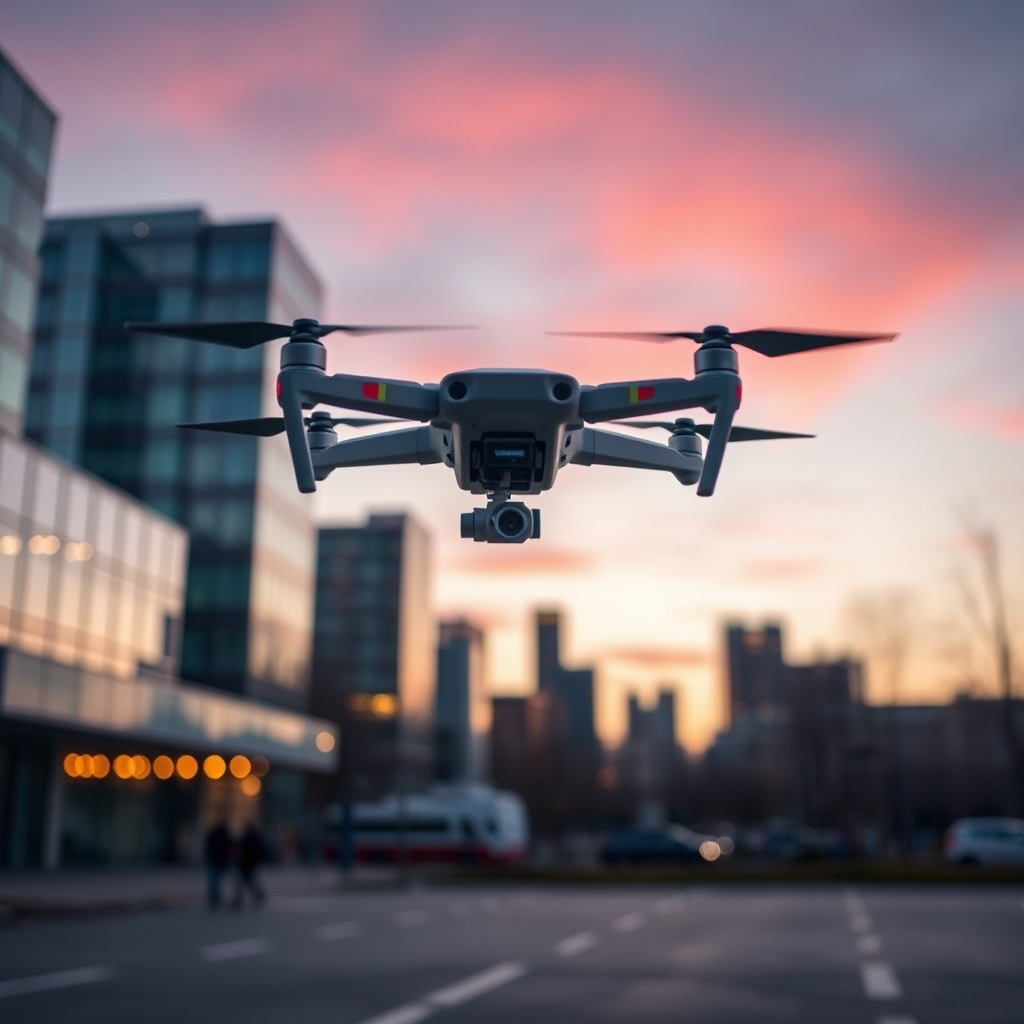
In Canada, drone operations are regulated by Transport Canada under the Canadian Aviation Regulations (CARs). These regulations are designed to ensure the safety of both drone operators and the general public. Depending on the weight and intended use of the drone, operators are required to obtain a valid drone pilot certificate. For drones weighing more than 250 grams and less than 25 kilograms, operators need to acquire either a Basic or Advanced Pilot Certificate. The Basic Certificate allows pilots to operate drones in uncontrolled airspace, while the Advanced Certificate is required for flights in controlled airspace, near airports, or in other complex environments.
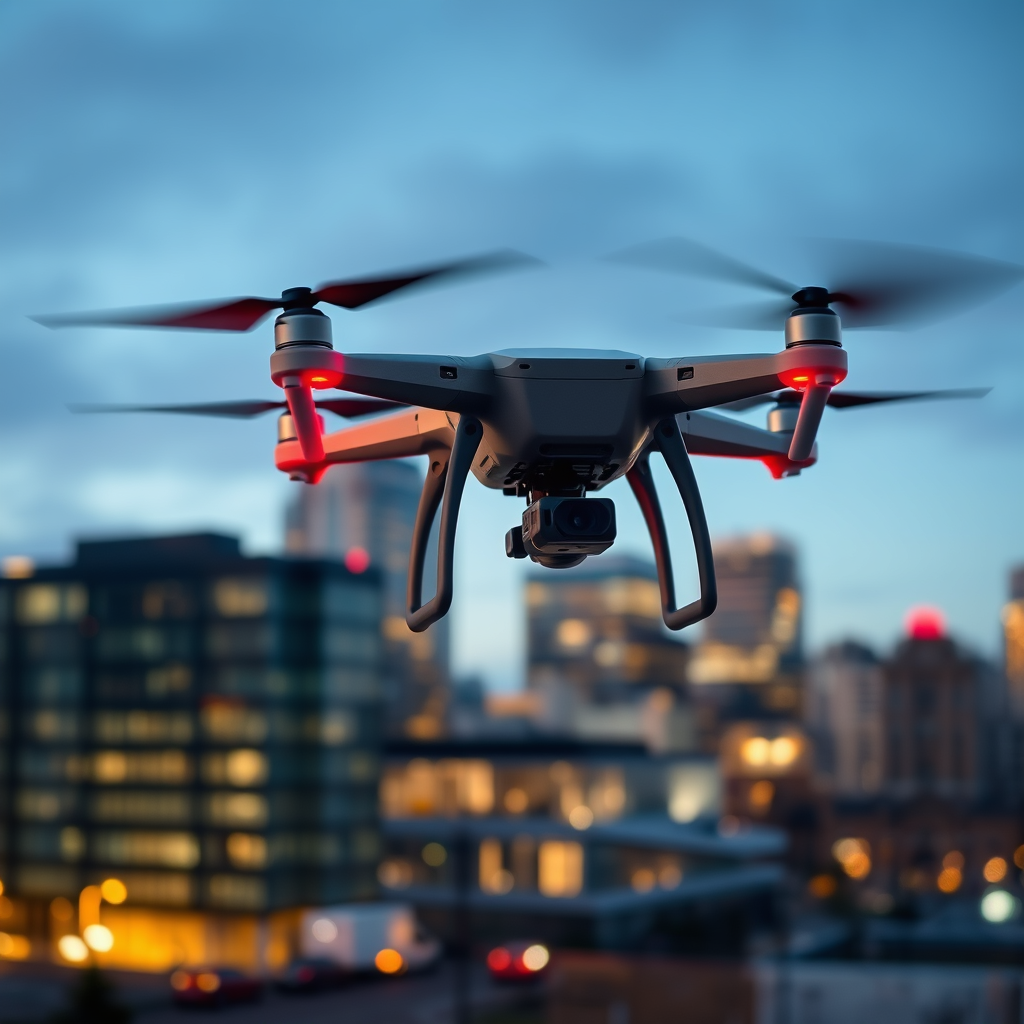
It is crucial for drone operators to familiarize themselves with these regulations, which include specific rules regarding flight altitude, distance, and the operation of drones in proximity to people and property. Furthermore, drone operators must adhere to any additional local bylaws that may apply.
No-Fly Zones in Vancouver
In Vancouver, there are designated no-fly zones that drone operators must respect to ensure airspace safety and security. Areas such as airports, hospitals, and government buildings are classified as restricted zones where drone flights are explicitly prohibited. The Vancouver International Airport (YVR) is particularly sensitive, as it handles a significant volume of air traffic. Operators must maintain a safe distance from these areas to avoid potential collisions and legal repercussions.
Additionally, it is essential to stay informed about temporary flight restrictions (TFRs) that may be implemented due to special events, emergencies, or other significant occurrences. Resources such as Notams (Notice to Airmen) and local aviation authorities can provide up-to-date information on any changes in the airspace that could affect your drone flight plans.
Drone Registration Requirements
Transport Canada mandates that all drones weighing over 250 grams must be registered before operation. The registration process is straightforward and can be completed online through the Transport Canada website. Once registered, drone operators will receive a unique identification number that must be visibly marked on the drone itself. This regulation is in place to promote accountability among drone users and to aid in identifying operators in the event of violations or incidents.
Operators should also be aware that failure to register a drone can result in fines and penalties, further emphasizing the importance of compliance. Keeping registration documents and proof of certification accessible is advisable for operators, as they may be required to present them during inspections or inquiries.
Safety Guidelines for Flying Drones
Safety should be the foremost priority for any drone operator, and adhering to established safety guidelines is essential. One of the key rules is to maintain a visual line of sight with your drone at all times during flight. This practice helps prevent accidents and allows operators to react promptly to any unforeseen circumstances.
Furthermore, drone operators should avoid flying over crowds or densely populated areas to minimize risks associated with potential crashes. Keeping a safe distance from people, animals, and private property is not only a legal requirement but also a matter of ethical responsibility. Employing proper pre-flight checks, including ensuring the drone is in good working condition and that all components are functioning correctly, can further enhance safety during operations.
It is also prudent to stay updated on weather conditions, as adverse weather can significantly affect drone performance. High winds, rain, and poor visibility are factors that can make flying dangerous and should be taken into account before launching a drone.
Specific Local Regulations in Vancouver
In addition to federal regulations, Vancouver has specific municipal bylaws that impose additional restrictions on drone flights, particularly in public spaces and parks. For instance, the City of Vancouver’s Parks Board has established guidelines that may limit or prohibit drone use in certain parks or recreational areas, particularly those frequented by large numbers of visitors. It is important for drone operators to check with local authorities to understand any restrictions that may apply in the areas they plan to fly.
Moreover, certain events or community gatherings may lead to temporary restrictions on drone flights. Checking with local event organizers or the city’s official website can provide valuable information on any such limitations.
Best Practices for Responsible Drone Flying
As a drone operator, practicing responsible flying is essential for fostering a positive relationship with the community and ensuring safety for everyone involved. One fundamental principle is to respect the privacy of individuals. Avoid filming or photographing people without their consent, as this can lead to privacy infringements and generate distrust among the public.
In addition to privacy considerations, it is crucial to follow community guidelines and engage with fellow drone enthusiasts to share knowledge and experiences. Joining local drone clubs or online forums can provide insights into best practices, local regulations, and opportunities for collaborative flying events. Adhering to ethical flying standards helps promote responsible drone use and contributes to a culture of safety and respect within the drone community.
In conclusion, while flying a drone in Vancouver is permissible, it is critical to adhere to the various regulations and guidelines. Understanding the federal and local regulations, including no-fly zones, registration requirements, and safety guidelines, can significantly enhance your experience as a drone operator. By staying informed and responsible, you can enjoy flying your drone while also ensuring the safety of others and compliance with the law. Remember, being a conscientious drone pilot not only protects you legally but also helps foster a vibrant and respectful drone community in Vancouver.
Frequently Asked Questions
Can you legally fly a drone in Vancouver?
Yes, you can legally fly a drone in Vancouver, but you must adhere to the regulations set by Transport Canada and local laws. This includes flying your drone below 122 meters (400 feet) and avoiding populated areas, as well as respecting no-fly zones around airports, parks, and certain public spaces. Always check for any additional municipal bylaws that may apply in specific locations, as these can vary.
What permits do I need to fly a drone in Vancouver?
Depending on the nature of your drone use, you may need to obtain a Special Flight Operations Certificate (SFOC) from Transport Canada if you intend to fly your drone for commercial purposes or in restricted areas. For recreational use, no permit is typically required, but you should register your drone if it weighs between 250 grams and 25 kilograms. Familiarize yourself with the rules outlined in the Canadian Aviation Regulations to ensure compliance.
Where are the best places to fly a drone in Vancouver?
The best places to fly a drone in Vancouver include parks and open spaces like Jericho Beach, Kitsilano Beach, and Queen Elizabeth Park, where you can capture stunning aerial views without disturbing people. However, always check for local regulations and fly responsibly, keeping a safe distance from crowds and wildlife. Avoid busy urban areas and sensitive locations like schools and hospitals to ensure a safe flying experience.
How do I find restricted areas for flying drones in Vancouver?
To find restricted areas for flying drones in Vancouver, you can consult the online maps provided by Transport Canada, which highlight no-fly zones such as airports and military installations. Additionally, using drone-specific apps like AirMap or UAV Forecast can help you identify airspace restrictions in real-time. Always verify local regulations and stay updated on any temporary restrictions that may be announced.
Why is it important to follow drone regulations in Vancouver?
Following drone regulations in Vancouver is crucial for safety, privacy, and the protection of wildlife and public spaces. Non-compliance can lead to fines, legal repercussions, and potential accidents that could harm people or property. By adhering to the rules, you contribute to responsible drone use, ensuring that everyone can enjoy the benefits of aerial photography and recreational flying while minimizing risks.
References
- https://www.tc.gc.ca/en/services/aviation/drone-safety.html
- https://www.vancouver.ca/home-property-development/drone-use.aspx
- https://www.cbc.ca/news/canada/british-columbia/drone-regulations-bc-1.5668000
- https://www.abc.net.au/news/2021-05-17/drone-regulations-what-you-need-to-know/100139604
- https://www.vancouver.ca/files/cov/drone-operations-permit.pdf
- https://en.wikipedia.org/wiki/Drone_regulations_in_Canada
- https://www.cfis.ca/Drone_Use_in_Canada.html
