
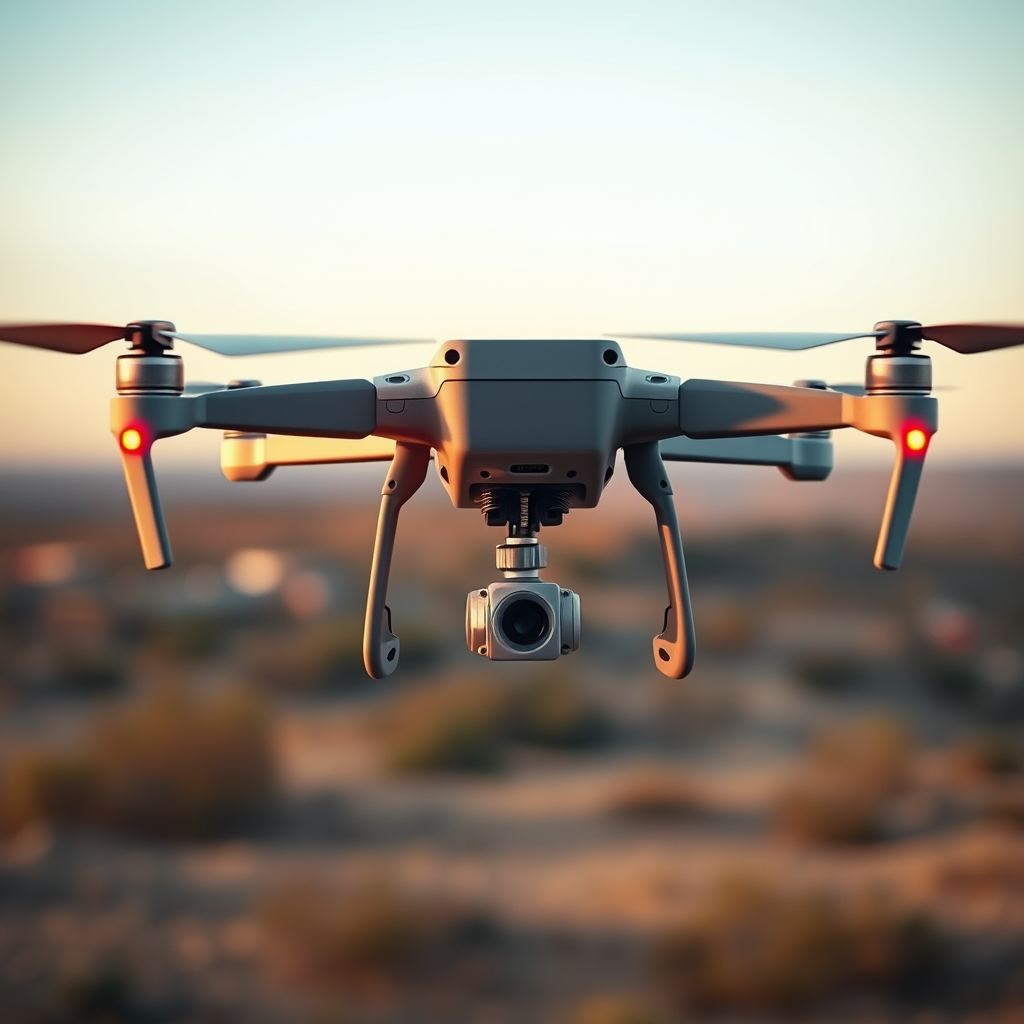
Yes, you can fly a drone in wind, but it depends on the wind speed and the type of drone. Understanding the limitations and safety tips can help you make an informed decision about flying in windy conditions. While some drones are designed to withstand moderate winds, others may struggle, making it crucial to assess both environmental conditions and your equipment before taking flight.
Understanding Wind Conditions
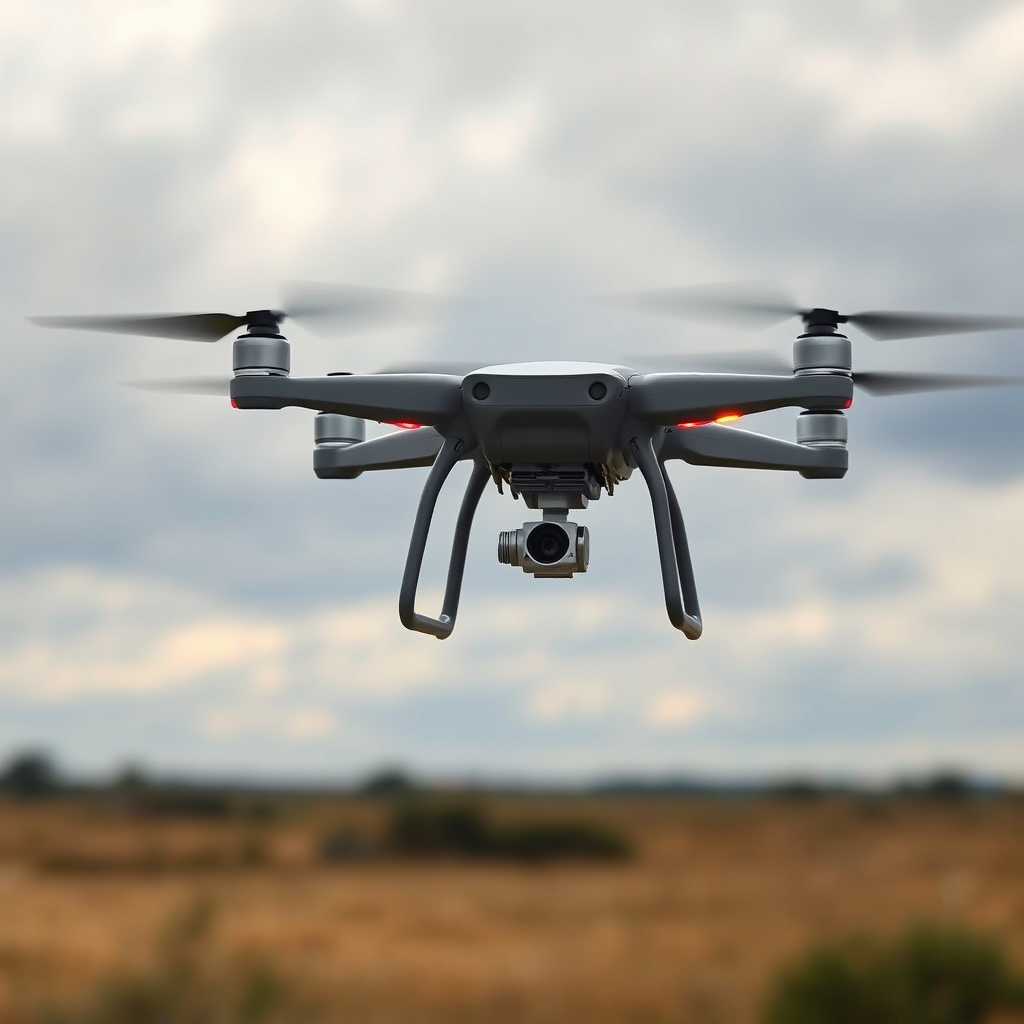
Wind is an omnipresent factor that can significantly impact drone flight. Different drones have varying tolerances to wind; therefore, it is essential to check your drone’s specifications before flying. Most consumer drones can handle light winds, typically defined as speeds up to 10 mph. In these conditions, pilots often find that drones maintain stable flight and perform well, allowing for smooth captures and navigation.
However, as wind speeds increase, the risks associated with flying a drone also escalate. Strong winds—those exceeding 20 mph—can lead to loss of control, erratic flight patterns, and potential crashes. Such conditions may render even the most skilled pilots powerless against unexpected gusts. It is advisable to keep a close watch on local weather reports and use wind speed indicators to gauge whether conditions are suitable for flying.
Moreover, understanding different wind patterns is vital. Wind can vary significantly at different altitudes and around obstacles, so being aware of local terrain can help predict how the wind might affect your drone’s performance.
Types of Drones and Their Wind Resistance
The type of drone you are flying plays a critical role in how well it can handle windy conditions. Racing drones, for example, are built for agility and speed, often featuring powerful motors and lightweight designs that allow them to perform well in higher wind speeds. Their responsiveness can help pilots maneuver through gusts effectively.
On the other hand, entry-level drones are generally more susceptible to wind interference. These models, designed for beginners, often lack the advanced stabilization features found in higher-end options, making them unsuitable for windy conditions. If you own a beginner drone, it’s wise to refrain from flying in anything above light winds to avoid potential crashes and damage.
Professional drones, such as those used for aerial photography or commercial applications, often come equipped with sophisticated stabilization systems and robust airframes. These drones can manage moderate winds effectively, providing a more reliable flying experience. When selecting a drone, always consult the manufacturer’s guidelines regarding wind resistance to ensure optimal performance.
Safety Precautions for Flying in Wind
Safety should always be your top priority when flying a drone in windy conditions. Before each flight, perform a comprehensive pre-flight check to ensure your drone’s systems are functioning correctly. This includes checking battery levels, propeller integrity, and software updates, as any malfunction could be exacerbated by wind conditions.
Additionally, maintaining a lower altitude is advisable to reduce the effects of wind gusts. Flying lower can help mitigate the risk of being caught in unpredictable wind patterns that are often stronger at higher altitudes. Furthermore, always avoid flying near obstacles such as trees, buildings, or other structures, which can create turbulence and unexpected wind shifts, increasing the risk of accidents.
It is also essential to remain vigilant and ready to abort a flight if conditions worsen. If you notice your drone struggling to maintain stability or if the wind picks up unexpectedly, it is best to land immediately.
Techniques for Flying in Windy Conditions
When flying in windy conditions, employing specific techniques can help ensure a safer and more controlled flight. One effective method is to utilize GPS mode, which enhances stability by allowing the drone to automatically correct its position against wind disturbances. This feature is particularly beneficial for maintaining steady flight paths and capturing high-quality aerial footage.
When taking off and landing, adjust your flight path to face into the wind. This approach allows the drone to ascend and descend more safely, as facing the wind reduces the likelihood of being pushed off course. Additionally, be prepared for unanticipated changes in drone behavior, as gusts can cause sudden shifts in altitude or direction. Keeping your hands ready on the control sticks will allow for quick corrective action if needed.
Using the drone’s altitude control features can also be advantageous. If you notice the drone being pushed backward by the wind, don’t hesitate to increase altitude for a more stable environment.
Legal Regulations Regarding Drone Flights in Wind
Familiarizing yourself with local laws governing drone operations is crucial, particularly concerning flying in windy conditions. Different regions may have specific regulations that limit drone flights based on weather conditions, including wind speeds. For instance, certain jurisdictions may require pilots to avoid flying when wind speeds exceed a specified limit, or they may have no-fly zones during adverse weather conditions.
Always prioritize safety and legality over ambition when choosing to fly. Not only could flying in unsafe conditions put your drone at risk, but it could also lead to legal repercussions. Consult local aviation authorities or drone-specific regulations to ensure compliance.
Alternatives to Flying in Wind
If wind conditions are unfavorable, consider alternative options to ensure your drone flying experience remains enjoyable and safe. Indoor flying can be a viable solution, especially for smaller drones designed for enclosed spaces. Many enthusiasts enjoy indoor drone racing and training sessions, which allow for skill development without the challenges posed by outdoor weather.
Another option is to simply wait for calmer days to fly. Wind conditions can change rapidly, and patience can lead to a more successful outing. Monitoring weather forecasts and planning flights for when conditions are optimal can greatly improve your experience.
Lastly, flight simulators offer an excellent opportunity for practice without the risk of damaging your drone. Many high-quality simulators can replicate various weather conditions, including wind, allowing pilots to hone their skills and prepare for real-life flying scenarios.
In conclusion, while flying a drone in wind is possible, it requires careful consideration of the drone type, wind conditions, and safety precautions. Understanding the capabilities of your equipment, adhering to legal regulations, and employing effective flying techniques are all essential for ensuring a successful flying experience. By prioritizing safety and making informed decisions, you can enjoy the exhilarating world of drone flying, even when the wind picks up.
Frequently Asked Questions
Can you fly a drone in windy conditions?
Yes, you can fly a drone in windy conditions, but it’s crucial to consider the specific wind speeds and the drone’s capabilities. Most consumer drones can handle wind gusts of up to 15-20 mph, but flying in winds exceeding this limit can lead to instability, loss of control, or even crashes. Always check the manufacturer’s specifications and avoid flying in severe weather to ensure safety and optimal performance.
How do I determine if it’s too windy to fly my drone?
To determine if it’s too windy to fly your drone, check the local weather forecast for wind speed and gusts. A general rule of thumb is to avoid flying when sustained winds exceed 15 mph or when gusts are significantly stronger. Additionally, consider your drone’s specifications, as some models are more wind-resistant than others; consulting the user manual can provide clarity on suitable flying conditions.
Why is it dangerous to fly a drone in strong winds?
Flying a drone in strong winds can be dangerous due to the risk of losing control, which may result in crashes or damage to the drone. High winds can cause the drone to drift off course, making it difficult to maneuver or return safely. Additionally, strong winds can lead to battery drain as the drone works harder to maintain stability, increasing the chance of it falling or becoming unresponsive.
What is the best type of drone for windy conditions?
The best type of drone for windy conditions is one that is specifically designed for stability and durability in adverse weather. Drones with larger propellers, heavier frames, and advanced stabilization systems, such as the DJI Mavic series or professional-grade models like the DJI Phantom 4, tend to perform better in windy conditions. Always look for drones with wind resistance ratings and positive user reviews regarding their performance in such environments.
Which precautions should I take when flying a drone in windy weather?
When flying a drone in windy weather, take several precautions to ensure safety and performance. First, always perform a pre-flight check to ensure your drone is in good condition and fully charged. Second, choose a flying location that is open and free from obstacles, as strong winds can cause turbulence near buildings or trees. Lastly, maintain a close eye on your drone’s altitude and position, and be prepared to land immediately if conditions worsen or if you lose control.
References
- https://en.wikipedia.org/wiki/Unmanned_aerial_vehicle#Weather_conditions
- https://www.faa.gov/uas/resources/policy_library/
- https://www.nasa.gov/centers/dryden/pdf/87444.pdf
- https://www.asa.org.au/resources/drone-flying-in-wind
- https://www.dronepilotgroundschool.com/can-you-fly-a-drone-in-the-wind/
- https://www.theguardian.com/technology/2020/jun/30/how-to-fly-a-drone-in-bad-weather
- https://www.safewise.com/resources/drone-flying-in-wind/
- https://www.ucsusa.org/resources/how-fly-drone-wind
