
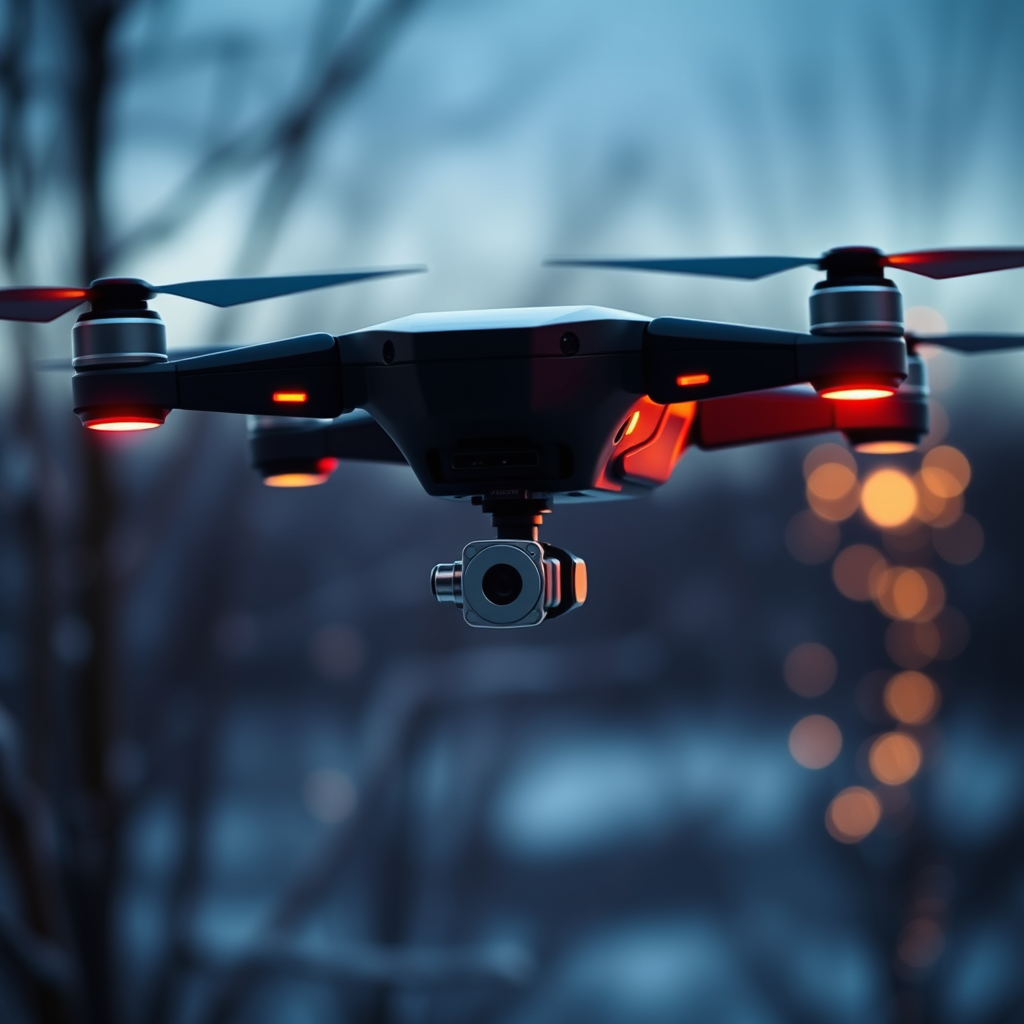
Yes, you can fly a drone in winter, but there are several important factors to consider to ensure safe and effective operation. Cold weather can significantly impact the performance of your drone, particularly in terms of battery life and flight stability. Understanding these challenges, along with proper preparation and adherence to best practices, will help you maximize your winter flying experience while capturing stunning footage of winter landscapes.
Understanding Cold Weather Effects on Drones
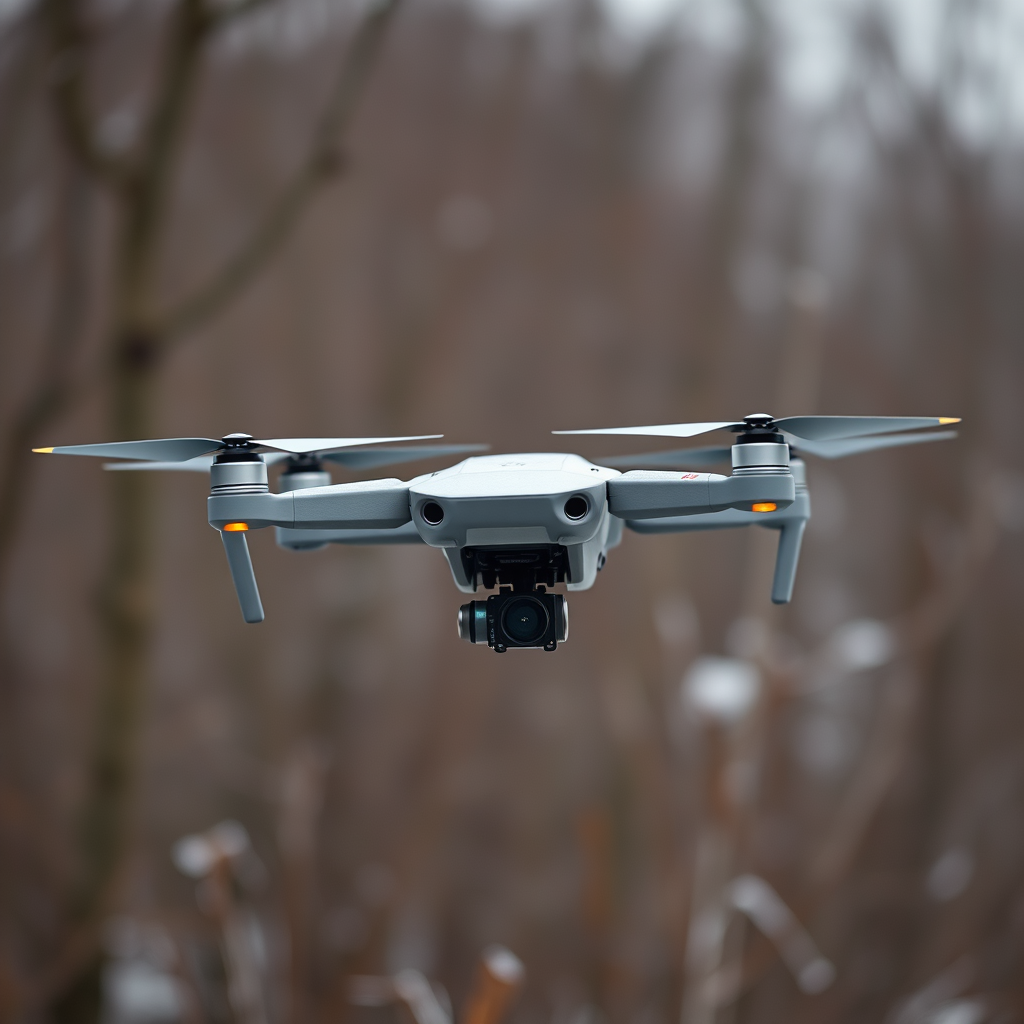
Cold temperatures pose several challenges for drone operators. One of the most critical issues is the effect of cold on battery performance. Lithium polymer (LiPo) batteries, commonly used in drones, can lose up to 40% of their capacity in temperatures below freezing. This means that a drone that typically flies for 25 minutes may only achieve around 15 minutes of flight time in frigid conditions. It’s essential to monitor battery levels closely and consider bringing extra charged batteries to avoid interruptions during your flight.
Moreover, cold weather can affect flight stability. Snow and ice can accumulate on the drone’s components, particularly on the propellers and sensors, leading to potential imbalances and reduced control. Ice build-up can also interfere with the drone’s GPS signal and obstacle avoidance systems, which are crucial for safe operation. Being aware of these factors will help you plan flights carefully and mitigate risks associated with winter flying.
Preparing Your Drone for Winter Conditions
Preparation is key to ensuring a successful winter drone flight. First and foremost, ensure that your drone is fully charged, as cold weather can drain batteries quickly. Consider warming your batteries before flight; keeping them in an insulated bag or close to your body can help maintain optimal temperatures. Additionally, familiarize yourself with the drone’s manual to understand its operating limits in cold weather.
Physical inspection of your drone is equally important. Cold temperatures can exacerbate any existing damage or wear, so check for cracks in the body, especially around the arms and propellers. Ensure that all components are securely attached and functioning properly. If you notice any issues, address them before taking your drone out for a flight.
Best Practices for Winter Drone Flying
When flying a drone in winter, adhering to best practices can significantly enhance safety and performance. It is advisable to avoid flying in heavy snow or extreme winds, as these conditions can obscure visibility and hinder control. Snow can also accumulate on the drone, impacting its weight and aerodynamics. Opt for clear, sunny days with minimal wind to ensure a smoother flying experience.
Using propeller guards is also a wise safety measure during winter flights. These guards can protect the propellers from ice, snow, or any debris that may be kicked up during operation. Additionally, flying at lower altitudes can help minimize the risk of damaging your drone, as you can quickly regain control if something goes awry. Always keep your drone within visual line of sight to maintain situational awareness.
Legal Considerations for Winter Drone Flying
Navigating the legal landscape of drone flying in winter is crucial. Before your winter flight, check local regulations regarding drone operations, as they can vary widely by region. Some areas may have temporary restrictions due to wildlife migrations or winter sports activities, which could limit where you are allowed to fly.
It’s also essential to adhere to the FAA regulations if you are in the United States. This includes maintaining the required altitude, keeping your drone within sight, and avoiding restricted airspaces. Staying informed about any changes in regulations will ensure that you fly responsibly and legally during the winter months.
Recommended Drones for Winter Use
When selecting a drone for winter flying, consider models that boast good cold-weather performance ratings. Drones specifically designed for harsh environments, such as the DJI Mavic 2 Enterprise or the Autel Robotics EVO Lite, can withstand lower temperatures and have features that enhance durability in icy conditions. Look for drones with weather-resistant capabilities, such as sealed electronics and robust materials, to protect against moisture and snow.
Additionally, consider the size and weight of the drone. Smaller, lightweight drones may be more affected by wind and snow, while heavier drones can provide better stability in adverse weather conditions. Ultimately, choose a model that meets your needs and has been tested for winter use.
Tips for Capturing Great Winter Footage
Winter landscapes offer unique opportunities for stunning photography and videography. To make the most of your winter drone flights, utilize the stark beauty of snowy fields, frosted trees, and frozen lakes. Early morning or late afternoon light can create a magical atmosphere, enhancing the visual appeal of your shots.
When capturing footage, adjust your camera settings to account for the bright snow and potential glare. Consider reducing exposure compensation to prevent overexposed highlights, and utilize filters to manage reflections. Additionally, experiment with different angles and perspectives to showcase the depth and beauty of winter scenes. Take your time to plan each shot, as thoughtful composition can transform ordinary footage into breathtaking visuals.
In conclusion, flying a drone in winter is possible with the right precautions and preparations. By understanding the effects of cold weather on drone performance and adhering to best practices, you can safely capture the beauty of winter landscapes. Always remain aware of legal considerations and choose the right equipment for the conditions, ensuring not only an enjoyable flying experience but also the longevity and safety of your drone. With careful planning and execution, you can make the most of your winter drone adventures.
Frequently Asked Questions
Can you fly a drone in winter weather conditions?
Yes, you can fly a drone in winter, but certain weather conditions can impact your flight safety and drone performance. Cold temperatures can reduce battery life significantly, causing your drone to lose power faster than in warmer conditions. Additionally, flying in snow or rain can lead to moisture damage, so it’s crucial to check the forecast and avoid flying in adverse weather.
How does cold weather affect drone battery life?
Cold weather can drastically decrease drone battery efficiency, as lithium-polymer batteries struggle to maintain optimal performance below 32°F (0°C). Pilots may experience reduced flight times, which can be critical for longer missions. To mitigate this issue, consider warming your batteries prior to flight and keeping them insulated during operation to help maintain a stable temperature.
What precautions should I take when flying a drone in winter?
When flying a drone in winter, it’s essential to take several precautions to ensure both safety and optimal performance. First, inspect your drone for any snow or ice accumulation that could affect flight mechanics. Additionally, ensure your batteries are fully charged and warmed, and avoid flying in very low visibility conditions such as heavy snow or fog. Finally, monitor for potential obstacles like trees laden with snow that could interfere with your flight path.
Why is it important to check the weather before flying a drone in winter?
Checking the weather is crucial when flying a drone in winter as it can help you avoid hazardous conditions that could compromise flight safety. Cold temperatures, snow, and ice can impact both visibility and your drone’s performance. Additionally, understanding wind conditions is vital since strong winds can be more pronounced during winter months, posing a risk for loss of control.
Which drones perform best in winter conditions?
Drones specifically designed for cold weather conditions tend to perform best in winter. Look for models with features like enhanced battery insulation, waterproofing, and robust motors that can handle cold temperatures. Brands like DJI have drones such as the DJI Mavic 2 Enterprise that are known for their reliability in various weather conditions, including winter, due to their advanced technology and durability.
References
- https://www.faa.gov/uas/getting_started/part_107
- https://www.nasa.gov/centers/langley/pdf/50122.pdf
- https://www.dronezine.com/2021/01/11/drone-flying-tips-for-winter-weather/
- https://www.theguardian.com/us-news/2020/jan/23/drone-safety-winter-weather
- https://www.nytimes.com/2021/02/07/us/drones-winter-storm.html
- https://www.smithsonianmag.com/innovation/what-you-need-to-know-about-flying-drones-in-the-winter-180976186/
- https://www.ncbi.nlm.nih.gov/pmc/articles/PMC7431641/
