
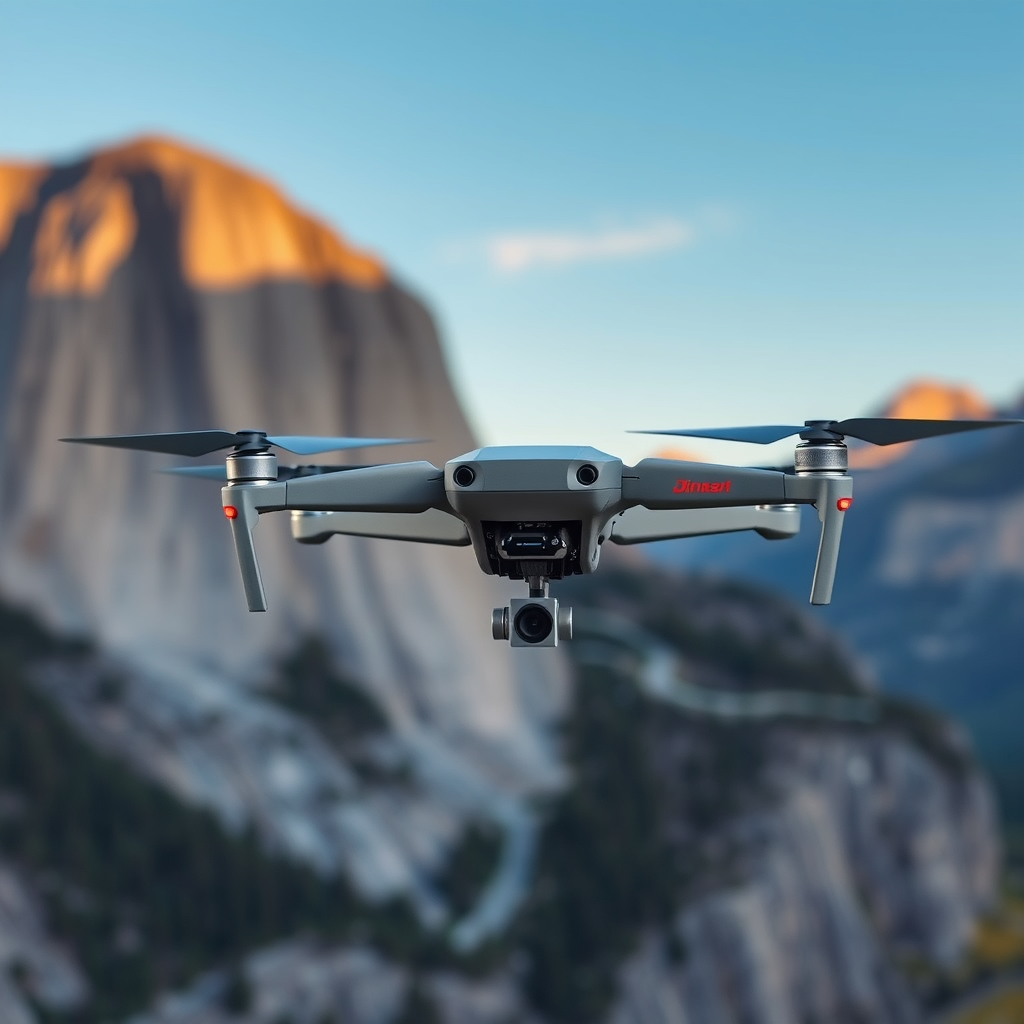
Yes, you can fly a drone in Yosemite, but there are strict regulations and guidelines you must follow. The National Park Service prohibits most drone usage within the park to safeguard its delicate ecosystems and ensure visitor enjoyment. Understanding these regulations is vital for any drone enthusiast looking to capture the breathtaking beauty of Yosemite National Park.
Understanding Yosemite’s Drone Regulations
Drones are generally prohibited in Yosemite National Park, reflecting a broader trend in national parks across the United States. The National Park Service (NPS) enforces this ban to preserve the park’s natural resources and maintain an undisturbed wilderness experience for visitors. However, there are circumstances under which drone flights may be permitted, primarily involving special permits for specific purposes such as scientific research, educational projects, or approved film productions.
Those interested in flying drones must navigate a complex application process, often requiring detailed descriptions of the intended use and how it aligns with the park’s mission of conservation and visitor engagement. It is crucial for drone operators to check the NPS website for the most current information regarding permit availability and specific regulations that may apply.
Reasons for Drone Restrictions
The restrictions on drone usage in Yosemite primarily serve to protect wildlife and their habitats from disturbance. Flying drones can create noise and visual pollution, which may stress animals, disrupt mating, feeding, and nesting behaviors, and ultimately lead to detrimental impacts on biodiversity. For instance, birds may abandon nests or alter their natural behaviors in response to drone activity.
Moreover, ensuring visitor safety and maintaining the park’s tranquility are paramount. The serene environment that Yosemite is known for can be compromised by drone noise and activity, detracting from the overall visitor experience. The park is a sanctuary for many seeking refuge from the hustle and bustle of urban life, and drone regulations help preserve this essential aspect of the park.
How to Obtain a Permit for Drone Use
For those who believe their drone usage qualifies for special consideration, the first step is to consult the National Park Service website, where the application process is outlined. It is essential to clearly articulate the purpose of drone usage, whether it be for scientific research, educational outreach, or documentary film projects.
Applicants will typically need to provide comprehensive details about the proposed flight area, duration, and how the activity will minimize impact on the park’s natural resources. Furthermore, it may be necessary to follow additional guidelines set forth by the NPS, including safety measures and insurance requirements. Engaging with park authorities early in the planning process can help clarify expectations and improve the likelihood of obtaining a permit.
Alternatives to Flying Drones in Yosemite
If obtaining a permit for drone usage proves challenging, there are several alternative methods to capture stunning aerial perspectives of Yosemite’s landscapes. One viable option is to take high-quality photographs from designated viewpoints throughout the park. Locations such as Tunnel View, Glacier Point, and Olmsted Point offer breathtaking vistas ideal for photography without the need for drone flights.
Additionally, consider utilizing professional aerial photography services that can legally operate drones in the area. These services often have the necessary permits and experience to capture stunning imagery while adhering to park regulations. Collaborating with professionals not only ensures compliance but also enhances the quality of the images captured.
Best Practices for Respectful Photography
Regardless of whether you are using a drone or traditional photography methods, it is vital to prioritize wildlife and visitor safety while capturing images. Always maintain a respectful distance from wildlife to avoid causing stress or disruption. Observing animals without interfering is crucial for their well-being and for maintaining the integrity of their habitats.
Following Leave No Trace principles is also essential when engaging in photography within Yosemite. This includes minimizing your impact on the environment, staying on designated trails, and carrying out all trash. By respecting the park’s natural beauty and preserving its ecosystems, photographers can contribute positively to the preservation of Yosemite for future generations.
Resources for Drone Operators
Drone operators should familiarize themselves with the Federal Aviation Administration (FAA) rules governing drone flight. Understanding these regulations is crucial for ensuring compliance both within and outside national parks. The FAA provides comprehensive guidelines on drone operation, including altitude restrictions, no-fly zones, and registration requirements.
Joining local drone enthusiast groups can also be beneficial for sharing tips, experiences, and insights regarding local regulations. Networking with other drone operators may provide valuable information about the best practices for responsible flying and photography, as well as updates on any changes to regulations that may affect your plans.
In conclusion, while flying a drone in Yosemite is heavily restricted, understanding the regulations and exploring alternatives can significantly enhance your experience in this majestic national park. By adhering to the guidelines set forth by the National Park Service and prioritizing conservation, visitors can enjoy the beauty of Yosemite responsibly while capturing its stunning landscapes. Always stay informed, plan ahead, and respect the natural environment to ensure a rewarding experience.
Frequently Asked Questions
Can you fly a drone in Yosemite National Park?
No, flying a drone in Yosemite National Park is prohibited. The National Park Service has strict regulations against drone use to protect wildlife, preserve the natural landscape, and ensure the safety of visitors. If you’re planning to visit Yosemite, it’s essential to respect these rules to avoid fines and contribute to the park’s conservation efforts.
What are the penalties for flying a drone illegally in Yosemite?
Flying a drone illegally in Yosemite can result in significant penalties, including fines up to $5,000 for individuals and $10,000 for organizations. Additionally, violators may face confiscation of their drone and potential criminal charges, depending on the severity of the infraction. It’s crucial to adhere to all park regulations to avoid these consequences.
How can I capture aerial photography in Yosemite without a drone?
You can capture stunning aerial photography in Yosemite without a drone by utilizing various techniques. Consider using a high-quality camera with a long zoom lens to photograph from elevated viewpoints or hike to higher elevations for unique perspectives. Additionally, using wind-resistant camera stabilizers or even hiring a professional aerial photographer with the proper permits can help you achieve breathtaking shots while adhering to park regulations.
Why are drones prohibited in national parks like Yosemite?
Drones are prohibited in national parks like Yosemite primarily to protect wildlife and the natural environment. The noise and disturbance caused by drones can disrupt animal behavior and disrupt the serene experience many visitors seek. Furthermore, drones can pose safety risks to both wildlife and park visitors, leading the National Park Service to enforce strict regulations against their use.
Which areas near Yosemite allow drone flying?
While Yosemite National Park itself prohibits drone flying, nearby areas outside the park’s boundaries may allow it, provided you follow local regulations and airspace rules. Locations such as the Sierra National Forest or the Stanislaus National Forest can provide opportunities for drone enthusiasts. Always check for specific guidelines and obtain any necessary permits before flying your drone in these regions.
References
- https://www.nps.gov/yose/planyourvisit/drone-policy.htm
- https://www.faa.gov/uas/getting_started/registration
- https://www.nps.gov/yose/learn/news/drone-use-in-national-parks.htm
- https://www.wildlife.ca.gov/Conservation/Drone-Use
- https://www.abcnews.go.com/US/drone-use-national-parks-raises-concerns/story?id=67029377
- https://www.forbes.com/sites/forbestechcouncil/2022/05/05/the-rules-surrounding-drone-use-in-national-parks/
