
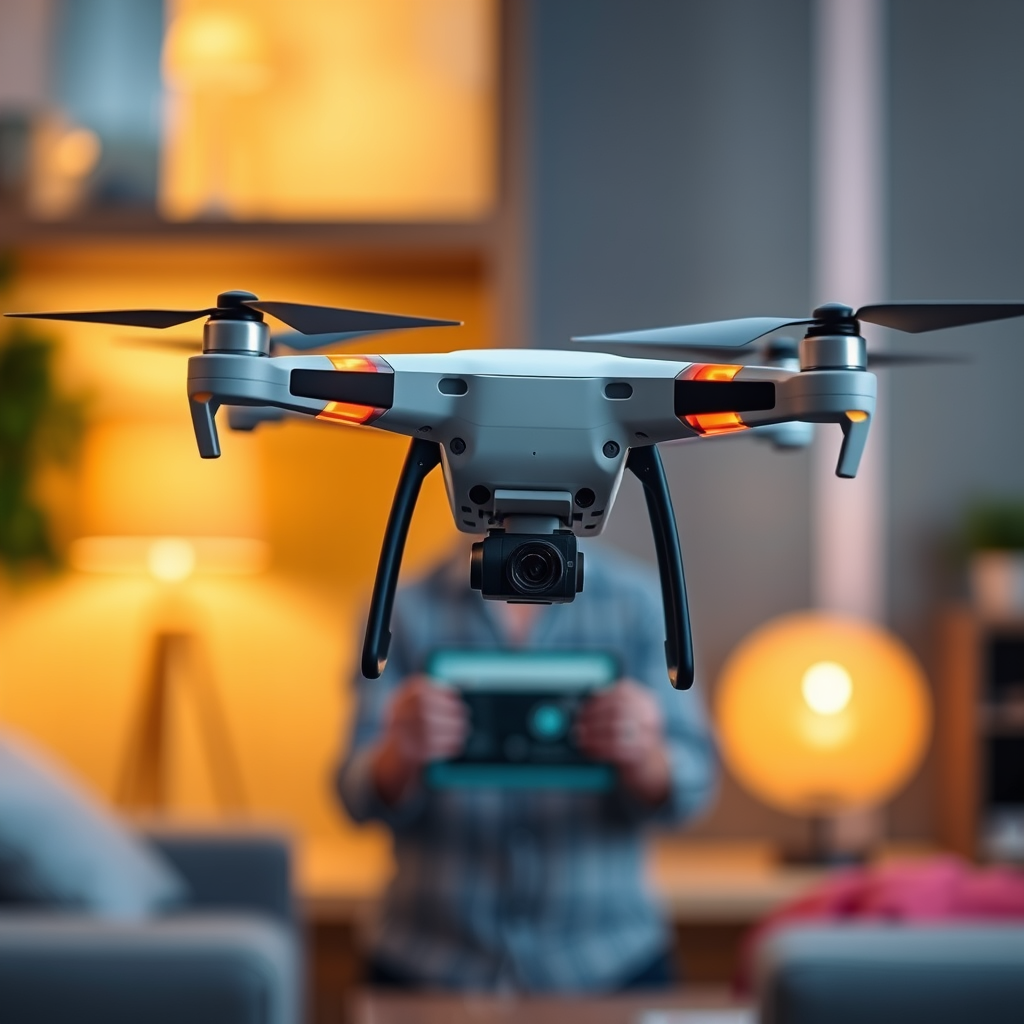
Yes, you can fly a drone in your neighborhood, but there are important regulations and considerations to keep in mind. Understanding the legal requirements, safety guidelines, and community etiquette is essential to ensure a responsible flying experience. As drone technology continues to advance and become more accessible, it is crucial for drone operators to navigate the complexities of local laws, safety measures, and neighborly respect to enjoy their hobby while fostering a positive community environment.
Understanding Local Regulations
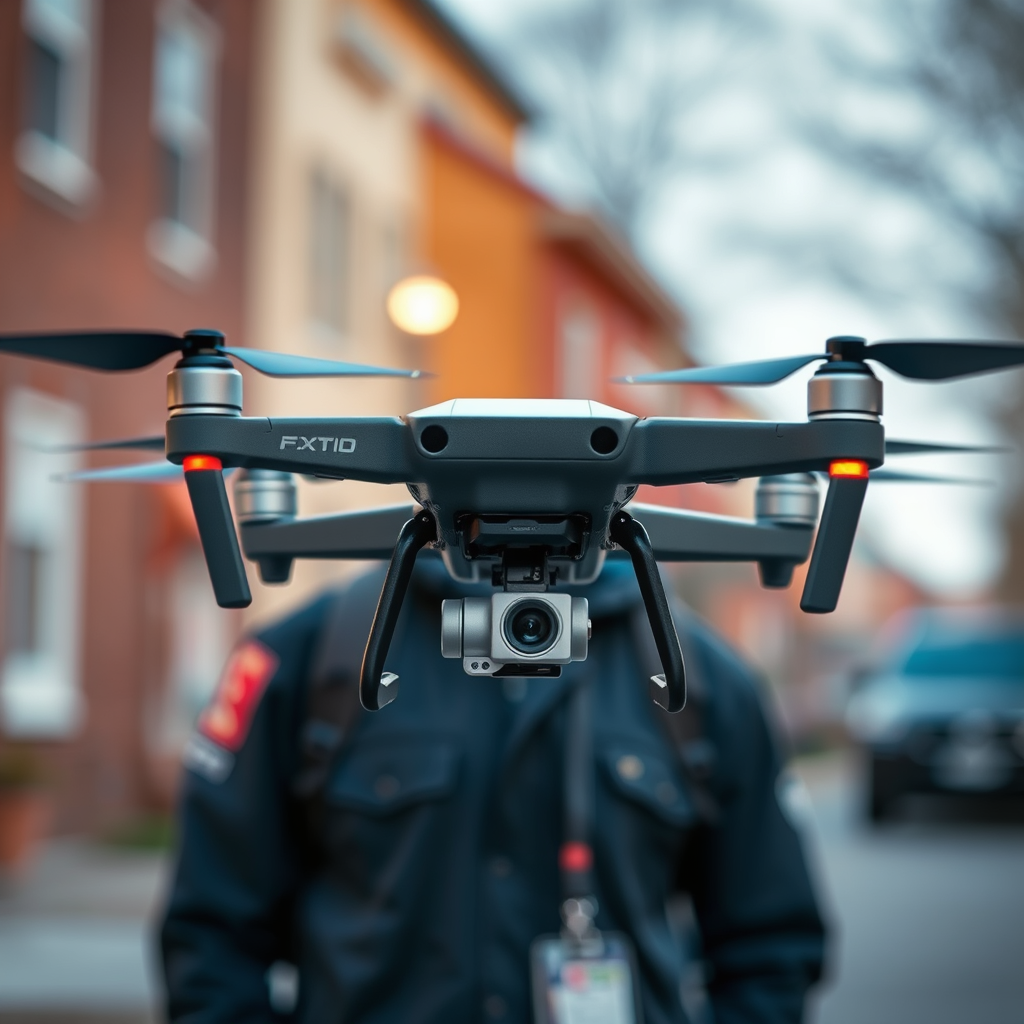
Before piloting a drone in your neighborhood, it is vital to research the federal, state, and local drone laws that govern airspace and drone operation. In the United States, the Federal Aviation Administration (FAA) sets regulations for drone use, including registration requirements and altitude limits. For instance, drones must generally be flown below 400 feet and cannot be operated near airports without prior authorization.
Moreover, state and local regulations may impose additional restrictions, particularly in residential zones. Some municipalities have specific ordinances that limit drone flights over private property or public spaces, often to address concerns about privacy and safety. It is advisable to consult local government websites or contact local authorities to ensure compliance with any area-specific rules that may affect your drone operation.
Safety Guidelines for Flying Drones
Safety should always be a priority when flying a drone, especially in residential areas. Maintaining a safe distance from people, vehicles, and private property is essential to mitigate risks associated with drone operation. The FAA recommends keeping a minimum distance of 25 feet from individuals and structures unless you have explicit permission from the property owner.
Additionally, always keep your drone within visual line-of-sight (VLOS) during operation. This practice not only enhances safety but also allows for better control of the drone, preventing accidents and potential injuries. Using a spotter can be beneficial, as they can help monitor the drone’s surroundings while you focus on piloting. Furthermore, familiarize yourself with your drone’s features and capabilities, ensuring you can respond promptly to any unexpected situations.
Community Etiquette and Considerations
Being a responsible drone operator extends beyond just adhering to regulations and safety practices; it also involves being considerate of your neighbors. Drones can generate noise that might disturb the peace, especially in quiet residential neighborhoods. Prioritize flying at times that minimize disruption, and try to avoid flying during early mornings or late evenings when noise levels can be more intrusive.
Privacy concerns are another crucial aspect of community etiquette. Drones equipped with cameras can inadvertently infringe on the privacy of your neighbors. To foster goodwill, consider notifying your neighbors in advance of your drone activities, especially if you plan to capture aerial footage. This transparency can prevent misunderstandings and help build positive relationships within your community.
Choosing the Right Time to Fly
Timing plays a significant role in responsible drone operation. To minimize disturbances, it is best to fly during appropriate hours. Most communities have quiet hours—typically during early mornings and late evenings—when noise restrictions are more strictly enforced. By flying during midday when ambient noise levels are higher, you can reduce the likelihood of disturbing your neighbors.
Additionally, adverse weather conditions can pose significant challenges to drone operation. High winds, rain, or fog can impair visibility and drone control, increasing the risk of accidents. Always check the weather forecast before heading out, and postpone flights during inclement weather to ensure both safety and compliance with operational guidelines.
Best Practices for Drone Operation
Before launching your drone, conducting a pre-flight checklist is essential to ensure safety and compliance with regulations. This checklist should include verifying that your drone is fully charged, ensuring that all components are functioning correctly, and confirming that you are aware of any airspace restrictions in your area.
Utilizing drones equipped with geofencing technology is another best practice for responsible operation. Geofencing creates virtual boundaries that prevent the drone from entering restricted areas, such as airports or private property. This feature is particularly useful for novice pilots who may not be familiar with local airspace regulations, helping to prevent unintentional violations.
Potential Consequences of Violating Rules
Failing to comply with drone regulations can lead to severe consequences. Penalties for flying without permission or violating airspace restrictions can include hefty fines, confiscation of the drone, or even criminal charges, depending on the severity of the infraction. Moreover, such violations can result in a loss of flying privileges, which can be detrimental to your ability to enjoy your drone hobby in the future.
Beyond legal repercussions, violating community norms can have a lasting impact on relationships with your neighbors. Negative interactions can lead to complaints, conflict, and a general sense of mistrust within your community. By adhering to regulations and practicing respectful flying, you can help maintain a harmonious relationship with your neighbors and ensure a welcoming environment for all drone enthusiasts.
In conclusion, flying a drone in your neighborhood is possible, but it requires adherence to regulations, safety practices, and respect for your neighbors. By understanding local laws, prioritizing safety, and practicing good community etiquette, you can enjoy your drone hobby responsibly. Staying informed and engaging with your community will not only enhance your flying experience but also contribute to a positive perception of drone use among your neighbors.
Frequently Asked Questions
What are the legal requirements for flying a drone in my neighborhood?
To legally fly a drone in your neighborhood, you must adhere to the Federal Aviation Administration (FAA) regulations, which require you to register your drone if it weighs more than 0.55 pounds. Additionally, you should follow local ordinances that may impose restrictions on drone usage, such as flying above certain heights or within proximity to schools and parks. Always check for no-fly zones and obtain any necessary permits to ensure compliance.
How can I determine if it’s safe to fly a drone in my neighborhood?
To ensure safety when flying a drone in your neighborhood, check for any potential obstacles, such as trees, power lines, and buildings. It’s also essential to assess weather conditions, as high winds or rain can affect drone stability. Lastly, be aware of nearby people and pets to avoid accidents and ensure you are not infringing on anyone’s privacy or property rights.
Why do some neighborhoods have restrictions on drone flying?
Many neighborhoods implement restrictions on drone flying to maintain safety, privacy, and peace for residents. The noise from drones can be disruptive, and there are concerns about privacy invasion if drones are used to record video or take pictures. Additionally, local regulations may aim to prevent accidents and protect wildlife, particularly in areas near parks and natural reserves.
What should I do if my neighbor complains about my drone flying?
If a neighbor complains about your drone flying, it’s important to remain calm and respectful. First, listen to their concerns and understand their perspective. You can then explain the safety measures you take while flying and how you comply with regulations. Consider adjusting your flying times or locations to minimize disturbances and foster good neighborly relations.
Which drones are best suited for flying in residential areas?
When choosing a drone for flying in residential areas, look for models that are quiet and have features like GPS stabilization and obstacle avoidance, which can enhance safety. Drones with smaller sizes and lower weight are often more suitable for urban environments, as they are easier to maneuver and less likely to cause damage if accidents occur. Popular options include the DJI Mini series and the Parrot Anafi, which are known for their compact design and user-friendly controls.
References
- https://www.faa.gov/uas/getting_started/part_107
- https://www.faa.gov/uas/
- https://www.nytimes.com/2021/06/09/technology/drone-regulations.html
- https://www.theguardian.com/technology/2021/apr/14/drone-laws-uk
- https://www.wired.com/story/drone-regulations-2021/
- https://www.nas.edu/activities/faq/faq-drones
- https://www.nps.gov/subjects/drones/index.htm
- https://www.aarp.org/home-family/personal-technology/info-2020/drone-laws.html
- https://www.ncsl.org/research/transportation/drone-law-overview.aspx
