
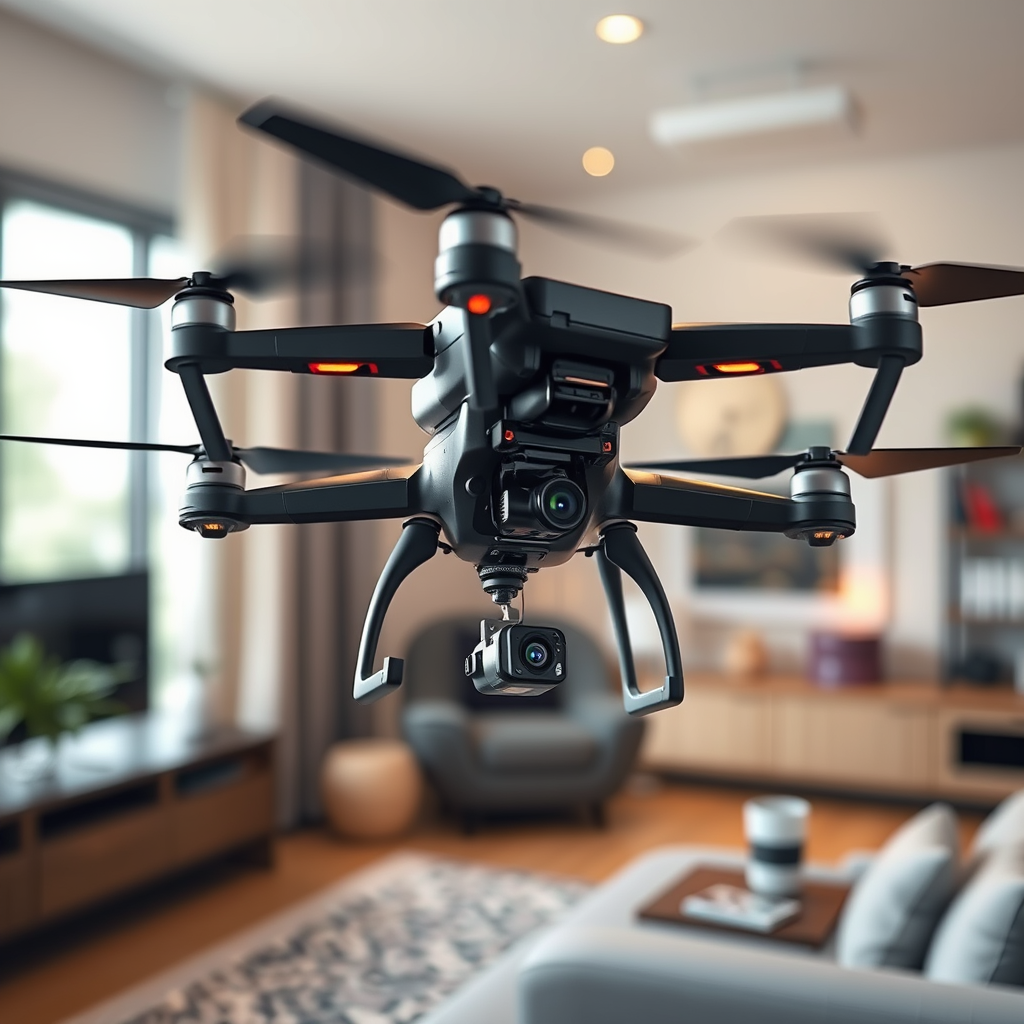
Yes, you can fly a drone inside, but there are several important factors to consider, such as safety, legality, and the drone’s specifications. Indoor flying can be a fun way to practice your piloting skills, but it requires careful planning to ensure a safe and enjoyable experience. Understanding these considerations will help you navigate the unique challenges of indoor drone operation while maximizing your flying experience.
Understanding Drone Types for Indoor Use

Not all drones are suitable for indoor flying; therefore, it is crucial to choose lightweight, smaller models that can effectively maneuver in confined spaces. Mini drones, often weighing less than 250 grams, are ideal for indoor use because they are easier to control and less likely to cause damage upon impact. Models like the DJI Tello or the Hubsan H107 are popular choices due to their compact size and user-friendly features.
Moreover, consider drones equipped with propeller guards to minimize the risk of damage or injury. These protective features can prevent the propellers from making contact with walls or furniture, thereby reducing the likelihood of accidents. Additionally, many indoor-friendly drones come with software that limits their speed and altitude, further enhancing safety during indoor flights. Choosing the right drone not only enhances your flying experience but also contributes to a safer environment for both the operator and bystanders.
Safety Precautions to Take
Safety is paramount when flying drones indoors, as confined spaces pose unique risks. Before you take off, ensure that the flying area is free of obstacles, people, and fragile items. A cluttered environment increases the chances of collisions, which can lead to property damage and personal injury. It is advisable to conduct a thorough inspection of the intended flying space, removing any objects that could pose a hazard.
Additionally, using a spotter can significantly improve safety during indoor flights. A spotter is a person who assists the pilot by monitoring the drone’s flight path and surroundings, providing an extra set of eyes to help avoid collisions. This is particularly beneficial in complex indoor environments where visibility may be limited. By maintaining clear lines of communication with your spotter and establishing a plan for flight operations, you can enhance safety and ensure a smoother flying experience.
Legal Considerations for Indoor Flying
While many people may assume that flying a drone indoors is free from legal constraints, this is not necessarily the case. It is essential to familiarize yourself with local regulations regarding drone usage, even when flying indoors. Some jurisdictions have specific laws governing drone operations, which may include restrictions on indoor flying in certain public spaces or commercial venues.
In addition, some venues may have specific rules against indoor drone flying. For example, large commercial spaces, schools, or recreational facilities may prohibit drone use due to safety concerns or liability issues. Before you fly, always check with the facility management to understand any regulations or restrictions that may apply. Being aware of the legal landscape not only helps you avoid potential fines or penalties but also contributes to a responsible flying culture.
Tips for Successful Indoor Flying
To enhance your indoor flying experience, practice basic maneuvers in a spacious area to build confidence and improve your piloting skills. Start with simple tasks such as hovering, ascending, and descending before moving on to more complex maneuvers, like turns and flips. This gradual approach allows you to become familiar with your drone’s controls and handling characteristics in a controlled environment.
Begin with short flights and gradually increase your flying time as you become more comfortable. This is especially important for beginners, as it can help prevent accidents and reduce the likelihood of equipment damage. Additionally, consider timing your flights when the space is less crowded, allowing you to focus on mastering your skills without distractions. Regular practice will not only boost your confidence but also prepare you for more challenging flying scenarios in the future.
Troubleshooting Common Indoor Flight Issues
Indoor drone flying is not without its challenges, and understanding how to troubleshoot common issues can enhance your experience. One frequent problem is poor signal reception due to walls or interference from electronic devices. To mitigate this, try to position yourself in a central location within the flying area and ensure that there are minimal obstacles between your drone and its remote control.
Battery life limitations can also pose challenges during indoor flights. Many drones offer a flight time of around 10 to 20 minutes, depending on the model. To ensure smooth flights, always check that your drone’s battery is fully charged before takeoff. Consider investing in extra batteries or a charging hub to minimize downtime between flights, allowing for extended practice sessions.
Recommended Indoor Flying Spaces
When seeking suitable indoor flying spaces, look for large, open areas like gymnasiums or warehouses that provide ample room for maneuvering. These locations typically offer high ceilings and minimal obstacles, making them ideal for practicing indoor flight. Many community centers or schools may also have gymnasiums available for rent, providing excellent opportunities for drone enthusiasts.
Additionally, consider using dedicated indoor flying facilities or drone racing arenas. These venues are designed specifically for drone operations, often featuring obstacle courses and safety measures tailored to indoor flying. Many of these facilities also offer rental equipment, lessons, and organized events, allowing you to connect with other drone enthusiasts while enhancing your skills in a safe environment.
In conclusion, flying a drone indoors is possible and can be enjoyable if done safely and responsibly. By choosing the right drone, understanding the relevant regulations, and practicing in appropriate environments, you can enhance your flying experience. Always prioritize safety, remain aware of your surroundings, and embrace the learning process to become a proficient indoor pilot. With the right approach, indoor drone flying can be both a thrilling and rewarding hobby.
Frequently Asked Questions
Can you fly a drone inside a building?
Yes, you can fly a drone inside a building, but there are several factors to consider. Indoor flying is often limited by the size of the space, the drone’s features, and any potential obstacles. It’s important to ensure that your drone is equipped with sensors to avoid collisions, and you should also be aware of any local regulations or restrictions that may apply to indoor drone operation.
What are the best drones for indoor flying?
The best drones for indoor flying are typically smaller, lightweight models that offer stability and obstacle avoidance features. Popular options include the DJI Tello, which is compact and user-friendly, and the Ryze Tech Tello, known for its robust sensors and camera capabilities. These drones are designed to handle indoor environments, making them ideal for beginners and experienced pilots alike.
How do you safely fly a drone indoors?
To safely fly a drone indoors, ensure that you have ample space to navigate and practice flying. Clear the area of any fragile objects and obstacles to minimize the risk of collisions. Additionally, utilize a drone with built-in sensors and features like altitude hold and headless mode, which can help maintain stability and control during indoor flights.
Why is flying a drone indoors different from flying outside?
Flying a drone indoors is different from outdoor flying primarily due to space constraints and the lack of GPS signals. Indoor environments often have numerous obstacles like furniture and walls, requiring more precise control. Additionally, without GPS, drone stability relies on internal sensors, making it crucial to choose drones specifically designed for indoor flight to ensure a safe and enjoyable experience.
Which regulations apply to flying a drone indoors?
While flying a drone indoors typically falls outside of FAA regulations, it’s essential to check any specific building or property rules that may apply. Some venues may have their own restrictions on drone use, particularly in public spaces like malls or museums. Always seek permission from property owners and ensure you understand any relevant safety guidelines to avoid potential issues during indoor drone operation.
References
- https://en.wikipedia.org/wiki/Drone_flying_regulations
- https://www.faa.gov/uas/getting_started/part_107/
- https://www.nasa.gov/mission_pages/Global_Hawk/faq/index.html
- https://www.theguardian.com/technology/2021/jan/14/drones-flying-indoors-rules-regulations
- https://www.faa.gov/uas/education_resources/
- https://www.suasnews.com/2021/05/flying-drones-indoor-what-you-need-to-know/
- https://www.nytimes.com/2021/05/06/technology/drones-flying-indoor.html
