

Yes, you can fly a drone inside your house, but there are important considerations to keep in mind, such as space, safety, and regulations. Indoor drone flying can be an exhilarating experience, allowing you to practice your piloting skills in a controlled environment. However, understanding the unique challenges of indoor flight is essential to ensure both safety and enjoyment. This article will explore the key factors that affect indoor drone flight and provide tips for a successful experience.
Understanding Indoor Drone Flight
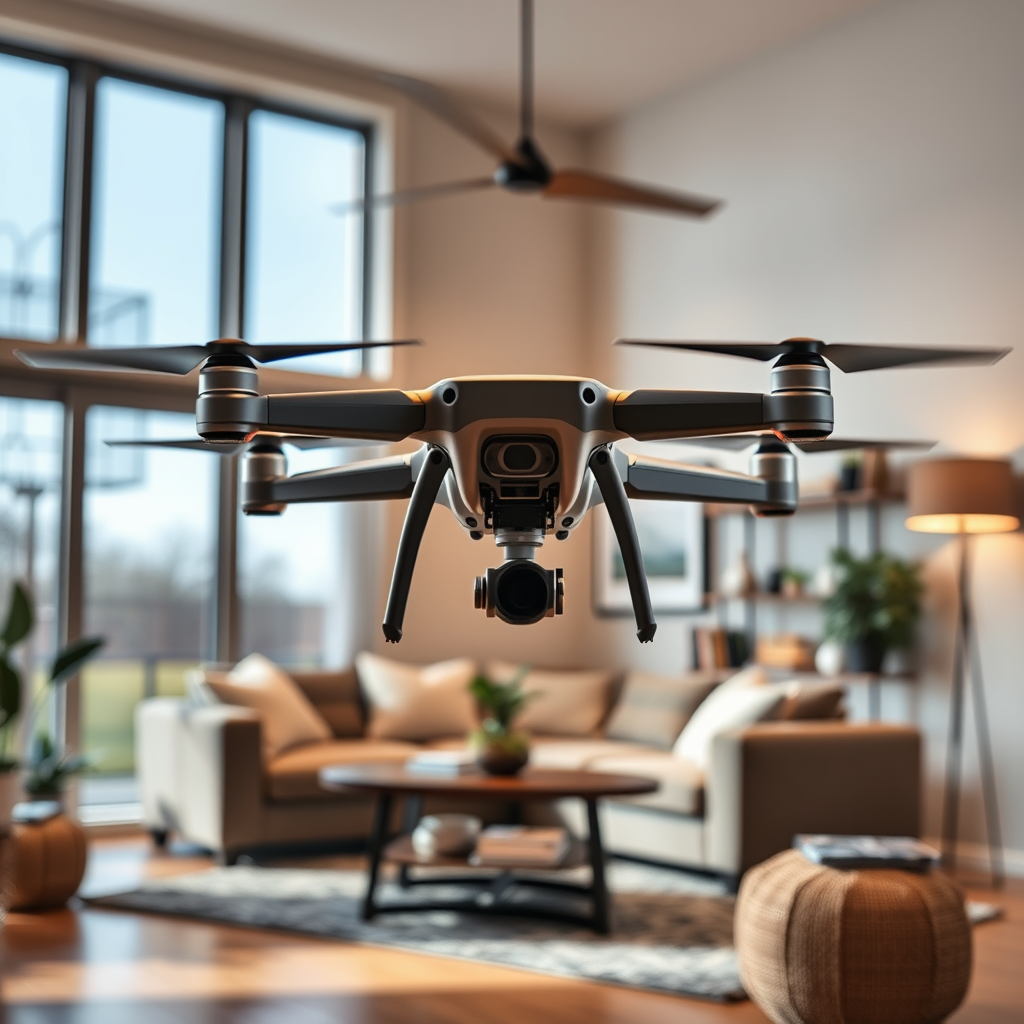
Flying a drone indoors requires a different approach than outdoor flying due to the confined space and potential hazards present in a home environment. Drones designed for indoor use typically come equipped with features that enhance safety and control, such as smaller frames and advanced stabilization systems. These features help mitigate the risk of collisions and make it easier for pilots, especially beginners, to manage their drones within limited spaces.
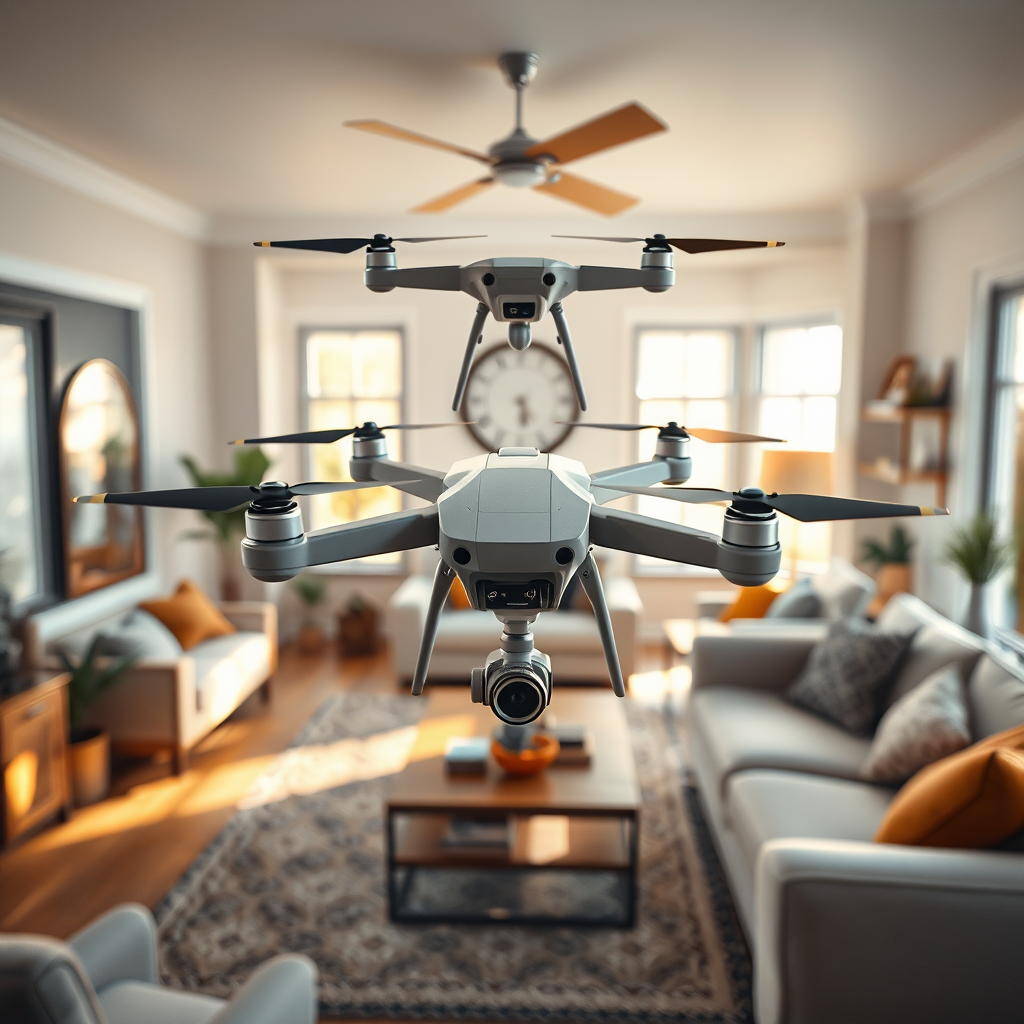
When selecting a drone for indoor use, size matters significantly. Smaller drones, such as micro and mini models, are generally better suited for indoor environments. For example, the DJI Tello, weighing just 80 grams, is an excellent choice for indoor flight due to its compact design, ease of use, and built-in safety features. Larger drones may struggle to navigate through tight spaces and increase the risk of damage to both the drone and your surroundings.
Safety Precautions
Safety should always be a top priority when flying a drone indoors. Before launching, it’s crucial to ensure that your flying space is clear of obstacles and breakable items. Remove furniture, decorations, and anything that could be knocked over or damaged during flight. Setting up a designated flying area with ample space can help reduce the likelihood of accidents.
Additionally, always keep the drone within your line of sight to maintain control and avoid collisions. This is particularly important in indoor settings where walls, ceilings, and furniture can quickly become obstacles. Utilizing a spotter—someone who can help monitor the drone’s position—can also contribute to a safer flying experience by providing an extra set of eyes on the drone’s path.
Legal Considerations
While flying a drone indoors may seem less regulated than outdoor flying, it is still important to be aware of local regulations regarding drone usage. Some areas may have specific restrictions on indoor flights, especially in shared living spaces such as apartments or office buildings. It is advisable to check with local authorities or homeowners’ associations to ensure compliance with any relevant guidelines.
Moreover, privacy concerns should not be overlooked. When flying drones in shared spaces or close proximity to neighbors, it is essential to respect others’ privacy and avoid capturing any footage without consent. Understanding the legal landscape surrounding drone operation can help prevent potential disputes and ensure a positive flying experience.
Choosing the Right Drone
Selecting the appropriate drone for indoor flying can significantly enhance your experience. Opt for models that come equipped with built-in safety features, such as propeller guards, which can help protect both the drone and your surroundings from damage. Drones with altitude hold capabilities are also beneficial for indoor flying, as they allow for stable hovering without constant manual input from the pilot.
Research models specifically designed for indoor use, as these typically offer features that improve maneuverability and control. For instance, the Parrot Mambo is a versatile indoor drone that provides easy handling, making it ideal for beginners. Furthermore, many indoor drones come with companion apps that offer tutorials and guidance, helping novice pilots hone their skills more effectively.
Recommended Indoor Flying Techniques
To maximize your indoor flying experience, it’s essential to adopt effective flying techniques. Start with hover training to familiarize yourself with the drone’s controls before attempting more complex maneuvers. This foundational skill is crucial, as it builds your confidence and helps you understand how the drone responds to inputs.
Once you feel comfortable with hovering, gradually introduce more challenging maneuvers, such as turns, ascents, and descents. Practice flying in a controlled manner, focusing on smooth movements to minimize the risk of crashes. Consider setting up obstacle courses using household items to improve your piloting skills while keeping the experience engaging and fun. This approach not only enhances your ability to maneuver but also provides a playful way to practice indoors.
Troubleshooting Common Issues
Even experienced pilots may encounter common issues when flying indoors. One frequent problem is the drone’s sensors not functioning optimally in confined spaces. To address this, ensure that the drone is properly calibrated before each flight. Calibration helps the drone understand its environment and improves stability during flight.
Battery life is another concern that indoor flyers should keep in mind. Indoor flights can be shorter in duration due to limited space and the need for more precise control. Keep spare batteries on hand for extended indoor sessions, allowing you to continue flying without interruption. Additionally, consider investing in a multi-charger to simplify the process of keeping your batteries charged and ready for use.
In conclusion, flying a drone indoors is possible and can be a fun experience with the right preparations. By understanding the unique challenges and considerations associated with indoor drone flight, you can enhance your flying skills while ensuring safety and compliance with regulations. Prioritize safety by creating a clear flying space, selecting the right drone, and employing effective flying techniques. If you’re interested in indoor drone flying, consider starting with the tips outlined above to make the most of your flying experience.
Frequently Asked Questions
Can you legally fly a drone inside your house?
Yes, you can legally fly a drone indoors as there are no federal regulations from the FAA governing indoor flights. However, it’s essential to ensure that you have permission from anyone else in the home, and be mindful of your surroundings to prevent accidents or damage to property. Always prioritize safety and consider potential hazards such as low ceilings, fragile objects, or pets.
How do you prepare to fly a drone inside your house?
To prepare for flying a drone indoors, first ensure that you have a spacious area free of obstacles like furniture, windows, and decorations. Make sure to check your drone’s battery life and calibrate it before flight. It’s also wise to practice flying in a safe, open area before attempting indoor maneuvers, and consider using propeller guards to reduce the risk of accidents.
Why should you be cautious when flying a drone indoors?
Caution is crucial when flying a drone indoors due to the confined space and potential for collisions with walls, furniture, or people. Indoor environments often have limited visibility, making it harder to control the drone, which can lead to damage or injury. Additionally, the noise generated by the drone can be disruptive, so always consider the comfort of others in the vicinity.
What are the best drones for flying indoors?
The best drones for indoor flying typically feature smaller sizes, lightweight designs, and advanced stability features. Models like the DJI Tello or the Holy Stone HS210 are excellent choices because they have built-in safety features, easy controls, and are designed for beginners. Look for drones with propeller guards and a durable build to enhance safety when flying indoors.
Which safety measures should you take when flying a drone in your house?
When flying a drone indoors, take several safety measures: ensure the area is clear of people and pets, use a drone with propeller guards, and maintain a safe distance from walls and furniture. Additionally, keep a close watch on the drone’s battery life and avoid flying in low-light conditions to improve visibility and control. Having a designated “drone zone” can also help minimize risks.
References
- https://en.wikipedia.org/wiki/Drone_flying_regulations
- https://www.faa.gov/uas/
- https://www.nasa.gov/mission_pages/
- https://www.reuters.com/article/us-technology-drones/
- https://www.theguardian.com/technology/2021/oct/12/drones-flying-regulations-uk
- https://www.nytimes.com/2020/01/02/technology/drones-faa-regulations.html
- https://www.faa.gov/uas/getting_started/
- https://www.techcrunch.com/tag/drones/
