

Yes, you can fly a drone on a military base, but there are strict regulations and permissions required. Unauthorized drone flights are typically prohibited due to national security concerns. Understanding the rules and procedures before attempting to operate a drone in such areas is essential for compliance and safety.
Understanding Military Airspace Regulations
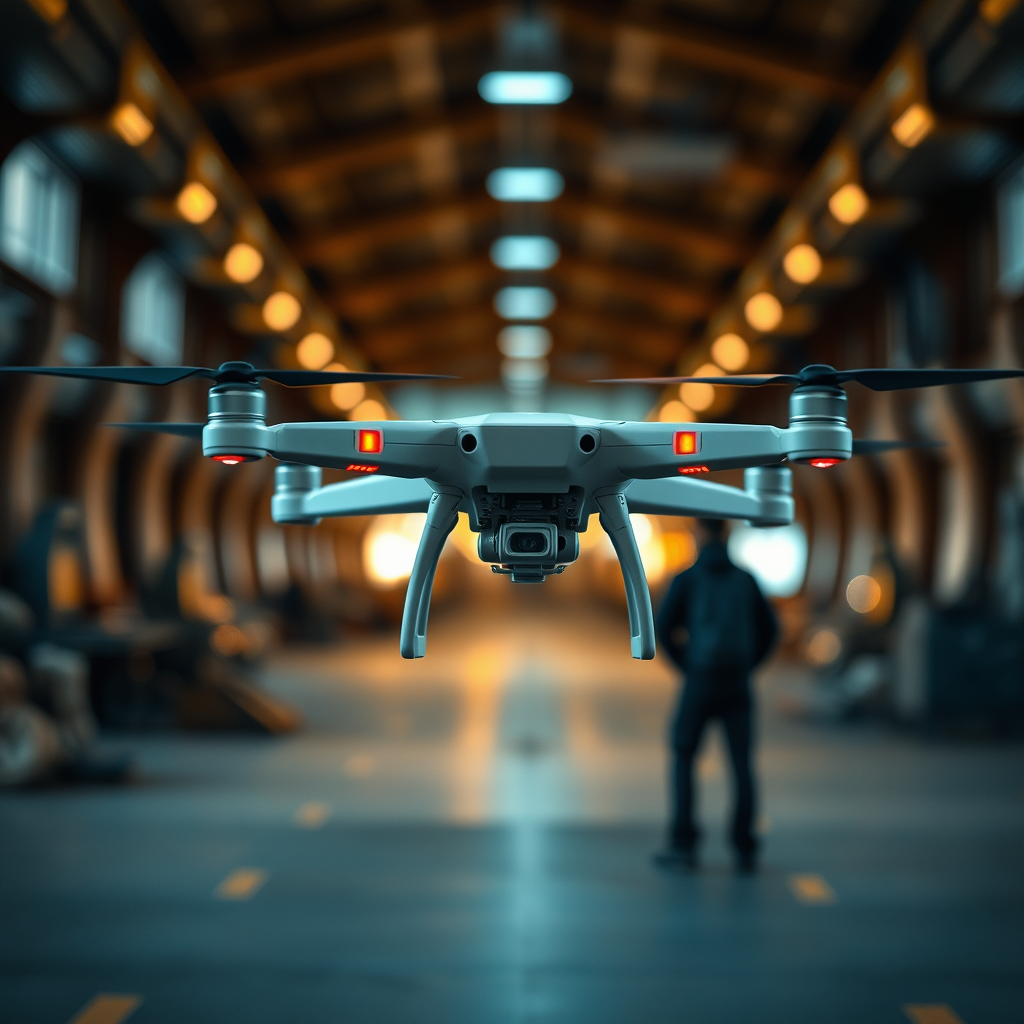
Military bases often have restricted airspace where drone flights are not allowed. These areas are designated to protect sensitive operations and ensure the safety of military personnel and equipment. Regulations regarding drone use can vary significantly from one base to another, influenced by factors such as proximity to urban areas, type of military activity, and specific security protocols in place.
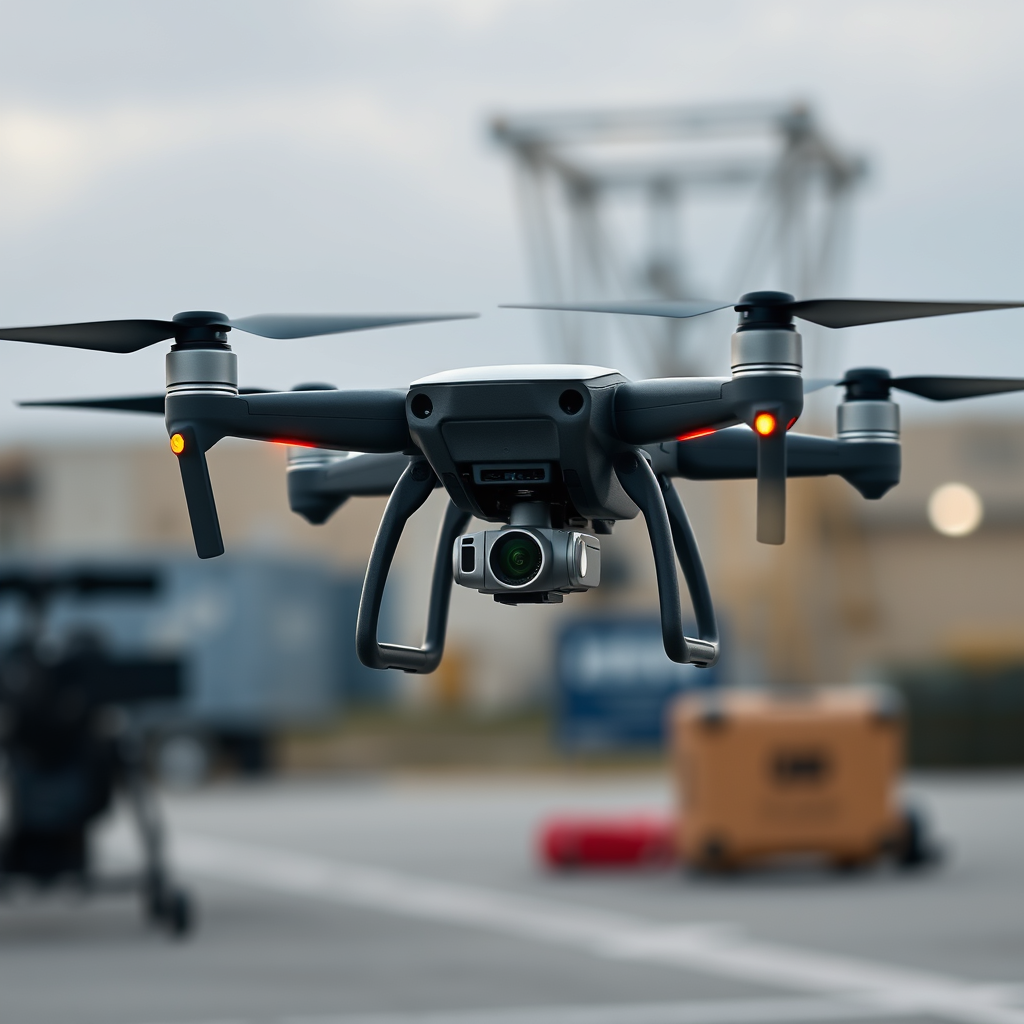
For example, the Federal Aviation Administration (FAA) mandates that drone operators must adhere to specific altitude limits and may require notification or approval for flights near military installations. Additionally, many military bases fall under special use airspace designations, which can include Temporary Flight Restrictions (TFRs) during military exercises or events. Therefore, it is crucial to check the specific policies of the military base in question and consult local air traffic control for the most accurate and up-to-date information.
Required Permissions and Approvals
To operate a drone on a military base, you must obtain permission from the base’s commanding officer or designated authority. This process is not only a matter of following regulations but also a critical step in ensuring that your drone activities do not interfere with military operations. Each base will have its own application process, which typically involves submitting detailed information about the intended flight, including the purpose, duration, and specific location of the operation.
For instance, if you are a researcher or a commercial operator looking to conduct aerial surveys, you must provide documentation that outlines your objectives and how they align with the base’s operational needs. It’s advisable to start this process well in advance of your planned flight, as approvals can take time and may require additional security clearances depending on the nature of your operation.
Potential Consequences of Unauthorized Flights
Flying a drone without permission on a military base can lead to serious legal repercussions, including fines and potential criminal charges. The U.S. military takes unauthorized drone flights very seriously, as they pose risks to national security and military readiness. Security personnel are often on high alert for any unauthorized aerial activity, and they have the authority to intercept drones that enter restricted airspace.
In addition to immediate legal consequences, the confiscation of the drone may occur, and the operator could face further inquiries from military authorities. In extreme cases, unauthorized flights could be interpreted as espionage or threats to national security, leading to severe legal actions. It is crucial for drone operators to respect these regulations and understand the gravity of their implications.
Safe Flight Practices Around Military Bases
To ensure safety and compliance when flying near military bases, drone operators should always maintain a safe distance and follow FAA guidelines for drone operations. The FAA generally recommends keeping drones at least five miles away from airports, and military bases should be treated with similar caution.
Additionally, it is vital to remain aware of any ongoing military activities that may affect drone operations. For instance, if military exercises or training missions are scheduled, these could create dynamic airspace restrictions. Staying informed through official base channels or local news sources can help drone operators avoid unintentional violations.
Furthermore, implementing best practices, such as pre-flight checks and maintaining visual line-of-sight with the drone at all times, enhances safety and reduces the likelihood of incidents. Using drones equipped with geofencing technology can also help operators avoid restricted areas inadvertently.
Alternatives to Flying on Military Bases
For drone enthusiasts who wish to fly in areas similar to a military base environment, considering nearby public areas or designated drone zones is advisable. Many communities have established parks or open spaces where drone flying is permitted, allowing for safe and enjoyable experiences without the complexities of military regulations.
Moreover, some military organizations may host collaborative events or open days where civilian drone operators can demonstrate their skills under controlled circumstances. Engaging with local military outreach programs can provide opportunities to participate in such events, fostering a positive relationship between civilian drone operators and military personnel.
Exploring local drone clubs or associations can also be beneficial. These groups often organize meetups and provide a platform for enthusiasts to share experiences, tips, and legal advice regarding drone operations in various environments.
Resources for Drone Operators
To navigate the complexities of flying drones near military airspace, several resources can be invaluable. The FAA’s official website offers comprehensive guidelines on drone flying regulations, including detailed information on restricted airspaces and how to apply for permissions when necessary.
Additionally, local drone clubs and online forums can provide a wealth of information from seasoned operators. These platforms often feature discussions about recent experiences, tips on navigating regulations, and advice on best practices that can help new drone operators avoid pitfalls.
Lastly, it is wise to familiarize yourself with the Aeronautical Information Manual (AIM), which contains essential information on airspace classifications and regulations, making it easier to understand where and when you can fly your drone legally.
In conclusion, while flying a drone on a military base is possible, it requires careful adherence to regulations and obtaining the necessary permissions. Always prioritize safety and legality to ensure a positive flying experience. If you’re interested in drone flying, consider exploring alternative locations and resources to enhance your skills, ensuring that your passion for drone flying remains both enjoyable and compliant with the law.
Frequently Asked Questions
Can you fly a drone on a military base without permission?
No, you cannot fly a drone on a military base without explicit permission. Military bases are restricted airspace, and unauthorized drone flights can pose security risks and legal consequences. If you need to operate a drone in such areas, you must contact the base’s public affairs office or operations office to obtain the necessary approvals and follow specific guidelines.
What are the consequences of flying a drone over a military installation?
Flying a drone over a military installation can lead to severe consequences, including legal action and fines. Unauthorized drone operators may face penalties under federal law, as military bases are considered restricted airspace. Additionally, if a drone is perceived as a security threat, it may be intercepted by military personnel, leading to potential criminal charges.
How do I request permission to fly a drone on a military base?
To request permission to fly a drone on a military base, you should contact the base’s public affairs office or the operations office directly. Be prepared to provide detailed information about your intended flight, including the purpose, duration, and type of drone you plan to use. Each military installation may have its own protocols, so it’s essential to follow their specific guidelines for approval.
Why are military bases considered no-fly zones for drones?
Military bases are considered no-fly zones for drones primarily due to national security concerns. Unmanned aerial vehicles can pose risks such as espionage, disruption of military operations, and potential threats to personnel and infrastructure. As a result, strict regulations are enforced to prevent unauthorized drone flights and ensure the safety of military assets.
What should I know about flying a drone near military bases?
When flying a drone near military bases, you should be aware of the regulations that govern drone operations in restricted airspace. It’s crucial to maintain a safe distance and avoid flying within a certain radius of the base to prevent interference with military operations. Additionally, always check the FAA’s guidelines and local regulations to ensure compliance and avoid potential penalties.
References
- https://en.wikipedia.org/wiki/Drone_regulations_in_the_United_States
- https://www.faa.gov/uas/
- https://www.af.mil/News/Article-Display/Article/1844582/what-you-need-to-know-about-flying-drones-on-military-bases
- https://www.dod.gov/pubs/foi/Drone_Operations.pdf
- https://www.theguardian.com/technology/2021/nov/05/us-military-drone-regulations
- https://www.military.com/equipment/drone
- https://www.faa.gov/newsroom/drone-safety-guide-0
