
Yes, you can fly a drone on Panama City Beach, but there are specific regulations and guidelines you need to follow to ensure safe and legal operation. Understanding these rules is essential for both recreational and commercial drone users, especially given the popularity of the area for its stunning coastal views and vibrant tourism scene. Adhering to local laws not only protects you but also preserves the environment and ensures the safety of other beachgoers.
Understanding Local Regulations
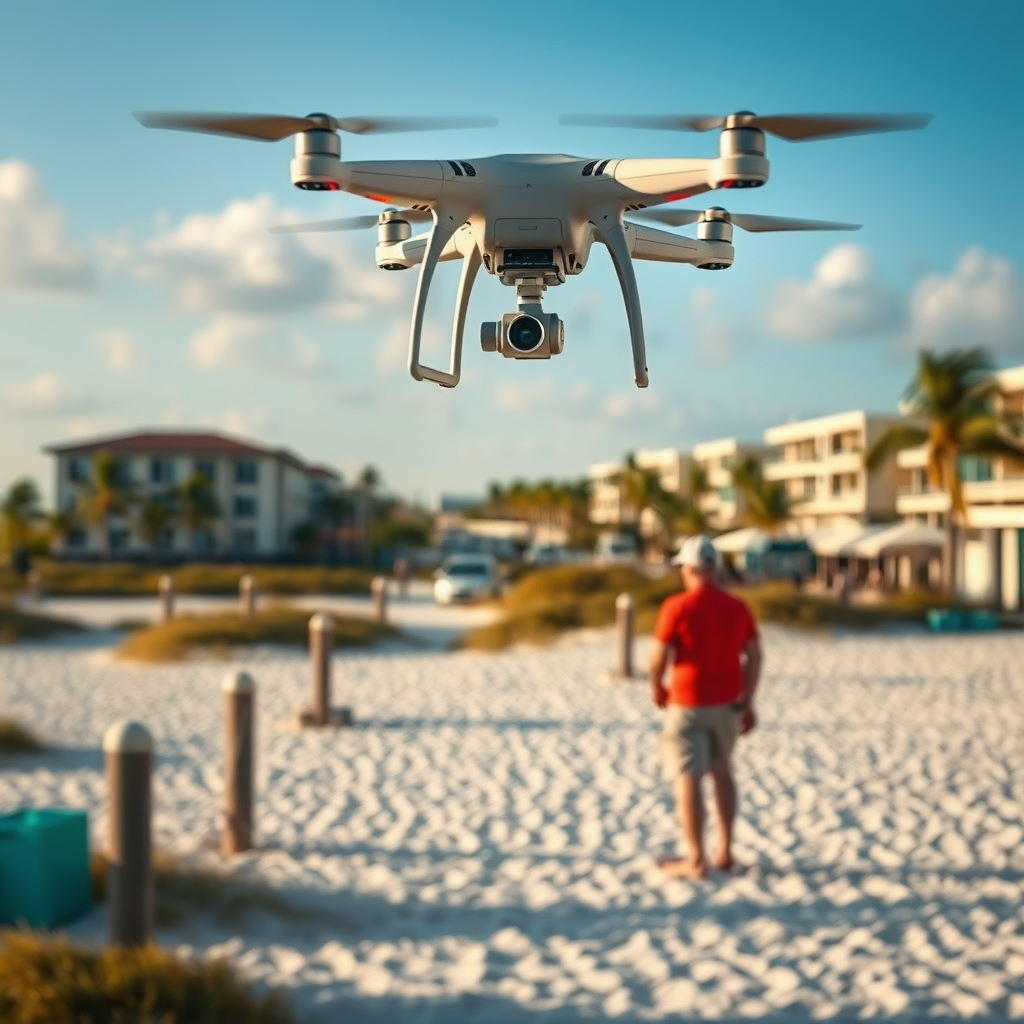
Before launching your drone into the sky, it’s crucial to familiarize yourself with the Federal Aviation Administration (FAA) regulations that govern drone use in the United States. The FAA mandates that all drone pilots must register their drones if they weigh over 0.55 pounds and under 55 pounds, which applies to most consumer drones. Additionally, you must adhere to the Part 107 rules if you are flying for commercial purposes, which include obtaining a Remote Pilot Certificate.
In addition to federal regulations, it is imperative to check for any local ordinances specific to Panama City Beach regarding drone use. The local government may have additional restrictions in place, especially during peak tourist seasons or events. For example, the city may designate certain areas where drone flying is prohibited to protect wildlife and ensure public safety.
No-Fly Zones
Understanding no-fly zones is essential for any drone operator. There are several restricted areas around Panama City Beach that you should be aware of. For instance, flying over state parks, such as St. Andrews State Park, is generally prohibited due to conservation efforts and the protection of wildlife habitats. Additionally, private properties should always be respected; flying over someone’s land without permission can lead to legal issues.
Furthermore, proximity to airports is a critical consideration. The nearest airport is Northwest Florida Beaches International Airport (ECP), which requires a defined distance of operation. The FAA mandates that drones must not be operated within five miles of an airport without notifying the airport authorities. This is vital to avoid interference with manned aircraft operations.
Safety Guidelines for Drone Operation
Safety is paramount when flying drones, particularly in populated areas such as Panama City Beach. One of the fundamental guidelines is to always maintain a visual line of sight with your drone. This means you should be able to see your drone without the aid of binoculars or other devices, ensuring better control and awareness of your surroundings.
Additionally, it is crucial to avoid flying over crowds or large gatherings. Not only does this pose a safety risk, but it can also lead to privacy violations and potential legal repercussions. By choosing less crowded times or areas for your flights, you can ensure a safer experience for both yourself and the public.
Obtaining Necessary Permits
If you are planning to operate a drone for commercial purposes, obtaining the necessary permits is a must. Under FAA regulations, commercial drone operations require a Remote Pilot Certificate, which involves passing a knowledge test. Furthermore, if your flight involves special circumstances—such as flying at night or over people—you may need to apply for additional permissions or waivers.
To apply for these permits, you will typically need to submit a request through the FAA’s online portal. This process can take time, so it is advisable to plan ahead. For recreational users, while permits aren’t usually required, understanding the local guidelines will ensure you stay compliant with any specific rules set forth by Panama City Beach authorities.
Best Practices for Flying Drones
To enhance your drone flying experience and ensure compliance with regulations, consider implementing these best practices. First, choose the right time of day to fly. Early morning or late afternoon often provides optimal lighting conditions for photography and videography, in addition to reducing the number of people on the beach.
Weather conditions also play a significant role in safe drone operation. Always check wind speeds and weather forecasts before flying, as strong winds can make it difficult to control your drone. Respecting the privacy of others is equally important; avoid filming individuals without their consent, as this can lead to uncomfortable situations and potential legal disputes.
Popular Drone Spots on Panama City Beach
When it comes to capturing stunning aerial footage, Panama City Beach has numerous picturesque locations that are ideal for drone flying. One popular spot is the stretch of coastline near Pier Park, which offers breathtaking views of both the water and the vibrant beach life. The contrast between the emerald green waters and the sandy shores makes for excellent photography.
Another recommended area is the scenic St. Andrews Bay. The bay provides opportunities for unique shots of marine life, boats, and the surrounding natural beauty. However, be mindful of local wildlife, and avoid flying too low over nesting areas or during migration seasons.
Community and Resources
Engaging with the local drone community can significantly enhance your flying experience. Joining local drone enthusiast groups or forums can provide valuable insights, tips, and advice from experienced pilots. These communities often share information about upcoming events, group flights, and even workshops on improving drone skills.
Additionally, accessing online resources, such as the FAA’s website, can keep you informed about the latest regulations and guidelines. The FAA provides extensive educational material that covers everything from drone operation basics to advanced safety practices.
In conclusion, flying a drone on Panama City Beach is possible, but it requires adherence to specific regulations and safety practices. By understanding local laws, respecting no-fly zones, and following safety guidelines, both recreational and commercial drone pilots can enjoy a safe and fulfilling flying experience. Always stay informed and respectful of the environment and community to ensure an enjoyable experience. If you’re planning a drone flight, make sure to prepare thoroughly and enjoy capturing the beauty of the beach from above!
Frequently Asked Questions
Can you legally fly a drone on Panama City Beach?
Yes, you can legally fly a drone on Panama City Beach, but there are specific regulations you must follow. The Federal Aviation Administration (FAA) governs drone use in the United States, which includes obtaining a Remote Pilot Certificate if you plan to use the drone for commercial purposes. Additionally, local regulations may restrict drone flights in certain areas, especially during peak tourist seasons or events, so it’s crucial to check local ordinances before flying.
What are the restrictions for flying drones over Panama City Beach?
While Panama City Beach allows drone flying, there are several restrictions to keep in mind. Drones must not be flown above 400 feet and should remain within the operator’s line of sight. Additionally, flying near crowded areas, such as the beach during peak hours or over private property without permission, is prohibited. Always check for updated regulations from the FAA and local authorities to ensure compliance.
How do I obtain permission to fly a drone in Panama City Beach?
To fly a drone in Panama City Beach, you must first ensure you comply with FAA regulations by obtaining a Remote Pilot Certificate if required. For specific areas within the beach or city limits, you may need to seek additional permission from local authorities. It’s advisable to contact the Panama City Beach city government or visit their official website for any special permits or rules regarding drone use.
What is the best time to fly a drone at Panama City Beach?
The best time to fly a drone at Panama City Beach is during early morning hours or late afternoon when the crowds are thinner and the lighting is optimal for photography. Avoid flying during peak tourist season, particularly in summer months, when the beach is crowded. Additionally, checking weather conditions and local events can help you choose times that minimize interference and enhance your flying experience.
Why should I be cautious when flying a drone over Panama City Beach?
Caution is essential when flying a drone over Panama City Beach due to the presence of large crowds and potential hazards, such as people, wildlife, and nearby aircraft. Flying a drone recklessly can lead to accidents, causing injury or damage to property, which could result in legal consequences. Moreover, respecting privacy rights and adhering to local regulations not only ensures a safe flying experience but also fosters a positive relationship with the community and fellow beachgoers.
References
- https://www.faa.gov/uas/getting_started/what_is_uas
- https://www.faa.gov/uas/
- https://www.panhandle.gov/
- https://www.pcbfl.gov/
- https://www.wjhg.com/content/news/Drone-regulations-in-Florida-570685631.html
- https://www.nbcnews.com/news/us-news/drone-users-should-know-these-rules-flying-rc-aircraft-rcna10945
- https://www.theguardian.com/world/2021/jun/25/drone-flying-rules-uk-us
- https://www.floridadep.gov/rcp/rcp/content/drone-flying-florida-parks
