

Yes, you can fly a drone on the beach, but there are important regulations, safety considerations, and etiquette to keep in mind. Flying a drone in such picturesque settings can offer breathtaking aerial views and memorable experiences; however, it is crucial to approach this activity with a sense of responsibility and awareness of the environment and local laws. This article will explore the key factors affecting drone use in beach environments, helping you enjoy your aerial adventure responsibly.
Understanding Local Regulations
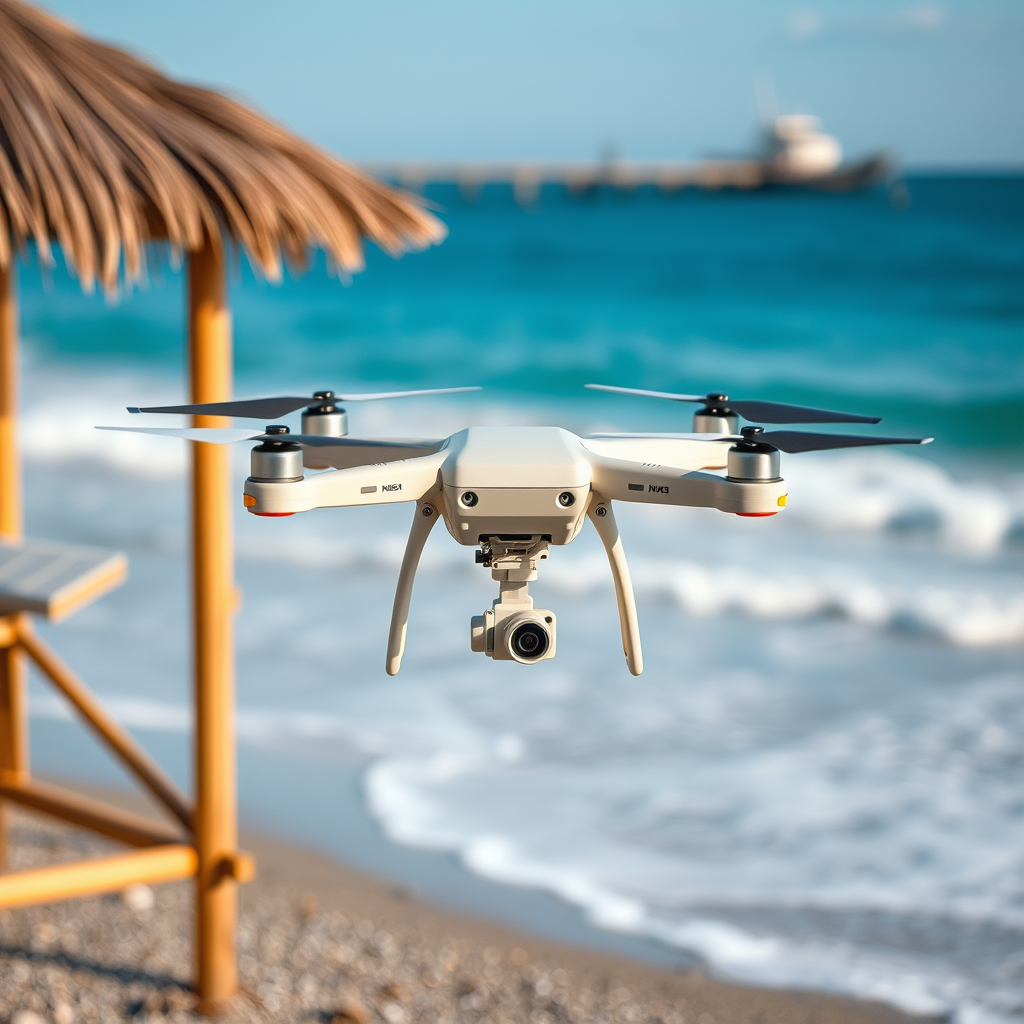
Before flying a drone on the beach, it is imperative to familiarize yourself with local regulations. Many beaches have specific rules that govern drone usage, which can vary significantly from one location to another. For instance, some beaches may completely prohibit drone flights, while others may require that you obtain special permits to operate a drone in that area. Local authorities often implement these regulations to protect wildlife, preserve the tranquility of the environment, or ensure the safety of beachgoers.
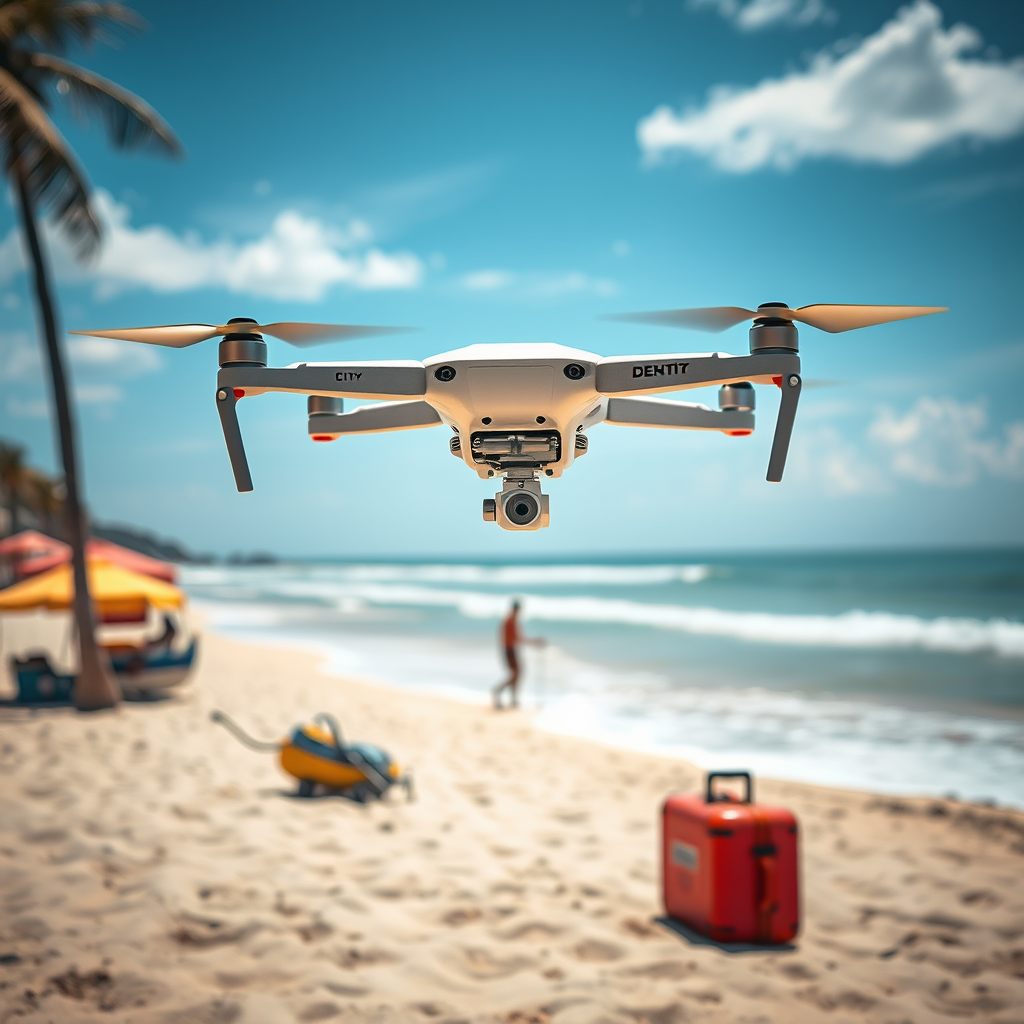
In addition to local laws, it’s essential to be aware of any designated no-fly zones. These zones may include areas near airports, military installations, or wildlife preserves, where the presence of drones could pose a threat to safety and nature. For example, many coastal areas are home to nesting birds; flying a drone too close to their habitats can disturb the ecosystem. Therefore, always check the Federal Aviation Administration (FAA) guidelines and consult local regulations before taking to the skies.
Safety Considerations
Safety should be a top priority when flying a drone on the beach. Ensure you maintain a safe distance from people, pets, and wildlife to prevent accidents. The open space of a beach may seem ideal for flying, but the presence of sunbathers, swimmers, and children playing can present significant risks. Establish a clear flight perimeter to keep your drone safely away from crowds, ideally flying at altitudes that minimize the risk of accidents.
Moreover, be vigilant about changing weather conditions. Beaches are often subject to sudden shifts in weather, such as strong winds or unexpected storms, which can dramatically affect drone performance. High winds can make it difficult to control your drone, increasing the risk of crashes or loss of the device. Always check the weather forecast before flying and avoid operations in adverse conditions.
Respecting Privacy
Respecting the privacy of others is essential when flying a drone on the beach. Avoid flying over private property or capturing footage of individuals without their consent. Not only is this considerate, but it also helps you avoid potential legal issues. Beachgoers may feel uncomfortable being filmed or photographed without their knowledge, so it’s always best to seek permission if you intend to record individuals.
In addition to privacy concerns, consider the implications of sharing footage on social media or other platforms. Always prioritize the privacy of others in your content, respecting their rights and personal space. By being mindful of privacy, you foster a more respectful flying culture within the drone community.
Best Practices for Flying Drones on the Beach
To ensure a positive drone-flying experience on the beach, adhere to best practices that minimize disturbances and maximize safety. Flying during off-peak hours, such as early in the morning or later in the evening, can significantly reduce the number of people present. This not only allows you to enjoy your flight without the worry of interfering with others, but it also provides stunning lighting conditions for photography and videography.
Utilizing a spotter can also enhance your flying experience. A spotter can help you keep an eye on your drone while you focus on piloting, ensuring that you are aware of your surroundings and any potential obstacles. This collaborative approach can increase safety and help you navigate busy or challenging environments more effectively.
Environmental Impact
Being mindful of the local wildlife and natural habitats is crucial when flying a drone on the beach. Many coastal regions serve as habitats for sensitive species, including nesting birds and marine life. Avoid flying in areas where these species may be present, as your drone can inadvertently disturb their natural behaviors and breeding activities. For instance, flying near nesting sites can cause adult birds to abandon their eggs, leading to negative ecological consequences.
Additionally, following the “Leave No Trace” principles is vital. This includes cleaning up any trash or equipment you bring to the beach and avoiding any actions that could damage the environment. By being a responsible drone operator, you contribute to the preservation of the coastal ecosystem, ensuring it remains a beautiful space for both wildlife and future beachgoers.
Recommended Drones for Beach Use
When selecting a drone for beach use, consider models that are designed to withstand the challenges of sandy and salty environments. Waterproof or saltwater-resistant drones are ideal, as they can handle accidental splashes or exposure to moisture without suffering damage. Some popular models, such as the DJI Mavic Air 2 or the Autel Robotics EVO Lite+, offer robust performance while being portable and easy to operate.
Additionally, look for drones with long battery life and good stability, especially in windy conditions. A drone equipped with strong GPS capabilities and advanced stabilization technology will allow for smoother flights and better image quality, enhancing your overall experience. Always invest in quality equipment that suits your flying style and the specific demands of beach environments.
Flying a drone on the beach can be a thrilling experience if done responsibly. Always follow local regulations, prioritize safety, and respect the environment and privacy of others. By adhering to best practices and considering the needs of the surrounding ecosystem, you can enjoy capturing stunning aerial views of the beautiful beach landscape while contributing to the preservation of these natural spaces. Prepare well, and take advantage of the incredible opportunities that beach drone flying has to offer!
Frequently Asked Questions
Can you legally fly a drone on the beach?
Yes, you can legally fly a drone on the beach, but regulations vary by location. It’s essential to check local laws and regulations, as some beaches may have restrictions or require permits for drone use. Additionally, familiarizing yourself with the Federal Aviation Administration (FAA) guidelines and any state or municipal regulations will ensure you fly safely and legally.
What are the best practices for flying a drone on the beach?
When flying a drone on the beach, it’s crucial to maintain a safe distance from people, wildlife, and structures. Always fly at a reasonable altitude, avoid crowded areas, and respect no-fly zones. Additionally, be mindful of changing weather conditions, such as wind and sand, which can impact drone performance and safety.
Why might flying a drone on the beach be restricted or prohibited?
Flying a drone on the beach may be restricted or prohibited due to safety concerns, privacy issues, and environmental protection. Beaches often attract large crowds, which can pose risks of accidents or injuries. Furthermore, some areas may be home to protected wildlife, and drone usage can disturb habitats. Always check for posted signs and local regulations to avoid fines or penalties.
How do I find out if a beach allows drone flying?
To find out if a beach allows drone flying, start by checking the beach’s official website or local government pages, where regulations are typically published. You can also consult the FAA’s website for general drone laws and any specific advisories related to the area. Lastly, consider contacting local law enforcement or park services for the most accurate and up-to-date information.
What should I consider when choosing a drone for flying on the beach?
When choosing a drone for flying on the beach, consider factors such as wind resistance, battery life, and camera quality. Drones designed for high winds and sandy environments will perform better in these conditions. Additionally, look for models with features like GPS stabilization and obstacle avoidance, which can enhance flying safety and help capture stunning beach aerial footage.
References
- https://en.wikipedia.org/wiki/Drone_regulations_in_the_United_States
- https://www.faa.gov/uas/
- https://www.nps.gov/subjects/drones/index.htm
- https://www.wired.com/story/drone-flying-rules-regulations/
- https://www.bbc.com/news/technology-47460692
- https://www.theguardian.com/technology/2021/jul/07/drone-flying-rules-uk-guide
- https://www.nolo.com/legal-encyclopedia/drone-laws-what-you-need-know-33356.html
- https://www.ama.co.uk/knowledge-centre/drone-flying-in-the-uk-what-you-need-to-know/
