

Flying a drone on the Blue Ridge Parkway is possible in limited circumstances, but it is not something pilots should assume is broadly allowed. The Blue Ridge Parkway is managed by the National Park Service (NPS), and that places drone activity under a stricter framework than ordinary recreational flying. In practical terms, drone operators must comply with both Federal Aviation Administration (FAA) rules and NPS policies. That dual layer of regulation is what makes the answer more nuanced than a simple yes or no.
📋 About This Article
Yes, you can fly a drone on the Blue Ridge Parkway, but only in limited situations and with extra care beyond the usual rules. This article is for drone pilots and photographers who want to plan aerial shots while visiting the park. It explains how Parkway rules work alongside federal aviation requirements and highlights the key concerns to watch for, like visitor safety, wildlife disturbance, and where you should and shouldn’t fly.
Because the Parkway spans protected landscapes, mountain overlooks, forest habitat, recreational corridors, and heavily visited public areas, drone use is closely scrutinized. Noise, wildlife disturbance, visitor safety, and interference with park operations are all major concerns. If you are planning aerial photography, scenic video capture, or recreational drone flight near the Blue Ridge Parkway, advance research is essential.
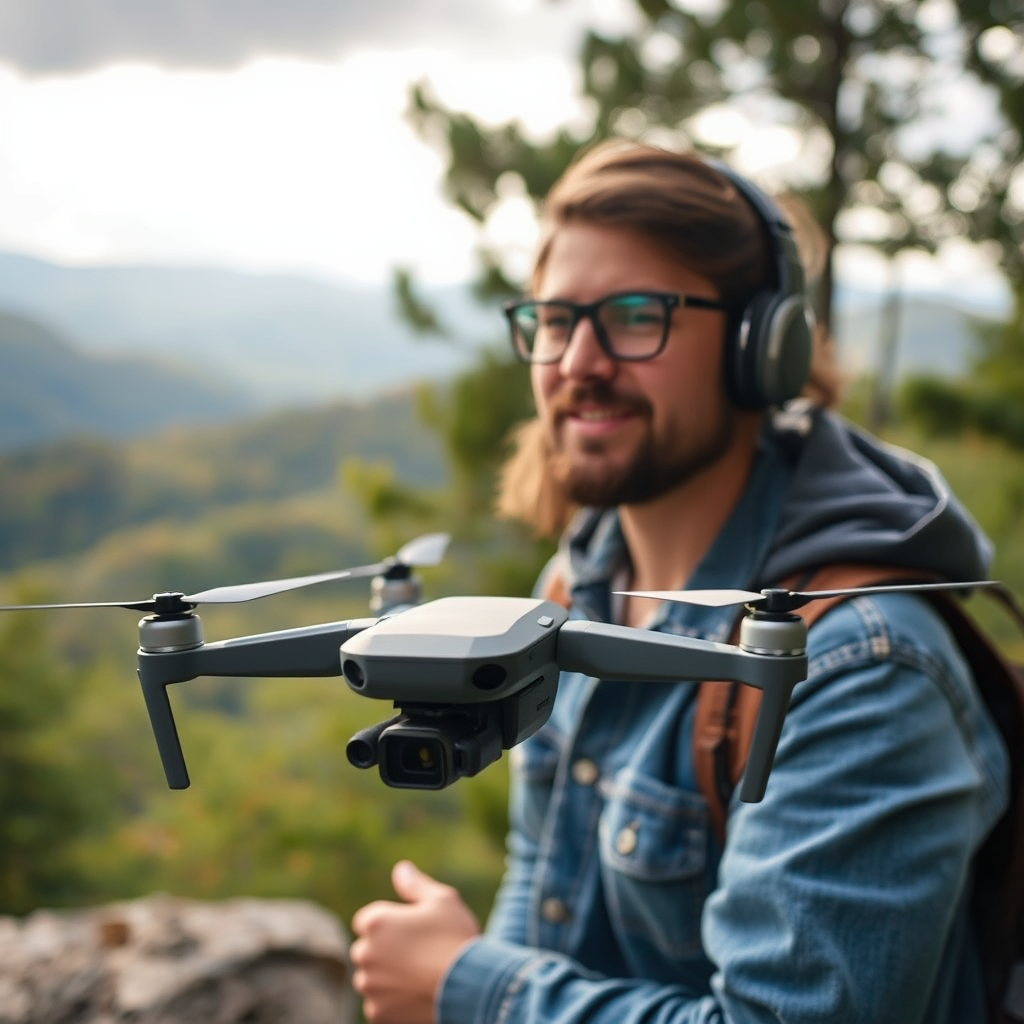
Why Drone Rules on the Blue Ridge Parkway Are More Complicated Than They Seem
The Blue Ridge Parkway is one of the most iconic scenic roads in the United States, stretching through Virginia and North Carolina and connecting visitors to trails, overlooks, campgrounds, historic sites, and natural habitats. Its status as a National Park Service-managed area means that normal FAA compliance alone is not enough.
Drone pilots must think of the Parkway as a two-rule environment:
- FAA regulations control airspace, pilot eligibility, aircraft registration, flight behavior, and operational safety.
- National Park Service rules determine whether launching, landing, or operating a drone is allowed in specific areas associated with the Parkway.
This distinction matters. A flight may appear legal from an airspace perspective, yet still violate NPS restrictions if the drone is launched, landed, or operated from prohibited park property. For that reason, every flight plan should begin with both an FAA airspace review and a location-specific land management check.
FAA Rules Every Drone Pilot Must Follow
Whether you are a recreational flyer or a Part 107 remote pilot, FAA drone regulations apply on and around the Blue Ridge Parkway. These federal aviation rules govern the safe operation of unmanned aircraft systems across the country.
Key FAA Requirements
- Register your drone if registration is required based on its weight and intended use.
- Keep the drone within visual line of sight.
- Fly at or below the maximum allowable altitude unless otherwise authorized.
- Avoid flying in a careless or reckless manner.
- Do not interfere with manned aircraft.
- Check controlled airspace and obtain authorization when required.
- Follow Remote ID requirements if applicable.
Depending on where you are along the Parkway, nearby airports, heliports, or other airspace constraints may affect whether you can legally fly. The Blue Ridge region includes varied terrain and communities, so airspace can change from one segment of the Parkway to another. Using FAA-approved tools such as B4UFLY or LAANC-compatible apps is a smart step before any launch.
How National Park Service Policies Affect Drone Use
The National Park Service imposes additional restrictions to protect natural resources, preserve the visitor experience, and maintain operational safety. In many NPS-managed areas, drones are restricted or prohibited because they can disrupt wildlife, create noise at scenic overlooks, and pose hazards near roads, trails, and gathering areas.
On the Blue Ridge Parkway, this means you should never assume that open space equals legal launch space. A meadow, pull-off, campground edge, or overlook may look suitable for drone takeoff, but that does not make it permissible under park policy.
NPS restrictions often exist for several reasons:
- Wildlife protection: Birds, mammals, and other species can be disturbed by low-flying aircraft.
- Visitor safety: Parkway overlooks, trails, and roadside stops often attract dense foot traffic.
- Noise management: Drone sound can undermine the quiet, scenic character visitors expect.
- Park operations: Maintenance crews, emergency response teams, and fire management activities may require airspace or ground-use limitations.
Are There Any Permitted Areas Along the Blue Ridge Parkway?
Some areas along or near the Blue Ridge Parkway may allow drone use, but permission is highly dependent on the exact location and current conditions. There is no blanket assumption that all Parkway property is open to drones, and there is no guarantee that a place that was previously available remains available during your visit.
In general, drone use is more likely to be considered only in places that are not designated as environmentally sensitive, operationally restricted, or heavily congested with visitors. In some cases, pilots may look into areas such as:
- Visitor facilities, but only where drone activity is explicitly permitted
- Campgrounds, subject to posted rules and local restrictions
- Nearby non-park land outside NPS jurisdiction, assuming FAA compliance and landowner permission
However, a location being “not obviously prohibited” is not the same as being approved. The safest approach is to verify directly with the Blue Ridge Parkway administration or the relevant land manager before flying.
Temporary and Seasonal Restrictions You Should Expect
Even where drone activity may be possible, temporary restrictions can change the situation quickly. The Blue Ridge Parkway passes through areas where seasonal wildlife behavior, maintenance projects, and emergency operations may lead to short-term closures or operational limits.
Common Reasons for Temporary Drone Restrictions
- Nesting bird season: Raptors and other birds may be especially sensitive during breeding periods.
- Wildlife activity: Areas with active animal movement or protected species may be restricted.
- Fire management: Prescribed burns or wildfire response can create no-fly concerns.
- Construction or maintenance: Work zones may require public access and operational limitations.
- Crowd management: Busy overlooks, festivals, and high-traffic recreation sites may not be suitable for drone use.
Because these restrictions can be temporary and localized, checking conditions on the day of your flight is just as important as checking them during trip planning.
Best Places to Check Before You Fly
Before launching a drone near the Blue Ridge Parkway, review information from reliable sources rather than relying on assumptions, social media comments, or outdated forum posts.
Use These Resources Before Any Flight
- FAA airspace tools: Confirm whether the location is in controlled or restricted airspace.
- Blue Ridge Parkway official updates: Look for alerts, closures, and management notices.
- National Park Service guidance: Review park-specific drone rules and superintendent orders where applicable.
- Local signage: Posted restrictions at campgrounds, visitor centers, trailheads, and overlooks may govern on-site activity.
- Direct contact with park staff: If the rules are unclear, ask before you fly.
This step is especially important because the Parkway is long, crosses multiple jurisdictions, and includes a mix of public-access sites with different operating realities.
Can You Launch a Drone From Outside the Parkway and Fly Over It?
This is one of the most misunderstood parts of drone law. In some situations, drone pilots ask whether they can launch from non-NPS land outside the Blue Ridge Parkway boundary and then fly over nearby areas. While the FAA controls navigable airspace, land management rules still matter, and flights involving park areas can raise legal and practical concerns.
Even if a launch point is outside park property, operators still need to consider:
- Whether the planned flight path enters sensitive or restricted areas
- Whether the operation could disturb wildlife or visitors
- Whether any special use restrictions or emergency rules are in effect
- Whether recovery, emergency landing, or loss of control could place the aircraft on park land
Because this can become legally complex, pilots should avoid treating boundary-adjacent launches as a loophole. If your flight involves the Blue Ridge Parkway environment in any meaningful way, verify legality before operating.
Safety Considerations Unique to the Blue Ridge Parkway
Mountain flying brings challenges that many drone pilots underestimate. The scenic beauty of the Blue Ridge Mountains may make for excellent aerial imagery, but the terrain also creates operational hazards.
Important Risk Factors in Mountain Environments
- Wind shear and gusts: Ridges and overlooks can generate sudden wind changes.
- Signal interference: Elevation shifts and terrain can affect connection stability.
- Limited landing zones: Forest cover, rocky slopes, and roadside barriers reduce recovery options.
- Wildlife encounters: Birds may react aggressively to drones.
- Traffic and pedestrians: Popular overlooks and roadside stops increase safety risks.
These conditions make conservative flight planning essential. Even if a flight is technically allowed, it may not be safe or responsible in real-world conditions.
Practical Tips for Responsible Drone Flying Near the Parkway
If you determine that your flight is legal and permitted, responsible operation should still be your priority. The Blue Ridge Parkway is valued for scenic preservation, quiet recreation, and ecological protection, so low-impact flying practices matter.
- Choose low-traffic times to reduce conflict with visitors.
- Keep a generous distance from wildlife, trails, roads, and overlooks.
- Limit flight duration to reduce noise and disturbance.
- Do not fly near emergency operations, maintenance crews, or active work zones.
- Be prepared to cancel your flight if conditions change.
Professional drone etiquette is especially important in national park-adjacent environments, where one careless flight can lead to complaints, enforcement issues, or damage to sensitive natural resources.
What Happens If You Fly Illegally?
Unauthorized drone use on or around protected federal land can lead to enforcement action. Depending on the violation, consequences may include warnings, citations, fines, confiscation concerns, or FAA-related penalties. The seriousness of the response may increase if a flight endangers visitors, disturbs wildlife, interferes with park operations, or violates controlled airspace rules.
For commercial drone operators, noncompliance can also create liability issues, especially if the flight was conducted for client work, tourism marketing, real estate media, or monetized content creation.
So, Can You Fly a Drone on the Blue Ridge Parkway?
Yes, but only within a narrow and carefully verified framework. FAA compliance is mandatory, and National Park Service restrictions can further limit where and whether drone use is allowed. Many sections of the Blue Ridge Parkway are environmentally sensitive or operationally unsuitable for unmanned aircraft, and temporary restrictions may apply at any time.
The most accurate answer is this: you may be able to fly a drone in certain areas associated with or near the Blue Ridge Parkway, but you should never assume permission. Always confirm the specific location, review current park policies, check FAA airspace, and be prepared to choose another site if restrictions are in place.
Frequently Asked Questions: Can You Fly a Drone on the Blue Ridge Parkway?
Can you legally fly a drone on the Blue Ridge Parkway?
In most cases, no. The Blue Ridge Parkway is managed by the National Park Service (NPS), and NPS policy generally prohibits launching, landing, or operating drones from lands and waters under its administration unless you have written approval from the superintendent. That means recreational and most casual drone use is not allowed anywhere along Parkway property, including overlooks, trails, campgrounds, visitor areas, and pull-offs.
Even if a drone is registered with the FAA and the pilot follows federal drone rules, NPS restrictions still apply on Parkway land. FAA compliance does not override National Park Service regulations.
Why are drones restricted on the Blue Ridge Parkway?
Drones are restricted to protect visitors, wildlife, and the natural soundscape of the Parkway. The Blue Ridge Parkway is known for scenic views, quiet recreation, and sensitive habitats. Drones can disturb birds and other animals, interfere with visitors’ enjoyment, and create safety concerns in crowded overlooks or near roads and trails.
The restriction also helps park staff reduce risks related to crashes, emergency incidents, and unauthorized filming activities. These rules are common across many National Park Service sites, not just the Blue Ridge Parkway.
Are there any exceptions or permits for drone use on the Blue Ridge Parkway?
Exceptions are limited. In rare situations, the National Park Service may authorize drone use for approved purposes such as search and rescue, scientific research, resource management, or official government operations. These exceptions usually require advance written authorization from the superintendent or other appropriate officials.
Commercial creators, travel bloggers, and recreational drone pilots should not assume they can get approval simply because they want to capture scenic footage. If you believe your use may qualify, contact the Blue Ridge Parkway directly before bringing a drone and ask about current policies, permit requirements, and any site-specific restrictions.
Can you fly a drone over the Blue Ridge Parkway if you launch from outside park property?
This is a gray area that requires caution. The National Park Service generally prohibits launching, landing, or operating a drone from Parkway property. Separately, the FAA regulates the airspace above the ground. In some situations, a pilot may wonder whether launching from private land outside the Parkway boundary changes the rules.
However, legality can depend on exact boundaries, local airspace restrictions, Temporary Flight Restrictions, nearby airports, and whether your flight would involve any contact with NPS land. It may also raise practical concerns about privacy, safety, wildlife disturbance, and recovery if the drone goes down on park property. Because of these issues, pilots should verify both FAA rules and Parkway-specific restrictions before attempting any flight near the area.
Where can you fly a drone near the Blue Ridge Parkway instead?
If you want to fly nearby, look for locations outside National Park Service land where drone use is allowed. Potential options may include certain private properties with the owner’s permission, some state or local lands that allow drones, or other public areas that are not subject to NPS rules. Always confirm local ordinances, park policies, and FAA airspace requirements before flying.
Before choosing an alternate location, check for controlled airspace, no-fly zones, weather conditions, and any seasonal wildlife protections. It is also smart to use official maps and FAA drone apps to confirm where the Blue Ridge Parkway boundary ends so you do not accidentally launch from restricted land.
