
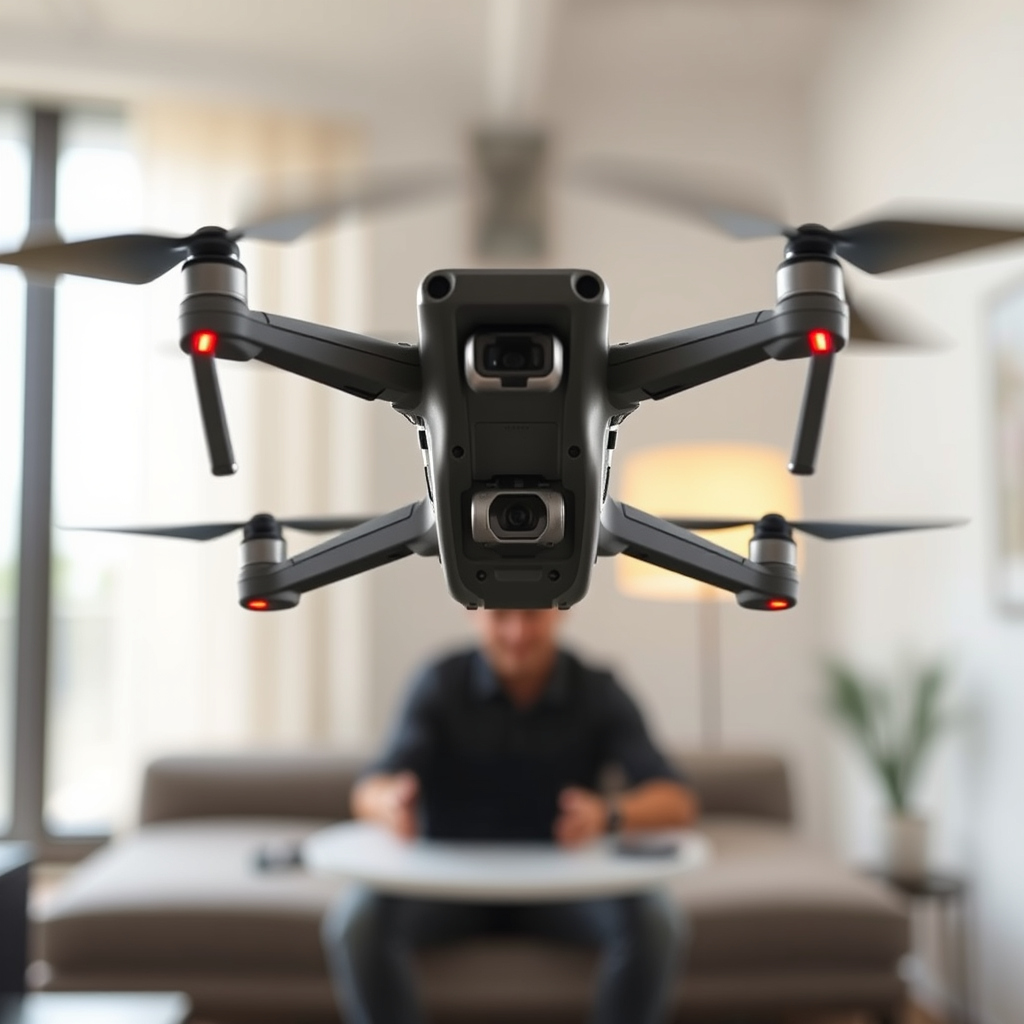
Yes, you can fly a drone out of sight, but doing so is subject to specific regulations and safety considerations. Many jurisdictions have stringent laws in place to ensure that drone operators maintain visual contact with their aircraft. Understanding these rules is crucial for responsible drone operation and avoiding potential penalties, as well as ensuring the safety of both the operator and the public. This blog post will delve into the key aspects of flying a drone out of sight, including regulations, risks, technology, and best practices to ensure a safe and compliant flying experience.
Understanding Line of Sight Regulations
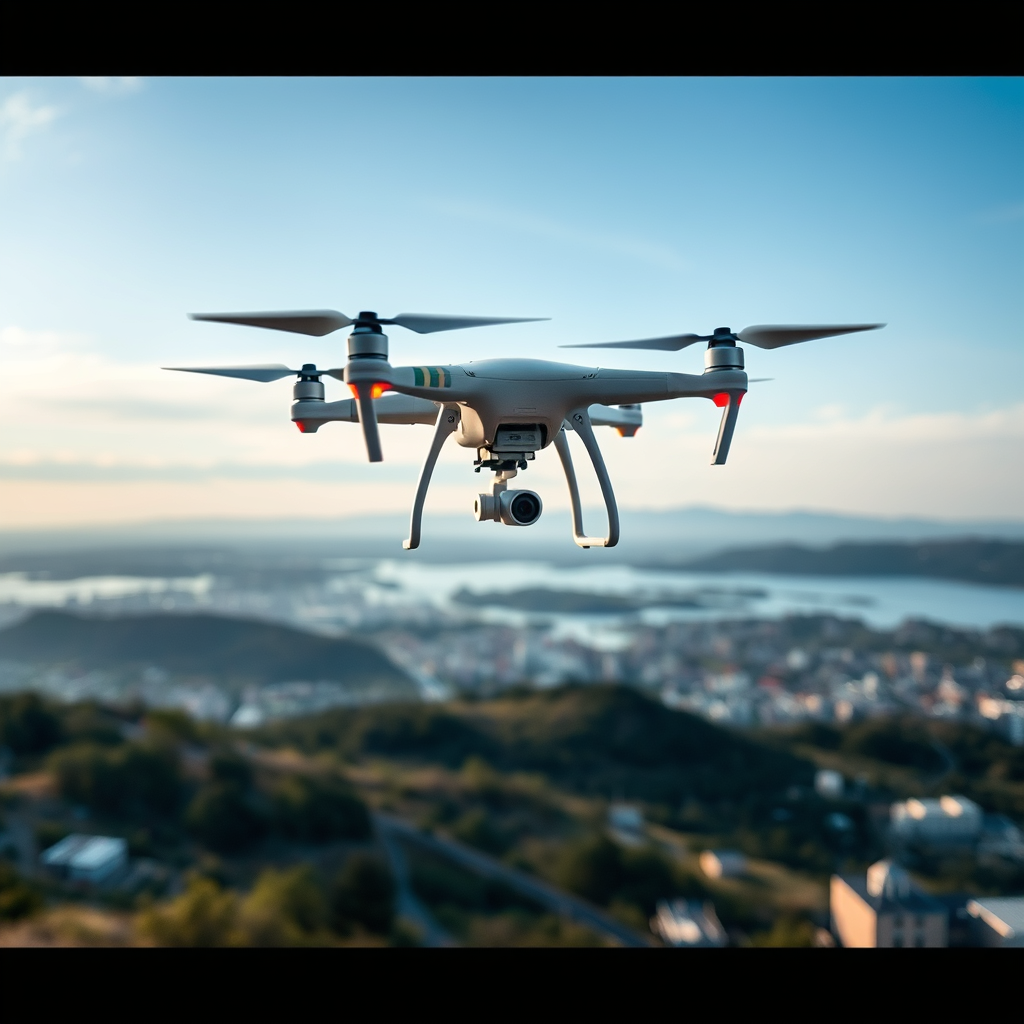
Most countries require drones to be flown within the operator’s visual line of sight (VLOS). This means that the drone must remain visible to the operator without the aid of binoculars or other devices. The rationale behind this regulation is primarily safety; maintaining visual contact allows the operator to navigate the drone effectively and avoid emergencies. In the United States, for example, the Federal Aviation Administration (FAA) mandates VLOS for recreational and commercial drone flights.
However, regulations may vary by region, so it’s essential to check local laws before flying. Many countries have adopted similar policies, but some regions may allow for exceptions under certain circumstances. For instance, in Canada, the Transport Canada regulations also emphasize VLOS but provide options for advanced operations with a Special Flight Operations Certificate (SFOC). Therefore, prospective drone pilots must familiarize themselves with the laws specific to their area before undertaking any flight that may involve flying out of sight.
The Risks of Flying Out of Sight
Flying a drone out of sight can introduce several risks that could have serious consequences. One of the most significant dangers is the increased likelihood of accidents. When an operator loses sight of their drone, the chances of colliding with obstacles, such as buildings, trees, or even other aircraft, rise dramatically. This not only poses a risk to the aircraft itself but also to people and property on the ground.
Additionally, losing visual contact can make it exceedingly challenging to control the drone. The operator may struggle to gauge the drone’s altitude or orientation, which could lead to potential crashes or even the loss of the aircraft altogether. This risk is compounded in urban areas where obstacles are plentiful and can appear suddenly. Moreover, if a drone goes out of sight and causes damage or injury, the operator could face legal repercussions, including fines or civil lawsuits.
Technology That Enables Beyond Visual Line of Sight (BVLOS) Operations
While traditional regulations emphasize VLOS, advancements in technology have made Beyond Visual Line of Sight (BVLOS) operations increasingly feasible. Some drones are now equipped with advanced features such as GPS tracking, obstacle avoidance systems, and even automated flight capabilities. These technologies help mitigate the risks associated with flying out of sight by providing operators with real-time data and automated responses to potential hazards.
However, it’s important to note that BVLOS operations may require special permissions or licenses from aviation authorities. For instance, in the U.S., operators wishing to fly drones BVLOS need to apply for a waiver from the FAA, demonstrating their capability to manage potential risks. Similarly, in Europe, the European Union Aviation Safety Agency (EASA) has established a framework for BVLOS operations that operators must adhere to. Those interested in pursuing BVLOS flights should invest time in understanding the technological capabilities of their drones and the regulatory requirements that govern their use.
Local Laws and Regulations
Each country has different rules regarding BVLOS flights, making it imperative for drone operators to familiarize themselves with local regulations. In many jurisdictions, BVLOS operations are only allowed under specific conditions, often requiring a demonstration of the operator’s ability to manage the risks involved.
For example, in the United Kingdom, the Civil Aviation Authority (CAA) has set out stringent criteria for BVLOS operations, including the necessity for an operational safety case and risk assessment. These requirements ensure that drone operators can conduct flights without compromising safety standards. Similarly, Australia’s Civil Aviation Safety Authority (CASA) mandates that operators have a Remote Pilot Licence (RePL) to conduct BVLOS operations. Compliance with local laws not only helps avoid legal issues but also promotes a culture of safety and responsibility within the drone community.
Safety Best Practices for Drone Operation
Regardless of whether you are flying within or beyond visual line of sight, adhering to safety best practices is essential. First and foremost, always perform pre-flight checks to ensure that your drone is in good working order. This includes verifying battery levels, checking for firmware updates, and inspecting propellers for damage. A thorough pre-flight checklist can prevent technical failures during flight, which are often the leading causes of accidents.
Additionally, have a clear plan for your flight path and be aware of your surroundings at all times. Familiarize yourself with the area where you plan to fly, noting any potential hazards such as power lines, busy roads, or populated areas. If you are flying BVLOS, consider utilizing a co-pilot who can maintain visual contact and assist in monitoring the drone’s flight. Always prioritize safety and err on the side of caution, as this not only protects your investment but also upholds the integrity of the drone flying community.
Alternatives to Flying Out of Sight
If the idea of flying out of sight seems daunting, there are several alternatives that can enhance your flying experience without compromising safety. One option is using a drone equipped with a first-person view (FPV) system. FPV systems provide a live video feed from the drone’s camera to the operator, allowing for a more immersive flying experience while still maintaining visual contact. This technology can help operators navigate complex environments and execute maneuvers that would otherwise be difficult to perform.
Moreover, consider exploring designated areas where BVLOS is permitted under controlled conditions. Many regions have specific zones or events that allow for BVLOS operations, often with the oversight of experienced personnel. Participating in these controlled environments can provide valuable experience and insight into safely managing BVLOS flights.
In conclusion, while flying a drone out of sight is possible under certain conditions, it is essential to adhere to regulations and prioritize safety. Operators must remain informed about local laws and best practices to ensure responsible drone operation. By understanding the risks, leveraging technology, and employing safety measures, drone enthusiasts can enjoy their hobby while contributing to a safe and respectful flying community.
Frequently Asked Questions
Can you legally fly a drone out of sight?
No, in most jurisdictions, flying a drone out of sight is illegal. According to the FAA regulations in the United States, drone pilots must maintain visual line of sight (VLOS) with their drones at all times during flight. This rule is in place to ensure safety, as it allows the operator to avoid obstacles and other aircraft.
What are the risks of flying a drone out of sight?
Flying a drone out of sight poses several risks including collisions with other aircraft, loss of control, and the potential for the drone to crash in inaccessible areas. Additionally, flying beyond visual line of sight can lead to legal penalties, including fines and the revocation of your drone license. It is crucial to prioritize safety and adhere to regulations to avoid these potential issues.
How can I fly a drone beyond visual line of sight legally?
To fly a drone beyond visual line of sight (BVLOS) legally, you need to obtain a special waiver from the FAA or your local aviation authority. This process typically requires demonstrating that you have the necessary training, technology, and safety measures in place. Additionally, using technology such as first-person view (FPV) goggles with an observer can help maintain situational awareness, but it still does not replace the need for legal authorization.
Why is maintaining line of sight important when flying a drone?
Maintaining line of sight when flying a drone is essential for several reasons. It helps the pilot avoid obstacles, ensures safe operation in proximity to people and property, and allows for immediate responses to changes in the environment. Furthermore, regulatory bodies enforce this rule to promote safety in the airspace, reducing the risk of accidents and ensuring responsible drone usage.
What is the best practice for flying a drone safely?
The best practice for flying a drone safely includes adhering to the FAA’s regulations, which mandate keeping your drone within visual line of sight. Additionally, always conduct a pre-flight check, avoid flying in adverse weather conditions, and be aware of your surroundings. Utilizing apps and tools that provide real-time airspace information can also enhance safety, ensuring that you avoid restricted areas and potential hazards while flying your drone.
References
- https://en.wikipedia.org/wiki/Drone_regulations#United_States
- https://www.faa.gov/uas/getting_started/fly_basics/
- https://www.faa.gov/uas/getting_started/fly_for_work/
- https://www.nytimes.com/2021/06/14/technology/drones-regulations.html
- https://www.cnet.com/news/what-you-need-to-know-about-drone-regulations/
- https://www.ama-assn.org/delivering-care/public-health/drone-delivery-covid-19-vaccines
- https://www.ncbi.nlm.nih.gov/pmc/articles/PMC7937502/
