
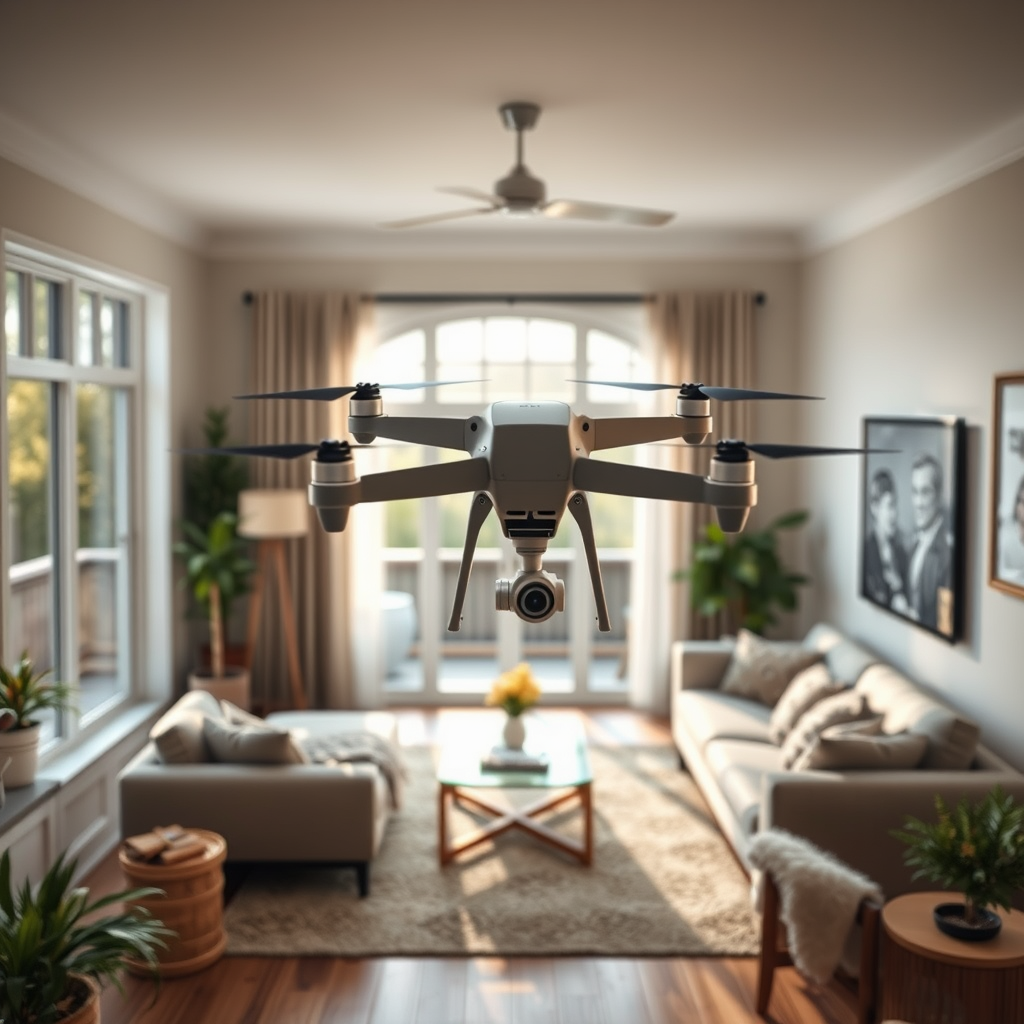
Yes, you can fly a drone outside from inside your house, but there are important considerations to keep in mind. Factors such as line of sight, local regulations, and drone capabilities play a significant role in ensuring a safe and legal flight experience. Understanding these components is essential for both novice and experienced drone operators, as they directly impact the quality of your flying experience and compliance with legal standards.
Understanding Line of Sight Regulations
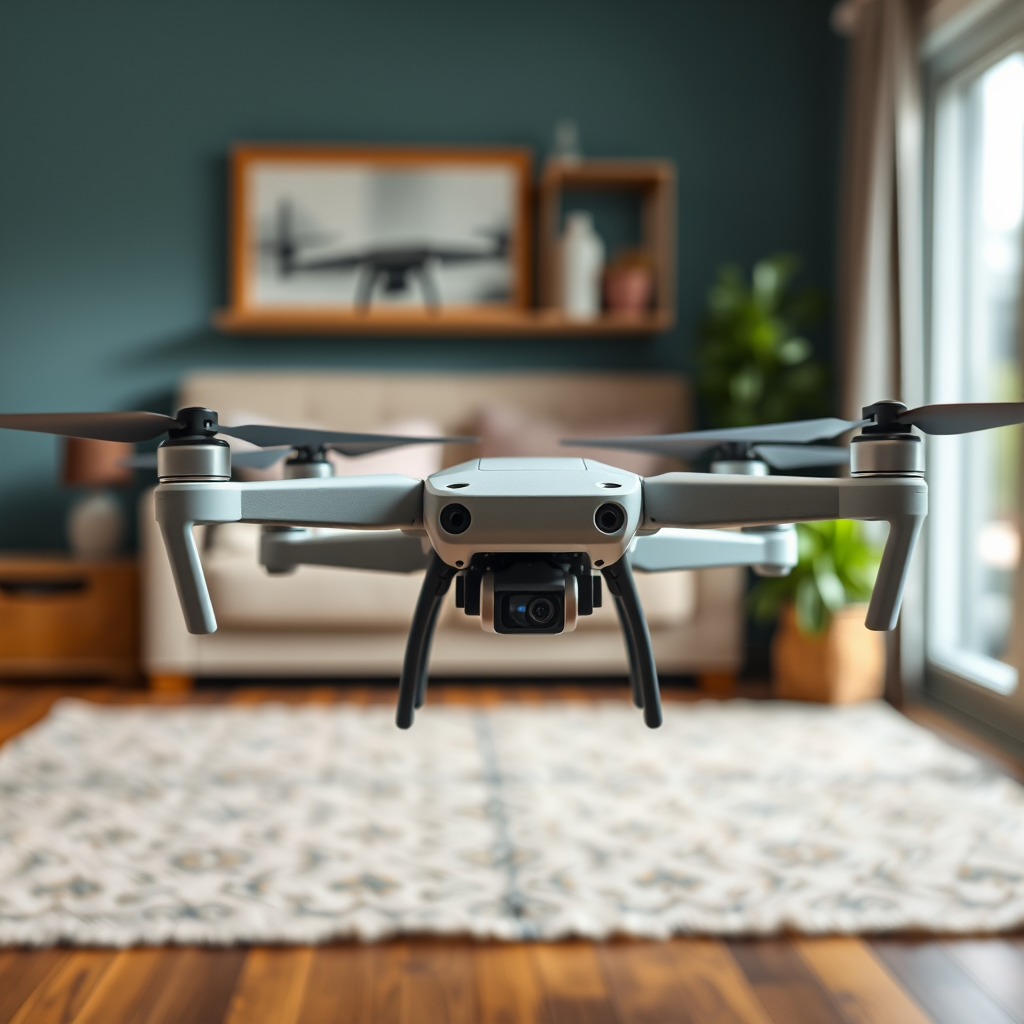
Most jurisdictions require drones to be flown within the operator’s line of sight. This regulation is primarily designed to ensure safe operation and avoid collisions with other objects or people. When flying from inside your house, maintaining a clear line of sight can be challenging, especially if you are attempting to navigate around obstacles such as walls, furniture, or windows. For instance, if your drone is flying outside but you are seated at a desk with limited visibility, it may be difficult to control the drone effectively.
To comply with regulations and ensure safety, consider using a vantage point where you have a clear line of sight to your drone. This might mean stepping outside or positioning yourself near a window with an unobstructed view. Additionally, being aware of your drone’s orientation and altitude will help you maintain control without direct visual contact at all times.
Drone Signal and Range Limitations
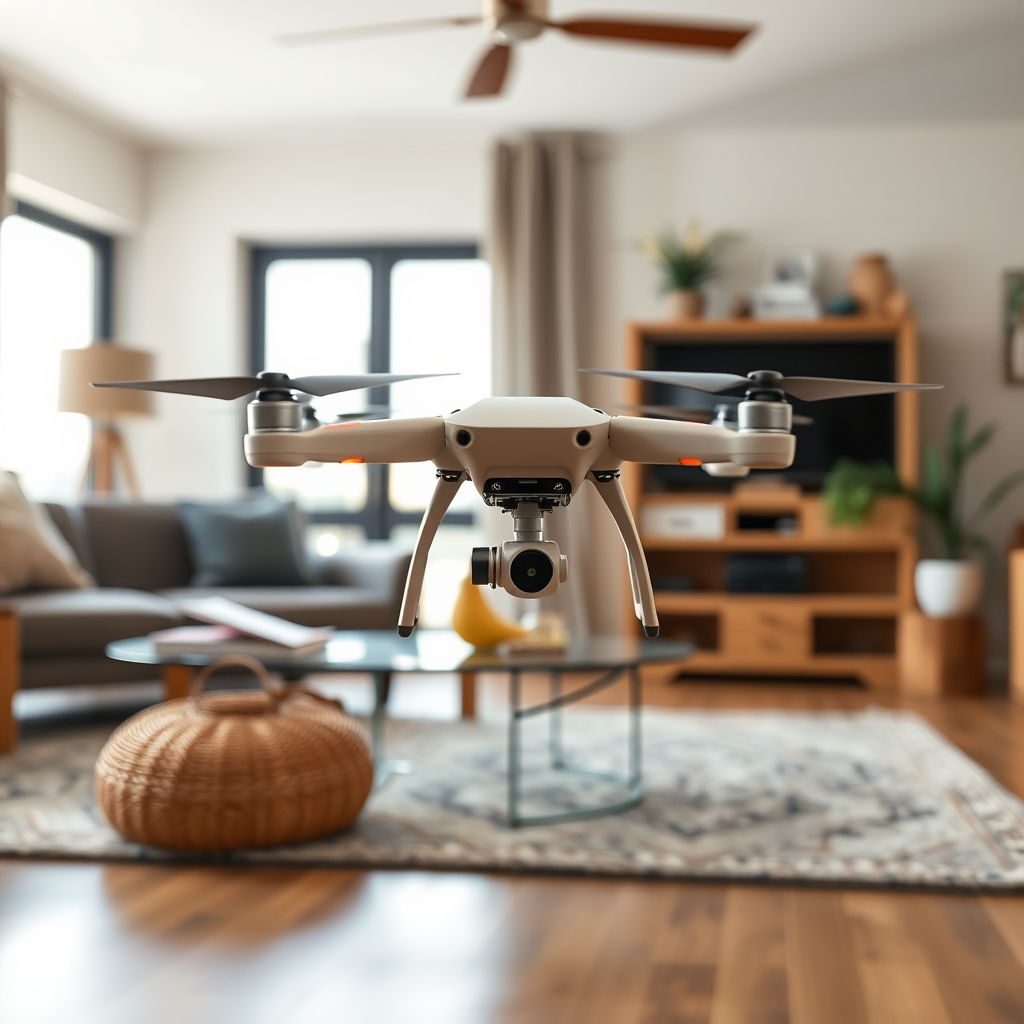
Drone signal and range limitations are crucial factors that can significantly impact your flight experience. Many consumer drones operate within a limited signal distance, typically ranging from 300 to 3,000 feet, depending on the model and the conditions. When flying from indoors, the physical barriers such as walls and ceilings can lead to signal interference, resulting in reduced control and even loss of connection with your drone.
For example, if you attempt to fly a drone with a 1,500-foot range from the basement of your home, the signal may weaken or drop entirely as you approach the outer limits of the range due to interference from structural elements. It is advisable to check the specifications of your drone regarding its transmission range and to perform a test flight in an open outdoor area to gauge its performance without obstructions.
Local Laws and Regulations
Familiarizing yourself with local drone laws is essential before attempting to fly a drone outside from indoors. Regulations can vary widely from one region to another and may include restrictions on flying near populated zones, sensitive locations, or specific airspace classifications. For instance, if you live near an airport, there may be stringent regulations prohibiting drone flights within a certain radius.
Many jurisdictions also require drone operators to register their drones with relevant authorities, obtain licenses, or follow specific guidelines to ensure safety and privacy for all community members. It is advisable to consult local drone regulations provided by agencies like the Federal Aviation Administration (FAA) in the United States or comparable organizations in other countries. This knowledge not only keeps you compliant but also fosters responsible drone operation within your community.
Choosing the Right Drone for Indoor/Outdoor Use
Selecting the right drone enhances your flying capabilities and ensures a better experience, particularly when transitioning between indoor and outdoor environments. Drones designed for both indoor and outdoor use often come equipped with advanced features such as GPS assistance, altitude hold, and obstacle avoidance systems. These features can significantly reduce the risks associated with flying in challenging conditions.
For example, drones like the DJI Mini 2 or the Parrot Anafi are well-regarded for their versatility, allowing for smooth operation indoors with their compact size and robust stabilization technology, while still being capable of outdoor flights. When making a selection, consider factors such as the drone’s weight, battery life, and flight time to match your intended use. Investing in a reliable drone that meets your operational needs can enhance your flying experience and minimize operational challenges.
Safety Precautions to Take
Safety should always be a top priority when flying drones, especially when attempting to launch from indoors. Ensure that the outdoor area is clear of obstacles and people to prevent accidents during takeoff and landing. Conduct a thorough assessment of the environment before flying; check for trees, power lines, and other potential hazards that could interfere with your drone’s flight path.
Additionally, it is prudent to have a contingency plan in place for emergencies. This includes knowing how to regain control of your drone if it loses signal or how to execute a safe landing in case of unexpected circumstances, such as battery depletion. By prioritizing safety and being prepared for various scenarios, you can enhance your overall flying experience.
Best Practices for Indoor-to-Outdoor Transitions
When transitioning from indoor to outdoor flying, it is advisable to takeoff and land outdoors whenever possible. Launching your drone from inside can complicate the flight and increase the risk of accidents. Instead, consider using a designated takeoff area outside, such as a clear patch of grass or an open field, to help minimize risks during transitions.
Prior to launching, take a moment to ensure all systems are functional and that the drone is in a ready state. This includes checking battery levels, GPS connectivity, and ensuring that there are no obstructions in your drone’s immediate surroundings. Taking these precautions can lead to a smoother flight experience and reduce the likelihood of mishaps during takeoff and landing.
In conclusion, while flying a drone outside from inside your house is possible, it requires careful planning and adherence to regulations. Understanding the importance of line of sight, drone capabilities, and local laws is essential for a successful flying experience. By choosing the right drone, taking appropriate safety precautions, and following best practices for transitions, you can enjoy your drone flying experience while prioritizing safety and compliance. If you’re eager to elevate your drone flying experience, consider these tips and be prepared for responsible flying.
Frequently Asked Questions
Can I fly a drone outside if I launch it from inside my house?
Yes, you can launch a drone from inside your house to fly it outside, but there are important considerations. You must ensure that the drone has a clear line of sight outside and is within range of your remote control. Additionally, be mindful of any obstacles like windows, doors, or walls that could interfere with the drone’s signal or flight path.
What regulations should I be aware of when flying a drone outside from inside my house?
When flying a drone, whether from inside or outside, you must adhere to local and national regulations. In the U.S., the FAA requires drone operators to follow guidelines such as flying below 400 feet, maintaining visual line of sight, and avoiding restricted areas. Always check for any local laws or ordinances that may impact your drone flying, especially near residential areas.
How can I ensure a safe flight when launching my drone from indoors?
To ensure a safe flight when launching your drone from inside your house, conduct a pre-flight check to ensure your drone is in good working condition. Make sure the area outside is clear of people, pets, and obstacles, and consider using a spotter to help monitor the drone’s flight path. Additionally, ensure that your drone’s GPS signal is strong before takeoff for better stability and control.
Why is it important to maintain line of sight while flying my drone?
Maintaining line of sight while flying your drone is crucial for safety and compliance with aviation regulations. Keeping the drone in sight allows you to avoid obstacles, respond to unexpected changes in the environment, and ensure it remains under your control at all times. It also helps prevent accidents and potential legal issues since many jurisdictions require visual line of sight during flight.
What are the best practices for flying a drone outdoors after launching from indoors?
Best practices for flying a drone outdoors after launching from indoors include performing a thorough pre-flight checklist, ensuring strong GPS connectivity, and taking off in a spacious area away from people and structures. Be aware of your surroundings, including weather conditions, and avoid flying in high winds or poor visibility. Always have a plan for landing, and be prepared to take manual control if necessary to avoid obstacles.
References
- https://www.faa.gov/uas/
- https://www.nytimes.com/2021/04/29/technology/drones-faa-rules.html
- https://www.wired.com/story/faa-drone-rules-2021/
- https://www.reuters.com/technology/drone-ownership-grows-us-amid-covid-19-pandemic-2021-04-20/
- https://www.ncbi.nlm.nih.gov/pmc/articles/PMC6752362/
- https://www.nasa.gov/mission_pages/gnc/technology/drones.html
- https://www.dronepilotgroundschool.com/drone-flying-legally/
