
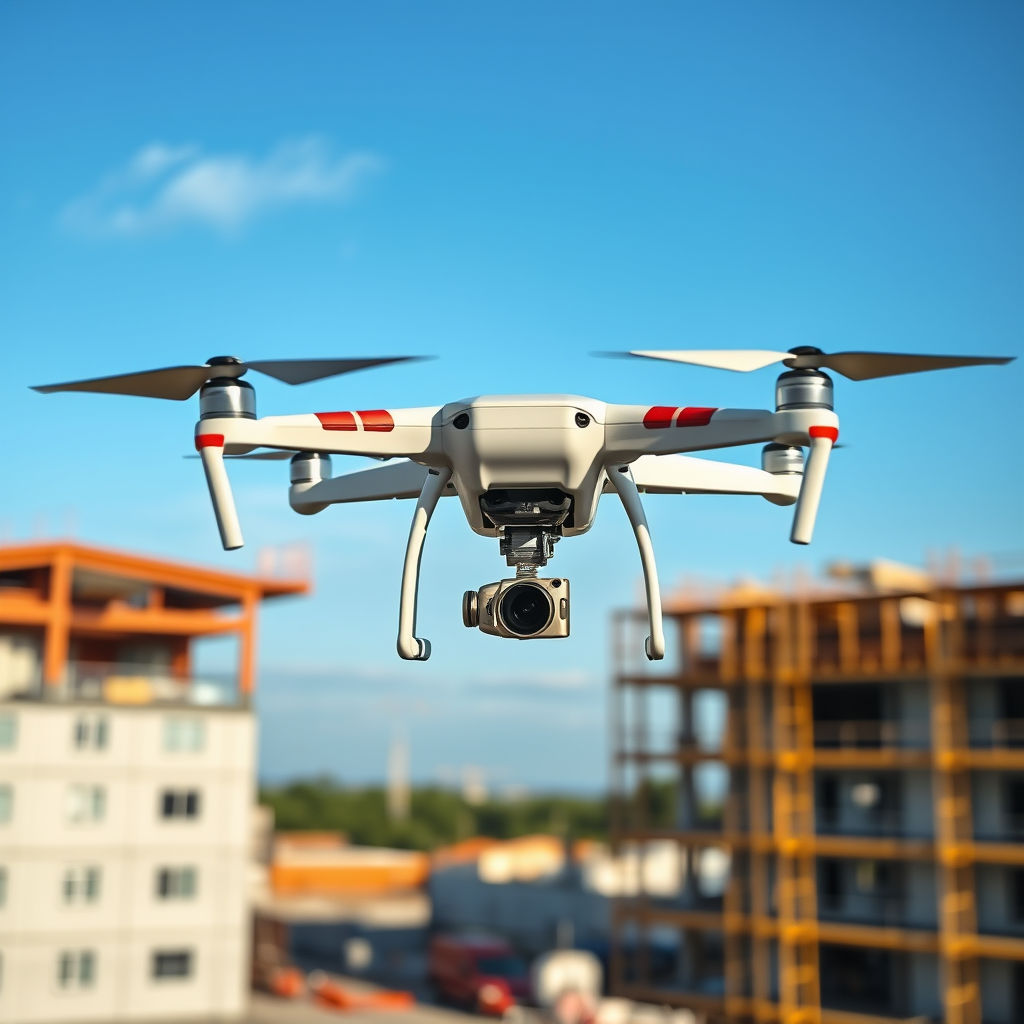
Yes, you can fly a drone over a construction site, but there are important regulations and safety protocols to consider. Understanding these guidelines is essential for responsible drone operation in such environments, as it ensures compliance with legal standards while maximizing the benefits that drones offer in construction projects. With the rapid advancement of drone technology, they have become invaluable tools for surveying, monitoring progress, and ensuring safety on construction sites. However, flying a drone requires meticulous planning and adherence to various regulations to avoid legal repercussions and ensure the safety of all personnel involved.
Understanding FAA Regulations
The Federal Aviation Administration (FAA) governs all drone flights in the United States, establishing strict regulations that must be adhered to. For commercial drone operators, obtaining a Part 107 certification is essential to fly legally. This certification not only ensures that operators understand the rules of the sky but also that they can operate drones safely within the national airspace system.
Part 107 regulations cover a variety of aspects, including altitude restrictions (generally capped at 400 feet), the prohibition of flying at night without additional lighting equipment, and maintaining a visual line of sight with the drone at all times. Additionally, operators must be aware of Temporary Flight Restrictions (TFRs) that may be in place around construction sites, especially in urban areas or near airports. Understanding these regulations is crucial to avoid potential fines or legal issues that could arise from unauthorized drone flights.
Safety Protocols for Construction Sites
Safety is paramount when operating drones over construction sites. Before taking flight, it is essential to conduct a pre-flight safety assessment to identify potential hazards. This includes surveying the area for obstacles such as cranes, power lines, and other equipment that may pose a risk during the operation.
Moreover, operators should ensure that no workers or equipment are at risk during the drone operation. Establishing a no-fly zone and clearly communicating with the construction team can help mitigate risks. It’s also advisable to conduct a safety briefing for all personnel on-site before the drone flight, ensuring that everyone is aware of the operation schedule and any potential hazards.
Permission and Notifications
Before flying a drone over a construction site, it is necessary to obtain permission from the construction site owner or project manager. This not only demonstrates professionalism but also ensures that all parties are aligned regarding the timing and purpose of the drone operation. Clear communication can also help in addressing any concerns that site managers may have regarding safety and the potential impact of drone activities on ongoing work.
Additionally, if the construction site is located near controlled airspace, it is essential to notify nearby air traffic control. This is particularly important in densely populated urban areas where multiple aircraft operations may occur simultaneously. Keeping open lines of communication with air traffic control can help prevent potential conflicts and ensure a safe flying environment.
Types of Drones Suitable for Construction Sites
When selecting a drone for construction site operations, it is crucial to choose one equipped with high-resolution cameras to capture quality imagery for inspections and progress tracking. Drones such as the DJI Matrice 300 RTK or the Parrot Anafi USA are popular choices due to their advanced imaging capabilities and robust features.
Moreover, drones with GPS and obstacle avoidance technology significantly enhance the safety of operations. These features help prevent collisions with structures or equipment, thus reducing the risk of accidents. Additionally, drones capable of carrying thermal imaging cameras can provide valuable insights into the condition of buildings, roofs, and HVAC systems, making them indispensable for thorough inspections.
Insurance and Liability Considerations
Before flying a drone over a construction site, reviewing insurance and liability considerations is essential. Many general liability insurance policies may not cover drone operations, so it is critical to ensure that your drone activities are adequately insured. This might involve purchasing specialized drone insurance that covers potential damages to property or injuries to individuals.
Understanding the potential liabilities in case of accidents or damage is also crucial. If a drone were to malfunction and cause an injury or property damage, the operator could be held liable for costs associated with the incident. Therefore, having comprehensive insurance coverage can protect operators from significant financial burdens and legal ramifications.
Best Practices for Drone Usage on Construction Sites
To maximize the safety and effectiveness of drone operations on construction sites, several best practices should be followed. Scheduling flights during non-peak hours can help minimize disruption to ongoing work and reduce the risk of accidents. This approach allows for more controlled conditions and ensures that workers are less likely to be in the vicinity of the drone.
Additionally, always having a spotter on the ground to assist with navigation and safety is beneficial. The spotter can help monitor the drone’s flight path, alert the operator to any unexpected hazards, and ensure that the operation adheres to safety protocols. This collaboration enhances overall situational awareness and can significantly mitigate risks.
Benefits of Using Drones in Construction
The advantages of using drones in construction extend far beyond compliance and safety. Drones can provide aerial imagery for progress tracking and surveying, offering a bird’s-eye view that traditional methods cannot match. This capability allows project managers to assess site conditions, track progress over time, and make data-driven decisions based on real-time information.
Furthermore, drones enhance safety by allowing for remote inspections of hard-to-reach areas, such as roofs and high-rise structures. This not only reduces the need for workers to perform potentially dangerous tasks at heights but also allows for quicker assessments and reporting. By leveraging drone technology, construction firms can improve efficiency, reduce costs, and enhance overall project safety.
Utilizing drones over construction sites can be highly beneficial for efficiency and safety. However, always prioritize compliance with regulations and site-specific protocols to ensure a successful flight experience. By understanding FAA regulations, implementing safety protocols, securing necessary permissions, and adhering to best practices, construction teams can effectively integrate drones into their operations, ultimately leading to enhanced project outcomes and improved safety standards.
Frequently Asked Questions
What regulations govern flying a drone over a construction site?
Flying a drone over a construction site is subject to regulations set by the Federal Aviation Administration (FAA) in the United States. These regulations include maintaining a visual line of sight, flying below 400 feet, and avoiding restricted airspace. Additionally, construction sites may have their own safety protocols and permissions that you must adhere to, so it’s crucial to check both FAA rules and site-specific guidelines before flying.
How can I get permission to fly a drone over a construction site?
To obtain permission to fly a drone over a construction site, you should first contact the site manager or the construction company to discuss your intentions. They may require you to provide proof of insurance and a flight plan. Additionally, if the site is within controlled airspace, you might need to submit a request to the FAA for authorization through the LAANC (Low Altitude Authorization and Notification Capability) system or by applying for a Part 107 waiver.
Why is it important to check for no-fly zones before flying a drone over a construction site?
Checking for no-fly zones is essential because many construction sites are located near airports, military bases, or other restricted areas where drone flights are prohibited. Flying in these areas can result in significant fines, legal action, and potential safety hazards. Being aware of no-fly zones ensures compliance with FAA regulations and helps maintain the safety of both drone operators and those working on the construction site.
What are the best practices for flying a drone over a construction site?
Best practices for flying a drone over a construction site include performing a pre-flight checklist to ensure your drone is in good working order, ensuring that you have the necessary permissions, and flying during optimal weather conditions. It’s also advisable to keep a safe distance from workers and equipment, avoid flying directly over active areas to minimize risk, and maintain clear communication with the construction site team during your flight.
Which types of drones are best suited for aerial photography over construction sites?
The best drones for aerial photography over construction sites typically have high-resolution cameras, stable flight capabilities, and features like GPS and obstacle avoidance. Popular models include the DJI Phantom 4 RTK, which offers precise mapping capabilities, and the DJI Mavic Air 2 for its portability and excellent image quality. Selecting a drone that can withstand various weather conditions and has a reliable battery life is also crucial for successful operations on construction sites.
References
- https://www.faa.gov/uas/getting_started/part_107
- https://www.nasa.gov/feature/nasa-drone-research-is-changing-how-we-build-and-inspect-our-infrastructure
- https://www.constructiondive.com/news/flying-drones-over-construction-sites-how-to-manage-privacy-and-safety/603113/
- https://www.ncbi.nlm.nih.gov/pmc/articles/PMC7529341/
- https://www.faa.gov/uas/advanced_operations/
- https://www.abc.net.au/news/2021-04-21/drone-regulations-construction-privacy-safety/100049168
- https://www.gao.gov/products/gao-18-62
- https://www.sciencedirect.com/science/article/pii/S2352864818301172
