

Yes, you can fly a drone over a football stadium, but there are strict regulations and guidelines you must follow. Understanding these rules is crucial to ensure safety and compliance with the law. Drones have become increasingly popular for aerial photography, videography, and even recreational use, but flying over densely populated areas such as stadiums introduces unique challenges and responsibilities. This article will explore the legalities, safety measures, and best practices for flying drones in such environments, ensuring that drone operators can enjoy their hobby while adhering to regulations.
Understanding FAA Regulations
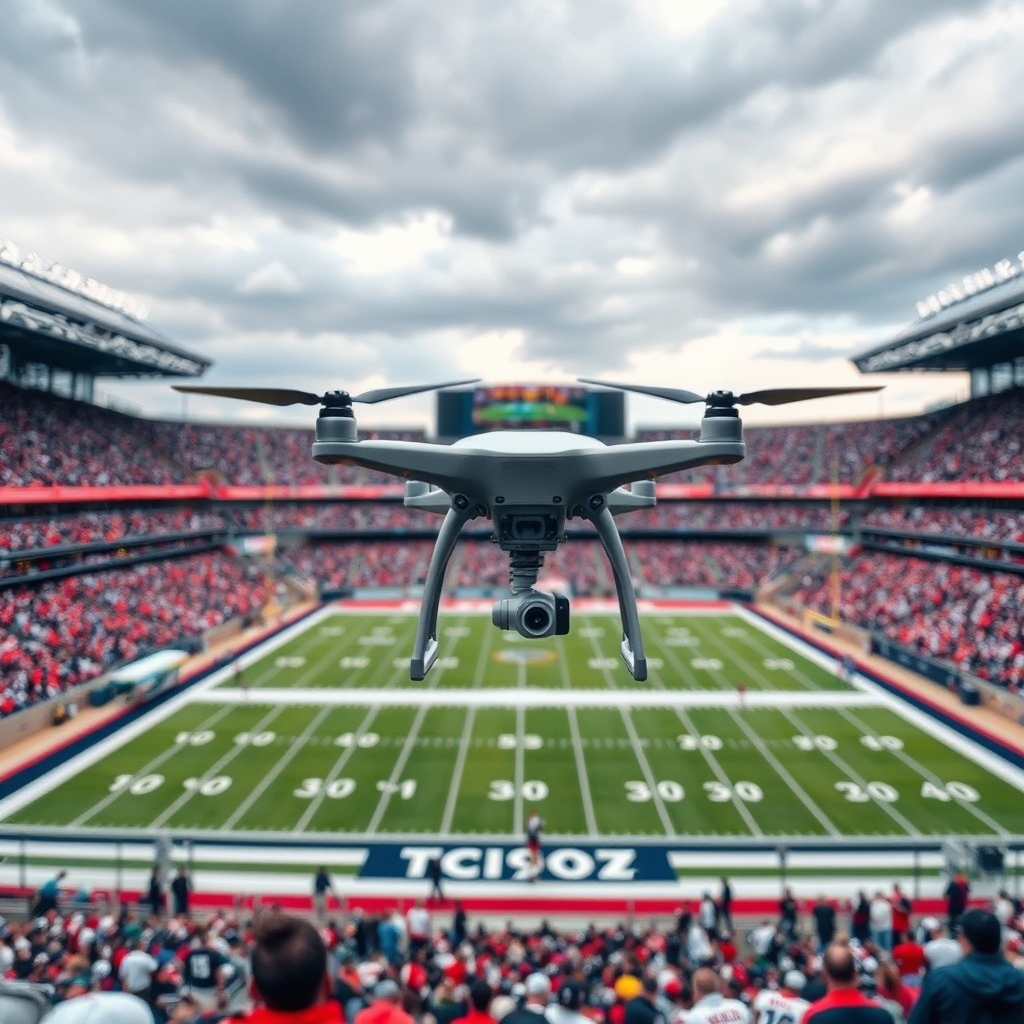
The Federal Aviation Administration (FAA) regulates airspace and drone operations in the U.S. It categorizes airspace into various classes, with specific rules governing each type. Football stadiums are often located in controlled airspace, particularly those near major urban centers where air traffic is significant. To legally operate a drone in these areas, you may need to obtain special permissions or waivers from the FAA.
For instance, if you wish to fly your drone within five miles of a stadium during an event, you must notify the local air traffic control and may be required to submit a request for authorization. The FAA’s Part 107 regulations dictate that drone operators must also be certified, which involves passing a knowledge test to ensure that pilots understand airspace classification, weather, and drone operation safety. Being aware of these regulations is essential to avoid potential legal issues.
Local Laws and Stadium Policies
In addition to FAA regulations, local laws can impose restrictions on drone usage, particularly in urban environments where privacy and safety concerns are heightened. Many stadiums have specific policies regarding drone usage, often prohibiting it entirely. For instance, some stadiums may have no-fly zones established to protect the safety of attendees and players, thus limiting the operation of drones in their vicinity.
Furthermore, local municipalities may enact additional laws that could restrict drone flights in public spaces. Before planning to fly a drone over or near a football stadium, it is crucial to check both the stadium’s policies and the local laws governing drone operations. Contacting the stadium’s management and reviewing local ordinances can help clarify what is permissible and avoid any unexpected enforcement actions.
Safety Considerations
Flying a drone over a crowded football stadium poses unique safety risks. Drones can malfunction, lose signal, or experience battery failures, which can lead to dangerous situations if they fall into crowds. As such, flying over large gatherings requires meticulous planning and risk assessments to mitigate these dangers.
Operators must ensure that their drones are equipped with essential safety features, such as automatic return-to-home capabilities and geo-fencing that prevents flying into restricted areas. Additionally, conducting pre-flight checks to verify that the drone is in good working order is vital. Using a drone with built-in redundancy systems, such as dual battery backups or propulsion systems, can further enhance safety. Lastly, maintaining a visual line of sight with the drone at all times is crucial for spotting potential hazards swiftly.
Best Times to Fly Drones
Selecting the right time to fly your drone is essential to avoid complications and ensure compliance with regulations. The best times to fly drones near football stadiums are during periods when events are not taking place. Early mornings or off-season periods are ideal for capturing aerial footage or conducting practice flights without the risk of interfering with ongoing games or events.
For example, flying early in the morning when the stadium is closed can provide an excellent opportunity to capture unique images of the venue without crowds. Additionally, offseason periods when there are no scheduled events can be perfect for exploratory flights. However, even during these times, it is advisable to double-check local laws and stadium policies to ensure that drone operations are permitted.
Alternatives to Flying Over Stadiums
If flying directly over a football stadium presents too many challenges or regulatory hurdles, there are several alternatives to consider. Capturing aerial footage from nearby public spaces or elevated areas outside the stadium can yield excellent results without the associated risks. Parks, parking lots, or rooftops of adjacent buildings may provide vantage points that offer compelling views of the stadium while keeping the drone at a safe distance.
Moreover, using drone services that specialize in sporting events can be a beneficial alternative. These services typically have the necessary permissions, insurance, and expertise to operate drones legally and safely in restricted areas. Hiring a professional drone operator can help you achieve the desired footage without the complexities of compliance.
Legal Consequences of Unauthorized Flying
Flying a drone without appropriate permissions can lead to serious legal consequences, including hefty fines and potential criminal charges. The FAA has been known to impose fines exceeding thousands of dollars for violations related to unauthorized drone flights. Additionally, local law enforcement may enforce their regulations, which could result in further penalties.
Understanding the potential repercussions of violating drone laws in stadium environments is crucial. It is not just about the immediate legal ramifications; unauthorized drone flights can also lead to civil liability if the drone causes injury or property damage. Therefore, it is imperative to educate yourself on the regulations and ensure compliance before operating a drone in or around stadiums.
Technology and Drones
The rapid advancement in drone technology has introduced features that enhance safety and compliance. One such innovation is geofencing, which restricts drone flights in designated no-fly zones. Many modern drones come equipped with GPS capabilities that automatically prevent them from entering restricted airspace, helping operators to adhere to regulations.
Familiarizing yourself with the latest advancements in drone technology can facilitate safer drone operations. For instance, some drones now include advanced obstacle avoidance systems that can detect and avoid collisions with other objects. Staying updated on technological innovations can not only improve your flying experience but also ensure compliance with evolving regulations.
In conclusion, while flying a drone over a football stadium is not outright impossible, it requires careful adherence to regulations and safety measures. Understanding FAA regulations, local laws, and stadium policies is essential for legal compliance. Additionally, safety considerations and planning for optimal flying times can significantly enhance the experience. If you’re interested in drone photography or videography, consider exploring alternative methods that comply with local laws while still allowing you to capture stunning aerial views. Always research and plan ahead to ensure a successful and legal flight experience.
Frequently Asked Questions
Can you legally fly a drone over a football stadium?
Legally flying a drone over a football stadium is typically prohibited due to Federal Aviation Administration (FAA) regulations and local laws. Most stadiums are located in controlled airspace, and flying drones in these areas can pose safety risks. It’s essential to check specific regulations for the stadium and obtain any necessary permits before attempting to fly a drone in such locations.
What are the risks of flying a drone over a football stadium?
Flying a drone over a football stadium poses several risks, including potential interference with manned aircraft, injury to spectators, and property damage. Additionally, a drone crash in a crowded area can lead to serious liability issues and legal consequences. Therefore, it’s crucial to evaluate these risks and comply with all regulations before considering flying a drone in such environments.
How can I get permission to fly a drone over a football stadium?
To obtain permission to fly a drone over a football stadium, you must contact the stadium management and adhere to FAA regulations. This often involves submitting a request that outlines your intended flight plans and the purpose of your drone usage. It’s advisable to request permission well in advance of any events, as approval can take time and may be subject to strict conditions.
Why are there restrictions on flying drones over sports venues like football stadiums?
Restrictions on flying drones over sports venues, including football stadiums, are primarily in place for safety and security reasons. These areas are often crowded with fans, and the risk of a drone causing injury or disruption is significant. Moreover, there are airspace regulations that protect manned aircraft operations, ensuring that drone activity does not interfere with emergency services or air traffic.
What is the best drone for capturing aerial footage of a football stadium from a distance?
The best drones for capturing aerial footage of a football stadium from a distance are those equipped with high-quality cameras and long-range capabilities, such as the DJI Mavic Air 2 or the DJI Mini 2. These drones offer excellent image stabilization, 4K video capabilities, and can maintain a safe distance from restricted areas. Always ensure that you are flying within legal limits and respecting the regulations surrounding the stadium.
References
- https://en.wikipedia.org/wiki/Drone_regulations_in_the_United_States
- https://www.faa.gov/uas/getting_started/flyers/
- https://www.nytimes.com/2020/11/09/sports/drone-football-stadiums.html
- https://www.ncaa.org/sports/2020/2/20/drone-use-in-college-sports.aspx
- https://www.theguardian.com/us-news/2021/apr/01/drone-safety-football-stadiums-usa
- https://www.faa.gov/uas/recreational_fliers/
- https://www.npr.org/2021/05/15/996053297/drone-flying-in-stadiums-and-airports-is-a-safety-risk-experts-say
- https://www.abc.net.au/news/2021-01-29/drone-use-in-sport-and-safety-regulations/13084696
