
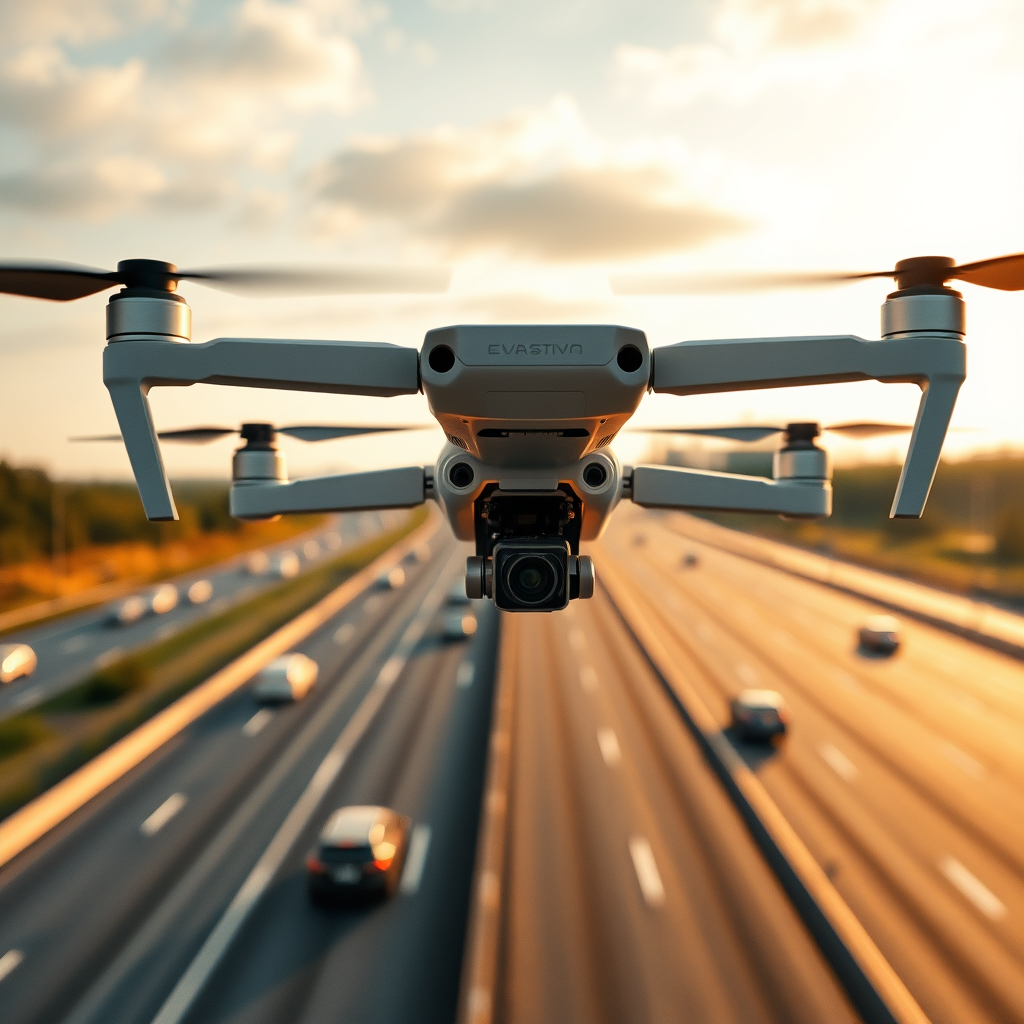
Yes, you can fly a drone over a highway, but there are important regulations and safety considerations to keep in mind. Understanding the rules and best practices is essential to ensure safe operation and compliance with local laws. As drone technology continues to evolve, more individuals and businesses are exploring the potential of drones for photography, surveying, and inspections. However, navigating the legal landscape surrounding drone usage, especially in areas with heavy traffic like highways, requires diligence and awareness.
Understanding FAA Regulations
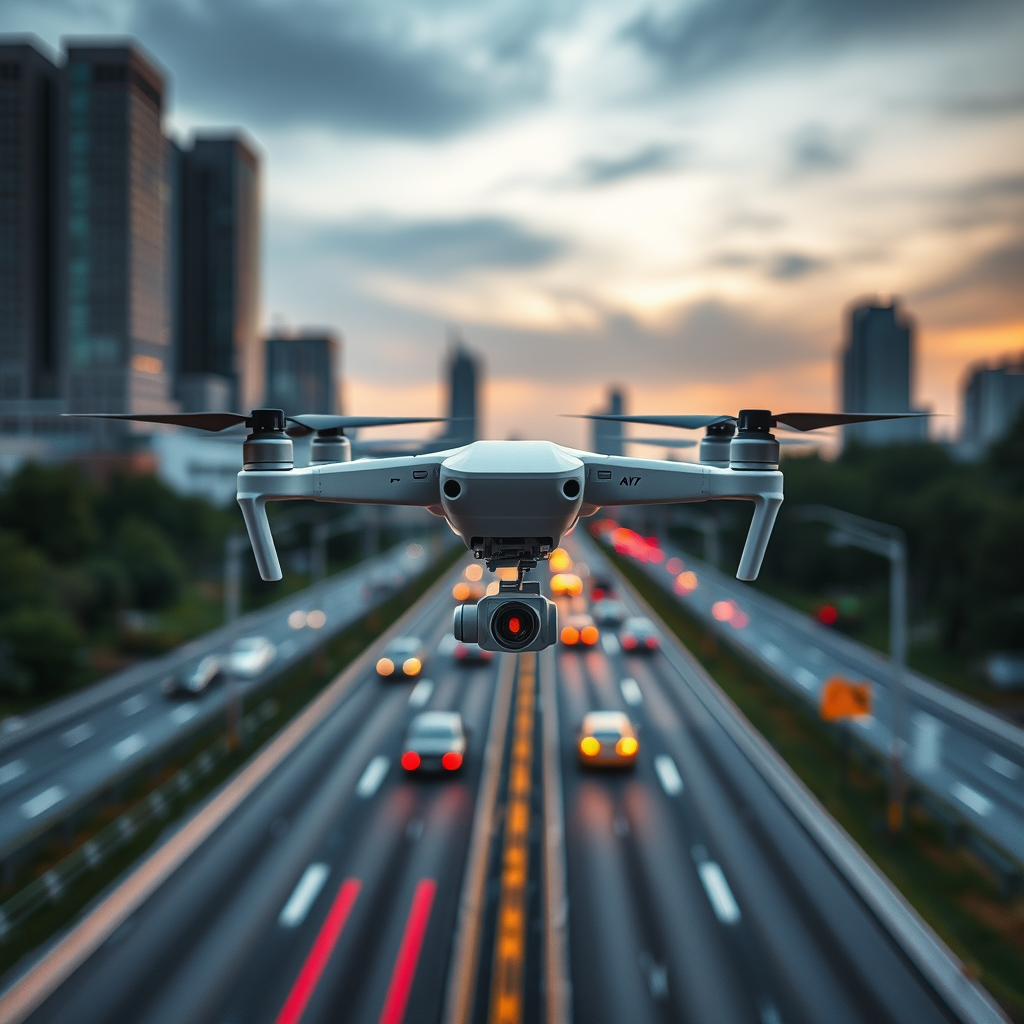
The Federal Aviation Administration (FAA) is the primary regulatory body governing drone flight in the United States. According to the FAA, recreational drone pilots must adhere to specific guidelines that include flying below 400 feet and ensuring that their drones are not operated in restricted airspace, which can encompass areas near airports, military bases, and temporary flight restrictions due to events or emergencies.
Particularly when flying over highways, operators must be aware that the FAA has strict rules about maintaining line-of-sight with the drone and avoiding flights that could pose risks to public safety. For commercial drone users, obtaining a Remote Pilot Certificate under Part 107 of the FAA regulations is mandatory. This certification requires passing a knowledge test that covers airspace classification, weather, and drone operations, ensuring that pilots are well-informed about the rules that govern their flights.
Additionally, drone pilots must conduct a pre-flight checklist that includes checking the drone’s battery life, ensuring that all parts are functioning correctly, and assessing the weather conditions. These precautions are vital in ensuring compliance with FAA regulations and maintaining a safe flying environment.
State and Local Laws
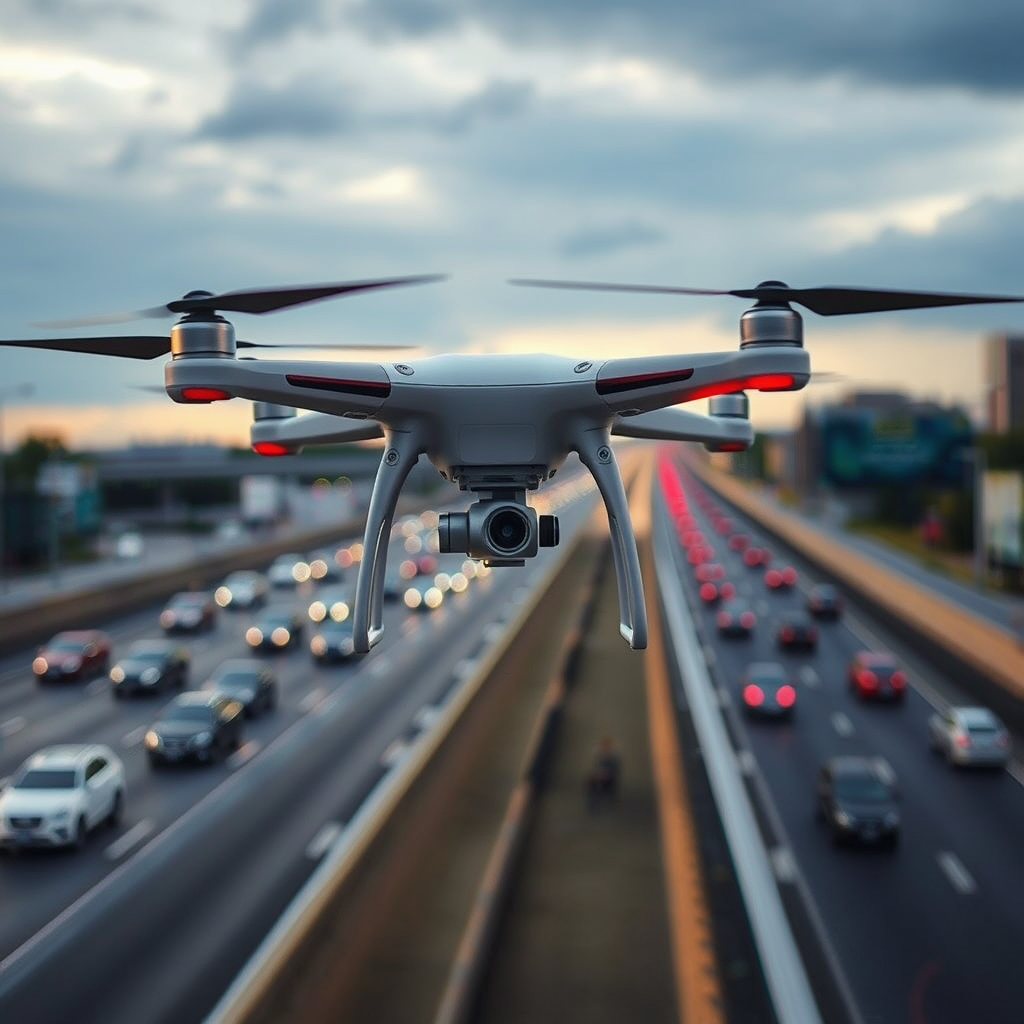
In addition to federal regulations, specific state and local laws may impose restrictions on drone flights over highways. Some states have enacted laws that limit or prohibit drone usage in certain areas, including over highways, to protect public safety and privacy. For instance, states like California and Florida have unique regulations that may require drone operators to obtain special permits before flying in designated zones.
Municipal ordinances can vary significantly, and certain cities may have stricter rules than others. For example, flying a drone in urban areas may be restricted due to the increased risk to pedestrians and vehicles. Therefore, it is crucial for drone operators to research local laws and regulations in their flying area, often available through state government websites or local aviation authorities.
Failure to comply with these regulations can result in fines, confiscation of the drone, or even legal action. To avoid potential penalties, operators should consider reaching out to local law enforcement or city offices for the most current regulations regarding drone usage.
Safety Considerations
Flying a drone over a highway introduces inherent risks that must be carefully managed. The potential for accidents involving vehicles and drones is a primary concern, as a drone malfunction or pilot error could result in serious consequences, including injuries or fatalities.
Before taking off, operators should conduct a thorough risk assessment, including evaluating traffic patterns and weather conditions. It is advisable to choose times of day with lower traffic volumes, such as early mornings or late evenings, to minimize exposure to vehicles and reduce the likelihood of accidents.
Moreover, drones should be well-maintained, with regular checks on battery life, propellers, and camera systems. Operators must also have a clear flight path to ensure they can avoid any obstacles and maintain control of the drone. Using a pre-planned route can help in visualizing the flight and identifying potential hazards in advance.
Insurance and Liability
Drone insurance is an essential consideration for anyone operating a drone, particularly over highways. While not legally required, having insurance can protect operators from financial loss in the event of an accident. Various types of drone insurance are available, including liability insurance, which covers damages caused to third parties or property, and hull insurance, which covers the drone itself in case of damage or loss.
Understanding liability is critical when flying over highways. If a drone causes an accident or injury, the operator may be held responsible for damages. In many cases, the liability could extend to the drone’s owner, even if they were not the one piloting the drone at the time of the incident. Therefore, securing insurance can help mitigate the financial risks associated with unforeseen events.
Operators should also familiarize themselves with the terms and conditions of their insurance policy, ensuring they understand what is covered and any exclusions that may apply when flying in specific environments, such as over highways.
Best Practices for Highway Flights
To ensure safe drone operations over highways, adhering to best practices is paramount. One effective strategy is to fly during low-traffic times, as this minimizes the risk of accidents and allows for greater control over the drone’s flight path.
Additionally, maintaining visual line-of-sight with the drone at all times is crucial. This requirement not only aligns with FAA regulations but also enables the operator to respond quickly to any potential hazards or changes in the environment. Using a spotter can also enhance safety by providing an additional set of eyes to monitor the drone’s flight.
Pre-flight planning is another essential best practice. Operators should map out their intended flight path, considering any potential obstacles, such as power lines, buildings, and other aerial traffic. Conducting a site survey can help identify hazards and provide a better understanding of the environment in which the drone will be operating.
Lastly, always carry out a risk assessment before each flight, taking into account the drone’s capabilities, pilot experience, and environmental conditions. This proactive approach can significantly reduce the chances of accidents and enhance overall safety.
Emergency Procedures
Despite thorough planning and preparation, emergencies can occur during drone flights. Operators should have a well-defined plan in place for scenarios such as loss of signal, battery failure, or unexpected weather changes.
In the event of a loss of signal, drones are typically programmed to return to their last known location or to a predefined “home” point. Familiarizing oneself with the specific return-to-home feature of the drone model being used can ensure a smoother recovery process.
Additionally, having a contingency plan for landing safely in case of battery failure is essential. Operators should identify safe landing zones along their flight path, ensuring that they can land the drone without endangering people or property.
Having a checklist for emergency procedures can help the operator stay calm and focused during a crisis. Regularly practicing emergency scenarios can also enhance a pilot’s readiness for unexpected situations.
In conclusion, while flying a drone over a highway is possible, it comes with a set of regulations and responsibilities. Understanding FAA regulations, state and local laws, and safety considerations is paramount for compliance and risk management. Furthermore, securing insurance, practicing best flight strategies, and preparing for emergencies can significantly enhance the safety of drone operations. Always prioritize safety and adhere to local laws to ensure a smooth flying experience. By doing so, drone operators can enjoy the many benefits of aerial photography and surveying while minimizing risks to themselves and the public.
Frequently Asked Questions
Can you legally fly a drone over a highway?
Yes, you can legally fly a drone over a highway; however, it is crucial to follow local regulations and guidelines set by the Federal Aviation Administration (FAA) in the United States. This includes maintaining a safe distance from vehicles and ensuring you do not interfere with traffic or pose a risk to public safety. Always check for any state or local restrictions that may apply to flying drones in specific areas, including highways.
What are the risks of flying a drone over a highway?
Flying a drone over a highway poses several risks, including potential collisions with vehicles, which can lead to accidents and injuries. Additionally, if a drone malfunctions or loses control, it can fall onto the roadway, creating hazards for drivers. It’s also important to consider legal repercussions, as flying a drone in restricted airspace or in a manner that endangers public safety could lead to fines or other penalties.
How high can you fly a drone over a highway?
According to FAA regulations, you can fly a drone up to 400 feet above ground level, which applies to highways as well. However, it’s essential to maintain a visual line of sight with your drone and avoid flying directly over moving traffic unless you have specific permission or a waiver. Staying below the 400-foot limit helps ensure safe flight operations and compliance with federal regulations.
Why should you avoid flying a drone over busy highways?
Avoiding drone flights over busy highways is recommended due to the high risk of accidents and safety hazards for both drivers and drone operators. Drones can distract drivers, and if a drone were to crash onto the highway, it could lead to severe traffic disruptions or severe accidents. Additionally, many states have specific laws that prohibit flying near highways to maintain public safety, so it’s prudent to respect these regulations.
What is the best way to fly a drone safely near a highway?
The best way to fly a drone safely near a highway is to maintain a significant distance from the roadway and to fly during times of low traffic. Always conduct pre-flight checks to ensure your drone is in good working condition and keep your flight within the visual line of sight. Additionally, consider using a spotter to help monitor the surroundings. Familiarize yourself with local laws and FAA regulations to ensure compliance and prioritize safety above all else.
References
- https://www.faa.gov/uas/getting_started/registration
- https://www.faa.gov/uas/getting_started/fly/
- https://www.faa.gov/uas/resources/policy_library/
- https://www.nytimes.com/2020/10/15/business/drone-regulations.html
- https://www.nerdwallet.com/article/small-business/drone-laws-regulations
- https://www.cnet.com/news/drone-laws-everything-you-need-to-know/
- https://www.wired.com/story/drone-law-guide/
- https://www.reuters.com/article/us-tech-drones-regulation-idUSKBN2B00A0
