

You cannot legally fly a drone over a military base. This restriction is primarily due to national security concerns and regulations set by the Federal Aviation Administration (FAA). Military installations are considered sensitive areas, and unauthorized drone flights can lead to severe consequences, both legally and strategically. In this article, we will explore the reasons behind this prohibition, delve into the implications of violating these rules, and discuss safer alternatives for drone enthusiasts.
Understanding FAA Regulations
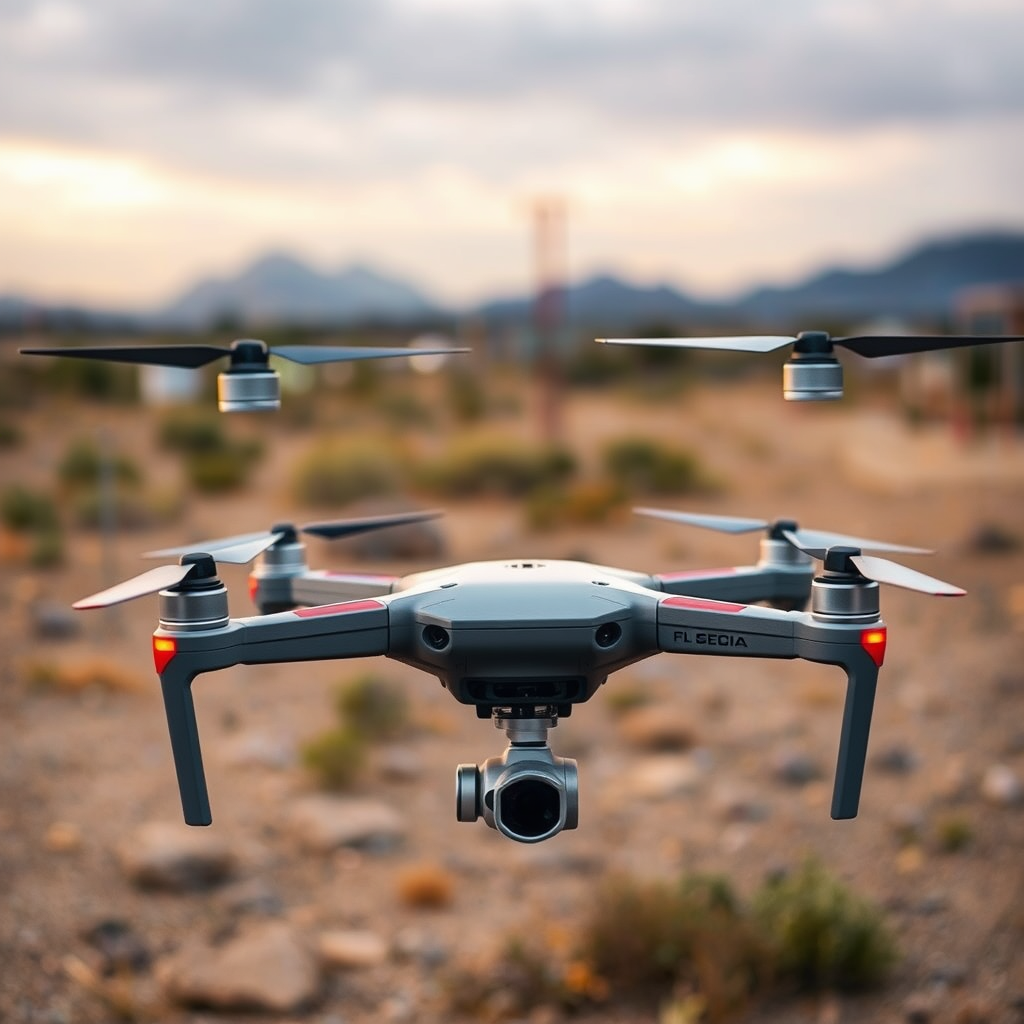
The Federal Aviation Administration (FAA) is the governing body responsible for regulating all aspects of civil aviation in the United States, including the operation of drones. According to FAA regulations, specific airspace is designated as restricted or prohibited, particularly over military installations. The FAA strictly prohibits drone flights near these sensitive areas to mitigate risks associated with unauthorized surveillance and to protect national security interests.
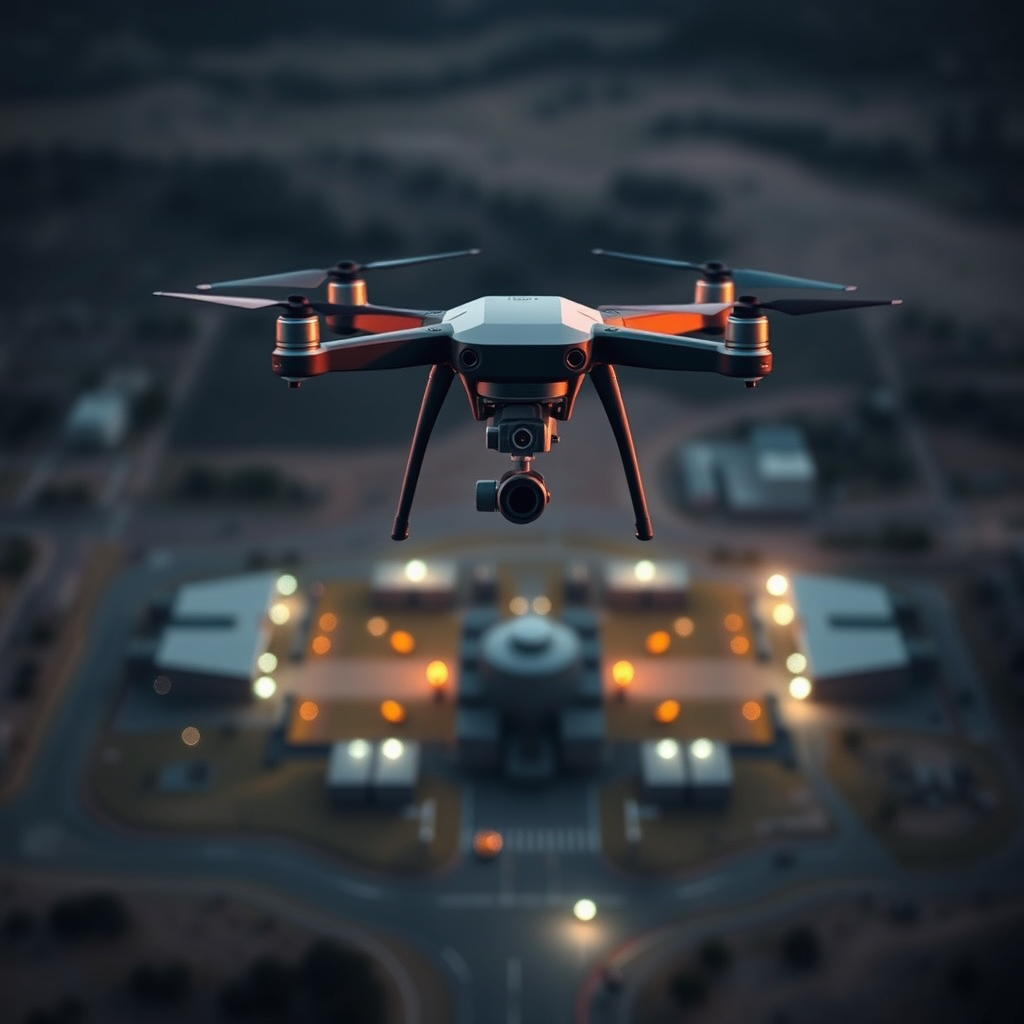
Drones that venture into restricted airspace can face significant penalties. These penalties may include hefty fines that can reach thousands of dollars and, in some cases, criminal charges. For instance, incidents involving drone flights over military bases could be classified as a federal offense, leading to more severe legal repercussions. The FAA has been proactive in enforcing these regulations, with numerous cases reported where operators have faced legal action for non-compliance. Therefore, it is crucial for drone pilots to thoroughly understand and adhere to FAA regulations to avoid any legal complications.
National Security Concerns
Military bases serve as crucial components of a nation’s defense infrastructure. They are vital for the training, deployment, and maintenance of military personnel and equipment. As such, unauthorized drone flights over these installations pose significant national security risks. Drones can be equipped with advanced surveillance technology capable of capturing high-resolution images and videos, potentially compromising military operations and strategies.
The presence of a drone over a military base can create panic or confusion, leading to heightened security measures and emergency protocols. Moreover, the data collected by drones could fall into the wrong hands, enabling adversaries to gain insights into military capabilities, troop movements, and operational readiness. Given these risks, military authorities are vigilant in monitoring their airspace for unauthorized drone activity, and any suspicious drone behavior can lead to an immediate response from military or law enforcement agencies.
Legal Consequences of Violating Airspace Restrictions
Flying a drone in restricted airspace, especially over military bases, can lead to severe legal consequences. When a drone is detected in such areas, it may be intercepted by military personnel or local law enforcement. This interception can involve identifying the operator and possibly grounding the drone using various counter-drone technologies.
Violators can face multiple charges, including trespassing and interference with national defense operations. In some instances, the operator may be charged under federal law, leading to a criminal record and significant fines. For instance, in 2019, a drone operator in the vicinity of a military base was charged for flying his drone in restricted airspace, resulting in a fine and a court appearance. Such cases highlight the importance of respecting airspace regulations and the serious implications of failing to do so.
Alternatives to Flying Near Military Bases
For drone enthusiasts who wish to enjoy their hobby without facing legal challenges, there are numerous alternatives to flying near military bases. Many parks, recreational areas, and designated drone zones are available for safe flying. These locations are often established to provide a legal framework that encourages responsible drone use while minimizing risks to public safety and national security.
Additionally, joining local drone clubs or communities can provide valuable resources and a network of like-minded individuals. These groups often organize meetups and events in approved flying areas, allowing members to share tips, techniques, and experiences while ensuring compliance with airspace regulations. By engaging with these communities, drone pilots can enhance their skills and enjoy their hobby in a safe and responsible manner.
How to Stay Informed About Drone Regulations
Staying informed about the latest FAA regulations and guidelines is critical for any drone operator. The FAA regularly updates its policies to address emerging technologies and safety concerns, making it essential for pilots to stay abreast of these changes. The FAA website offers a wealth of resources, including updated maps of restricted airspace, FAQs, and educational materials tailored for drone operators.
Additionally, attending workshops or seminars focused on drone safety and regulations can be beneficial. These events often feature experts who provide insights into legal requirements and best practices for safe flying. Many local organizations and community colleges offer such programs, providing valuable opportunities for drone enthusiasts to learn in a collaborative environment.
Reporting Suspicious Drone Activity
If you observe a drone flying over a military base or in restricted airspace, it is crucial to report this activity to the appropriate authorities. Prompt reporting can help maintain security and uphold regulations designed to protect national interests. Most military installations have designated channels for reporting suspicious drone activity, and local law enforcement agencies are also equipped to handle such reports.
Understanding how to report suspicious drone activity is vital for fostering a culture of safety and responsibility among drone operators and the general public. By actively participating in these safety measures, individuals can contribute to national security while promoting responsible drone use.
In conclusion, flying a drone over a military base is illegal and poses serious legal and security risks. The FAA’s regulations are in place to protect national interests, and violations can result in significant penalties. Drone enthusiasts should seek alternative flying locations, stay informed about regulations, and report any suspicious activity to contribute to a safe and compliant drone community. By following these guidelines, operators can fully enjoy the benefits of drone flying while respecting the boundaries set for national security.
Frequently Asked Questions
Can you legally fly a drone over a military base?
No, flying a drone over a military base is generally prohibited by law. In the United States, the Federal Aviation Administration (FAA) restricts drone operations in and around military installations due to national security concerns. Violating these regulations can lead to severe penalties, including fines and potential criminal charges.
What are the consequences of flying a drone over a military base?
The consequences of flying a drone over a military base can be severe. Offenders may face hefty fines imposed by the FAA, as well as potential criminal charges for violating federal laws. Additionally, the military may take immediate action to intercept and confiscate the drone, which can result in further legal ramifications.
How can you find out where military no-fly zones are located?
To find military no-fly zones, you can consult the FAA’s official website, which provides updated maps of restricted airspace, including military operations areas. Additionally, drone mapping applications and tools, like Airmap and SkyVector, can help drone pilots identify and avoid these zones to ensure compliance with regulations.
Why are there restrictions on flying drones near military installations?
Restrictions on flying drones near military installations are in place primarily for national security reasons. Drones can pose a threat by potentially capturing sensitive information or interfering with military operations. These regulations help safeguard critical infrastructure and maintain the integrity of national defense strategies.
What should drone operators do if they accidentally fly near a military base?
If a drone operator accidentally flies near a military base, they should immediately land their drone and move away from the area. It’s essential to document the incident, including the time and location, and to refrain from further attempts to fly in that vicinity. In some cases, it may also be prudent to report the incident to local authorities, especially if the drone was intercepted.
References
- https://en.wikipedia.org/wiki/Drone_regulations_in_the_United_States
- https://www.faa.gov/uas/getting_started/your_role
- https://www.airforce.com/technology/drones
- https://www.reuters.com/article/us-usa-drone-military-idUSKCN1VE0LU
- https://www.theguardian.com/us-news/2018/jun/12/drone-flying-over-military-base-what-you-need-to-know
- https://www.nytimes.com/2021/09/10/us/drone-military-base.html
- https://www.dod.gov/pubs/foi/DoD%20Drone%20Policy%20.pdf
- https://www.nap.edu/catalog/24757/the-future-of-drones-in-the-us-military
- https://www.ucsusa.org/resources/drone-safety-issues
