

Yes, you can fly a drone over a prison, but it is often illegal and highly discouraged due to security concerns. Engaging in such activity not only breaches various legal statutes but also raises significant safety and ethical issues, potentially leading to severe consequences. This article delves into the legal implications, security risks, privacy concerns, and alternatives to help you make informed decisions regarding drone operations near correctional facilities.
Legal Restrictions on Drone Flights
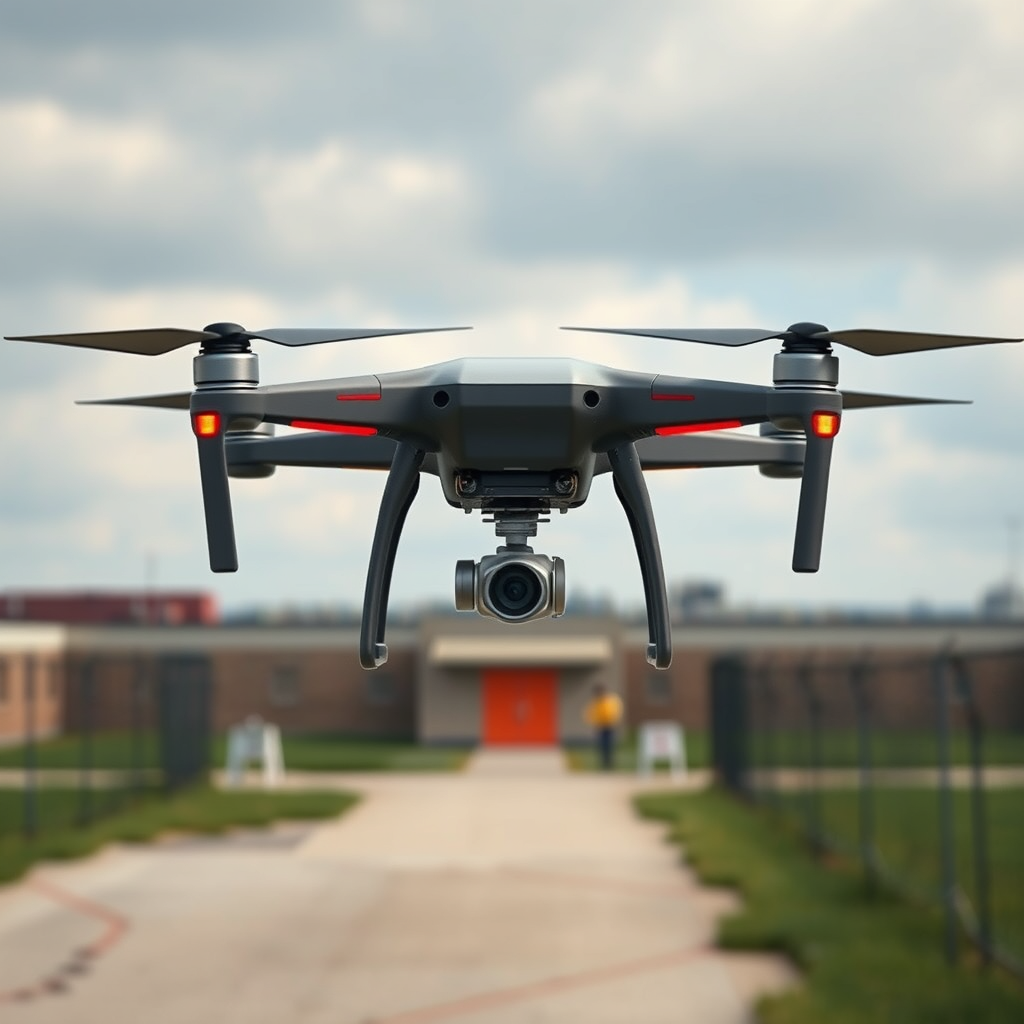
The legal landscape surrounding drone flights is complex, particularly when it comes to sensitive locations such as prisons. Many states and countries have enacted laws specifically prohibiting drone flights over correctional facilities. These regulations are designed to safeguard the security of the prison, its inmates, and staff, as well as to maintain public safety. For instance, in the United States, the Federal Aviation Administration (FAA) has established guidelines that restrict drone operations near certain critical infrastructure, which often includes prisons.
Violating these laws can lead to severe repercussions. Offenders may face hefty fines that can range from hundreds to thousands of dollars, and in some cases, individuals may find themselves facing criminal charges. Additionally, law enforcement may confiscate the drone, resulting in financial loss and potential legal complications. Therefore, it is crucial for drone operators to research and understand the specific regulations that apply in their locality before attempting to fly a drone in the vicinity of a prison.
Security Risks Involved
Flying a drone over a prison poses severe security threats. Drones can be used as tools for smuggling contraband, such as drugs or weapons, into the facility. In recent years, there have been several instances where inmates received illicit goods delivered via drones, leading to heightened security measures within correctional institutions. Consequently, prisons have invested in advanced technology to detect and intercept unauthorized drone activity, including radar systems and trained security personnel.
Moreover, the presence of drones can lead to disturbances and security breaches, as they may distract staff or interfere with surveillance systems. This not only endangers the safety of inmates and employees but can also compromise the overall order within the prison. Therefore, it is essential to consider the broader implications of flying a drone near such facilities, as the risks extend far beyond potential legal consequences.
Privacy Concerns
In addition to legal and security issues, there are significant privacy concerns associated with flying drones over prisons. Drone surveillance can infringe upon the privacy rights of inmates and prison staff, raising ethical questions about the use of aerial technology in such sensitive environments. Inmates, despite being incarcerated, retain certain rights to privacy, and unauthorized surveillance can lead to legal challenges on the grounds of privacy violations.
Furthermore, prison staff may also feel uncomfortable or threatened by the presence of drones hovering above, which can create a tense working atmosphere. Legal action may arise if individuals feel their privacy is compromised, leading to potential lawsuits against drone operators. It is essential to acknowledge that operating a drone in close proximity to a prison can have far-reaching consequences that extend beyond simple legal infractions.
Regulations and Licensing
To navigate the complex environment of drone regulations, it is imperative for operators to familiarize themselves with local laws governing drone operations. Many jurisdictions require drone pilots to obtain specific licenses or permits, especially for commercial use. In the United States, for example, the FAA mandates that drone operators hold a Remote Pilot Certificate if they are using drones for commercial purposes.
Additionally, operators should stay informed about any no-fly zones, which are often established around correctional facilities. The FAA’s B4UFLY app is an excellent resource that provides information about restricted airspace, including prisons. By understanding these regulations and obtaining the necessary licenses, drone operators can minimize legal repercussions and ensure a responsible flying experience.
Alternatives to Flying Over Prisons
If you’re interested in drone photography or videography but are concerned about the legal risks associated with flying over prisons, consider exploring alternative locations. Many areas, such as parks, nature reserves, and recreational zones, offer breathtaking landscapes ideal for drone use without the legal complications of sensitive locations.
Additionally, participating in organized drone races or joining local flying clubs can provide opportunities for safe and legal drone operation. These environments often have established guidelines and experienced members who can share valuable insights on best practices for flying drones. By choosing alternative venues for your drone activities, you can enjoy the hobby while respecting legal boundaries and safety concerns.
Tips for Safe and Legal Drone Operation
To ensure a positive drone flying experience, it is crucial to adhere to safety guidelines and legal requirements. Here are several tips to keep in mind:
1. Check for No-Fly Zones: Always verify the airspace regulations using tools like the FAA’s B4UFLY app before taking off. This will help you avoid restricted areas, including prisons.
2. Respect Local Laws: Stay updated on local laws and regulations regarding drone operation to avoid any legal repercussions. Each jurisdiction may have different rules, and being informed is essential.
3. Obtain Necessary Licenses: Depending on your location and the purpose of your flight, make sure to secure any required licenses or permits before operating your drone.
4. Stay Informed About Drone Technology: As drone technology evolves, keeping abreast of new features, regulations, and best practices will enhance your flying experience and compliance with laws.
5. Practice Responsible Flying: Always respect the privacy of others and operate your drone in a manner that does not infringe upon personal rights or public safety.
In conclusion, while it is technically possible to fly a drone over a prison, doing so invites significant legal and security risks. The implications of violating drone laws extend beyond fines and confiscation; they include potential criminal charges and ethical concerns related to privacy and safety. To ensure a responsible and enjoyable drone flying experience, prioritize compliance with regulations, respect for privacy, and exploration of safer alternatives. By educating yourself on local laws and adhering to best practices, you can fully enjoy your drone flying hobby without compromising safety or legality.
Frequently Asked Questions
Can you legally fly a drone over a prison?
No, flying a drone over a prison is generally illegal due to strict airspace regulations and security concerns. Most prisons are located in restricted airspace, and flying a drone in these areas can lead to serious legal consequences, including fines and criminal charges. It’s essential to familiarize yourself with local laws and regulations regarding drone usage, particularly in sensitive areas like prisons.
What are the risks of flying a drone near a prison?
Flying a drone near a prison poses several risks, including arrest and legal repercussions for trespassing and violating airspace regulations. Additionally, prisons have security measures in place to detect unauthorized drones, which could lead to heightened security responses and potential harm to individuals nearby. It’s crucial to understand that any drone activity near correctional facilities can be perceived as a security threat.
How can I find out the no-fly zones for drones, especially around prisons?
You can find no-fly zones for drones by checking resources like the FAA’s B4UFLY app, which provides updated information on airspace restrictions, including areas around prisons. Additionally, the FAA’s website offers maps and guidelines detailing where drone flight is prohibited. Local drone clubs or communities may also provide insights on regional regulations and restricted areas.
Why are drones prohibited from flying over prisons?
Drones are prohibited from flying over prisons primarily for security reasons. Prisons are sensitive facilities where unauthorized drone activity could facilitate illegal activities, such as smuggling contraband or escaping inmates. The presence of drones can disrupt the secure environment, prompting law enforcement to take immediate action to neutralize potential threats.
What should I do if I accidentally fly my drone over a prison?
If you accidentally fly your drone over a prison, the first step is to safely land it as soon as possible. It’s advisable to document the incident and refrain from any further flights in that area. Be prepared for possible legal follow-up, as law enforcement may approach you regarding the incident. Always check local regulations and zoning laws before flying to avoid such situations in the future.
References
- https://www.faa.gov/uas/getting_started/part_107
- https://www.npr.org/sections/thetwo-way/2015/01/30/382125117/drone-use-in-prison-increasingly-common
- https://www.reuters.com/article/us-drone-prisons-idUSKCN1VD2L2
- https://www.theguardian.com/technology/2016/jul/27/us-prisons-drone-deliveries
- https://www.bbc.com/news/technology-53316842
- https://www.ncbi.nlm.nih.gov/pmc/articles/PMC5866330/
- https://www.aclu.org/news/privacy-technology/drone-use-in-the-us-prison-system/
- https://www.wired.com/story/drones-prisons-contraband-security/
