

Yes, you can fly a drone over a road, but there are specific regulations and safety considerations you must follow. It’s vital to understand local laws, as these can vary widely, and to prioritize safety during your operation. This blog post will explore the essential regulations, safety measures, and best practices for flying drones over roads, ensuring that you remain compliant while enjoying the benefits of drone technology.
Understanding Drone Regulations
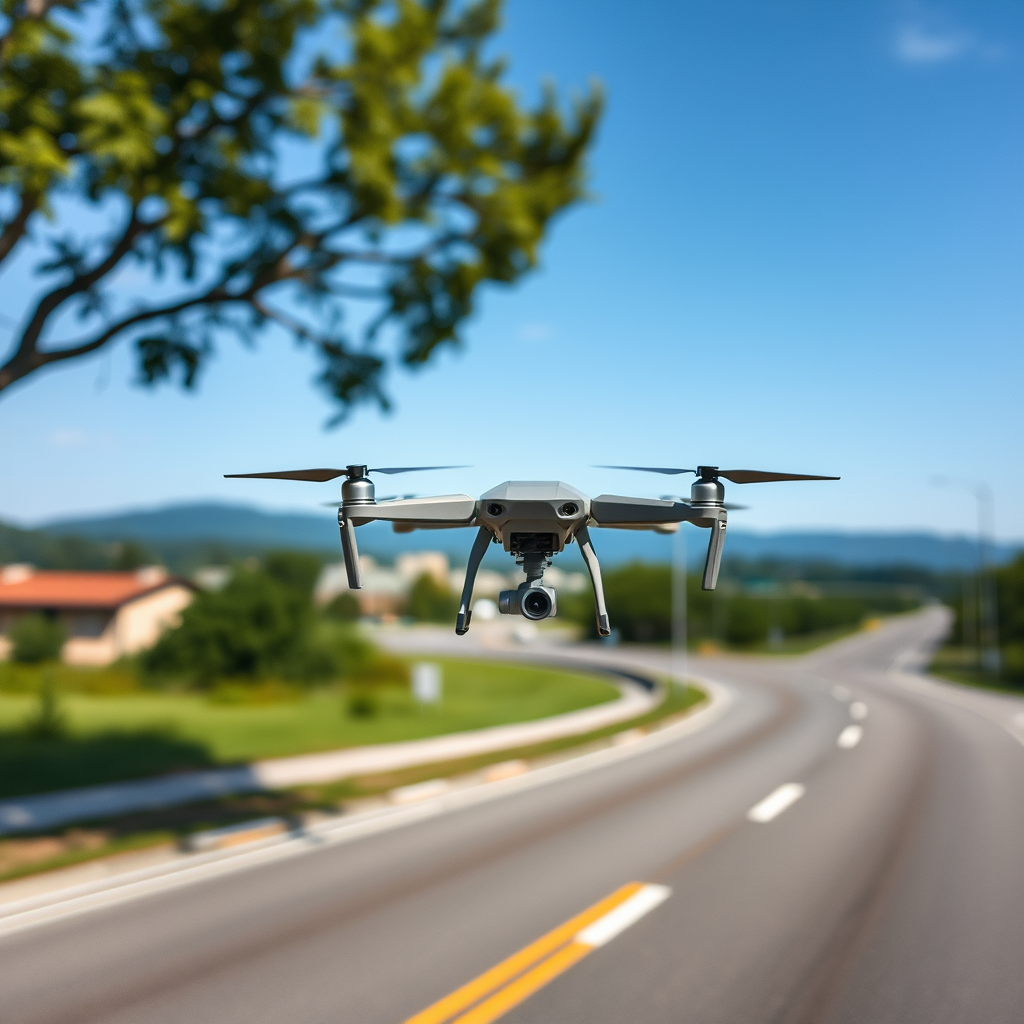
Drone regulations are not universal; they vary significantly from country to country and even within different states or regions. In the United States, the Federal Aviation Administration (FAA) oversees drone operations and has established specific guidelines for recreational and commercial pilots. For instance, according to FAA regulations, drones cannot be flown over people or moving vehicles unless the operator has obtained a waiver.
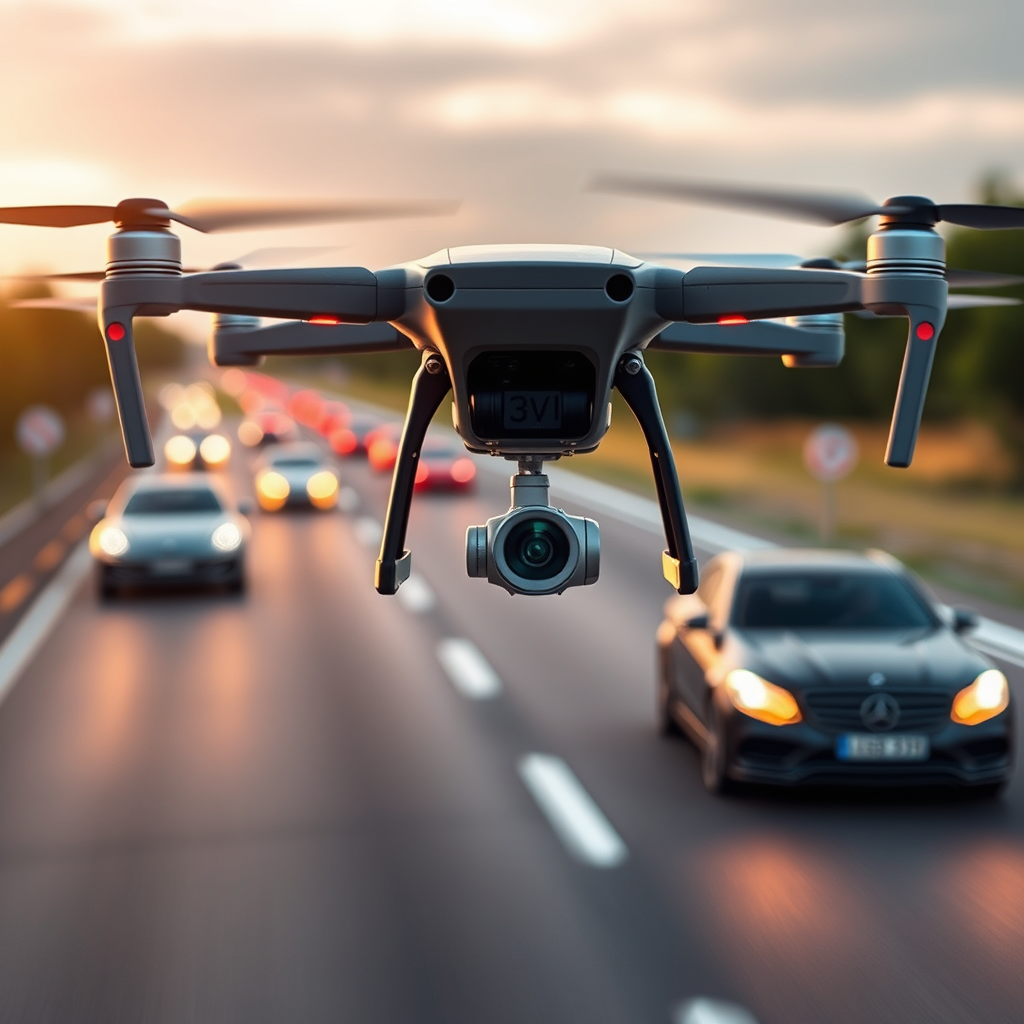
In other countries, such as Canada or those in the European Union, similar regulations exist under Transport Canada and the European Union Aviation Safety Agency (EASA), respectively. These regulations often require drone operators to adhere to altitude limits, maintain visual line of sight, and avoid flying near airports or populated areas. Therefore, it’s crucial for drone pilots to familiarize themselves with the specific laws that apply to their region to ensure compliance and avoid potential fines or penalties.
Safety Considerations
When flying a drone over a road, safety should always be your top priority. One key safety measure is to ensure that your drone is flown at a safe altitude, typically above 400 feet, unless local laws specify otherwise. Flying at this altitude not only helps avoid potential collisions with vehicles but also keeps your drone at a safe distance from low-flying aircraft.
Additionally, maintaining a visual line of sight with your drone is essential. This means you should always be able to see your drone without the aid of binoculars or other visual enhancement devices. This practice allows you to react quickly to any unexpected situations, such as sudden changes in traffic or adverse weather conditions.
Moreover, consider the drone’s weight and stability, especially when flying over busy roads. Heavy winds or sudden gusts can destabilize your drone, making it more challenging to control. Therefore, monitoring weather conditions before your flight is crucial.
Permissions and Permits
In some areas, specific permissions or permits may be required to legally fly a drone over public roads. For example, cities may have ordinances that restrict drone flights in certain zones, particularly in urban environments where high traffic is common. Therefore, it is advisable to check with local authorities, such as city councils or transportation departments, to find out if any permits are necessary.
Additionally, many states in the U.S. have enacted laws that require drone operators to apply for special permissions if they intend to fly their drones in specific areas or for particular purposes. For instance, commercial operations often necessitate more stringent regulations and may require the operator to obtain a Part 107 certification from the FAA.
Researching and obtaining the necessary permits not only helps you stay compliant but also fosters goodwill between drone operators and local communities.
Potential Hazards
Flying a drone over a road presents several potential hazards that operators must be aware of. The most obvious risk is the possibility of a collision with vehicles. Drones can be unpredictable, especially if they experience technical failures, so understanding traffic conditions before launching is critical.
Traffic patterns can vary throughout the day, and flying during peak hours increases the likelihood of accidents. It is advisable to choose times for flying when traffic is lighter, such as early morning or late evening, to minimize risks.
Weather conditions also play a significant role in drone stability. Wind, rain, or fog can severely impact your drone’s performance, leading to potential crashes. Always check the local weather forecast before your flight, and avoid flying in adverse weather conditions.
Best Practices for Flying Over Roads
To ensure a safe and compliant drone operation over roads, adhere to these best practices. First, select times for flying when traffic is less congested, as this minimizes the risk of collisions.
Second, consider utilizing a spotter—a person who can help monitor traffic and assist in keeping the drone in sight. This is especially beneficial in busy areas where distractions can divert your attention from the drone.
Additionally, if your drone has built-in safety features, such as automatic return-to-home functions or geo-fencing capabilities, be sure to enable them. These features can provide an extra layer of safety by helping prevent lost drones or unintended flights into restricted areas.
Finally, always conduct pre-flight checks on your equipment to ensure everything is functioning properly. This includes checking battery levels, GPS signal strength, and the integrity of your drone’s components.
Alternatives to Flying Over Roads
If flying over roads presents too many challenges or risks, consider exploring designated flying zones or parks where drone flying is permitted. Many cities and towns have established specific areas for drone enthusiasts that provide ample space for safe operation without the complications of traffic.
Additionally, if your goals include aerial photography, surveying, or other tasks that typically require flying over roads, consider hiring professional drone services. These companies often have the necessary permits and experience to operate safely in complex environments, allowing you to achieve your objectives without the associated risks.
In conclusion, while it is possible to fly a drone over a road, adhering to regulations and prioritizing safety is essential. Understanding local laws, maintaining a visual line of sight, and being aware of potential hazards will enhance your drone-flying experience. By following best practices and exploring alternative options, you can ensure compliance and enjoy the multitude of benefits that drone technology has to offer. Always do your research and fly responsibly to fully embrace the exciting world of drone operations.
Frequently Asked Questions
Can you legally fly a drone over a road?
Yes, you can legally fly a drone over a road, but you must comply with local regulations and guidelines set by aviation authorities like the Federal Aviation Administration (FAA) in the United States. This includes maintaining a safe distance from vehicles and ensuring that you are not obstructing traffic or endangering public safety. Additionally, some areas may have restrictions or require permits for drone operations, so it’s crucial to check local laws before flying.
What are the safety considerations when flying a drone over a road?
When flying a drone over a road, safety should be your top priority. Ensure that your drone is in good working condition and that you are flying within visual line-of-sight. Additionally, avoid flying during busy traffic hours to minimize risk and be aware of your surroundings to prevent accidents. Always follow the manufacturer’s guidelines and local regulations to maintain safety for both your drone and motorists below.
How high can you fly a drone over a road?
In most cases, you should fly your drone no higher than 400 feet above ground level when operating near a road, as per FAA regulations. This altitude helps to ensure that your drone remains within controlled airspace and minimizes the risk of accidents with manned aircraft. However, you should also consider factors like the height of surrounding structures and the specific airspace classification in your area, as these can affect your allowable flying height.
Why is it important to avoid congested roadways when flying a drone?
Avoiding congested roadways when flying a drone is crucial for safety and legal compliance. Drones can malfunction or experience battery failures, leading to potential crashes. If a drone were to fall onto a busy road, it could cause serious accidents or injuries to drivers and pedestrians. Additionally, flying over congested areas may violate local laws or regulations, resulting in fines or legal repercussions.
What is the best practice for flying a drone over a road safely?
The best practice for flying a drone over a road safely includes thorough pre-flight planning and risk assessment. First, choose a time when traffic is minimal, and ensure you have a clear flight path. Always maintain visual line-of-sight with your drone and keep it within the recommended altitude limits. Additionally, consider having a spotter to help monitor traffic and surroundings. Lastly, familiarize yourself with local laws regarding drone operations to avoid any legal issues while ensuring the safety of everyone involved.
References
- https://www.faa.gov/uas/getting_started/part_107
- https://www.faa.gov/uas/getting_started/
- https://www.nerdwallet.com/article/small-business/drone-laws
- https://www.usc.edu/dept/publicpolicy/
- https://www.theguardian.com/us-news/2021/mar/04/drones-faa-regulations-aviation-safety
- https://www.nytimes.com/2020/12/29/us/drone-safety-regulations.html
