

Yes, you can legally fly a drone over Area 51, but there are strict regulations and significant risks involved. Area 51 is a highly restricted military zone situated in Nevada, known for its clandestine operations and secretive nature. While the Federal Aviation Administration (FAA) regulates drone flights, the airspace surrounding this enigmatic site is particularly sensitive, and unauthorized flights can lead to serious legal repercussions. In this blog post, we will delve into the legal restrictions, risks, recommended practices, alternatives for drone enthusiasts, valuable resources, and the role of technology in safe drone operations.
Understanding the Legal Restrictions
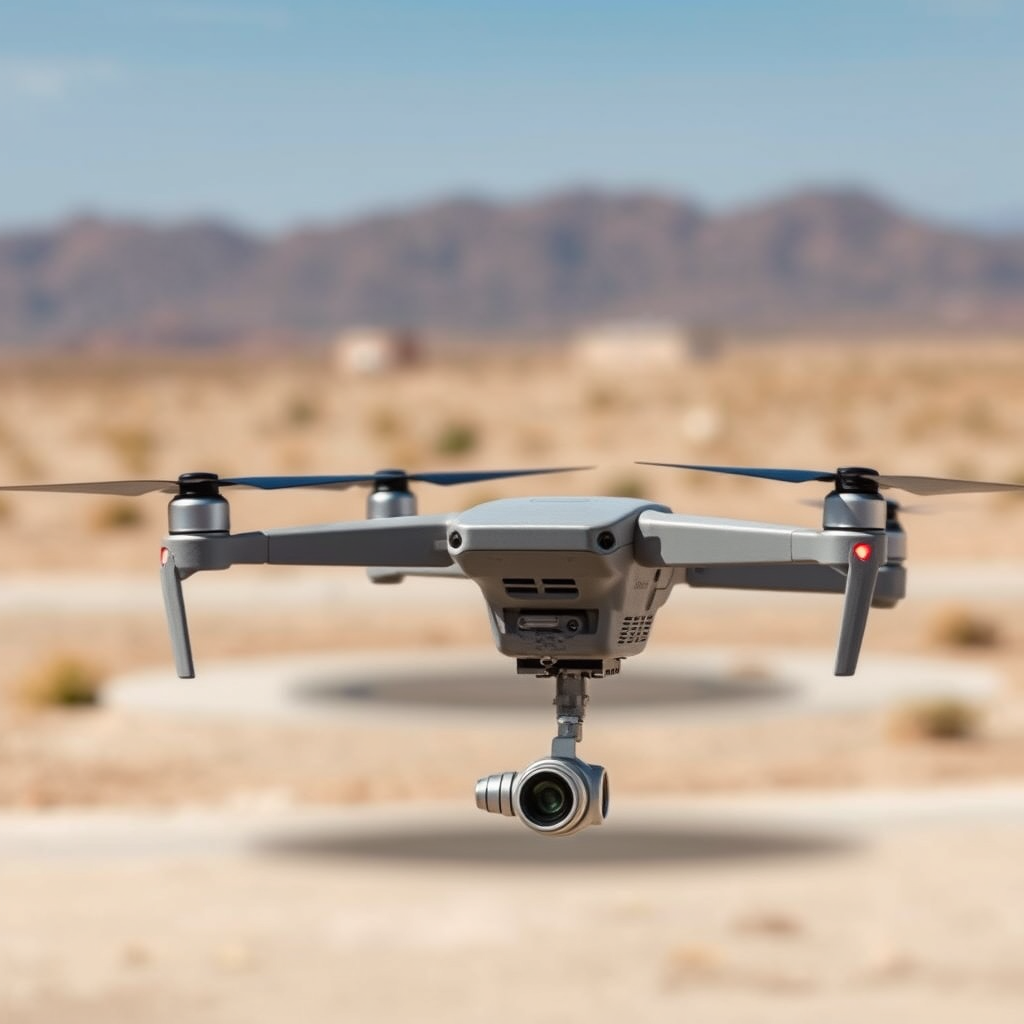
The airspace around Area 51 is classified and controlled by the FAA, which imposes stringent regulations to ensure national security. According to FAA guidelines, flying drones in restricted airspace requires special permissions, which are rarely granted for areas like Area 51. Violation of these airspace restrictions can result in hefty fines, potential criminal charges, and the confiscation of the drone.
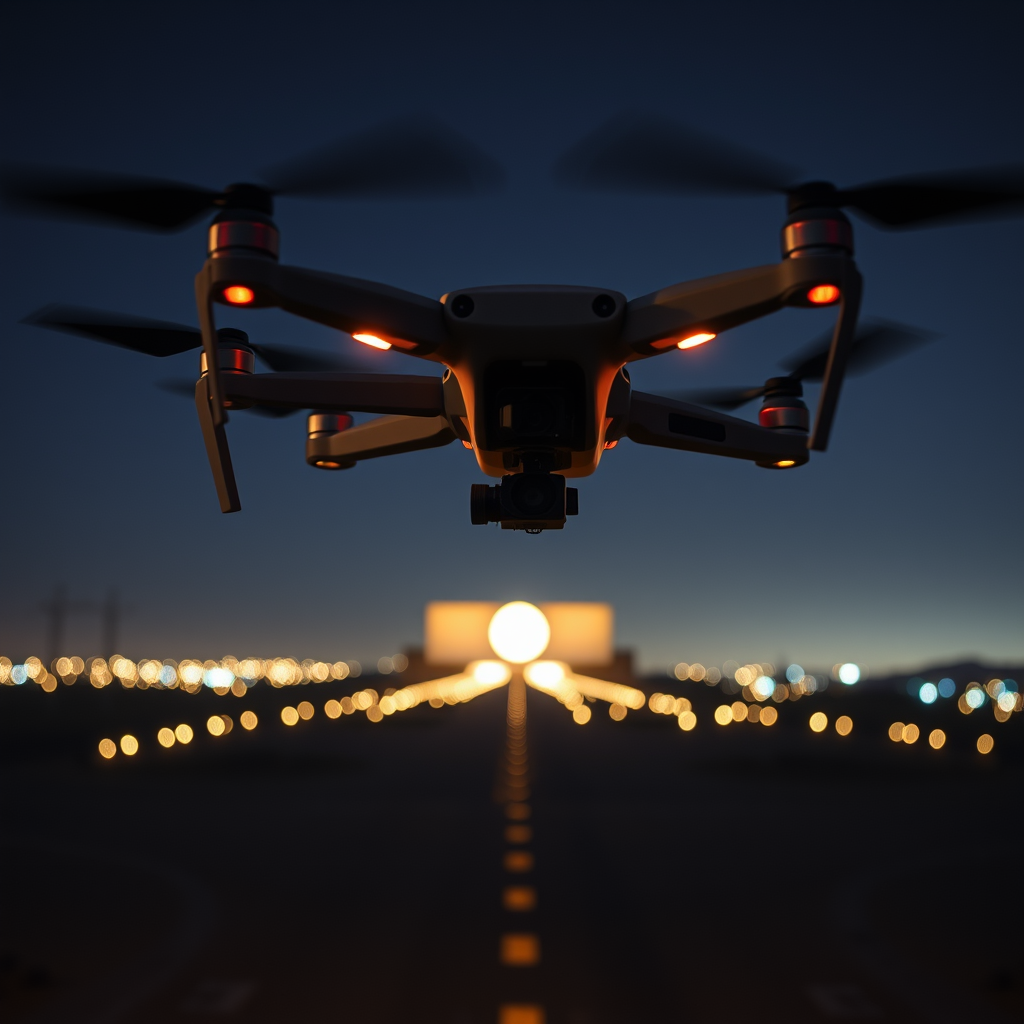
For instance, the area is designated as a Restricted Area (R-4808N), which extends up to 30,000 feet in altitude. The FAA maintains a Notice to Airmen (NOTAM) system to inform pilots of temporary flight restrictions, including those related to military operations. Drone operators should familiarize themselves with these restrictions, as ignorance is not an acceptable defense in legal matters. Engaging in unauthorized drone activity can not only jeopardize personal safety but can also result in severe penalties that can affect one’s ability to operate drones in the future.
The Risks of Drone Flight over Area 51
Flying a drone over Area 51 poses substantial risks that extend beyond legal ramifications. The site is closely monitored by security personnel, including both military and private security forces, who are trained to detect and react to unauthorized drone activity. Drones that venture into restricted airspace may be intercepted, and operators could face aggressive responses, including being pursued and questioned by security agents.
Moreover, drones can be confiscated by authorities, leading to loss of investment in the equipment and potential data captured. There have been instances where individuals operating drones near the area have faced criminal charges, which can result in fines, loss of drone privileges, or even jail time. The risks are heightened by the remote nature of the area, where assistance may be difficult to access, further complicating matters for those who find themselves in legal trouble or personal danger.
Recommended Drone Flying Practices
For those determined to explore the wonders of drone flying while remaining compliant with regulations, several best practices are recommended. First and foremost, always check the latest FAA regulations before planning any flight. The FAA website provides up-to-date information regarding airspace restrictions, and utilizing tools like the FAA’s B4UFLY app can help drone operators ensure they are flying within legal parameters.
Additionally, it is advisable to plan flight paths meticulously to avoid restricted zones. Utilizing mapping software or apps that provide real-time updates on airspace status can help mitigate the risks of unintentionally entering restricted areas. Ensuring that the drone is equipped with GPS capabilities can also aid in navigation and help operators maintain situational awareness. Lastly, maintaining a safe distance from restricted areas not only ensures compliance but also promotes responsible drone operation.
Alternatives to Flying Over Area 51
For those interested in capturing stunning aerial footage or exploring remote landscapes, there are several legal alternatives to flying directly over Area 51. The vast desert regions surrounding the military base offer various locations that are not subject to the same restrictions, allowing drone enthusiasts to enjoy their hobby without the associated risks.
For instance, nearby locations like the Nevada Test and Training Range or the scenic Red Rock Canyon National Conservation Area provide breathtaking vistas and opportunities for drone photography. Additionally, there are designated drone flying zones throughout Nevada that are specifically set aside for recreational flying, allowing for a safe and enjoyable experience. Researching these locations in advance and ensuring compliance with local regulations can provide a fulfilling alternative to the allure of Area 51.
Gathering Information and Resources
To stay informed and compliant with drone regulations, it is essential to gather information from reliable resources. Official government websites, like the FAA, offer comprehensive guidance on airspace regulations, including updates on restricted areas and any temporary flight restrictions.
Joining drone enthusiast forums and communities can also be invaluable for sharing experiences and learning from others in the field. Many seasoned drone operators offer tips, insights, and personal stories that can help newcomers navigate the complexities of drone flying legally and responsibly. Engaging with local drone clubs can also provide opportunities for networking and gaining access to legal flying areas in your vicinity.
The Role of Technology in Drone Operations
Technological advancements have significantly enhanced the safety and efficiency of drone operations. Utilizing apps that track restricted airspaces in real-time, such as Airmap or Skyward, can help operators avoid accidental violations. These tools provide visual maps that highlight restricted zones, making it easier to plan flights and stay compliant with regulations.
Moreover, investing in drones equipped with advanced GPS capabilities can further enhance safety during operation. Many modern drones feature built-in geofencing technology, which prevents them from entering restricted airspace, providing an extra layer of protection for operators. By leveraging technology, drone enthusiasts can navigate the skies more safely and responsibly, while still enjoying the thrill of flying.
In summary, while it is technically possible to fly a drone over Area 51, the legal and personal risks are substantial. Understanding the legal restrictions, being aware of the risks involved, and adhering to recommended practices are crucial for safe drone operation. Exploring alternative locations for drone flights can provide a fulfilling experience without the associated dangers of flying over restricted military zones. For more detailed guidance, continue researching and stay informed about airspace regulations to ensure a safe and enjoyable drone flying experience.
Frequently Asked Questions
Can you legally fly a drone over Area 51?
No, you cannot legally fly a drone over Area 51. The area is designated as a restricted airspace by the Federal Aviation Administration (FAA), and any unauthorized drone flights can result in serious legal consequences, including fines or criminal charges. Additionally, the U.S. military actively monitors the airspace around Area 51, making it extremely risky to attempt to fly a drone in that area.
What are the consequences of flying a drone over Area 51?
The consequences of flying a drone over Area 51 can be severe. Unauthorized flights can lead to the confiscation of your drone, hefty fines, and even arrest by military personnel or law enforcement. In some cases, individuals have faced charges related to airspace violations, which can carry significant legal penalties, including a criminal record.
How close can you legally fly a drone to Area 51?
While you cannot fly directly over Area 51, recreational drone pilots are generally allowed to operate their drones outside the restricted airspace, which is typically several miles away from the perimeter of the base. To ensure compliance with FAA regulations, it’s essential to check local airspace maps and respect the no-fly zones that are enforced around military installations. Staying informed about these regulations will help you avoid legal issues.
Why is Area 51 off-limits for drone flights?
Area 51 is off-limits for drone flights primarily due to national security concerns. The facility is known for its association with classified military projects and advanced aviation technology. The U.S. government restricts access to protect sensitive information and to prevent potential threats to national security, which includes preventing unauthorized surveillance or reconnaissance by drones.
What is the best way to learn about drone regulations around military bases like Area 51?
The best way to learn about drone regulations around military bases like Area 51 is to consult the FAA’s official website and familiarize yourself with the National Airspace System (NAS) rules. Additionally, resources like the Know Before You Fly campaign offer valuable information on drone laws and safe flying practices. Staying updated with local news and aviation forums can also provide insights into specific restrictions and any changes to regulations affecting drone pilots.
References
- https://en.wikipedia.org/wiki/Area_51
- https://www.faa.gov/uas/getting_started/
- https://www.theguardian.com/us-news/2020/jul/09/area-51-drone-flyover-us-military
- https://www.bbc.com/news/world-us-canada-45265400
- https://www.nytimes.com/2019/09/20/us/area-51-raid.html
- https://www.reuters.com/article/us-usa-area51-idUSKCN1VV0V8
