

Yes, you can fly a drone over moving vehicles, but there are important regulations and safety considerations to keep in mind. Drones have become increasingly popular tools for photography, surveying, and recreational use. However, operating them over busy roadways or moving vehicles introduces unique challenges that must be navigated carefully. Understanding the legal framework, safety protocols, and operational best practices is crucial for ensuring that your drone flights remain both lawful and safe.
Understanding Drone Regulations
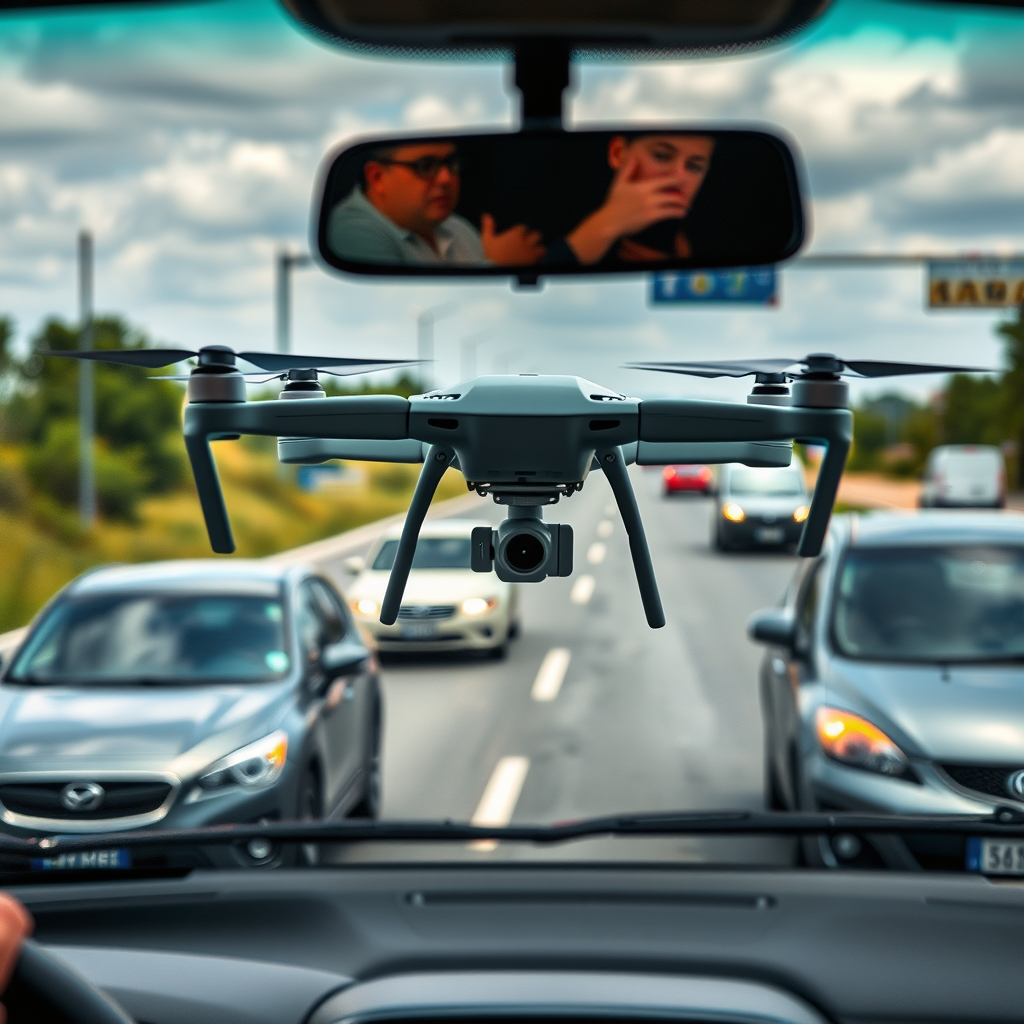
When flying a drone over moving vehicles, it’s essential to be well-versed in the regulations set forth by the Federal Aviation Administration (FAA) in the United States. According to FAA guidelines, drone operators must adhere to Part 107 regulations, which include restrictions on flying over people and certain types of vehicles without a waiver. Specifically, flying over moving vehicles is permissible if the flight complies with the operational limitations set by the FAA, such as maintaining visual line of sight and flying at or below 400 feet.
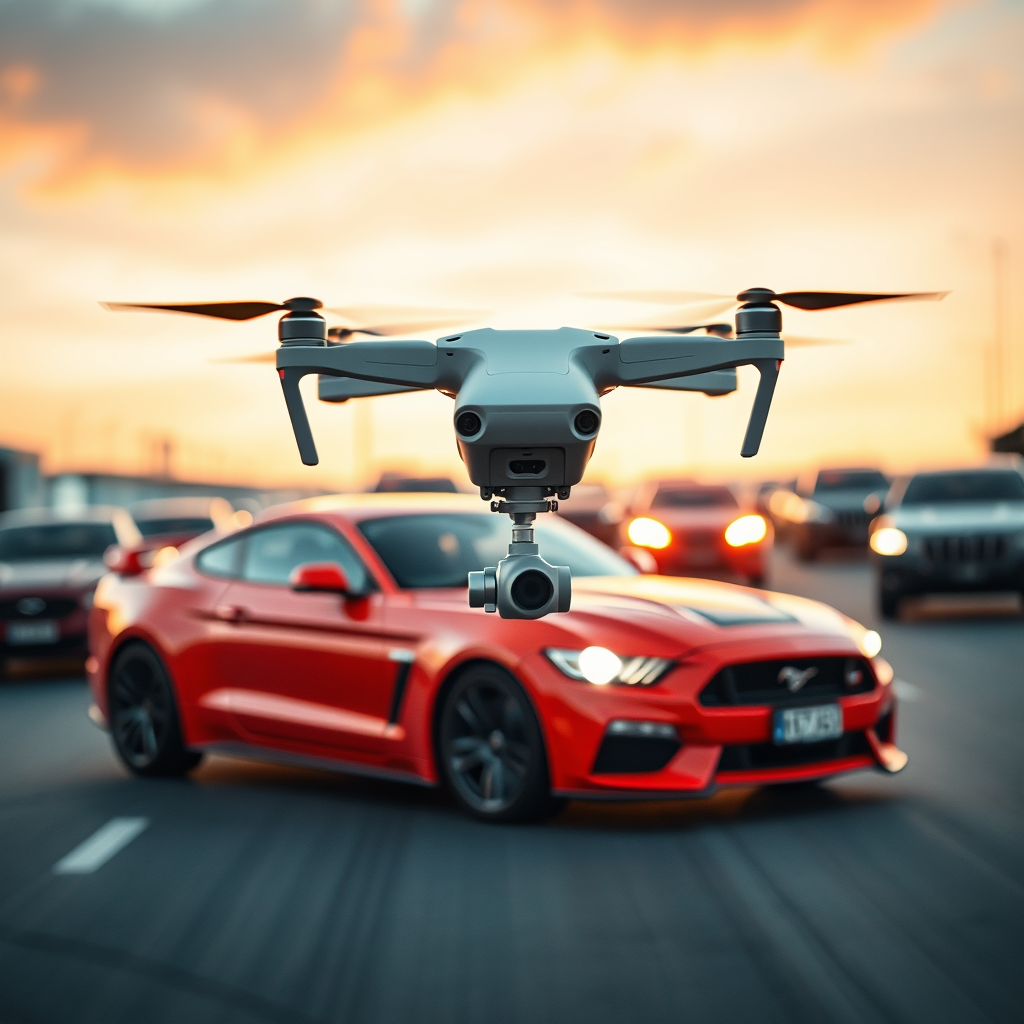
In addition to federal regulations, individual states and local municipalities may impose their own rules regarding drone operations. For instance, some areas may prohibit drone flights over private property or impose specific restrictions near highways. As such, it’s crucial to conduct thorough research and possibly consult with legal experts to ensure compliance with all applicable laws. In countries outside the U.S., regulations can vary significantly, so international operators should familiarize themselves with local aviation authorities’ guidelines.
Safety Considerations
Flying a drone over moving vehicles inherently carries risks that need to be assessed meticulously. One of the primary concerns is the potential for accidents, which could result in serious injuries or property damage. Drones can malfunction, and even experienced pilots can misjudge distances, leading to collisions with vehicles. Therefore, maintaining a safe altitude is paramount. The FAA recommends flying at least 400 feet above ground level to minimize the risk of collisions.
Another critical safety consideration is the type of vehicle beneath the drone. High-speed highways present different risks compared to slower urban traffic. Operators should analyze the speed and density of traffic to determine the safest flight path and altitude. Utilizing pre-flight checklists can help ensure that all safety measures are accounted for before takeoff, thus minimizing risks associated with flying over moving vehicles.
Optimal Conditions for Flight
The conditions under which you choose to fly your drone can significantly impact safety and performance. Opting for times with less traffic—such as early mornings or late evenings—can greatly reduce the likelihood of accidents. During these periods, the potential for interference from vehicles is minimized, providing a safer environment for drone operations.
Weather conditions also play a vital role in drone stability and visibility. Flying in windy conditions or during inclement weather can increase the risk of losing control over the drone. It is advisable to check weather forecasts for wind speed, precipitation, and visibility before planning an operation. Ideally, pilots should aim for clear, calm days to conduct their flights, as this enhances both safety and the quality of aerial imagery if that is the purpose of the flight.
Best Practices for Flying
Implementing best practices while flying over moving vehicles can enhance safety and operational efficiency. Utilizing a spotter—someone who can assist in monitoring the drone and surrounding traffic—can be invaluable. This person can help identify potential hazards and provide an additional set of eyes to ensure that the drone remains clear of obstacles.
Moreover, always keeping the drone within line of sight is crucial for maintaining control. The FAA’s regulations stipulate that pilots must be able to see their drones at all times. This practice not only aids in avoiding collisions but also allows the operator to make quick decisions should a dangerous situation arise. Additionally, employing visual aids, like colored markers or visual tracking software, can further assist in maintaining situational awareness during flights.
Insurance and Liability
Understanding the importance of drone insurance is vital for any operator, especially when flying over moving vehicles. Drone insurance can cover potential damages to property and injuries to individuals in the event of an accident. Many insurance providers offer specialized drone insurance policies that cater to the unique risks associated with operating unmanned aerial vehicles.
Familiarizing yourself with liability laws related to drone operations is equally important. In many jurisdictions, drone operators can be held liable for damages caused by their drones. This means that having proper insurance not only protects you financially but also helps in navigating the complexities of liability claims. Engaging with legal experts familiar with aviation law can further bolster your understanding and preparedness.
Technology and Equipment
Investing in the right technology and equipment can significantly enhance the safety of flying drones over moving vehicles. Many modern drones come equipped with advanced obstacle avoidance features that can help prevent collisions with vehicles and other obstacles. These systems utilize sensors and cameras to detect obstacles in real-time, allowing the drone to navigate around them autonomously.
Furthermore, utilizing GPS and real-time tracking enhances control over the drone, particularly in busy environments. GPS technology allows operators to set predefined flight paths, which can minimize the risk of unintended deviations. Additionally, real-time tracking provides essential data that can help pilots make informed decisions during their flights.
Conclusion
Flying a drone over moving vehicles can be done safely and legally by adhering to regulations and best practices. By understanding the legal framework, prioritizing safety considerations, and employing the right technology, drone operators can navigate the complexities of aerial operations with confidence. Always prioritize safety, remain informed on evolving regulations, and do your research before taking to the skies. By doing so, you can harness the full potential of drone technology while mitigating risks effectively.
Frequently Asked Questions
Can you legally fly a drone over moving vehicles?
Yes, you can legally fly a drone over moving vehicles, but there are strict regulations that you must follow. According to the Federal Aviation Administration (FAA) guidelines, you should maintain a safe distance and avoid flying over people or vehicles unless you have a specific waiver. Always check local laws, as regulations can vary by state or municipality, and ensure you have the necessary permissions for flying in controlled airspace.
What safety precautions should I take when flying a drone over moving vehicles?
When flying a drone over moving vehicles, it’s essential to prioritize safety. Always maintain visual line of sight with your drone, keep a safe altitude, and avoid flying in adverse weather conditions. Additionally, consider using a drone with advanced obstacle detection features and ensure you have a clear flight plan to avoid unexpected situations that could endanger people or property below.
Why is flying a drone over moving vehicles considered risky?
Flying a drone over moving vehicles is considered risky due to the potential for accidents and liability issues. Drones can malfunction or lose connection, leading to a crash that could injure people or damage vehicles. Furthermore, the unpredictability of moving traffic increases the risk of collision, making it crucial to assess the environment and exercise caution to avoid dangerous scenarios.
What types of drones are best for flying over moving vehicles?
The best drones for flying over moving vehicles are those equipped with advanced stabilization systems, long-range capabilities, and high-quality cameras. Drones like the DJI Mavic Air 2 or the DJI Phantom 4 Pro offer excellent flight stability and obstacle avoidance features, making them suitable for capturing aerial footage over traffic. Always choose a drone that meets your specific needs and can handle various flying conditions.
How can I enhance my drone flying skills for operating over moving vehicles?
To enhance your drone flying skills for operating over moving vehicles, consider enrolling in a drone training course or utilizing flight simulation software. Practicing in open areas without obstacles and gradually increasing complexity, such as flying over dummy vehicles or simulated traffic scenarios, can boost your confidence. Additionally, familiarize yourself with drone regulations and safety protocols to ensure responsible flying.
References
- https://www.faa.gov/uas/getting_started/part_107
- https://www.nasa.gov/feature/nasa-drone-research-makes-it-safe-to-fly-over-people
- https://www.theguardian.com/us-news/2020/jan/09/drone-flying-over-people-vehicles-regulations
- https://www.reuters.com/article/us-usa-drone-regulations-idUSKBN2A32E
- https://www.verywellmind.com/drone-flying-safety-tips-5114850
- https://www.ncbi.nlm.nih.gov/pmc/articles/PMC7467809/
- https://www.wired.com/story/faa-drone-regulations/
- https://www.ama-assn.org/delivering-care/public-health/faa-drone-regulations-and-public-health
