
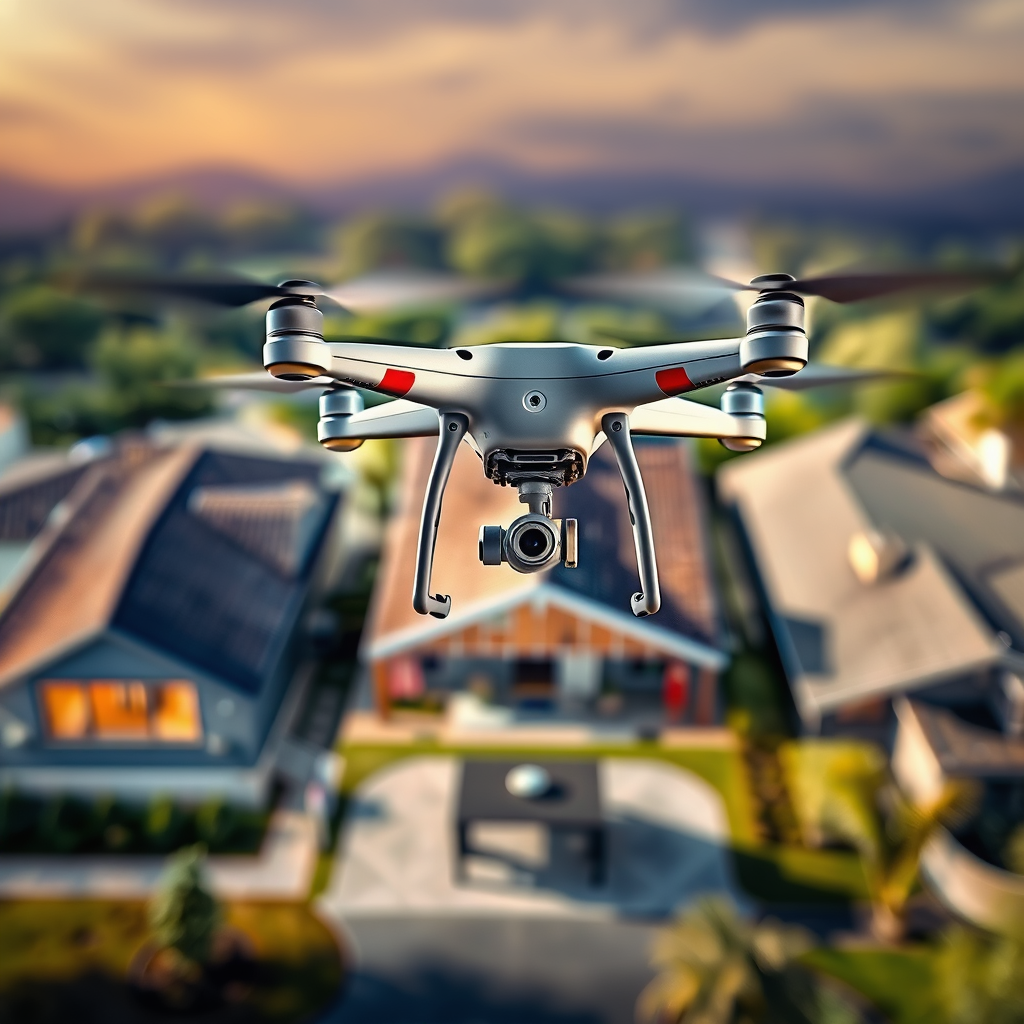
Yes, you can fly a drone over other people’s property, but there are specific regulations and considerations to keep in mind. The legal framework governing drone operation is complex, and it is essential for drone pilots to understand both federal and local laws, respect the rights of property owners, and adhere to safety guidelines. This knowledge not only helps in avoiding legal complications but also fosters a responsible approach to drone flying that respects privacy and public safety.
Understanding Drone Regulations
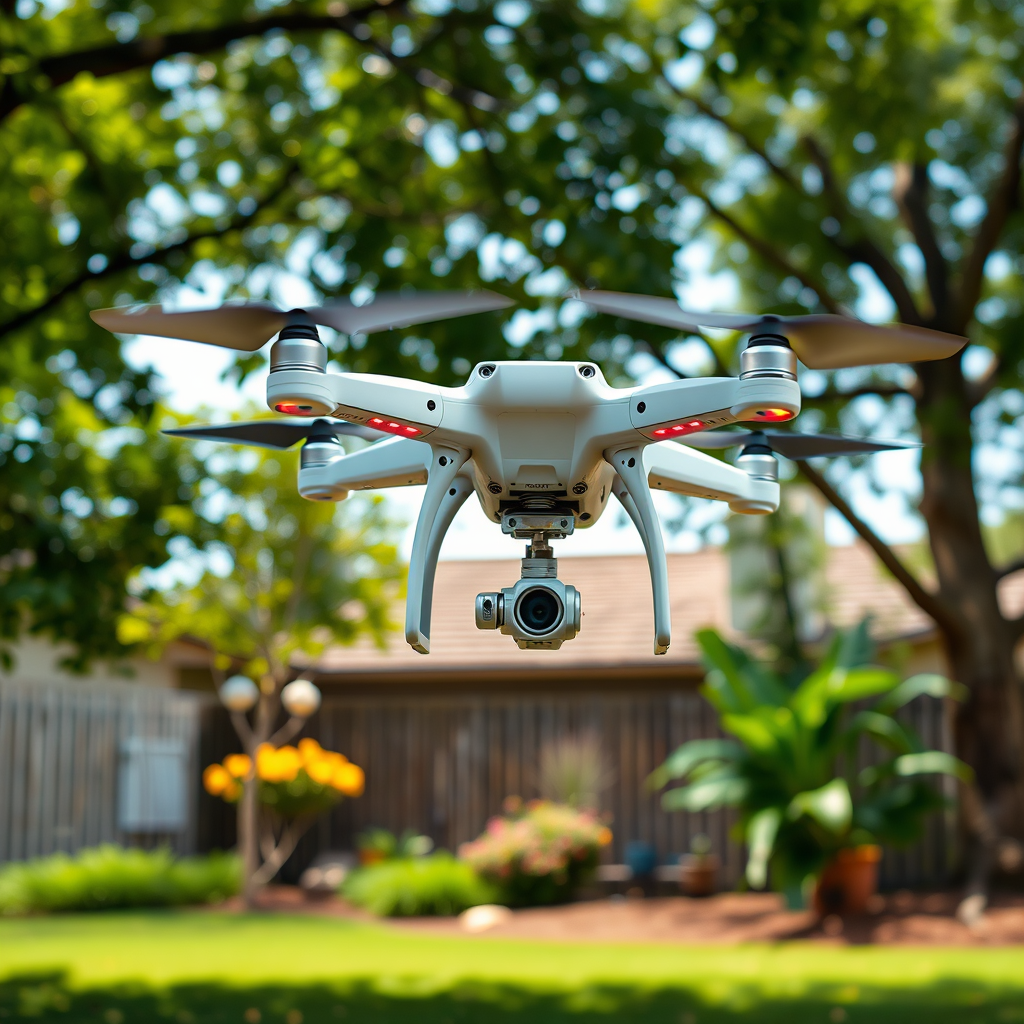
The Federal Aviation Administration (FAA) is the primary regulatory body overseeing drone use in the United States. Under FAA rules, drones are classified as Unmanned Aircraft Systems (UAS), and their operation is subject to various regulations designed to ensure safety and efficiency in the airspace. Key regulations include the requirement for drone operators to register their drones if they weigh more than 0.55 pounds, maintain visual line of sight, and operate only during daylight hours.
In addition to federal regulations, local and state laws may impose further restrictions on drone flights. These can vary significantly from one jurisdiction to another. For example, certain cities may have ordinances prohibiting drone use in public parks, near schools, or over private property without permission. Therefore, it is crucial for drone operators to familiarize themselves with the specific regulations applicable to their area, as ignorance of local laws can lead to penalties or fines.
Property Rights and Airspace
The issue of property rights in relation to airspace is a significant aspect of drone operation. Generally, landowners possess rights to the airspace above their property, although these rights are not absolute. The legal doctrine known as “navigable airspace” allows for the use of airspace above a certain altitude (typically around 500 feet for drones) without infringing on property rights. However, flying at lower altitudes can lead to legal disputes if property owners feel their rights are being violated.
Navigating airspace rights can be complicated. For instance, if a drone is flown at a height that could be perceived as intrusive or if it captures images or videos of private property without consent, it could result in legal action from the property owner. Therefore, drone operators should be cautious and consider the potential implications of their flights on the rights of others.
Privacy Concerns
Privacy is a critical concern when it comes to flying drones over private property. Homeowners may feel that their privacy is being invaded if drones are hovering over their yards or capturing images of their homes without consent. This concern is heightened by the capabilities of modern drones, which often come equipped with high-resolution cameras that can easily capture detailed images from the air.
To mitigate privacy concerns, drone operators should be aware of local privacy laws, which can vary widely. Some states have enacted laws specifically addressing drone use and privacy, requiring operators to obtain consent from property owners before capturing images or videos. Moreover, being transparent about the purpose of the flight and respecting the privacy of others can help foster goodwill and reduce potential conflicts.
Safety Guidelines for Drone Operation
Safety should always be a top priority for drone operators. To ensure safe flying practices, it is essential to maintain a safe altitude, typically above 400 feet, and to keep the drone within visual line of sight. This practice not only helps in avoiding collisions with other aircraft but also minimizes the risk of accidents on the ground.
Additionally, drone pilots should avoid flying over crowded areas, such as public events or gatherings, without prior permission. Sensitive locations, such as schools, hospitals, and government buildings, may have specific restrictions on drone flights, and violating these can lead to significant legal repercussions. Following safety guidelines and being aware of the surrounding environment can help ensure a safe flying experience for both drone operators and the public.
Best Practices for Responsible Drone Use
To promote responsible drone use, it is advisable to obtain permission from property owners before flying over their land. This not only helps in respecting their rights but also fosters a positive relationship between drone operators and the community. A simple request for permission can go a long way in alleviating concerns and ensuring that drone flights are conducted amicably.
Furthermore, respecting no-fly zones, such as those near airports, military bases, and wildlife reserves, is crucial for safe drone operation. Many drone applications, including mobile apps, provide real-time information about restricted airspace, helping operators avoid potential violations. By adhering to these best practices, drone operators can contribute to a safer environment that respects the rights of others while enjoying the benefits of drone technology.
Consequences of Ignoring Regulations
Ignoring drone regulations can lead to severe consequences, including fines, penalties, or even the revocation of flying privileges. The FAA has implemented strict enforcement measures to ensure compliance with drone laws, and violations can result in significant financial penalties. For example, fines for flying in restricted airspace can reach thousands of dollars.
Moreover, property owners have the legal right to take action if they feel their privacy has been infringed upon by drone flights. This can lead to civil lawsuits, which can be both costly and time-consuming. Therefore, it is essential for drone operators to remain informed and compliant with all applicable laws to avoid the repercussions of negligence.
In conclusion, while you can fly a drone over other people’s property, it is vital to be aware of and adhere to all relevant laws and regulations. Understanding the legal framework, respecting privacy, and following safety guidelines are crucial for responsible drone operation. By prioritizing these considerations, drone pilots can ensure a positive flying experience that benefits both themselves and the communities in which they operate.
Frequently Asked Questions
Can you legally fly a drone over someone else’s property?
Legally flying a drone over someone else’s property can be complex and varies by location. In the United States, the Federal Aviation Administration (FAA) allows drone flights in navigable airspace, which typically includes areas above private property. However, state and local laws may impose restrictions, and property owners can assert their rights if they feel their privacy is being invaded. It’s crucial to check local regulations and obtain permission if necessary.
What are the privacy concerns when flying a drone over private property?
Privacy concerns arise primarily because drones can capture images and videos of private property without consent. This can lead to potential invasions of privacy, especially if the drone is equipped with high-resolution cameras. Property owners may feel that their personal space is being violated, which can result in legal disputes. To avoid these issues, drone operators should respect privacy boundaries and consider notifying property owners in advance.
How high can you fly a drone over private property?
The FAA generally allows drone pilots to fly at altitudes up to 400 feet above ground level, even over private property. However, it’s essential to remain aware of local laws and regulations that could impose additional height restrictions. Additionally, flying too low over private property could lead to privacy complaints. Always prioritize safety and respect for property rights while flying.
Why do some property owners object to drones flying overhead?
Property owners may object to drones flying overhead due to concerns about privacy, safety, and noise. Drones can capture sensitive images, which raises privacy issues, while the presence of drones can also be perceived as intrusive. Furthermore, if drones fly too low, they may pose safety risks to people and pets on the ground. Understanding these concerns can help drone operators fly responsibly and maintain good relations with property owners.
What should you do if a drone is flying over your property without permission?
If a drone is flying over your property without your permission, the first step is to document the occurrence, noting the time, date, and any identifiable information about the drone. You can then try to identify the operator, as they may not be aware they are intruding. If the drone’s presence continues to be a nuisance or if you feel your privacy is being violated, consider contacting local law enforcement or your local aviation authority to address the issue appropriately.
References
- https://en.wikipedia.org/wiki/Drone_regulations
- https://www.faa.gov/uas/getting_started/
- https://www.nolo.com/legal-encyclopedia/drone-laws-property-rights-32673.html
- https://www.theguardian.com/technology/2020/jul/07/uk-drone-laws-rules-flying-above-private-property
- https://www.ama-assn.org/delivering-care/public-health/drone-technology-and-privacy-issues
- https://www.nytimes.com/2021/06/24/technology/drone-privacy-property-rights.html
