
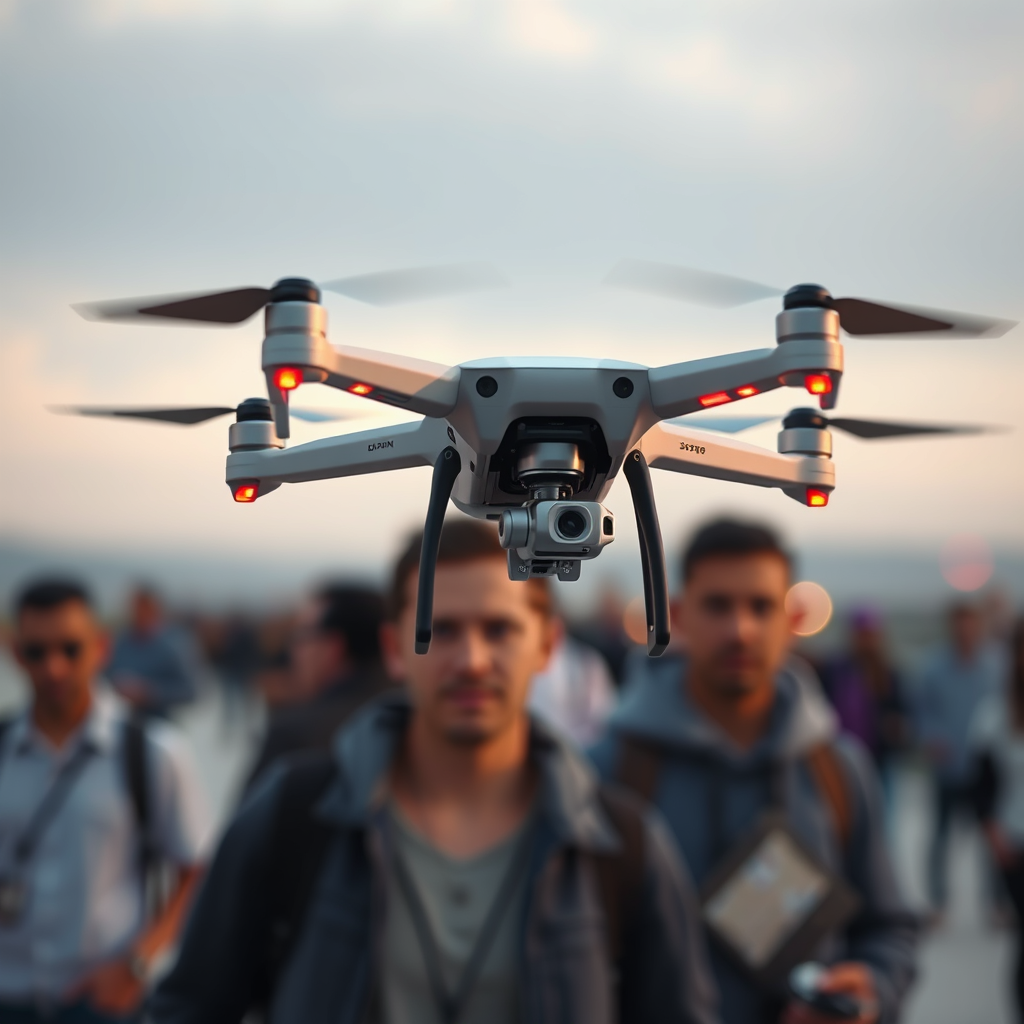
Yes, you can fly a drone over people under certain conditions, but it requires adhering to specific regulations and safety measures. Understanding these guidelines is essential for both recreational and commercial drone operators to ensure compliance and safety. With the increasing popularity of drone technology for various applications, from aerial photography to deliveries, it becomes crucial to navigate the complex landscape of federal and local regulations governing drone operations, particularly when it involves flying over individuals.
Understanding FAA Regulations
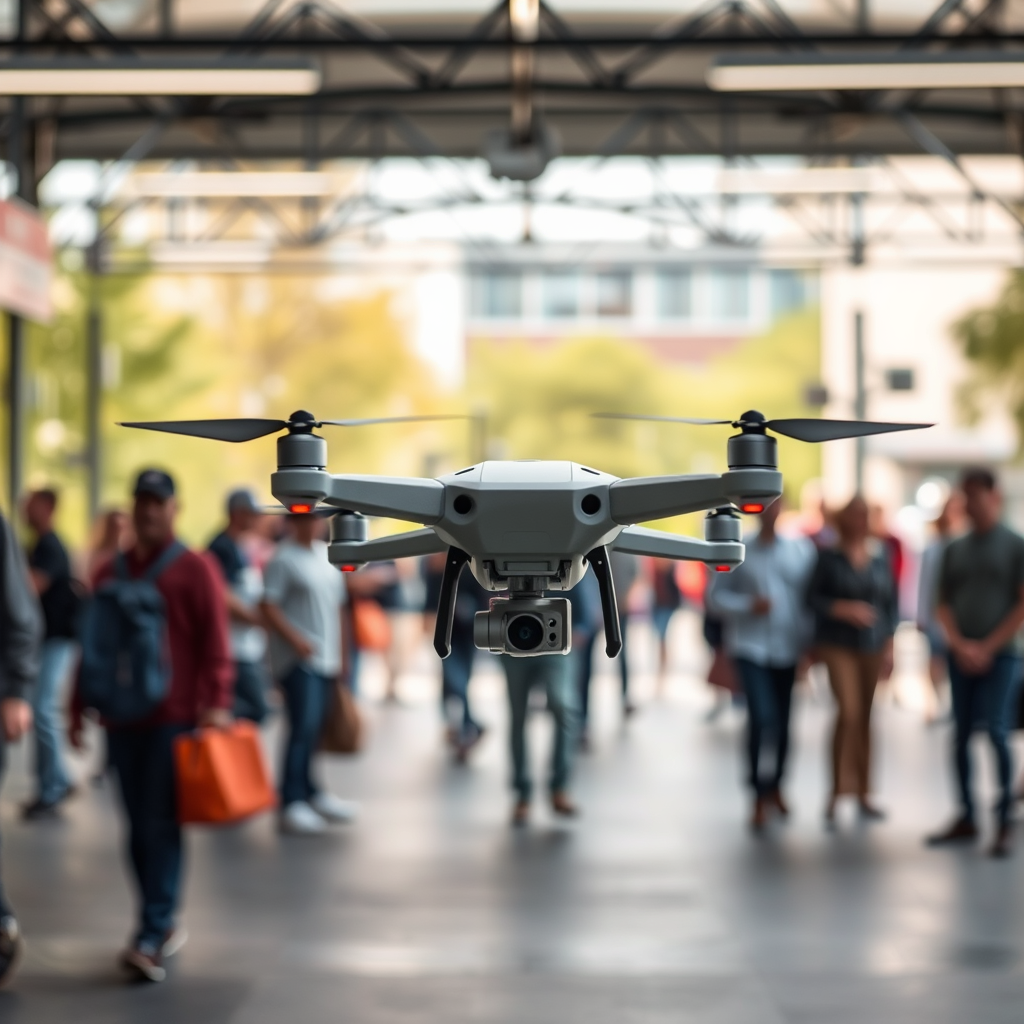
The Federal Aviation Administration (FAA) has established strict rules to govern drone flying, particularly concerning operations over people. Under Part 107 of the FAA regulations, which outlines requirements for commercial drone operations, there are specific stipulations regarding flying over people. According to these regulations, drones are generally prohibited from flying over individuals who are not directly involved in the operation unless specific criteria are met.
The FAA categorizes the risk levels associated with drone operations over people into three categories: Category 1, Category 2, and Category 3. Drones in Category 1 can be flown over people without additional restrictions as long as they weigh less than 0.55 pounds and do not contain any exposed rotating parts. For Categories 2 and 3, operators must ensure that their drones meet specific safety standards and that safety measures are in place to mitigate risks to individuals below. Understanding these regulations is crucial for anyone looking to operate drones in populated areas.
Categories of Operations
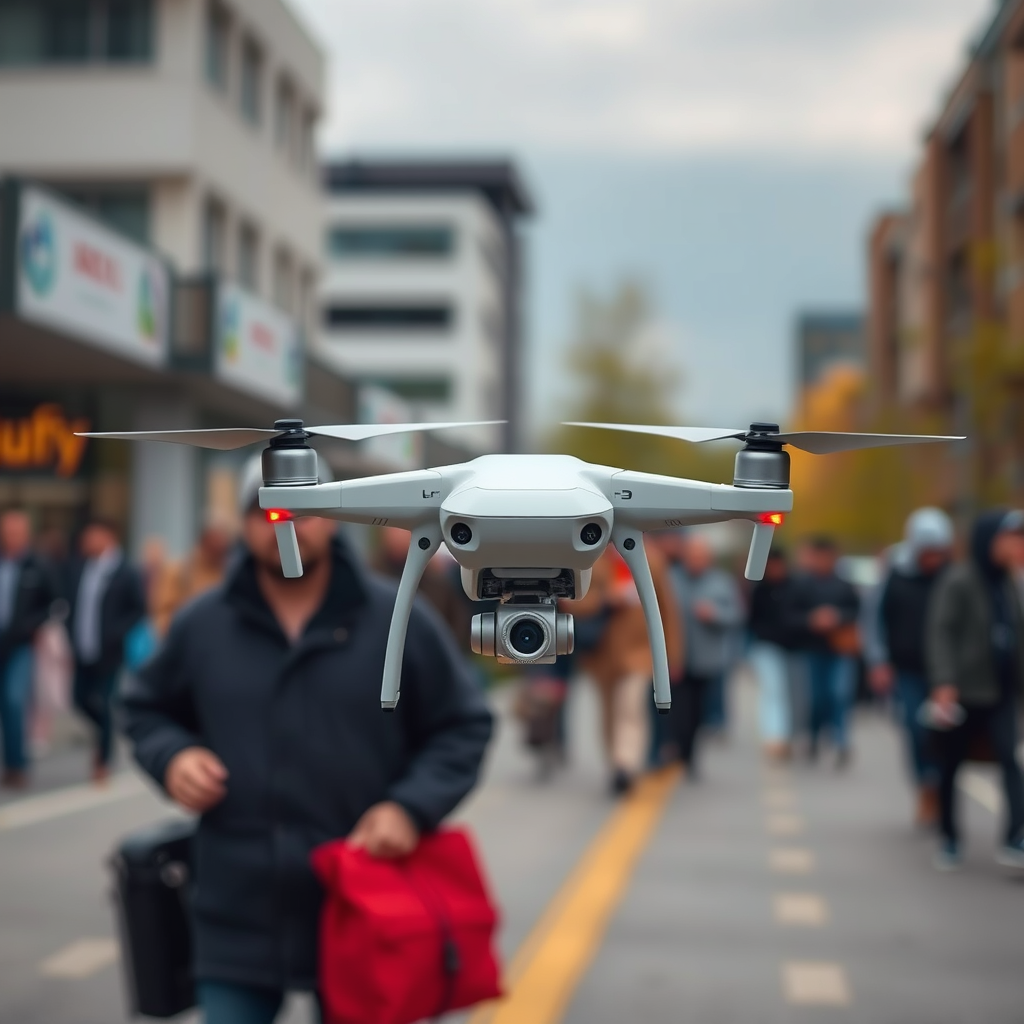
The FAA classifies drone operations into three distinct categories: Open, Specific, and Certified. Each category presents different rules and guidelines regarding flying over people, which can significantly impact what is permissible.
1. Open Category: This is typically for recreational users and includes operations that do not require FAA authorization. Drones in this category may be flown over people as long as they weigh under 0.55 pounds and meet the criteria outlined in the FAA’s Part 107 regulations. This category encourages safe flying practices while allowing for some flexibility for operators.
2. Specific Category: For commercial operators who wish to conduct operations that do not meet the criteria of the Open category, the Specific category allows for more tailored permissions. Operators must apply for a waiver or exemption, detailing how they plan to mitigate risks involved in flying over people. This often requires a thorough safety analysis and risk assessment.
3. Certified Category: This category is reserved for larger drones that may pose a greater risk to people. To operate drones under this category, operators must obtain a special certification that ensures compliance with stringent safety standards. This often involves more extensive training and operational protocols to ensure safety when flying over populated areas.
Understanding these operational categories helps drone pilots ascertain the necessary steps they must take to legally and safely fly over people.
Safety Considerations
Safety is paramount when flying a drone over people. Operators must assess the potential risks of injury to individuals below if a malfunction were to occur. For instance, a drone’s battery may fail, or a mechanical issue could arise, leading to a crash. To minimize these risks, it is advisable to use drones equipped with advanced safety features, such as GPS stabilization, obstacle avoidance systems, and automatic return-to-home functions.
Additionally, conducting pre-flight checks and regular maintenance can significantly reduce the likelihood of malfunctions. Operators should also consider the environment in which they are flying; for example, flying in crowded areas or during inclement weather can heighten the risk to individuals below. Therefore, careful planning and risk assessment are essential components of any drone operation that involves flying over people.
No-Fly Zones
Familiarizing yourself with no-fly zones is critical for any drone operator. Certain areas are designated as no-fly zones, which may restrict drone operations over people entirely. These often include locations such as airports, military bases, and certain urban areas where air traffic is heavy or where safety concerns are heightened.
Public events, such as concerts, sports games, and festivals, are often subject to additional restrictions. In many cases, local authorities may impose temporary flight restrictions (TFRs) to ensure public safety during these events. Similarly, emergency response areas, such as those affected by natural disasters, may also be designated as no-fly zones to allow first responders to operate without interference. It is crucial for drone operators to check local regulations and advisories, as flying in prohibited areas can result in fines or other legal consequences.
Insurance and Liability
Obtaining liability insurance is a wise decision for drone operators, especially when flying over people. This insurance can protect you in the event of an accident, providing coverage for property damage or injuries caused by your drone. The cost of insurance may vary based on factors such as the type of drone, the nature of operations, and your flight history, but it is a necessary expense for anyone serious about drone operations.
Additionally, understanding the implications of flying over people on liability coverage is essential. Some insurance policies may have exclusions for accidents that occur while flying over individuals, so it is critical to review your policy closely and ensure that you are adequately covered. Communicating with an insurance agent who specializes in drone insurance can provide clarity on the best coverage options for your specific needs.
Local Laws and Regulations
In addition to FAA regulations, drone operators must be mindful of state and local laws that may impose additional restrictions on flying over people. Local ordinances can differ significantly from federal regulations and may include specific requirements such as obtaining permits or notifying local authorities before conducting drone operations.
For example, some cities may have enacted laws that prohibit drone flights over certain parks or residential areas to protect privacy and safety. Therefore, it is crucial for operators to conduct thorough research into the local regulations governing drone use in their area. Ignorance of these laws can lead to unintended legal consequences, including fines or the confiscation of equipment.
Best Practices for Flying Over People
When planning to fly a drone over people, adopting best practices can significantly enhance safety and compliance. One effective practice is to use a spotter. This person can help monitor the drone’s flight path, ensuring that the operator remains aware of their surroundings and any potential hazards. A spotter can also assist in maintaining a clear line of sight with the drone, which is a requirement under FAA regulations.
Additionally, planning flights during times when the area is less populated can minimize risks. For example, early morning or late evening flights in public spaces can reduce the likelihood of encountering large crowds and increase safety. Conducting thorough risk assessments before each flight and having contingency plans in place for emergencies can also enhance safety.
In conclusion, while it is indeed possible to fly a drone over people, it is essential to follow FAA regulations, consider safety, and remain aware of local laws. By understanding the various categories of operations, familiarizing yourself with no-fly zones, obtaining appropriate insurance, and adopting best practices, you can ensure a compliant and safe flying experience. Always prioritize safety and compliance to foster a responsible and positive environment for drone enthusiasts and the general public alike.
Frequently Asked Questions
Can you legally fly a drone over people in the United States?
Yes, you can fly a drone over people in the United States, but there are specific regulations set by the Federal Aviation Administration (FAA) that you must follow. As of 2021, the FAA allows drone operators to fly over people under certain conditions, such as ensuring that the drone is equipped with safety features like propeller guards and that the flight is conducted in a manner that minimizes risk to individuals on the ground. It’s crucial to stay updated with local laws as they can vary by state and municipality.
What are the safety guidelines for flying a drone over people?
When flying a drone over people, it’s essential to follow the FAA’s safety guidelines to mitigate risks. Operators should ensure their drone is below 400 feet, avoid flying over large crowds, and maintain a visual line of sight with the drone at all times. Additionally, using drones with a low weight and built-in safety features, such as automatic return-to-home functions and geofencing, can help enhance safety during operations over people.
Why is it important to understand drone regulations regarding flying over people?
Understanding drone regulations concerning flying over people is crucial for legal compliance and safety. Violating these regulations can lead to hefty fines, legal action, and the potential for accidents that could harm bystanders. By being informed about the rules, drone operators can ensure they are flying responsibly, which helps protect both the public and their own investment in the drone technology.
What are the best practices for flying a drone over people at events?
The best practices for flying a drone over people at events include obtaining necessary permissions, conducting pre-flight safety checks, and maintaining a safe distance from crowds. Operators should notify event attendees about the drone’s presence and ensure that it is operated by a certified pilot who is familiar with the specific environment. Additionally, having a contingency plan in case of emergencies can help in managing any unexpected situations that may arise.
Which states have additional restrictions on flying drones over people?
Some states, like California and New York, have additional restrictions on flying drones over people, often requiring permits for specific events or in certain areas. Local municipalities may also have their own regulations, so it’s advisable to check with local authorities before flying. Always consult the FAA’s website and your state’s aviation authority for the most current regulations to ensure compliance and avoid any legal issues.
References
- https://www.faa.gov/uas/getting_started/part_107
- https://www.faa.gov/uas/media/Part_107_Summary.pdf
- https://www.abcnews.go.com/US/drone-flying-people-rules-regulations/story?id=65241889
- https://www.nytimes.com/2021/04/18/us/drone-flying-rules.html
- https://www.cnet.com/news/drone-rules-faa-people-safety/
- https://www.npr.org/2021/04/12/985404817/new-drone-rules-allow-flying-over-people-and-at-night
- https://www.wired.com/story/faa-drone-rules-over-people-night/
- https://www.theguardian.com/us-news/2021/apr/12/faa-drone-regulations-rules-over-people
