
Yes, you can fly a drone over people, but there are specific regulations and guidelines you must follow to ensure safety and compliance with the law. The Federal Aviation Administration (FAA) has established a framework that governs drone operations, particularly in crowded areas. Understanding these regulations is crucial for both hobbyists and commercial drone operators, as failing to comply can result in hefty fines and safety hazards. This article will delve into the FAA regulations, the types of drones permitted, safety guidelines, permissions, insurance considerations, and local laws related to flying drones over people.
Understanding FAA Regulations
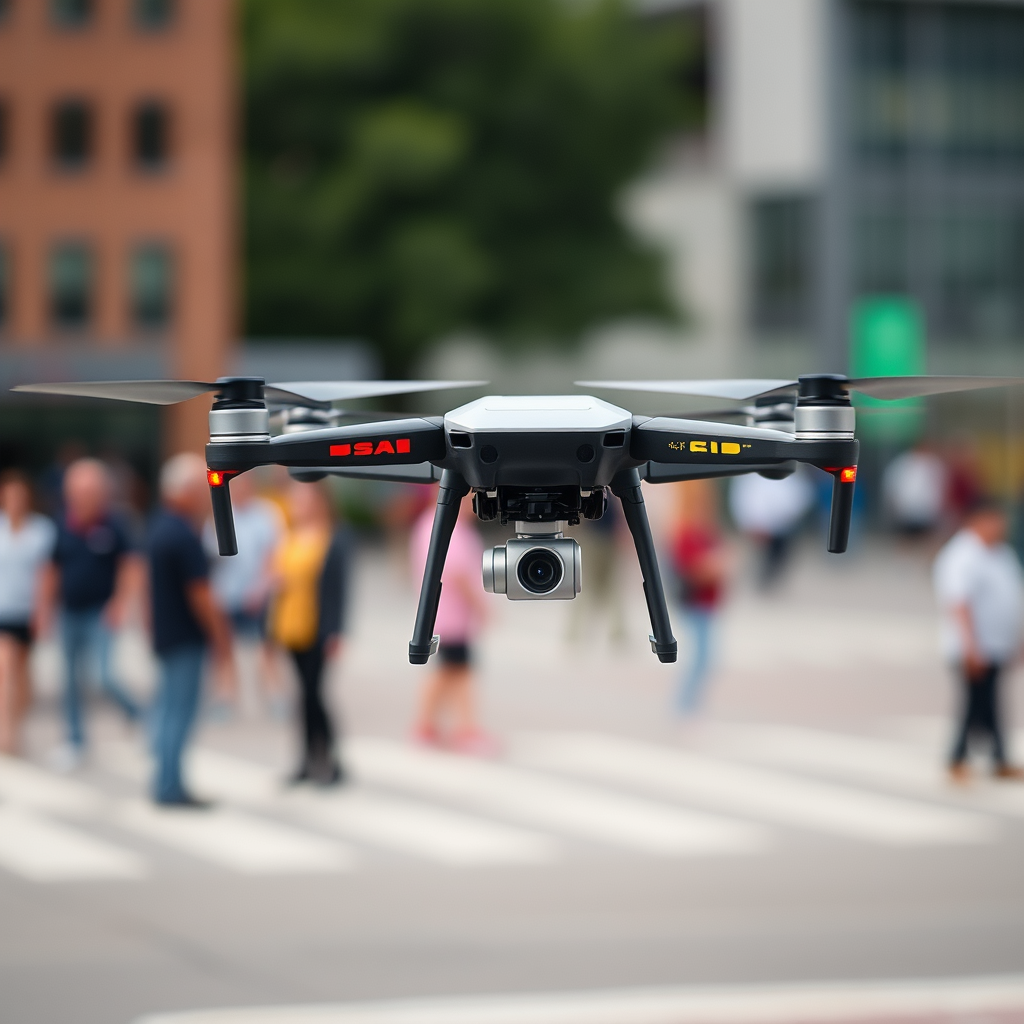
The FAA has put forth a set of regulations that pertain specifically to flying drones over people. Under the new Part 107 rules, drones are classified based on their weight and safety features, which determines if you can legally fly them over people. To operate a drone over a crowd, it must meet certain criteria outlined by the FAA.
Drones that are classified as “Category 1” are permitted to fly over people without additional restrictions. These drones weigh less than 0.55 pounds (250 grams) and are considered to pose minimal risk to individuals below. For heavier drones, specifically “Category 2” and “Category 3,” operators must adhere to more stringent safety standards and may need to obtain a waiver to operate in populated areas. These categories include additional requirements like the drone needing to have a specific level of safety features to mitigate risks if an accident occurs.
Moreover, the FAA continually updates its regulations, so it is essential for operators to stay informed about any changes that might impact their flying capabilities.
Types of Drones Permitted
When considering which drones can be flown over people, it is essential to understand the classifications provided by the FAA.
Category 1 drones are lightweight and designed to minimize risk. If you are using a drone that meets this classification, it can be operated over people without the need for additional permits. These drones are typically used for recreational purposes, educational demonstrations, or small-scale commercial applications.
Category 2 drones, which weigh more than 0.55 pounds but not more than 4.4 pounds (2 kilograms), can also be flown over people, but they must have enhanced safety features to mitigate risks. Operators need to ensure that these drones can safely land or minimize injury potential in the event of a malfunction.
Category 3 drones, which weigh between 4.4 pounds and 55 pounds (25 kilograms), present a higher risk and require a waiver to be flown over people. The drone must have features like redundant systems and may need to pass rigorous safety tests before being cleared for operation in populated areas.
Understanding these classifications is vital for compliance and safety, especially for commercial operators who often work in environments where flying over people is unavoidable.
Safety Guidelines for Flying Over People
Safety should always be a top priority when flying drones, especially over people. Here are some best practices to follow:
1. Maintain Safe Distances: Always keep a safe distance from individuals and crowds. The FAA recommends that operators avoid flying directly over people unless they are in a controlled environment or operating an approved drone.
2. Use Drones with Safety Features: Opt for drones equipped with safety features such as propeller guards and emergency landing capabilities. These features can substantially reduce the risks associated with potential failures.
3. Conduct Pre-Flight Checks: Before each flight, perform thorough checks to ensure the drone is in good working condition. This includes checking battery levels, propellers, and the overall functionality of the drone.
4. Stay Aware of Surroundings: Always maintain visual line-of-sight with your drone, and be aware of your environment. This will help you mitigate risks and respond quickly to any potential hazards.
5. Pilot Training: Ensure that all operators are adequately trained and understand the regulations regarding drone flight. Consider attending workshops or training sessions to enhance skills and knowledge.
By adhering to these safety guidelines, drone operators can minimize risks associated with flying over people, promoting a safer environment for everyone involved.
Permissions and Waivers
When it comes to flying drones over people, understanding when a waiver is necessary is crucial. For operators intending to use Category 2 and Category 3 drones, obtaining a waiver from the FAA is a mandatory step.
The application process for obtaining a waiver involves submitting a detailed proposal that outlines how the operator plans to ensure safety while flying over people. This includes demonstrating knowledge of the drone’s operation, safety features, and the specific environment in which the drone will be flown. The FAA takes these applications seriously, so providing thorough documentation and evidence of safety measures is essential.
Additionally, it is wise to keep abreast of any developments in regulations that could affect waiver requirements. Engaging with local drone advocacy groups or forums can also provide valuable insights from those who have navigated the waiver process.
Insurance and Liability Considerations
Drone operations come with inherent risks, and securing insurance is a prudent decision for both commercial and recreational operators. Drone insurance can cover a range of issues, including property damage, bodily injury, and even legal fees in the event of an incident.
Liability issues can become particularly complex when flying over people. If a drone causes injury or damages property, the operator may be held liable. Understanding the legal implications of drone operations is essential in protecting yourself from potential lawsuits.
Investing in comprehensive drone insurance not only provides peace of mind but also demonstrates professionalism and responsibility. Many insurance providers offer specialized drone coverage, so it’s advisable to research and select a policy that fits your specific operational needs.
Local Laws and Restrictions
In addition to FAA regulations, local laws may impose further restrictions on flying drones over people. Municipalities may have their own rules regarding drone operations, particularly in public spaces such as parks, festivals, or sporting events.
Before flying, it is crucial to research local ordinances and check for any temporary flight restrictions (TFRs) that may be in effect. Engaging with local authorities can provide clarity and ensure compliance with any additional requirements.
Local drone clubs or online community forums can be useful resources for understanding the specific regulations in your area. Staying informed about local laws will not only keep you compliant but also help foster a positive relationship with the community regarding drone usage.
In conclusion, while flying a drone over people is possible, it comes with strict regulations and safety considerations. Understanding FAA classifications, obtaining necessary waivers, adhering to safety guidelines, and being aware of local laws are essential steps for responsible drone operation. Always stay informed about the rules and best practices to ensure a safe flying experience. For more information, check the FAA’s official resources or consult a drone expert.
Frequently Asked Questions
Can you legally fly a drone over people?
The legality of flying a drone over people depends on the regulations set by aviation authorities in your country. In the United States, the Federal Aviation Administration (FAA) allows flying over people under certain conditions, such as when the drone is classified as “remote ID compliant” and the operator maintains a safe distance. Always check local laws and regulations, as they can vary significantly by region and may include additional restrictions.
What safety measures should be taken when flying a drone over people?
When flying a drone over people, it’s crucial to ensure safety by conducting a thorough risk assessment before the flight. Operators should keep the drone within visual line of sight, avoid flying over large crowds, and maintain a safe altitude to minimize risks. Additionally, using drones equipped with safety features, such as propeller guards and emergency landing protocols, can further enhance safety during such operations.
Why are there restrictions on flying drones over people?
Restrictions on flying drones over people are primarily in place to ensure public safety and prevent accidents. Drones can malfunction or experience technical failures, posing a risk of injury to bystanders if they fall or collide with individuals. Regulatory bodies implement these rules to mitigate risks and protect both drone operators and the public from potential harm.
What is the best drone for flying over people?
The best drones for flying over people are those that are lightweight, equipped with advanced safety features, and comply with regulatory requirements. Models like the DJI Mavic Air 2 and DJI Mini 2 are popular choices as they are equipped with obstacle avoidance systems and have a low weight which reduces potential injury risks. Always check for drones that meet the necessary safety standards and have certifications for flying over populated areas.
How can I get permission to fly a drone over people at an event?
To obtain permission to fly a drone over people at an event, you typically need to apply for a special waiver or authorization from the relevant aviation authority, such as the FAA in the U.S. This process often involves submitting a detailed flight plan that outlines safety precautions, risk management strategies, and operational guidelines. Coordinating with event organizers and ensuring compliance with local regulations can also help streamline the approval process.
References
- https://www.faa.gov/uas/getting_started/part_107
- https://www.faa.gov/uas/media/Part_107_Summary.pdf
- https://www.npr.org/2021/04/28/991558042/faa-drone-rules
- https://www.wired.com/story/faa-drone-rules-changes-2021/
- https://en.wikipedia.org/wiki/Drone#Regulations
- https://www.reuters.com/technology/us-faa-finalizes-drone-rules-allowing-night-operations-2020-12-28/
- https://www.nytimes.com/2021/01/29/us/faa-drone-rules.html
