
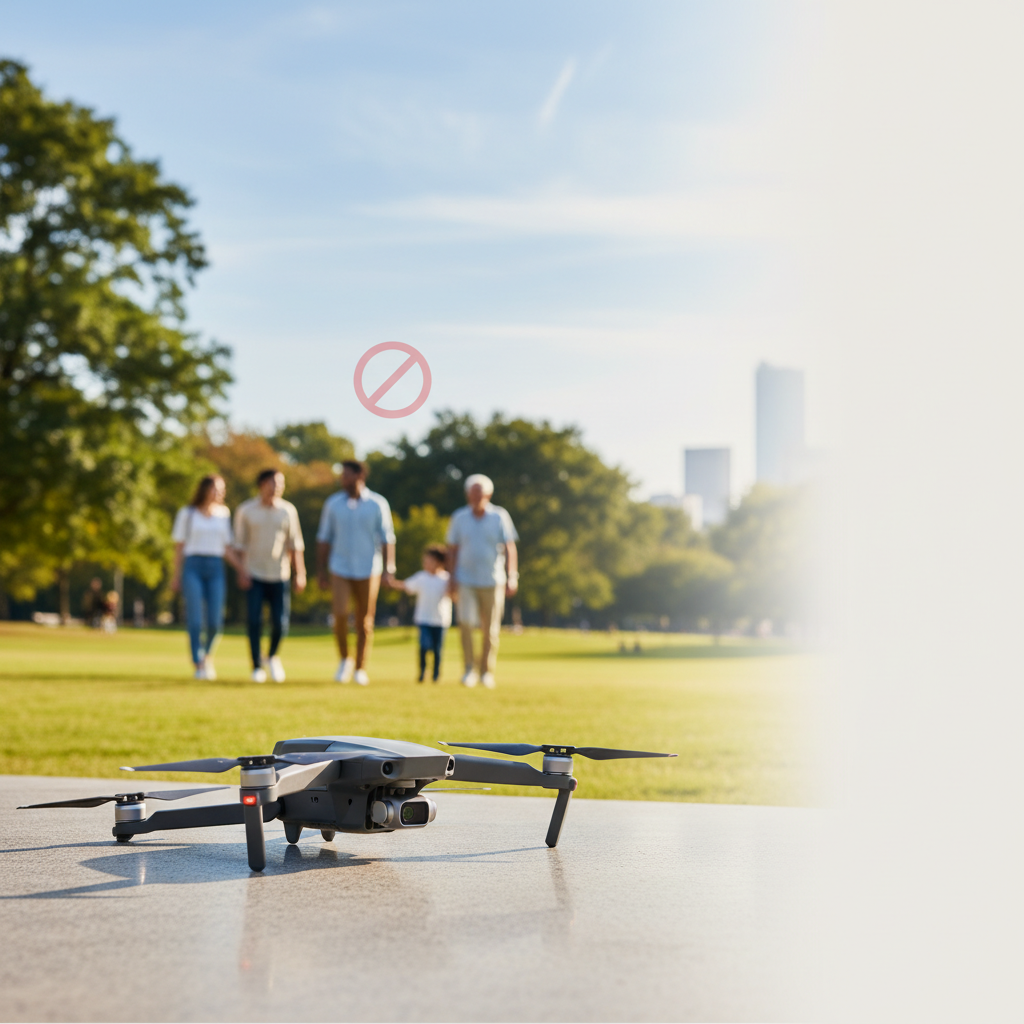
Yes, you can fly a drone over people, but there are specific regulations and safety guidelines you must follow. The Federal Aviation Administration (FAA) has established clear rules to ensure the safety of individuals on the ground while allowing for the use of drones in various scenarios. Understanding these regulations is essential for drone operators to navigate the complexities of flight operations over populated areas, maintain legal compliance, and prioritize safety.
Understanding FAA Regulations

The FAA has laid down comprehensive regulations regarding flying drones over people, primarily found in Part 107 of the Federal Aviation Regulations. As of the latest updates, the FAA allows drone operations over people under specific conditions that focus on minimizing risk. Drones are required to meet certain criteria to qualify for this privilege.
To fly a drone over people, it must be classified as either “Category 1,” “Category 2,” “Category 3,” or “Category 4.” Each category has different safety requirements based on the drone’s weight and design features. For instance, Category 1 drones, weighing less than 0.55 pounds, can be flown over people without the need for additional waivers, provided they are designed to minimize injury risk. Conversely, heavier drones may require more stringent safety measures or specific waivers to be flown over populated areas. Thus, it’s vital for drone operators to familiarize themselves with these classifications and ensure their equipment meets the necessary standards.
Categories of Drones

Drones are classified into four categories based on their weight and safety features, which directly influence the regulations that apply to them. Understanding these categories is essential for compliant operations over people.
1. Category 1: Drones weighing less than 0.55 pounds (250 grams) can be flown over people without any special waivers or permissions. These drones are typically lightweight models designed for recreational or light commercial use.
2. Category 2: Drones in this category weigh between 0.55 pounds and 4.4 pounds (2 kilograms). Operators must adhere to more stringent safety requirements, including the drone’s design to reduce injury risk during a potential accident. Special waivers may be required to operate these drones over people.
3. Category 3: Drones weighing between 4.4 pounds and 55 pounds (25 kilograms) fall into this category. They can be flown over people only if they meet specific safety criteria, which often include enhanced mitigating features to protect individuals in case of a malfunction.
4. Category 4: This category encompasses drones weighing over 55 pounds. Operators must obtain a specific waiver from the FAA to fly these drones over people, and their operations are subject to rigorous safety assessments.
By understanding these categories, drone operators can determine the necessary steps for compliant flight operations over populated areas and make informed decisions about the equipment they use.
Safety Guidelines for Flying Over People
Flying a drone over people inherently involves risk, and adhering to established safety guidelines is crucial to mitigate these risks effectively. Here are some essential safety considerations for drone operators:
– Maintain a Safe Distance: Operators should always maintain a safe distance from individuals on the ground to lessen the risk of injury. The FAA recommends keeping the drone at least 25 feet away from people not directly involved in the operation. This distance helps ensure that, in the event of a malfunction, individuals are less likely to be harmed.
– Use Drones with Safety Features: Opting for drones equipped with built-in safety features is advisable. For example, drones that include emergency landing capabilities can help minimize injuries in unforeseen circumstances. Additionally, drones with propeller guards are less likely to cause harm during a crash, providing an extra layer of safety.
– Conduct Regular Maintenance Checks: Ensuring that the drone is in optimal working condition is vital. Regular pre-flight inspections should include checking battery levels, propellers, and communication systems to avoid malfunctions while in flight.
– Stay Informed About Weather Conditions: Weather can significantly impact drone operations. High winds, rain, or other adverse conditions can increase the risk of accidents. Always check weather forecasts before flying and be prepared to cancel flights if conditions are not favorable.
Following these safety guidelines not only adheres to FAA regulations but also helps cultivate a responsible and safe drone-flying culture.
Scenarios Permitting Flight Over People
Understanding the contexts in which flying a drone over people is permitted can significantly enhance operational flexibility. Here are several instances that allow for such operations:
– Public Events: Drones can often be flown over crowds at public events, such as festivals, concerts, or sporting events, provided they meet the necessary FAA regulations and safety requirements. Operators must ensure that they are compliant with all local laws and any additional permits required by event organizers.
– Commercial Filming: Many commercial filming projects require drones to capture aerial footage over populated areas. In such cases, operators should obtain the appropriate waivers and permissions to ensure compliance with both FAA regulations and local laws governing drone usage.
– Emergency Response Missions: In emergency situations, such as natural disasters or search and rescue operations, drones may be flown over people to assist in operations. Operators must still adhere to safety guidelines and regulations, even in urgent scenarios.
Before conducting drone operations over people in any of these contexts, operators should review local laws and regulations, as they may impose additional restrictions beyond those set forth by the FAA.
Consequences of Non-Compliance
Failing to adhere to FAA regulations when flying a drone over people can lead to several serious consequences.
– Hefty Fines: The FAA has the authority to impose substantial fines on operators who violate regulations. These fines can range from hundreds to thousands of dollars, depending on the severity of the infraction.
– Legal Repercussions: In addition to financial penalties, operators may face legal consequences, including potential criminal charges for reckless endangerment or negligence, especially if their actions result in injuries or property damage.
– Reputation Damage: Non-compliance can severely damage the reputation of drone operators. In an industry that relies heavily on public trust and safety, negative publicity can deter potential clients and partners, adversely affecting business prospects.
To avoid these consequences, drone operators must remain vigilant about compliance with all regulations and prioritize safety in their operations.
Tips for Responsible Drone Use
To promote responsible drone use and ensure compliance with regulations, operators should consider the following tips:
– Conduct a Pre-Flight Check: Before taking off, operators should perform a thorough pre-flight inspection of their drones. Check battery levels, inspect propellers for damage, and ensure that all navigation and communication systems are functioning correctly.
– Educate Yourself Continuously: The drone industry is rapidly evolving, with frequent updates to regulations and best practices. Operators should commit to ongoing education by attending workshops, joining drone associations, and engaging with online communities to stay informed about the latest developments in drone technology and regulations.
– Utilize Enhanced Safety Features: Drones equipped with advanced safety features, such as real-time data transmission, obstacle avoidance technologies, and automated emergency landing systems, can greatly enhance safety during flight operations. Investing in high-quality equipment can yield significant dividends in terms of risk management.
– Engage with the Community: Building relationships with other drone operators can provide valuable insights and support. Engaging with local drone clubs or online forums can offer opportunities for knowledge sharing and collaboration.
By adopting these practices, drone operators not only ensure compliance but also contribute to a culture of safety and responsibility within the drone community.
In conclusion, flying a drone over people is possible, but it requires a thorough understanding of the regulations and safety guidelines established by the FAA. By adhering to these rules, ensuring proper drone classification, following safety protocols, and staying aware of the contexts permitting such operations, drone operators can enjoy the benefits of aerial technology while prioritizing the safety of individuals on the ground. Responsible drone use not only safeguards against legal repercussions but also fosters a positive and safe environment for all involved.
Frequently Asked Questions
Can you legally fly a drone over people?
The legality of flying a drone over people varies by country and region. In the United States, the Federal Aviation Administration (FAA) allows flying over people under certain conditions, such as if the drone is classified as low-risk and meets specific requirements set in Part 107 regulations. It’s essential to check local laws and regulations, as some areas may have stricter restrictions on drone operations over crowds.
What are the safety concerns when flying a drone over people?
Safety concerns when flying a drone over people primarily involve the risk of injury from a malfunction or crash. Drones can weigh several pounds and, if they fall, can cause serious harm. Additionally, there are concerns about privacy and the potential for drones to disrupt public events. Operators should ensure their drones are well-maintained and consider the environment and crowd size before flying overhead.
How can I obtain permission to fly a drone over people?
To obtain permission to fly a drone over people, you typically need to follow local regulations and potentially apply for a waiver or special authorization from the aviation authority in your region. In the U.S., for instance, you may need to demonstrate that your drone meets safety criteria and that you have the necessary insurance coverage. Consulting with local authorities or legal experts can provide guidance tailored to your specific situation.
What is the best practice for flying a drone in crowded areas?
The best practice for flying a drone in crowded areas includes thorough risk assessment, maintaining a safe distance from people, and ensuring that your drone is equipped with fail-safe features such as automatic return-to-home functions. Additionally, it’s advisable to inform event organizers of your drone activity and to adhere strictly to any local regulations governing drone usage in populated areas to minimize risks.
Which drones are suitable for flying over people?
Drones that are suitable for flying over people typically fall under the category of low-risk operational drones, which are often lightweight and designed with safety features like propeller guards. Models that meet the FAA’s criteria for flying over people include the DJI Mavic Mini, DJI Mavic Air 2, and other drones that comply with specific safety standards. Researching and selecting drones that are certified for such use can enhance safety and compliance with regulations.
References
- https://www.faa.gov/uas/getting_started/part_107
- https://www.faa.gov/uas/media/Part_107_Summary.pdf
- https://www.nytimes.com/2021/04/21/business/drone-faa-regulations.html
- https://www.wired.com/story/faa-drone-rules-people/
- https://www.reuters.com/business/aerospace-defense/faa-finalizes-drone-rules-flying-over-people-2021-04-21/
- https://www.nasa.gov/content/what-you-need-know-about-drone-flying
- https://www.ama-assn.org/delivering-care/public-health/drone-flying-over-people-regulations-and-safety
