

Yes, you can fly a drone over private property in Florida, but there are specific regulations and considerations to keep in mind. Florida’s drone laws are shaped by both state and federal guidelines, which dictate the conditions under which drone operators can legally navigate the skies. Additionally, understanding the rights of property owners is essential to ensure that drone flights do not infringe on their privacy or enjoyment of their land. This article will delve into the relevant laws, the importance of respecting private property rights, and best practices for responsible drone operation.
Understanding Florida Drone Laws
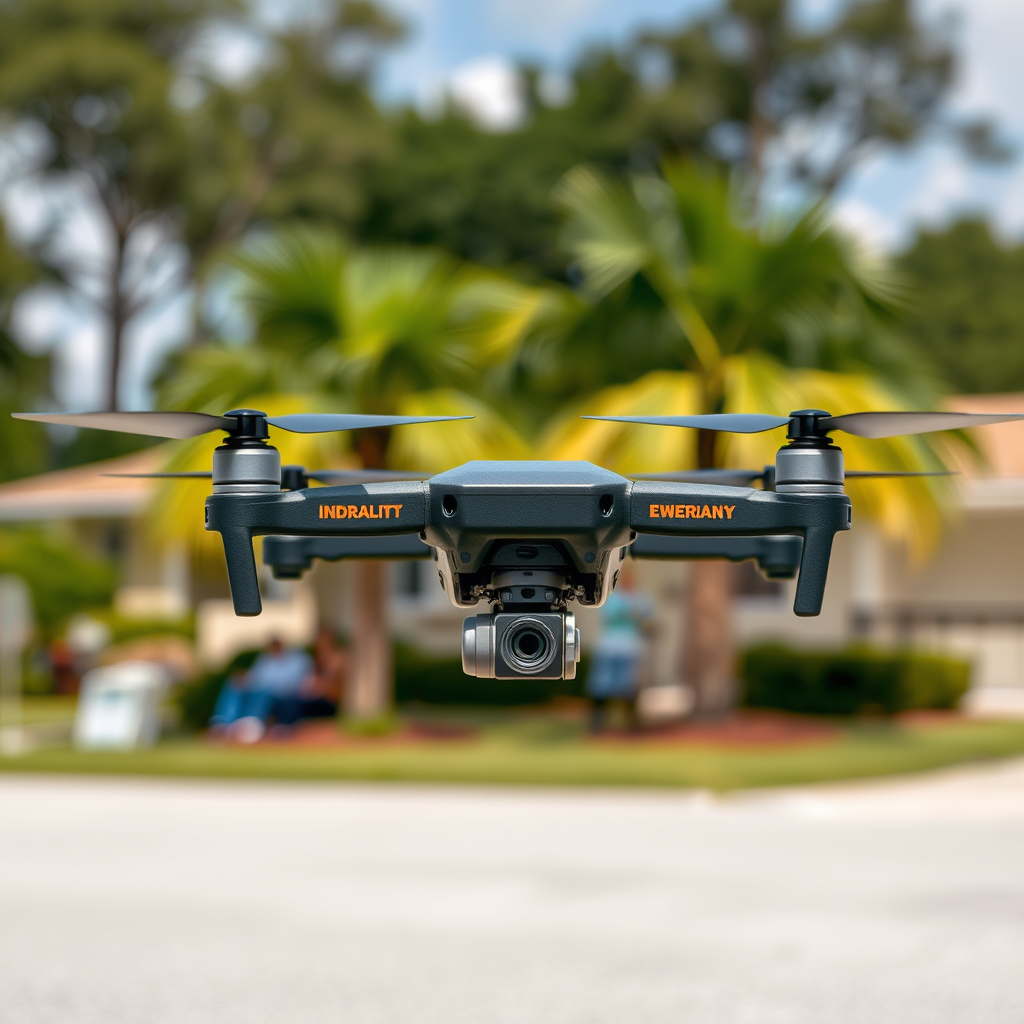
Florida law allows for the operation of drones, but it is crucial for operators to adhere to federal regulations established by the Federal Aviation Administration (FAA). Florida Statutes, particularly Section 330.41, outline the parameters within which drones can be flown, emphasizing the need for compliance with FAA rules. For instance, drone operators must ensure their flights do not endanger people or property.
Moreover, local ordinances can impose additional restrictions on drone usage in specific areas, such as parks, beaches, or urban developments. For example, some municipalities may have enacted laws that limit drone flights to certain times of day or require permits for use in crowded areas. It is essential for drone operators to research local regulations before planning any flight, as violating these can lead to fines or other legal repercussions.
Federal Regulations Governing Drone Use
The FAA has established comprehensive regulations governing drone use in the United States, which also apply to Florida. One of the primary mandates is that all drones weighing more than 0.55 pounds must be registered with the FAA. This registration process is straightforward and ensures that operators are accountable for their drone’s operation.
Drones must also be flown within the operator’s visual line of sight and cannot exceed an altitude of 400 feet. This restriction is designed to prevent collisions with manned aircraft and ensure the safety of both the drone operator and the public. Additionally, operators are prohibited from flying drones over people who are not directly involved in the operation or who have not given their consent.
Furthermore, drone operators should be familiar with the concept of “Part 107” of the FAA regulations, which outlines the requirements for commercial drone use, including the need for a remote pilot certificate. This certification process includes passing a knowledge test that covers airspace regulations, weather, and drone operation safety.
Respecting Private Property Rights
Flying a drone over private property brings with it the responsibility to respect the rights of property owners. While the FAA regulates airspace, property owners have rights that can be affected by drone flights. If a drone operator’s flight interferes with the owner’s use and enjoyment of their land—such as capturing images or video that invade their privacy—it may be considered a form of trespass.
To mitigate potential conflicts, it is advisable for drone operators to seek permission from property owners before flying over their land. This practice not only fosters goodwill but also helps to avoid legal disputes that can arise from perceived invasions of privacy. For instance, if a drone operator intends to conduct aerial photography for a project, obtaining explicit permission can prevent misunderstandings and ensure a smoother operation.
In Florida, there have also been legal cases where property owners have successfully argued against drone operators for violating their privacy. Understanding these nuances is essential for any drone operator looking to fly responsibly and legally.
No-Fly Zones and Restrictions
Certain areas are designated as no-fly zones due to safety and security concerns, and these restrictions are strictly enforced. In Florida, this includes regions near airports, military bases, and national parks. For example, flying a drone within five miles of an airport requires notification to the airport authorities and, in some cases, FAA approval.
Additionally, military installations in Florida, such as MacDill Air Force Base, have specific airspace restrictions that drone operators must adhere to. Similarly, national parks are generally off-limits to drone usage to protect wildlife and preserve the natural landscape. Operators should always check for any local restrictions or temporary flight restrictions (TFRs) that may impact their planned flight path.
Drone operators can utilize tools like the FAA’s B4UFLY app, which provides real-time information on airspace restrictions, helping ensure that they are compliant with all relevant regulations before taking off.
Best Practices for Responsible Drone Flying
Operating a drone responsibly is not only a legal obligation but also a matter of ethical flying. Operators should always approach their flights with a clear plan that includes awareness of their surroundings and potential hazards. For instance, avoiding flight over private gatherings, such as parties or events, respects the privacy of individuals and minimizes the risk of causing disruptions.
Additionally, operators should familiarize themselves with the drone’s operational capabilities and limitations, as well as environmental factors such as weather conditions that could affect flight safety. Pre-flight checks are essential to ensure that the drone is in good working order, including battery levels, camera functionality, and GPS connectivity.
Being courteous and respectful to others in the vicinity of the flight area is equally important. Engaging with the community and informing nearby residents of your flight plans can help build positive relationships and enhance the overall perception of drone use.
Consequences of Violating Drone Laws
Failure to comply with FAA regulations can lead to severe consequences for drone operators. Violations can result in significant fines, administrative penalties, and even criminal charges in severe cases. For example, unauthorized flights in no-fly zones can attract hefty fines and legal action from the FAA.
Additionally, property owners who feel their rights have been violated may pursue civil actions against drone operators. This could result in costly legal battles and potential damages if the court rules in favor of the property owner. Therefore, understanding and adhering to both state and federal regulations is critical for avoiding such pitfalls.
Drone operators should also consider the reputational risks associated with violating privacy rights. Public backlash and negative perceptions can hinder future opportunities for drone use, whether for commercial or recreational purposes.
In summary, while flying a drone over private property in Florida is generally permissible, it is essential to navigate the legal landscape carefully. Operators must prioritize obtaining permission, follow federal and state regulations, and practice responsible flying. By doing so, they can enjoy the many benefits of drone operation while fostering a positive relationship with the surrounding community and property owners.
Frequently Asked Questions
Can you fly a drone over private property in Florida without permission?
In Florida, flying a drone over private property without permission can potentially lead to legal issues. While the Federal Aviation Administration (FAA) allows drone flights in uncontrolled airspace, state laws and local ordinances may impose restrictions. It is advisable to seek permission from property owners before flying over their land to avoid trespassing claims and ensure compliance with privacy laws.
What are the regulations for flying drones in Florida?
Florida drone regulations include both federal guidelines set by the FAA and state-specific laws. Drone operators must follow FAA rules regarding altitude, no-fly zones, and registration requirements. Additionally, Florida laws require drone operators to respect privacy rights, which means avoiding surveillance of private property without consent. Keeping updated with local regulations is crucial for safe and legal drone operation.
How high can you fly a drone over private property in Florida?
In Florida, the FAA allows drone operators to fly at altitudes up to 400 feet above ground level, provided they remain within visual line of sight and avoid flying over people. However, it’s important to note that flying over private property may still be subject to privacy laws and local regulations. Always check for any specific restrictions in the area where you plan to fly.
Why is it important to get permission before flying a drone over private property?
Obtaining permission before flying a drone over private property is vital to ensure compliance with privacy laws and to avoid potential legal disputes. Respecting property rights fosters good relationships with neighbors and reduces the risk of trespassing claims. Additionally, many property owners may have concerns about privacy and security, making it essential to communicate and obtain consent before operating your drone.
What should you do if someone complains about your drone flying over their property in Florida?
If someone complains about your drone flying over their property in Florida, it’s important to remain calm and address their concerns respectfully. First, you should explain your intentions and ensure you are following all relevant regulations. If the property owner insists that you stop flying over their land, it’s best to comply and consider changing your flight path to avoid further conflict. Keeping an open line of communication can help resolve misunderstandings and maintain a positive relationship with the community.
References
- https://www.faa.gov/uas/where_to_fly/private_property
- https://www.faa.gov/uas/getting_started/remote_pilot_safety
- https://www.faa.gov/uas/publications/media/Drone_Zone_Fact_Sheet.pdf
- https://www.nolo.com/legal-encyclopedia/drone-law-what-you-need-know-29771.html
- https://www.usatoday.com/story/tech/2021/05/19/drone-flying-laws-what-you-need-know/5000208001/
- https://www.tampabay.com/news/business/2021/01/07/what-you-need-to-know-about-flying-drones-in-florida/
- https://www.gao.gov/products/gao-21-97
- https://www.aopa.org/go-fly/aircraft-and-ownership/drone-laws-in-your-state-where-can-you-fly
