

Yes, you can fly a drone over private property in Hawaii, but there are specific regulations and considerations you must be aware of. Understanding both federal and state laws, along with respecting property owners’ rights, is crucial for responsible drone operation in this picturesque island state. As drone technology becomes more accessible, it is essential for operators to navigate the complex legal landscape to ensure a safe and respectful flying experience.
Understanding Federal Drone Regulations
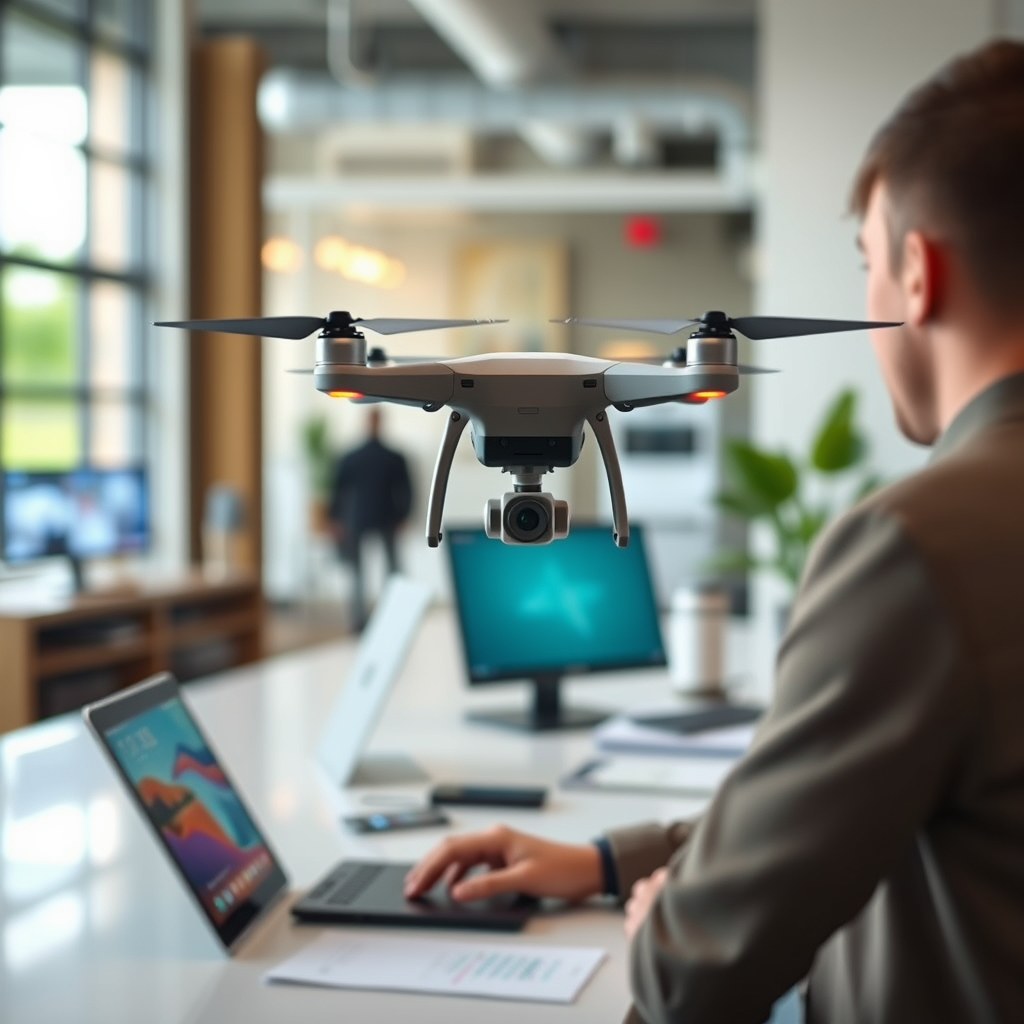
The Federal Aviation Administration (FAA) plays a pivotal role in governing drone usage across the United States, including Hawaii. The FAA requires all drone pilots to adhere to specific regulations aimed at ensuring safety and preventing accidents. For commercial drone use, operators must comply with the Part 107 rules, which encompass various requirements such as obtaining a Remote Pilot Certificate, adhering to maximum altitude limits of 400 feet, and maintaining visual line-of-sight with the drone at all times.
For recreational users, the FAA provides guidelines that include flying only for fun, not for compensation or commercial purposes, and following community-based safety guidelines. These regulations are crucial because they not only safeguard the public but also help establish a framework for responsible drone operation. Pilots are encouraged to familiarize themselves with the FAA’s resources and updates, as drone regulations are dynamic and frequently revised to accommodate technological advancements and safety concerns.
Hawaii’s State Laws on Drones
In addition to federal guidelines, Hawaii has implemented its own set of laws that complement and, in some cases, expand upon these regulations. For instance, Hawaii law prohibits the use of drones to engage in any form of surveillance or other activities that invade personal privacy. Furthermore, certain areas, such as state parks and wildlife refuges, are designated as no-fly zones for drones, meaning pilots cannot operate their devices in these sensitive environments without specific permission.
For example, the Hawaiian Islands have several state parks where drone operations are strictly regulated; flying a drone in these areas could result in fines or other legal repercussions. Additionally, some counties in Hawaii have enacted local ordinances that further restrict drone use, especially near schools or crowded areas. Therefore, it is crucial for pilots to research and understand both state and local laws before flying to avoid any legal complications.
Respecting Private Property Rights
Respecting property owners’ rights is a fundamental aspect of responsible drone operation. In Hawaii, as in other states, the airspace above private property is generally considered to belong to the property owner. This means that flying a drone over someone’s land without permission could be construed as trespassing. Property owners may perceive drone flights as intrusive, especially if they feel their privacy is being violated.
For example, if a drone is flown over a residential area and captures images or video of private property without consent, it could lead to potential legal conflicts. It is important for drone pilots to be aware of these sensitivities and strive to avoid any actions that could be interpreted as disrespectful or invasive. Engaging in open communication with property owners can go a long way in building trust and understanding.
Obtaining Permission from Property Owners
One of the best practices for drone pilots, particularly when flying over private property, is to seek permission from the property owner prior to launching. This approach is not only courteous but also helps to prevent misunderstandings that could lead to conflict. Informing property owners of your intentions can create a positive rapport and might even lead to opportunities for collaboration, such as capturing aerial footage for a community project.
When reaching out to property owners, it’s beneficial to clearly explain the purpose of your flight, how long you expect to be flying, and the specific area you intend to cover. Providing contact information and being open to questions can further alleviate any concerns the property owner may have. Additionally, local drone communities may offer templates or examples of how to approach property owners effectively, thereby increasing the chance of obtaining permission.
Safety and Privacy Considerations
Prioritizing safety while flying drones is imperative, especially in populated areas where the risk of accidents can increase. Avoid flying over large crowds, private gatherings, or sensitive locations such as hospitals, schools, and emergency response scenes. In addition to the legal implications of such actions, the potential for causing fear or panic among individuals can lead to significant backlash against drone operators.
Equally important is the need to respect individuals’ privacy. Drones equipped with cameras can inadvertently record or photograph people without their consent. Being mindful of privacy concerns can help avoid confrontations and legal challenges. For instance, if a drone pilot is capturing scenic footage of a beach, they should ensure that they are not inadvertently intruding on the privacy of beachgoers. Maintaining a respectful distance and avoiding capturing individuals in compromising situations is not only ethical but also a best practice for responsible flying.
Local Drone Communities and Resources
Engaging with local drone communities can provide invaluable resources and support for both novice and experienced pilots. Joining local drone clubs or online forums can facilitate knowledge sharing and foster a spirit of collaboration among drone enthusiasts. These platforms often offer insights into the best flying locations, tips for navigating regulations, and advice on building a positive relationship with property owners.
Additionally, official resources such as the Hawaii Department of Transportation provide updates on local drone regulations, safety guidelines, and educational materials. Pilots should regularly consult these resources to stay informed about any changes in the legal landscape that may affect their operations. Moreover, local workshops and meetups can enhance skills and promote responsible flying practices, ultimately contributing to a safer environment for all.
In conclusion, while flying a drone over private property in Hawaii is possible, it requires adherence to federal and state laws, respect for property rights, and a commitment to safety and privacy. By understanding the regulations, obtaining permission from property owners, and engaging with local communities, drone pilots can ensure a positive and responsible flying experience. Remaining informed and considerate is essential in fostering a harmonious relationship between drone operators and the communities in which they fly.
Frequently Asked Questions
Can I fly a drone over private property in Hawaii without permission?
No, flying a drone over private property in Hawaii without the property owner’s permission is not advisable and could lead to legal issues. According to federal regulations, drone operators must respect the privacy of individuals and property owners. It’s best to obtain explicit permission to avoid potential conflicts and ensure compliance with local laws.
What are the drone laws regarding flying over private property in Hawaii?
In Hawaii, drone laws are governed by both federal regulations and state statutes. While the FAA allows drone flight in public airspace, state laws require operators to respect privacy rights, which means you should not fly over private property without consent. Additionally, check for any local ordinances that may impose further restrictions on drone usage in specific areas.
How can I get permission to fly a drone over someone’s property in Hawaii?
To obtain permission to fly a drone over private property in Hawaii, it’s best to directly contact the property owner. You can explain your intentions, whether for recreational use or photography, and ask for their consent in writing. Establishing clear communication and being respectful of their privacy will increase your chances of getting the necessary permission.
Why is it important to ask for permission before flying a drone over private land in Hawaii?
Asking for permission before flying a drone over private land in Hawaii is crucial to respect the privacy and property rights of individuals. Unauthorized drone flights can lead to disputes, complaints, and even legal repercussions. Moreover, gaining consent builds trust and can enhance your reputation as a responsible drone operator within the community.
What should I do if I encounter someone flying a drone over my property in Hawaii?
If you notice someone flying a drone over your property in Hawaii without your permission, you should first assess the situation calmly. If you feel uncomfortable or believe your privacy is being violated, you can ask the operator to cease flying over your property. If the situation escalates or if you suspect illegal activity, consider contacting local law enforcement or the FAA for guidance on how to proceed.
References
- https://www.faa.gov/uas/getting_started/know_before_you_fly
- https://www.hawaiipublicradio.org/local-news/2021-05-15/faa-regulations-on-drone-use-in-hawaii
- https://www.hawaii.edu/uhm/uhm-drone-policy
- https://www.honolulu.gov/office-of-elections/elections/drone-use.html
- https://www.washingtonpost.com/technology/2020/07/06/drones-hawaii-private-property/
- https://www.nolo.com/legal-encyclopedia/drone-law-hawaii-29763.html
- https://www.kuam.com/story/41869378/drones-and-private-property-in-hawaii-what-you-need-to-know
