

Yes, you can fly a drone over private property in New York, but there are specific laws and regulations that govern this activity. Understanding these guidelines is essential to ensure you respect property rights and comply with local laws. As drone technology continues to advance and its popularity increases, it is crucial for drone pilots to be aware of the legal landscape that dictates where and how they can operate their drones, particularly over private property.
Understanding Drone Laws in New York
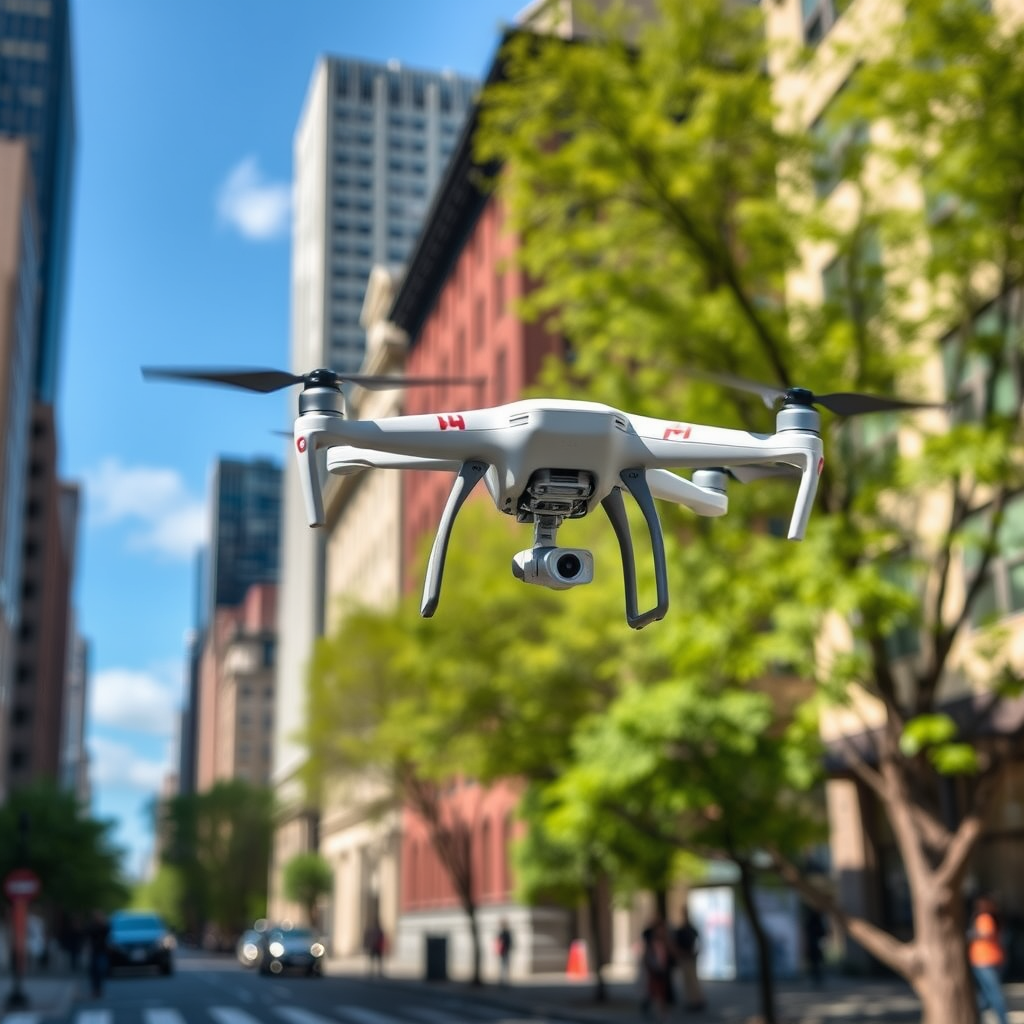
New York State has established a framework of laws that govern drone usage to promote safety and respect for individual rights. The state prohibits flying drones near certain areas, such as schools, prisons, and emergency response scenes, to ensure public safety and privacy. Additionally, the New York City area has strict regulations that further limit drone operations, making it imperative for pilots to familiarize themselves with both state and local laws.
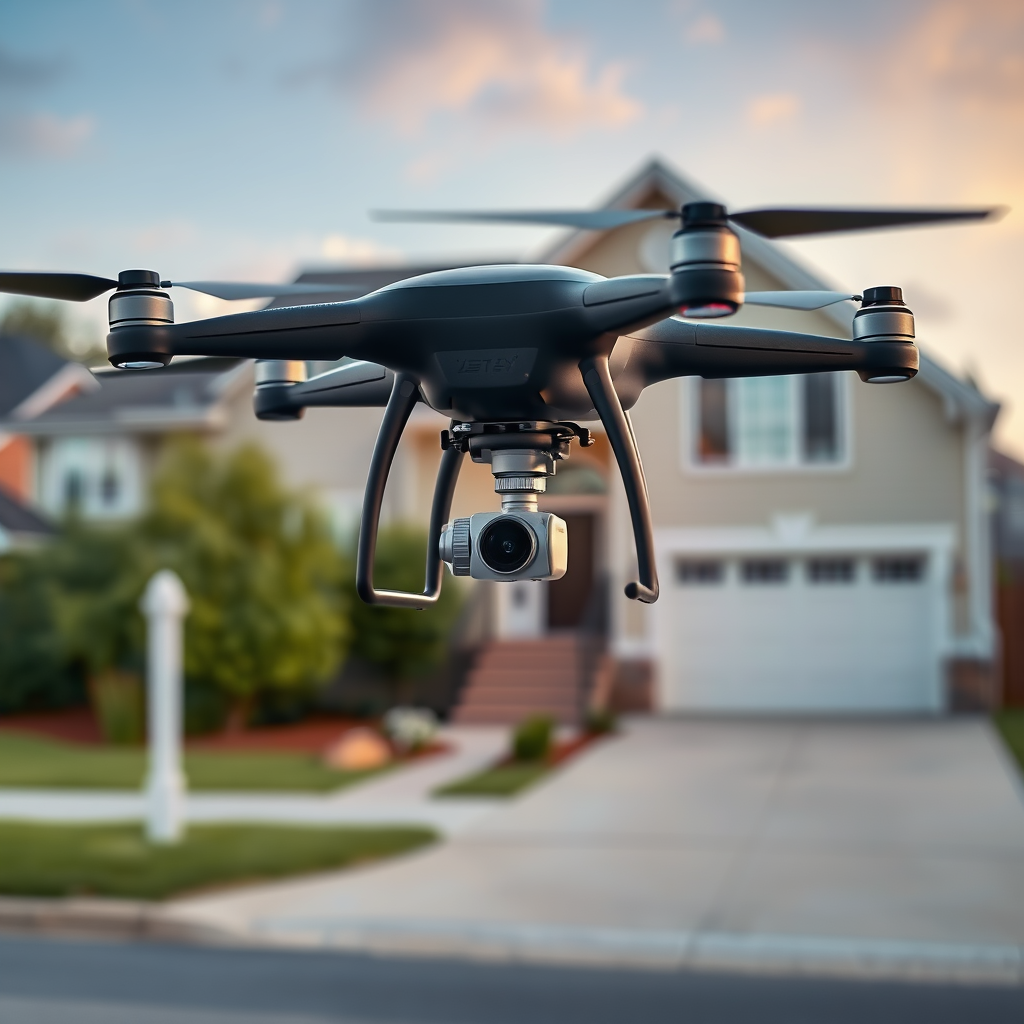
On a federal level, the Federal Aviation Administration (FAA) is the primary regulatory body overseeing drone flights. The FAA mandates that drone operators must register their drones if they weigh more than 0.55 pounds and adhere to guidelines that include flying below 400 feet, maintaining visual line-of-sight with the drone, and avoiding flying over people. These regulations must be followed in conjunction with state laws, creating a comprehensive legal framework that drone pilots must navigate.
Property Rights and Airspace
The question of property rights and airspace above private land is complex. Generally, property owners have rights to the airspace above their land, but these rights can vary based on legal interpretations and precedents. The legal concept of “navigable airspace,” defined as airspace that is free for commercial and recreational use, allows drone pilots to fly at certain altitudes without infringing on property rights. As a rule of thumb, flying above 400 feet typically places a drone within navigable airspace, reducing the likelihood of conflict with property owners.
However, it is essential to note that while the FAA governs navigable airspace, property owners may still have concerns about privacy and safety. For instance, if a drone flies too low, it could infringe on a property owner’s rights, potentially leading to disputes. As a responsible drone pilot, understanding these nuances and operating within the bounds of legality is crucial for maintaining good relations with property owners.
Local Regulations and Restrictions
Local municipalities in New York may impose additional regulations that restrict drone flights over private property. These local ordinances can vary significantly from one jurisdiction to another, making it essential for drone operators to conduct thorough research before flying. For example, some towns may require permits for drone usage, while others may have designated no-fly zones.
Drone pilots should consult local government websites or contact local authorities to stay informed about any specific rules that may apply. Additionally, community groups or local drone clubs often provide valuable insights into regional regulations and can help pilots navigate the legal landscape more effectively. Being proactive in understanding local laws not only helps avoid potential legal issues but also fosters a responsible flying culture.
Permission and Courtesy
Even if it is legally permissible to fly a drone over private property, seeking permission from property owners is always advisable. This practice promotes goodwill and minimizes the risk of confrontation or legal disputes. A simple courtesy call or conversation can often alleviate concerns property owners may have about privacy or safety.
Moreover, obtaining permission can lead to positive outcomes, such as building relationships with neighbors or gaining valuable insights into the area you wish to survey. For instance, if you are capturing aerial photography for a project, having the property owner’s blessing can enhance your work’s quality and depth, as they may offer unique perspectives or insights about the landscape. Practicing courtesy not only reflects well on you as a drone pilot but also contributes to a more harmonious community.
Consequences of Violating Drone Laws
Violating drone laws in New York can lead to serious consequences, including fines, penalties, or even criminal charges. The FAA has the authority to impose civil penalties for individuals who violate its regulations, with fines reaching up to $27,500 for serious infractions. In certain cases, particularly egregious violations may even result in criminal charges, which could lead to a permanent mark on one’s record.
Furthermore, local law enforcement agencies may have their own set of penalties for violating municipal drone ordinances, which could include additional fines or restrictions on future drone operations. Understanding the legal implications of your actions is crucial to avoid costly repercussions. As such, it is advisable for drone pilots to stay informed about both state and local laws and to adhere strictly to all regulations.
Resources for Drone Pilots
To navigate the complexities of drone regulations, various resources are available for drone pilots. The FAA’s website is a primary source of information, providing updates on federal regulations, safety guidelines, and registration requirements. Additionally, local drone clubs and online forums can offer valuable insights into regional regulations and best practices for safe flying.
Moreover, many drone manufacturers provide educational materials and resources for their products, including tutorials and safety guidelines. Engaging with these resources will help ensure compliance with evolving regulations and foster responsible flying practices. Staying informed about changes in laws and community guidelines is essential for a safe and enjoyable drone flying experience.
In summary, while it is generally permissible to fly a drone over private property in New York, it is vital to respect legal boundaries and seek permission when possible. Understanding drone laws, property rights, local regulations, and the importance of courtesy can significantly enhance the flying experience. By remaining informed about regulations and practicing responsible flying, drone pilots can contribute to a positive perception of the drone community while enjoying the many benefits of aerial technology.
Frequently Asked Questions
Can you fly a drone over private property in New York without permission?
In New York, flying a drone over private property without permission may lead to legal issues. While the Federal Aviation Administration (FAA) regulates airspace, property owners have rights regarding their land. It’s advisable to obtain permission from the property owner to avoid potential trespassing claims and to ensure you are respecting their privacy.
What are the laws regarding drone flight over private property in New York?
New York state laws, along with FAA regulations, dictate that drone operators must not invade the privacy of individuals or violate state trespassing laws. Although you can fly a drone in public airspace, flying directly over someone’s private property can lead to complaints or legal action. It’s essential to stay informed about both federal and state laws to fly responsibly and legally.
How can I get permission to fly my drone over someone else’s property in New York?
To obtain permission to fly your drone over private property in New York, it’s best to contact the property owner directly. Clearly explain your intentions, the purpose of the flight, and ensure them that you will respect their property. Documenting this agreement, preferably in writing, can help avoid any disputes in the future.
Why do I need to consider privacy concerns when flying a drone over private property in New York?
Privacy concerns are paramount when flying a drone over private property in New York because many individuals value their personal space and privacy. Drones equipped with cameras can inadvertently capture images or videos of private activities, which may lead to feelings of intrusion or harassment. By considering privacy, you not only comply with legal standards but also foster good relationships with your community.
What are the potential consequences of flying a drone over private property without permission in New York?
The potential consequences of flying a drone over private property without permission in New York can include legal action from the property owner, civil suits for trespassing, and fines imposed by local authorities. Additionally, if the drone captures images or videos that infringe on someone’s privacy, you could face further legal repercussions. It is essential to be aware of these risks to ensure responsible drone operation.
References
- https://www.nytimes.com/2021/04/29/technology/drone-laws-privacy.html
- https://www.nass.org/can-i-fly-my-drone-over-private-property
- https://www.faa.gov/uas/resources/policies_regulations/
- https://www.law.cornell.edu/wex/airspace
- https://www.nolo.com/legal-encyclopedia/drone-law-overview-32775.html
