

Yes, you can fly a drone over private property, but there are legal limitations and considerations you must be aware of. The airspace above private land is subject to complex regulations influenced by both federal and local laws. Understanding these regulations, along with property rights and safety protocols, is essential for responsible drone operation. This blog post will delve into the intricacies of drone use over private property to ensure you fly within the bounds of the law.
Understanding Property Rights

Property rights extend beyond the physical land to include the airspace above it. Traditionally, property owners have rights to their airspace, typically extending to a height that allows them to utilize their property effectively. However, this concept of airspace ownership is nuanced; while property owners have some control over the airspace, federal law allows for certain drone operations.

In many jurisdictions, trespassing laws vary significantly, making it crucial for drone pilots to research local regulations regarding drone flights. For instance, some states may consider flying a drone over someone’s property without permission as a form of trespassing, while others may not. Engaging with local legal resources or consulting with an attorney familiar with drone law can help clarify these nuances and ensure compliance with property rights.
Federal Regulations on Drones
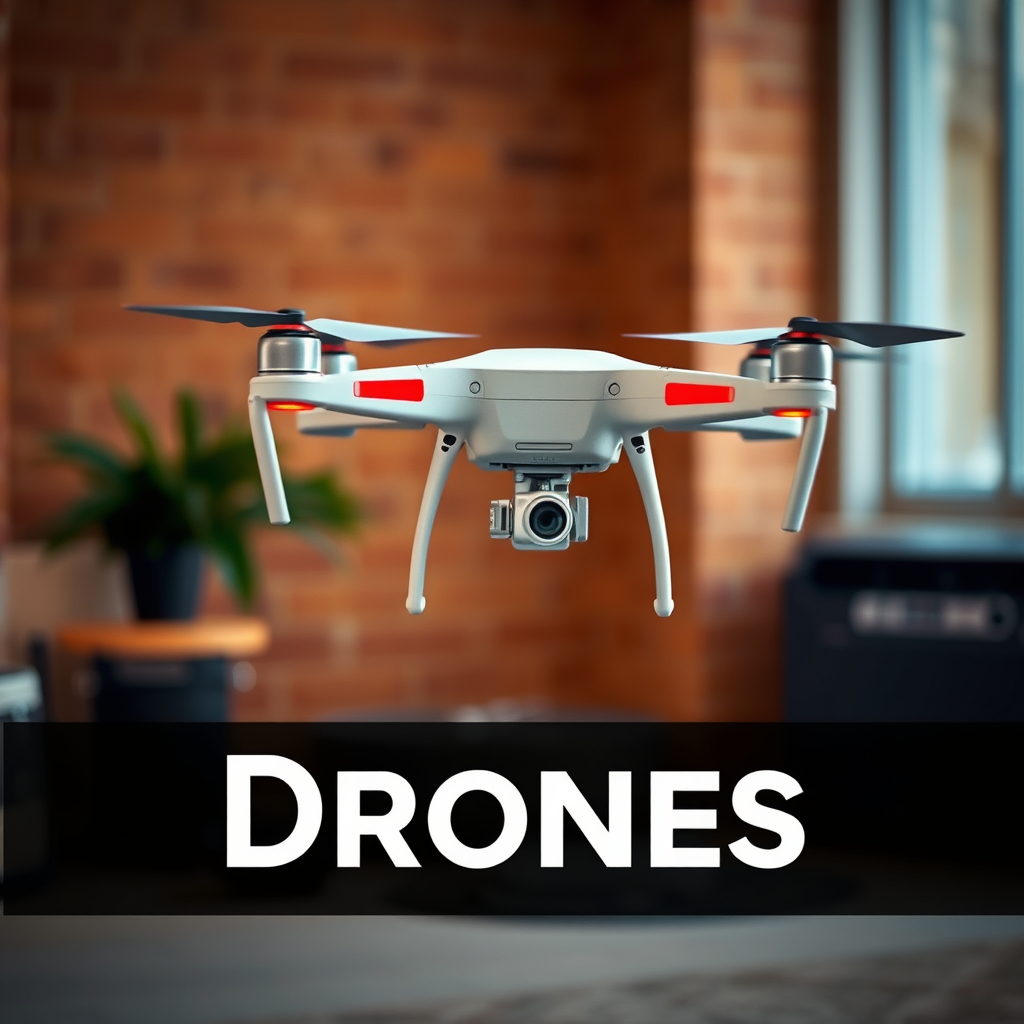
The Federal Aviation Administration (FAA) is the governing body for airspace in the United States, and it regulates drone operations through a framework that includes Part 107 regulations. These regulations apply primarily to commercial drone pilots but also offer guidelines that recreational pilots should follow. The FAA mandates that drone pilots operate their drones within visual line of sight, avoid flying over people, and maintain a safe distance from manned aircraft.
Additionally, the FAA has established specific airspace classifications (e.g., controlled, uncontrolled, and special use airspace) that dictate where drones can safely operate. For example, controlled airspace, often found near airports, requires pilots to obtain authorization before flying. Understanding these regulations is pivotal for drone operators to avoid legal repercussions and ensure public safety.
Local Laws and Ordinances
While federal regulations set a baseline for drone operations, local laws and ordinances can impose additional restrictions that vary significantly from one location to another. Many cities and towns have enacted specific laws regarding drone flights, particularly concerning flying over private property, parks, and other public spaces. For instance, some municipalities may prohibit drone flights in certain areas to protect wildlife or maintain public safety.
To stay compliant, it’s essential to check local government websites or ordinances for any specific restrictions in your area. Engaging with local drone clubs or online forums can also provide insight into regional regulations and practices, helping you to navigate the legal landscape effectively.
Privacy Concerns
Flying a drone over someone’s property can raise significant privacy issues and potential legal disputes. Many individuals are concerned about surveillance and invasion of privacy when drones are operated above their homes or private spaces. In some jurisdictions, laws protect residents from invasive surveillance, and flying a drone to capture images or videos without consent may lead to legal action.
To mitigate such concerns, it is advisable to obtain consent from property owners before flying over their land. This not only fosters goodwill but also can prevent potential conflicts. Moreover, being transparent about your intentions and the purpose of your flight can help build trust and ensure smoother operations.
Safety Considerations
Safety should always be a priority when operating a drone, particularly when flying over populated areas or private property. Pilots must maintain visual line of sight with their drones to ensure they can react to any unforeseen circumstances. Avoiding crowded areas is also crucial; flying over large gatherings or events can pose significant risks and may violate local ordinances.
Additionally, ensuring that your drone is properly maintained is essential for safe operation. Regularly check the drone’s batteries, propellers, and software systems to avoid malfunctions during flight. Understanding your drone’s operational limits, such as maximum altitude and range, can further enhance safety and ensure compliance with regulations.
Best Practices for Responsible Drone Use
To operate drones responsibly, careful planning and respect for property boundaries are essential. Before taking off, ensure that you have identified and mapped out your flight path. Utilizing drone flight planning apps can aid in identifying no-fly zones and areas with restricted access, reducing the risk of unintentional violations.
Respecting private property is also critical; maintain a safe distance from homes and other private areas, and avoid hovering or lingering above them. Communicating with property owners when planning a flight can help establish a respectful relationship and may also provide additional insights into local regulations or concerns.
Consequences of Violating Drone Laws
Violating drone laws can lead to significant consequences, ranging from fines and legal action from property owners to potential criminal charges in severe cases. For example, the FAA can impose civil penalties for non-compliance with federal regulations, which can reach thousands of dollars. Additionally, property owners may pursue legal remedies if they feel their rights have been infringed upon, leading to costly legal battles.
Understanding the potential repercussions of your actions can help you operate responsibly and avoid unnecessary complications. It is imperative to stay informed about changing regulations and community standards to ensure safe and lawful drone use.
In conclusion, while flying a drone over private property is generally permissible, it’s crucial to navigate the legal landscape carefully. Understanding property rights, federal and local regulations, privacy concerns, and safety considerations is essential for responsible drone operation. By prioritizing safety and respecting the rights of property owners, drone pilots can enjoy the benefits of this technology while avoiding legal complications and fostering positive community relations.
Frequently Asked Questions
Can you legally fly a drone over private property?
Yes, you can legally fly a drone over private property in most cases, as long as you follow the Federal Aviation Administration (FAA) regulations and local laws. However, while you may have the right to fly over someone’s property, it’s important to respect the privacy of individuals and be aware that local ordinances may impose restrictions. Always check for any specific laws in your area regarding drone use.
What should I do if someone asks me to stop flying my drone over their property?
If a property owner requests that you stop flying your drone over their land, it’s best to be respectful and comply with their wishes. While you may not be legally obligated to stop flying in many cases, respecting personal boundaries can prevent conflicts and help maintain good relationships with neighbors. If you feel the need to continue your flight, consider discussing your intentions with them to hopefully reach a mutual understanding.
Why do some people oppose drones flying over private property?
Many people oppose drones flying over private property due to privacy concerns and the potential for intrusive surveillance. Drones equipped with cameras can capture images or video footage without the property owner’s consent, leading to anxiety about personal privacy. Additionally, some individuals may worry about safety or property damage from drone operations, making it essential for drone pilots to be responsible and considerate.
What are the best practices for flying a drone over private property?
The best practices for flying a drone over private property include obtaining permission from the property owner whenever possible, maintaining a safe distance from structures and people, and adhering to local regulations and FAA guidelines. Additionally, it’s important to keep your drone within visual line-of-sight and avoid flying in restricted airspace, which can help ensure a safe and respectful flying experience.
Which regulations should I be aware of when flying a drone near private property?
When flying a drone near private property, you should be aware of FAA regulations, including those related to altitude restrictions and no-fly zones. Additionally, familiarize yourself with any local laws or ordinances that may govern drone use in your area, such as noise restrictions or limitations on flying over residential zones. Staying informed about these regulations can help you avoid legal issues and promote safe drone operation.
References
- https://en.wikipedia.org/wiki/Drone#Regulation
- https://www.faa.gov/uas/getting_started/register_drone/
- https://www.nolo.com/legal-encyclopedia/drone-law-flying-over-private-property-32902.html
- https://www.theguardian.com/technology/2020/jan/05/faa-drone-regulations-privacy-private-property
- https://www.cnet.com/news/what-you-need-to-know-about-drone-laws-in-your-state/
- https://www.ncbi.nlm.nih.gov/pmc/articles/PMC6946198/
- https://www.privacyinternational.org/explainer/3248/drones-and-privacy
- https://www.americanbar.org/groups/public_interest/consumer_protection/consumer_education/know-your-rights-drones/
